Author: Elias Voss - Page 11
Magic Trackpad and Keyboard: Extending MacBook Interaction to Peripherals


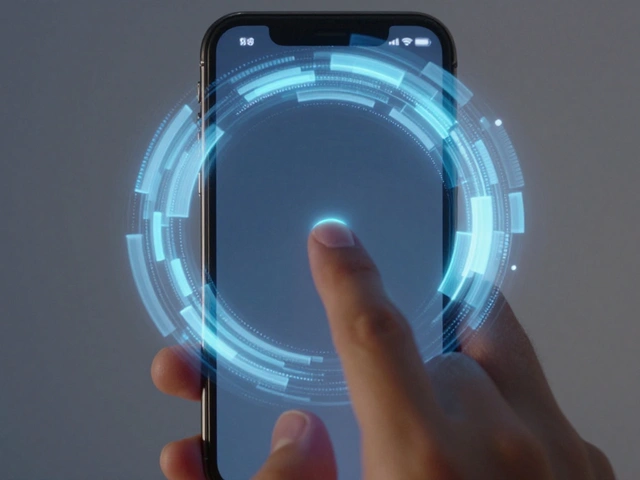
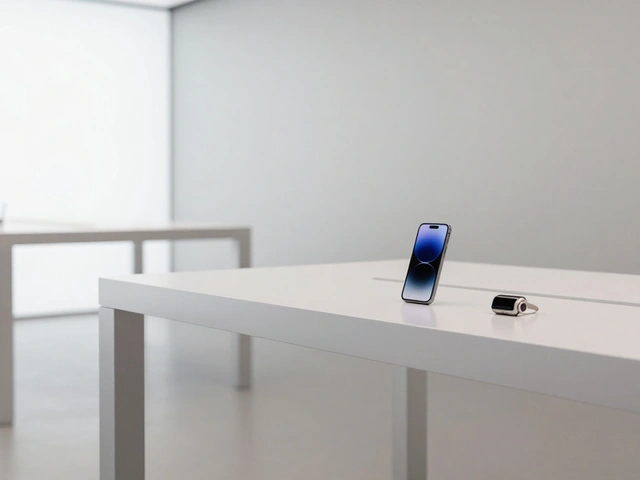
Discover how the Magic Trackpad and Keyboard extend your MacBook's capabilities. Learn about gesture controls, Touch ID integration, and tips for optimizing your desktop workflow.
Material Continuity: How Aluminum and Glass Define Apple-Inspired Retail Spaces

Discover how aluminum and glass create seamless retail experiences. Learn practical tips on lighting, maintenance, and design pitfalls to elevate your store's aesthetic.
Apple's Design Strategy: How Transparency and Translucency Build Trust
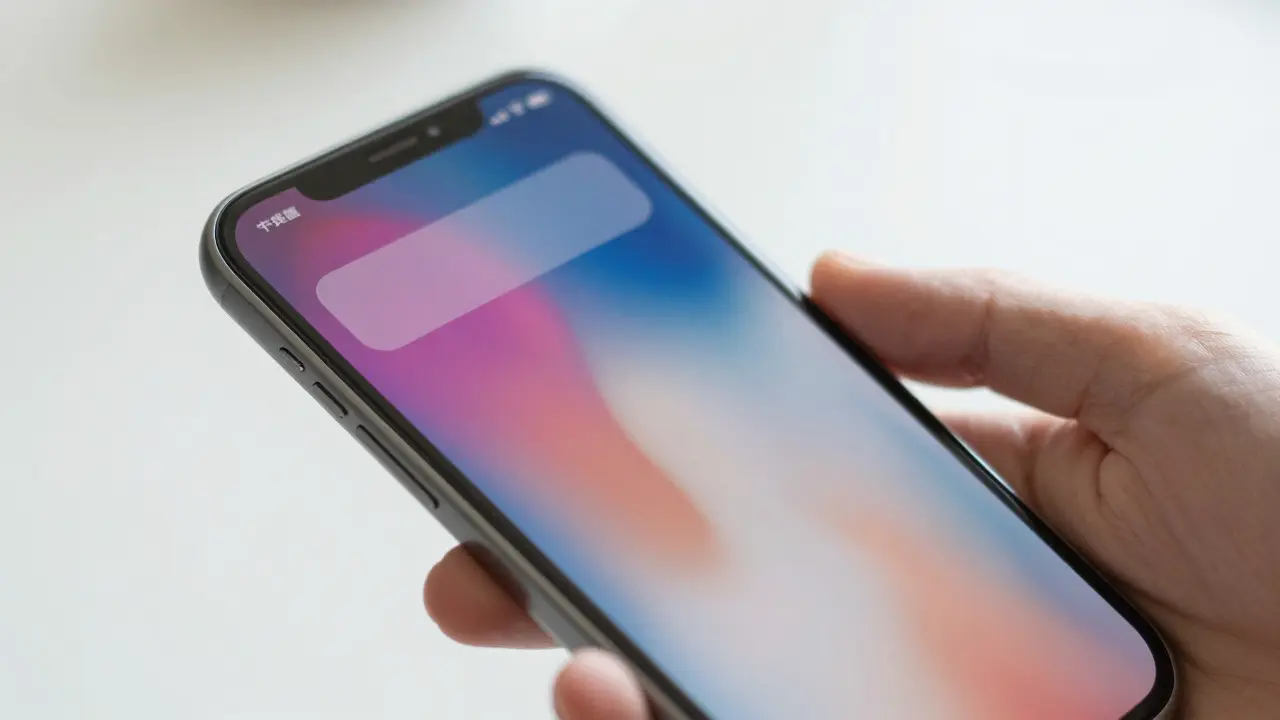
Discover how Apple uses transparency and translucency to make technology feel friendly. Learn the history, psychology, and practical tips for applying these design principles.
Apple's Color Naming Strategy: How Palette Narratives Drive Design
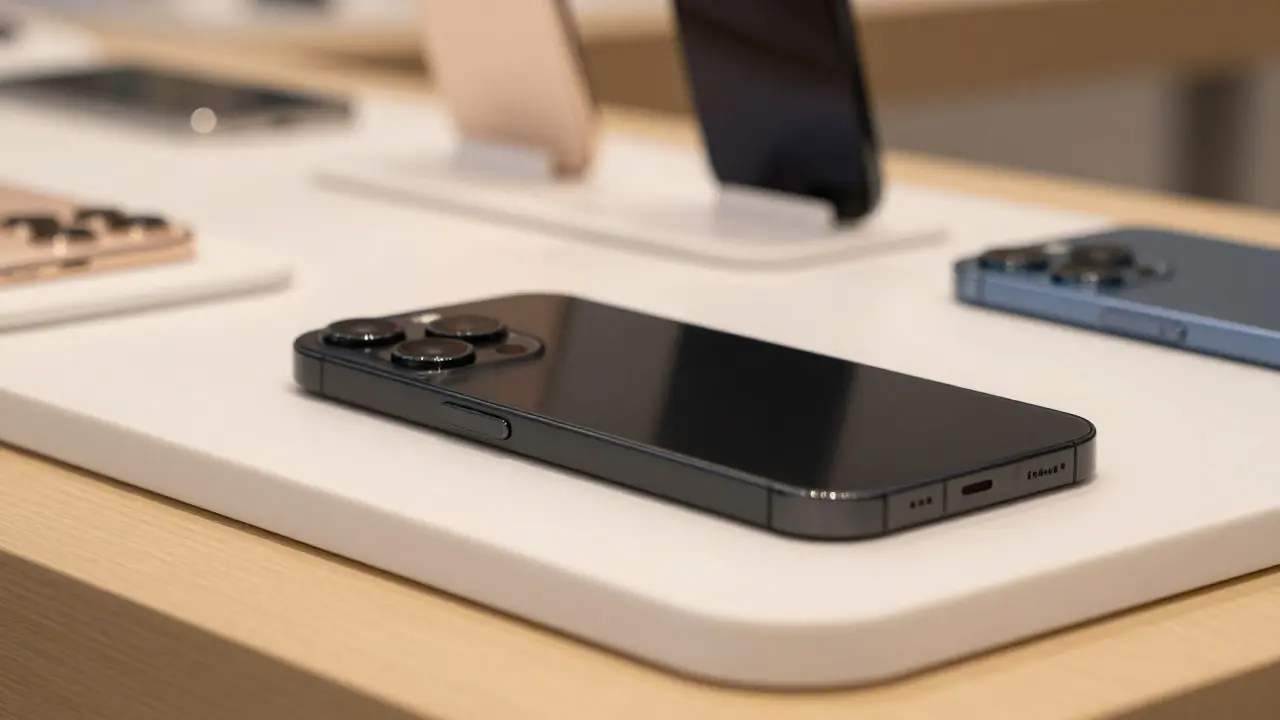
Discover how Apple uses color naming and palette narratives to transform hardware finishes into emotional experiences. Learn practical strategies to apply this storytelling approach to your own design projects.
How Apple Recruits Designers: The Process for Global Talent and Team Cohesion

Explore Apple's rigorous design recruiting process, focusing on global talent acquisition and long-term team cohesion. Learn about the interview stages, portfolio expectations, and compensation for UX and Industrial Design roles.
Designing Apple Pairing Flows: Instant Recognition and Low-Friction Setup
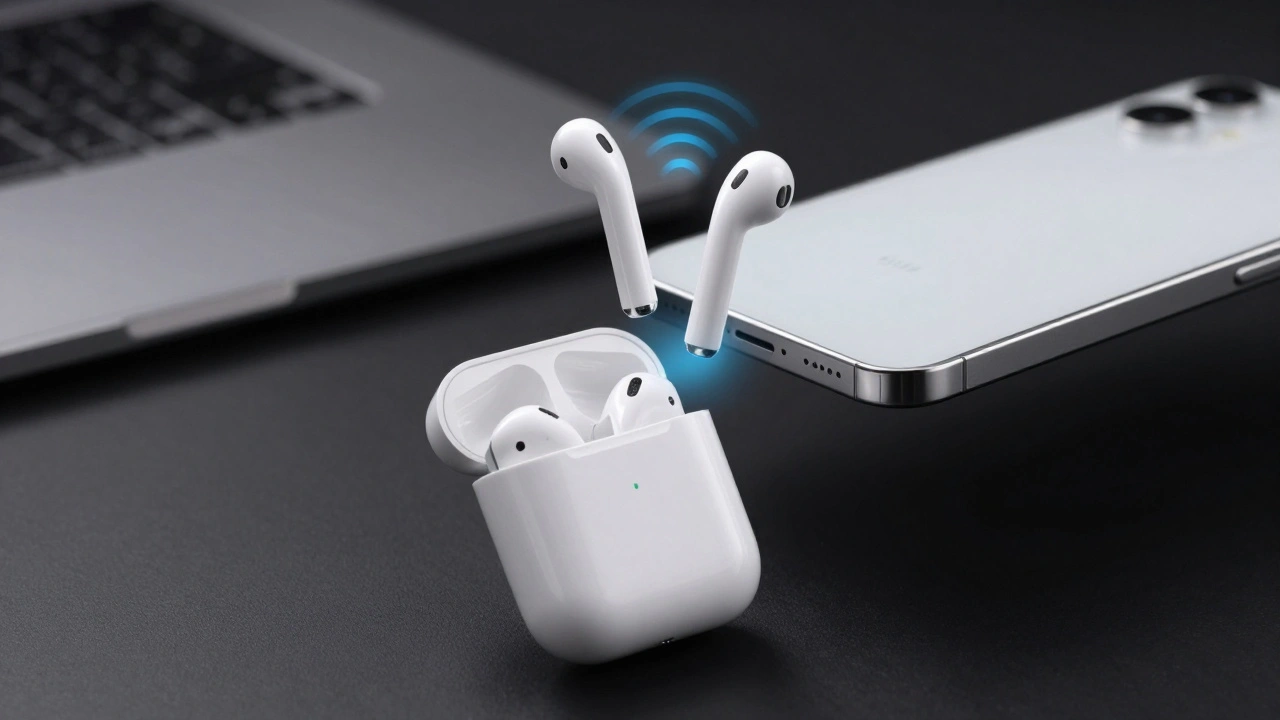
Explore how Apple designs instant recognition and low-friction pairing flows using Nearby Interaction, DockKit, and spatial cues to minimize user effort.
The Cost of Simplicity: Why Apple Pays to Hide Complexity
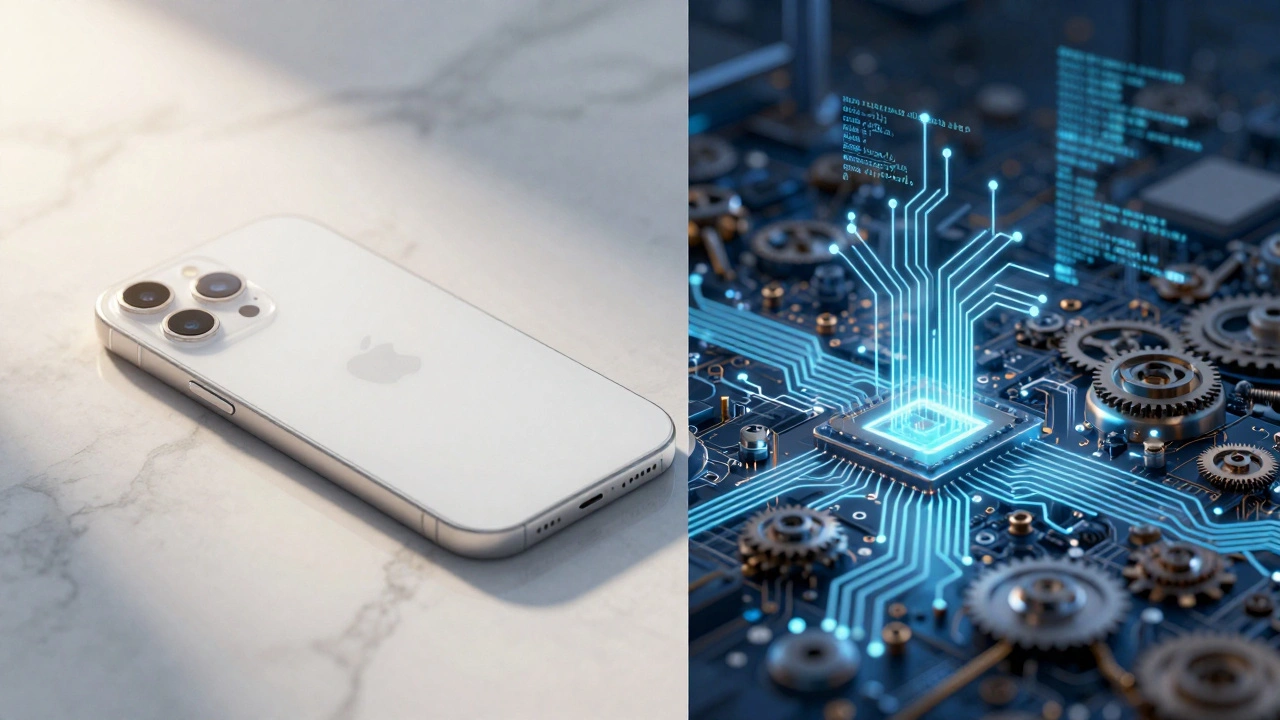
Explore why Apple invests billions to hide technical complexity. Learn how Ken Segall's insights reveal the high cost of simplicity in design, engineering, and organizational discipline.
Shared iPad Setup: Privacy, Accounts, and Classroom Management Guide

A guide to setting up Shared iPad for classrooms, covering Managed Apple IDs, MDM configuration, privacy safeguards, and using the Classroom app for effective student management.
Activity Rings by Design: Why Gamified Health Metrics Stay Intuitive
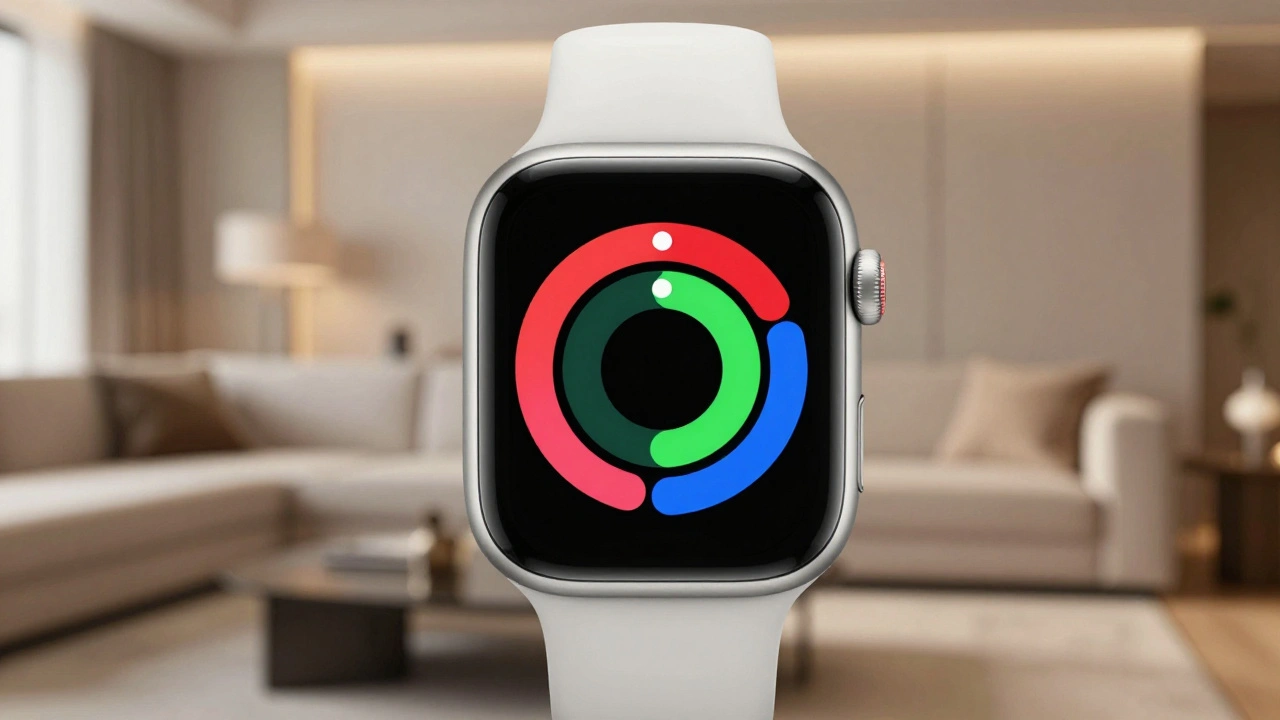
Explore why Apple's Activity Rings succeed as a UX design masterpiece. Learn how gamification, simplicity, and psychology combine to create intuitive health metrics that drive real behavioral change.
Evans Hankey’s Exit: How Apple’s Design Leadership Shifted from Jony Ive to Jeff Williams

Explore Evans Hankey's short tenure as Apple's VP of Industrial Design and the surprising decision to eliminate her role, shifting design leadership to COO Jeff Williams.
WatchOS Navigation Evolution: Why Apple Dropped Force Touch for Gestures
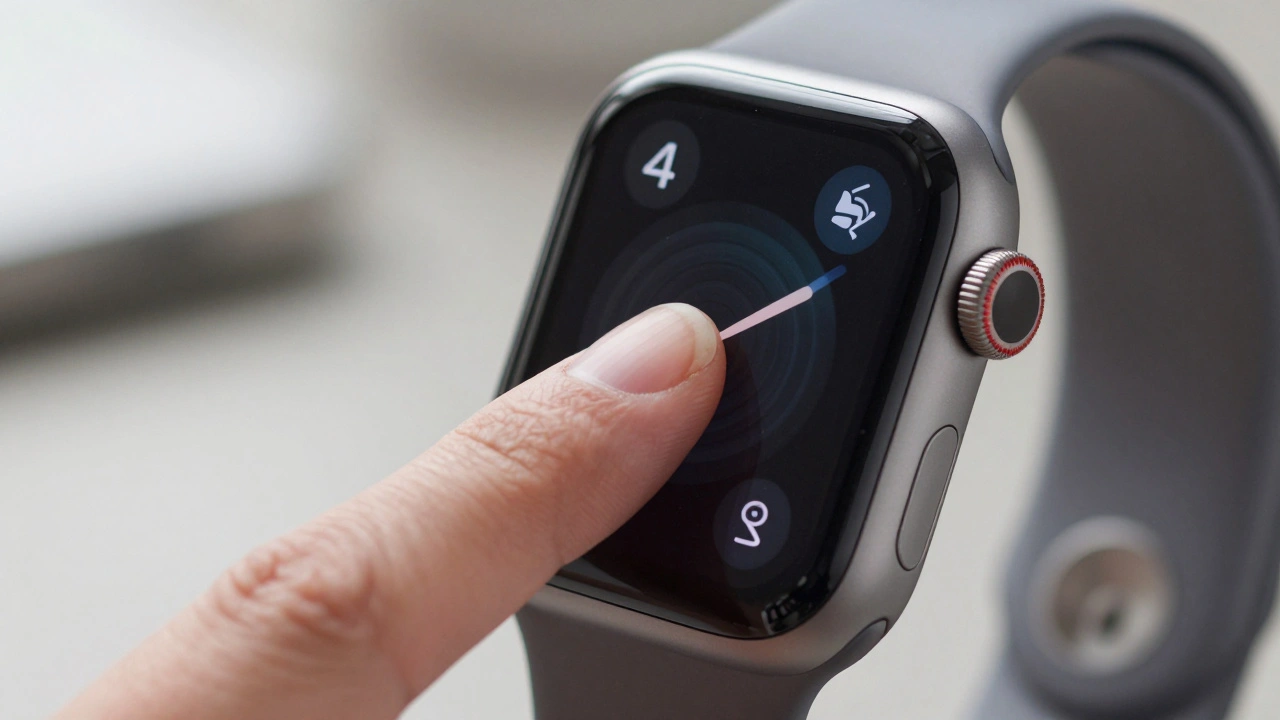
Explore how watchOS navigation evolved from Force Touch to simplified gestures. Learn why Apple made this change and how to adapt.
Animating SF Symbols on Apple: Mastering Draw and Variable Rendering
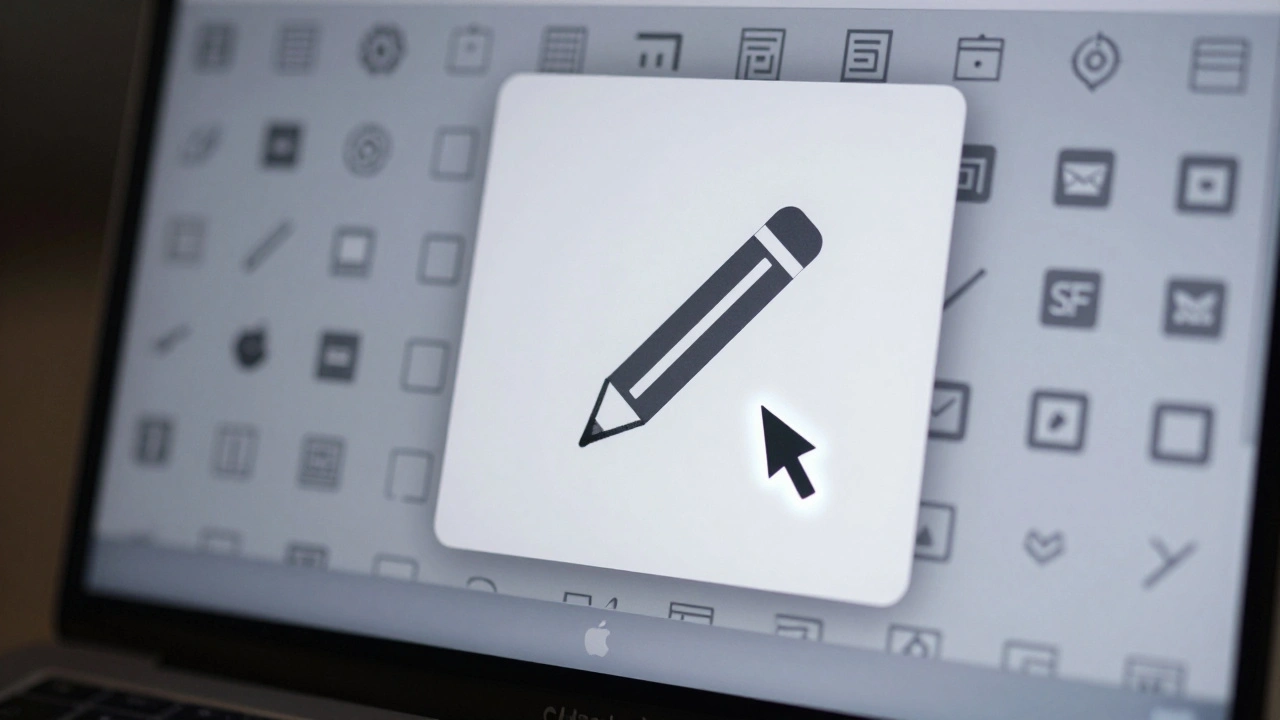
Learn how to animate SF Symbols in iOS 18 using the new Draw effect and Variable Rendering modes. Discover how to create organic stroke animations and data-driven icons with SwiftUI.