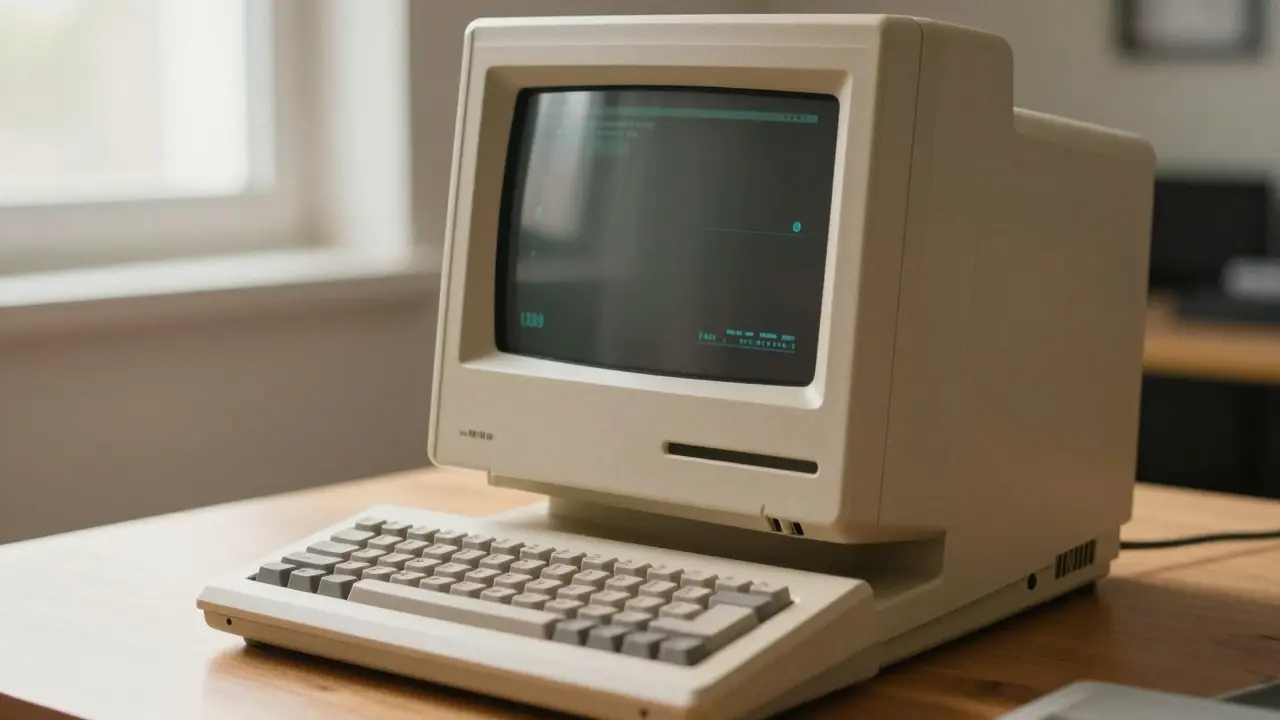

Imagine a computer that looks like a toy. No floppy drive slot on the front, no separate keyboard box, no monitor sitting on top of a tower. Just a beige plastic shell with a screen and keys built right into it. When Apple unveiled the Macintosh is the first mass-market personal computer to feature a graphical user interface (GUI) and mouse as standard hardware in January 1984, most industry experts thought it was a gimmick. They were wrong. The Mac didn’t just change how we interacted with software; it redefined what a computer looked like. It proved that technology could be approachable, friendly, and even beautiful.
The core problem the Mac solved wasn't processing power-it was usability. Before 1984, using a computer meant memorizing text commands like "DIR" or "COPY." If you made a typo, you started over. The Macintosh introduced the desktop metaphor: icons for files, folders for organization, and a trash can for deletion. This shift from command-line to point-and-click lowered the barrier to entry so drastically that non-technical users-writers, artists, teachers-could finally use computers without hiring a programmer.
The Birth of the All-in-One Form Factor
The decision to build an all-in-one (AIO) machine was a radical departure from the industry standard at the time. Most PCs, including the IBM PC, used a modular design: a CPU tower, a CRT monitor, and a separate keyboard. This setup took up significant desk space and required multiple cables. Apple’s industrial designer, Jerry Manock was a key figure in the early Macintosh team who helped define the physical constraints of the device, worked closely with engineers to fit everything into a single enclosure. The result was a 12-inch color display integrated directly above the keyboard. This integration wasn't just aesthetic; it reduced cable clutter and made the device feel like a self-contained appliance rather than a collection of parts.
This form factor had practical implications beyond looks. By housing the processor, memory, and display in one unit, Apple controlled the entire user experience. There was no confusion about which component was causing a glitch. For the consumer, it simplified setup. You plugged in the power cord, turned it on, and you were ready. This simplicity became a hallmark of Apple’s design philosophy for decades to come, influencing everything from the iMac G3 in 1998 to the modern iMac M3.
Design Constraints and Engineering Challenges
Fitting a functional computer into a small, plastic case was an engineering nightmare. The original Macintosh 128K model contained only 128KB of RAM, which was minuscule by today's standards but sufficient for its GUI-based tasks. The lack of internal expansion slots meant the machine was not upgradeable. You bought it, and that was it. This limitation was actually a strategic choice. By limiting hardware complexity, Apple could focus resources on optimizing the operating system and the hardware-software integration. The result was a system that felt fast and responsive despite its modest specs.
The plastic casing itself was a breakthrough. Apple used a new type of polycarbonate blend that was durable yet lightweight. The color was a specific shade of beige that matched the era's office aesthetics while feeling warmer than the gray metal of corporate machines. The rounded edges softened the industrial look, making the device less intimidating. These design choices signaled that computers were for people, not just for data centers.

The Role of the Graphical User Interface
Hardware alone doesn't make a revolution. The Macintosh’s true innovation was its partnership between hardware and software. The GUI, developed by Apple engineers based on concepts seen at Xerox PARC, allowed users to see what they were doing. Icons represented actions. Menus provided options. The mouse, a simple two-button device, acted as a digital pointer. This triad-screen, icon, mouse-became the universal language of computing. Even though other companies later adopted similar interfaces, the Macintosh popularized them for the mass market.
The impact on creative industries was immediate. Desktop publishing tools like Aldus PageMaker ran exclusively on the Mac initially, allowing designers to create professional layouts on their own desks. Word processors like Microsoft Word benefited from WYSIWYG (What You See Is What You Get) editing, which eliminated the disconnect between typed text and printed output. This capability transformed offices, schools, and homes, turning the computer from a calculator into a communication tool.
Cultural Impact and Legacy
The launch of the Macintosh was accompanied by the famous "1984" Super Bowl commercial directed by Ridley Scott. While the ad focused on the anti-establishment narrative, the product itself delivered a quiet revolution in daily life. The Macintosh became a symbol of creativity and individualism. It appealed to those who wanted technology to serve their ideas, not the other way around. This cultural positioning helped Apple build a loyal customer base that persists today.
Decades later, the all-in-one form factor remains relevant. Modern iMacs continue to integrate high-resolution displays with powerful processors in a sleek aluminum chassis. The principles established in 1984-simplicity, integration, and user-centric design-are still visible in every Apple product. The Macintosh proved that good design isn't just about how something looks; it's about how it makes you feel when you use it. It removed friction and added delight, setting a standard that competitors are still trying to match.
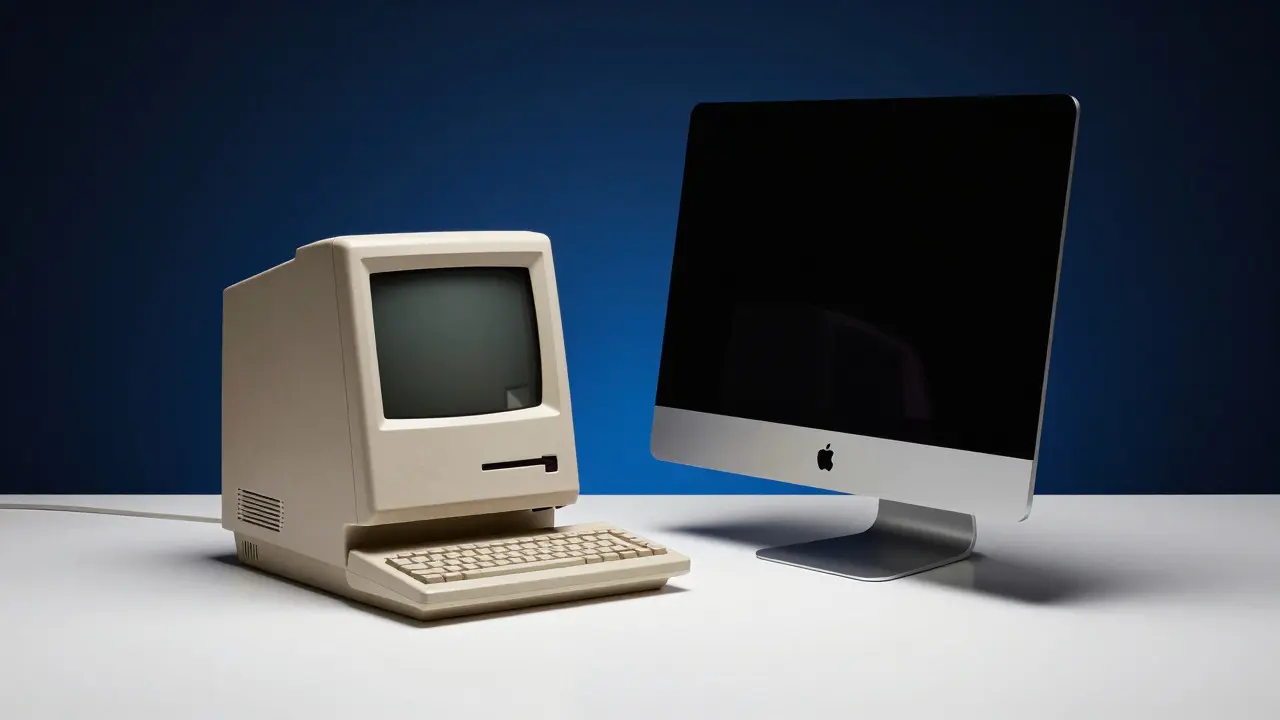
Comparing the Original Macintosh to Modern AIOs
To understand the magnitude of the 1984 release, let's compare it to its modern descendant, the iMac M3. The differences highlight how far technology has come while showing that the core design philosophy remains intact.
| Feature | Macintosh 128K (1984) | iMac M3 (2024) |
|---|---|---|
| Display Size | 9 inches (monochrome) | 24 inches (Retina 4.5K) |
| Processor | MOS 6502 @ 8 MHz | Apple M3 Chip |
| Memory | 128 KB RAM | 8 GB - 24 GB Unified Memory |
| Storage | 400 KB Hard Drive | 256 GB - 2 TB SSD |
| Input Device | Single-button Mouse | Magic Mouse / Trackpad |
| Primary Use Case | Word Processing, Education | Creative Work, Productivity, Streaming |
While the specs have exploded in scale, the user experience has remained consistent. Both devices prioritize ease of use over raw configurability. Both hide complex components behind a clean interface. The evolution from the 1984 Mac to the 2024 iMac is a testament to the enduring power of thoughtful design.
Frequently Asked Questions
Why was the Macintosh considered revolutionary in 1984?
The Macintosh was revolutionary because it was the first mass-market computer to combine a graphical user interface (GUI), a mouse, and an all-in-one form factor. This combination made computers accessible to non-technical users by replacing complex text commands with intuitive visual elements.
What was the main disadvantage of the original Macintosh?
The primary disadvantage was its lack of expandability. Unlike the IBM PC, the Macintosh had no internal slots for adding extra memory or peripherals. Users were locked into the hardware configuration they purchased, which limited its appeal to power users who needed custom setups.
How did the Macintosh influence modern computer design?
The Macintosh established the all-in-one form factor and the importance of integrating hardware and software for a seamless user experience. Its focus on aesthetics and simplicity influenced not only subsequent Apple products but also the broader industry, leading to the adoption of GUIs and streamlined designs in almost all personal computers today.
Who designed the original Macintosh?
The design was a collaborative effort led by Jerry Manock, who managed the industrial design team, and Jeff Raskin, who initiated the project. Engineers like Dan Kott and Bud Tribble played crucial roles in defining the technical specifications and physical layout that made the all-in-one concept feasible.
Is the all-in-one form factor still popular today?
Yes, the all-in-one form factor remains popular, particularly in education, retail, and home office environments where desk space is limited and simplicity is valued. Brands like Apple, HP, and Lenovo continue to produce AIO computers, leveraging the same principles of integration and ease of use pioneered by the 1984 Macintosh.

Categories
Popular Articles