Tag: Apple design
Steve Jobs’ Design Vision: Turning Elegance and Simplicity into Strategy


Discover how Steve Jobs used simplicity and elegance as core business strategies. Learn how cutting features, harmonizing hardware and software, and focusing on materiality transformed Apple into a design leader.
SF Symbols 7: A Developer’s Guide to Animations, Gradients, and Magic Replace
Discover how SF Symbols 7 transforms Apple app design with native animations, gradient support, and Magic Replace. Learn implementation tips, performance best practices, and workflow integration for SwiftUI developers.
How the Original iPhone Reimagined Phone Interaction with Multitouch and On-Screen Keyboard
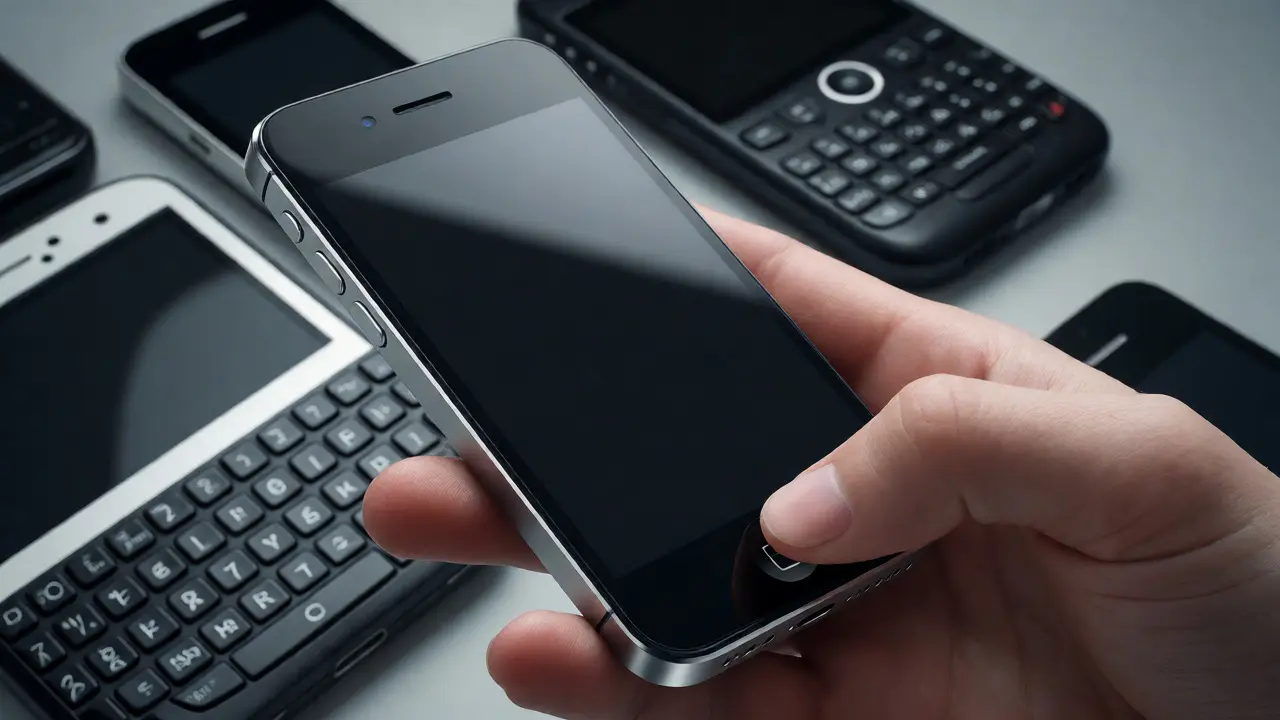
Discover how the original iPhone revolutionized mobile interaction by replacing physical keyboards with dynamic on-screen inputs and introducing intuitive multitouch gestures.
Color Blindness in Apple Apps: Semantic Tints and Pattern Design
Discover how semantic tints and patterns enhance color blindness accessibility in Apple apps. Learn practical strategies for inclusive UI design.
SF Pro Text vs. Display: Typography Scales for Apple Component Libraries
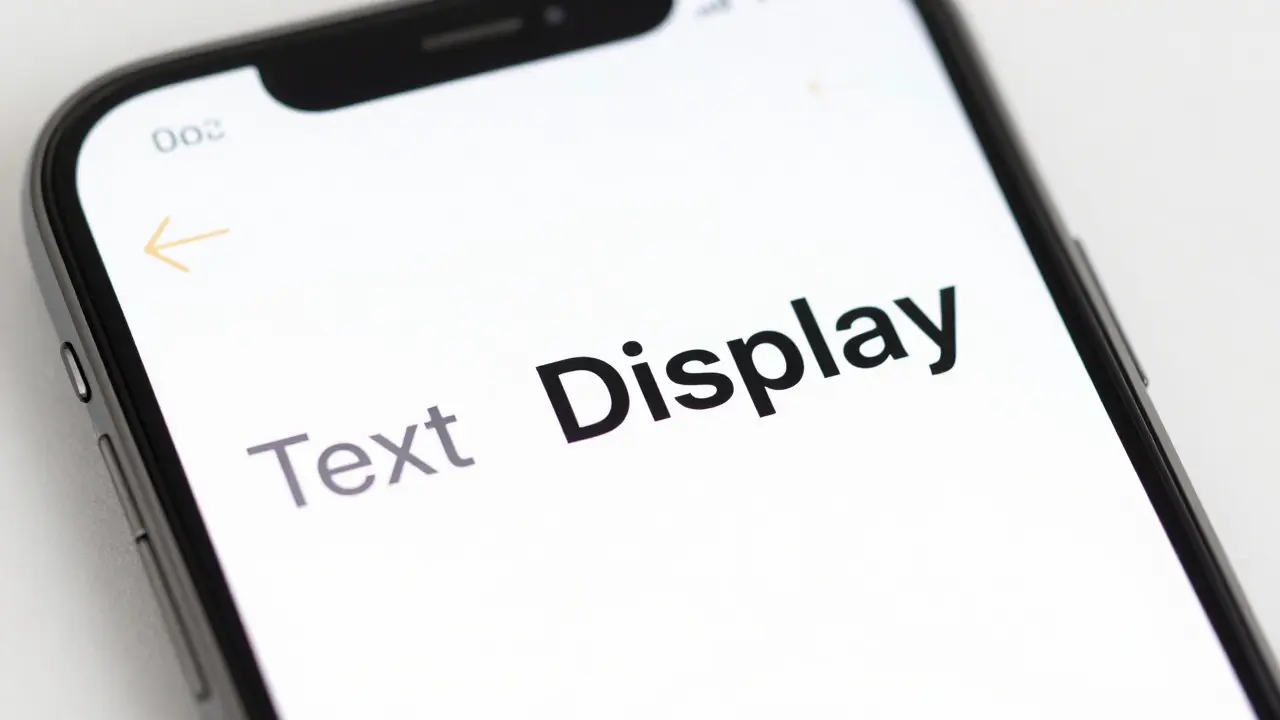
Learn how to correctly implement SF Pro Text and Display variants in your component libraries. Understand the 20pt optical size threshold and how to set up design tokens for consistent typography across Apple platforms.
MacBook Keyboard and Trackpad: Designing Tactile Consistency Across Mac
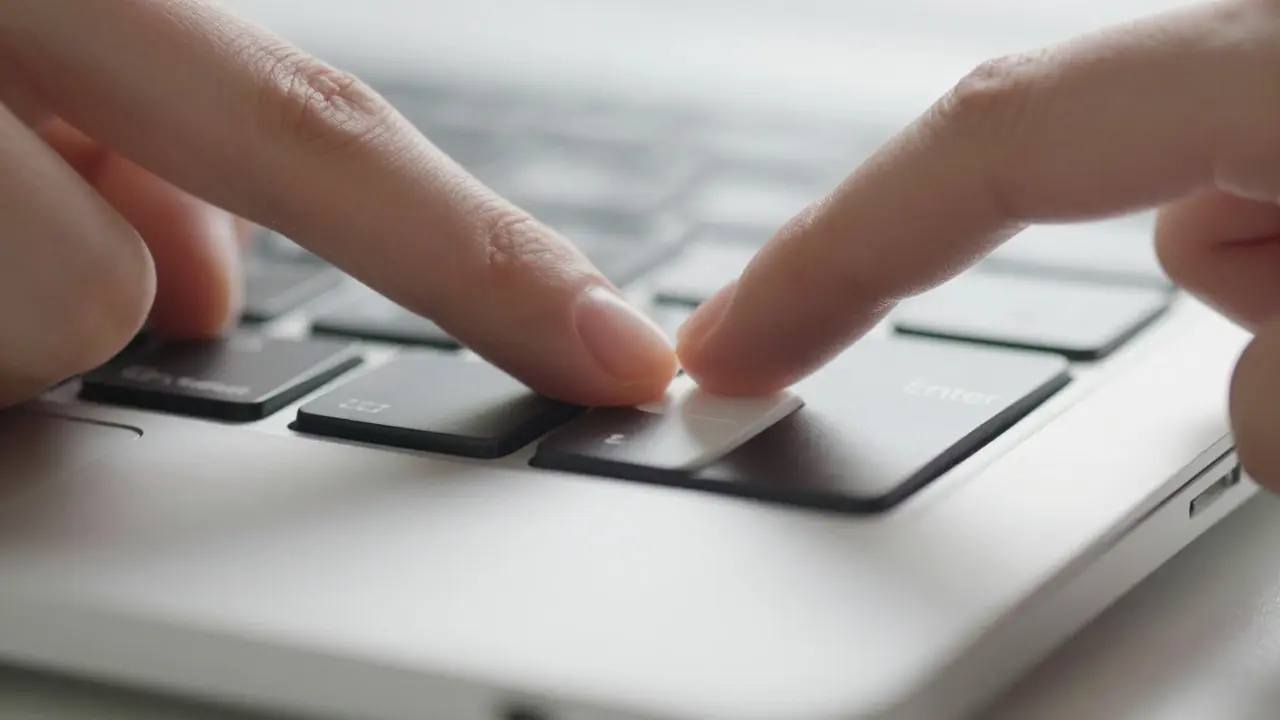
Explore how Apple engineers design tactile consistency in MacBook keyboards and trackpads, balancing mechanical precision with haptic innovation for a seamless user experience.
Recycled Materials in Apple Hardware: Aesthetic Without Compromise
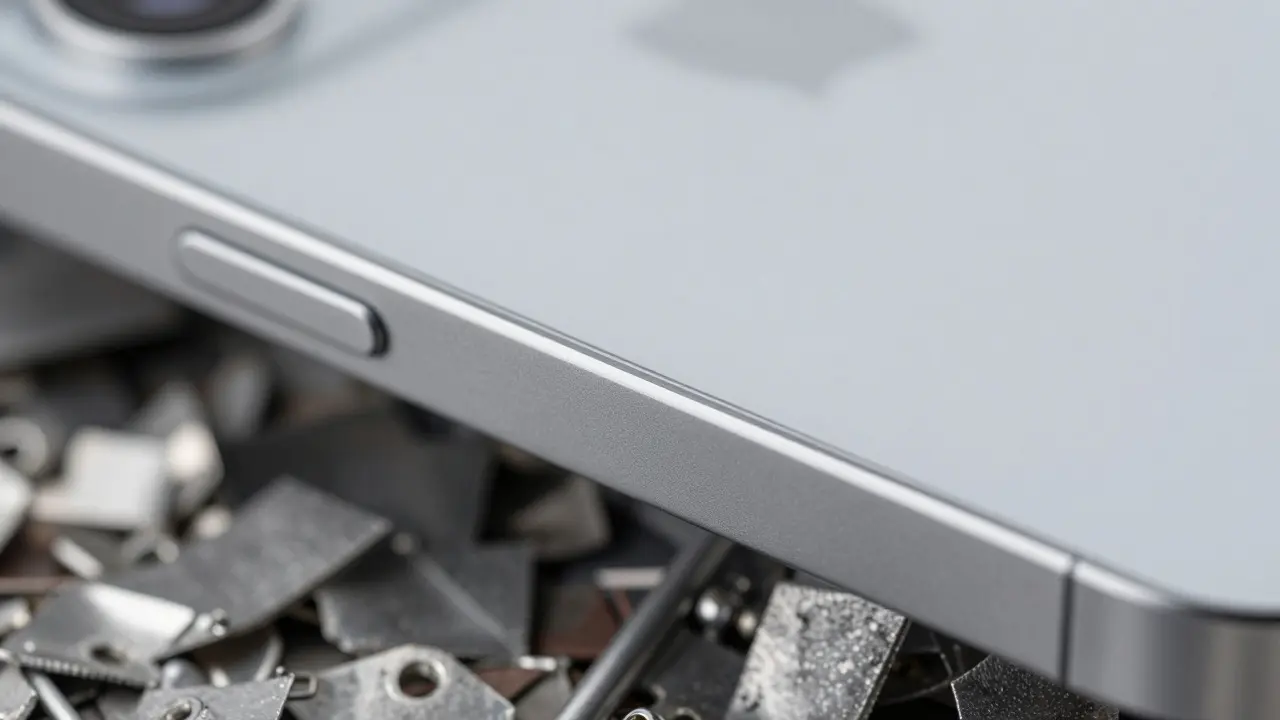
Discover how recycled aluminum and plastic now match virgin materials in quality and finish. Learn about the engineering behind sustainable Apple hardware and why aesthetics don't require compromise.
The iPhone Packaging Patent: Why Apple Invested in Box Innovation
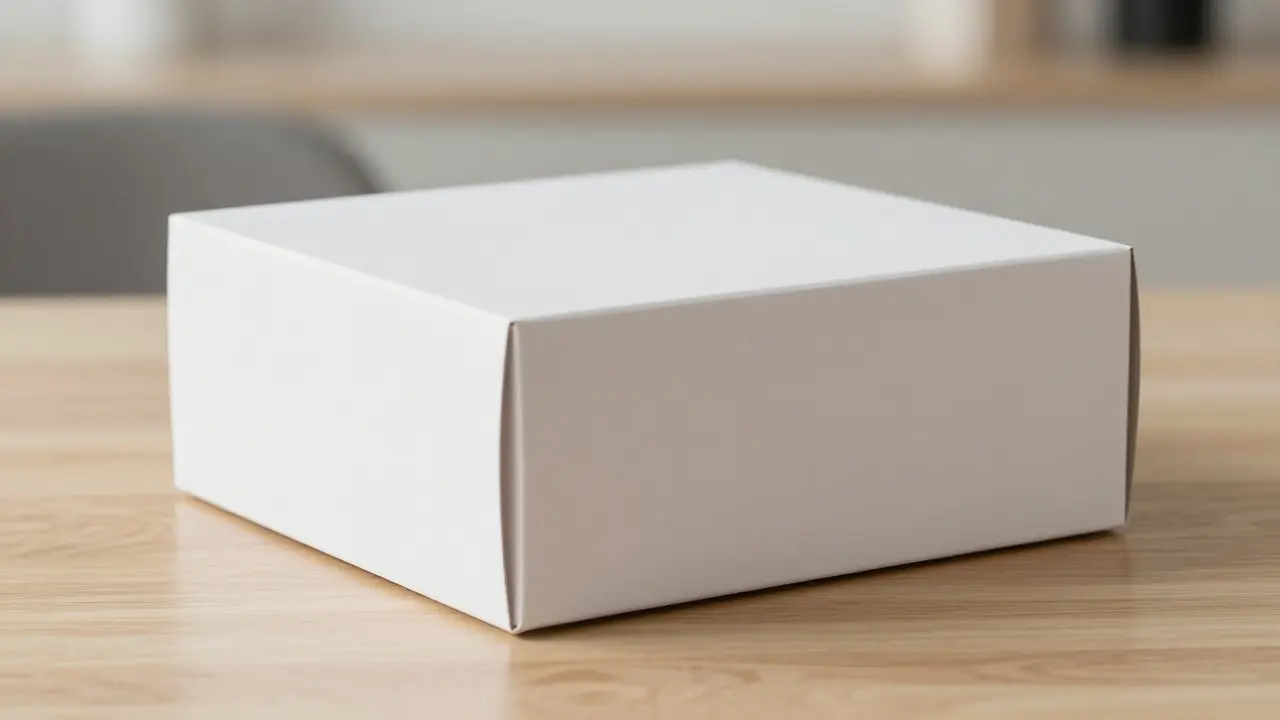
Discover how Apple turned the iPhone box into a strategic asset. Explore the patents, psychology, and sustainability behind the iconic unboxing experience.
Liquid Glass: How Apple's New Design Language Unifies Its Ecosystem
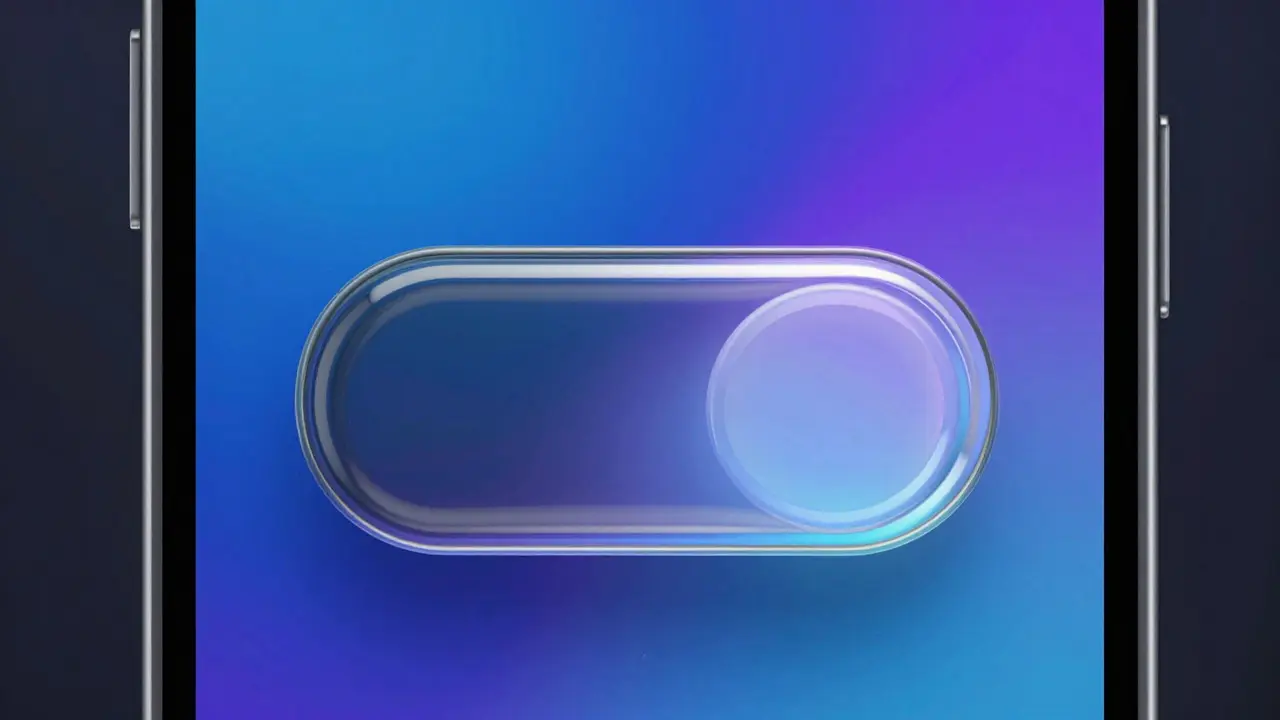
Discover how Apple's new Liquid Glass design unifies the look and feel across iPhones, Macs, and iPads. Learn about the technical changes, battery impacts, and practical benefits for users and developers.
Designing Third-Party Apps for Liquid Glass: A Developer's Guide
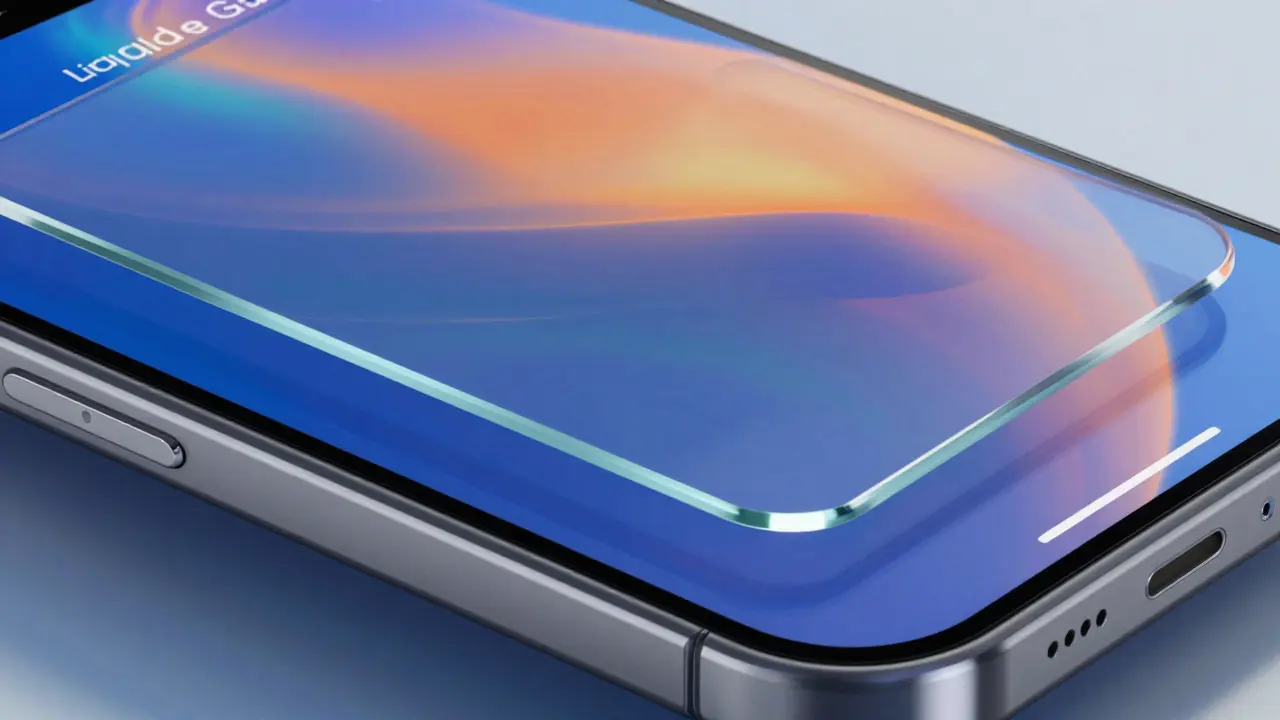
Learn how to design third-party apps for Apple's new Liquid Glass aesthetic. We cover technical tips, common pitfalls, and accessibility best practices for developers.
Apple's Design Strategy: How Transparency and Translucency Build Trust
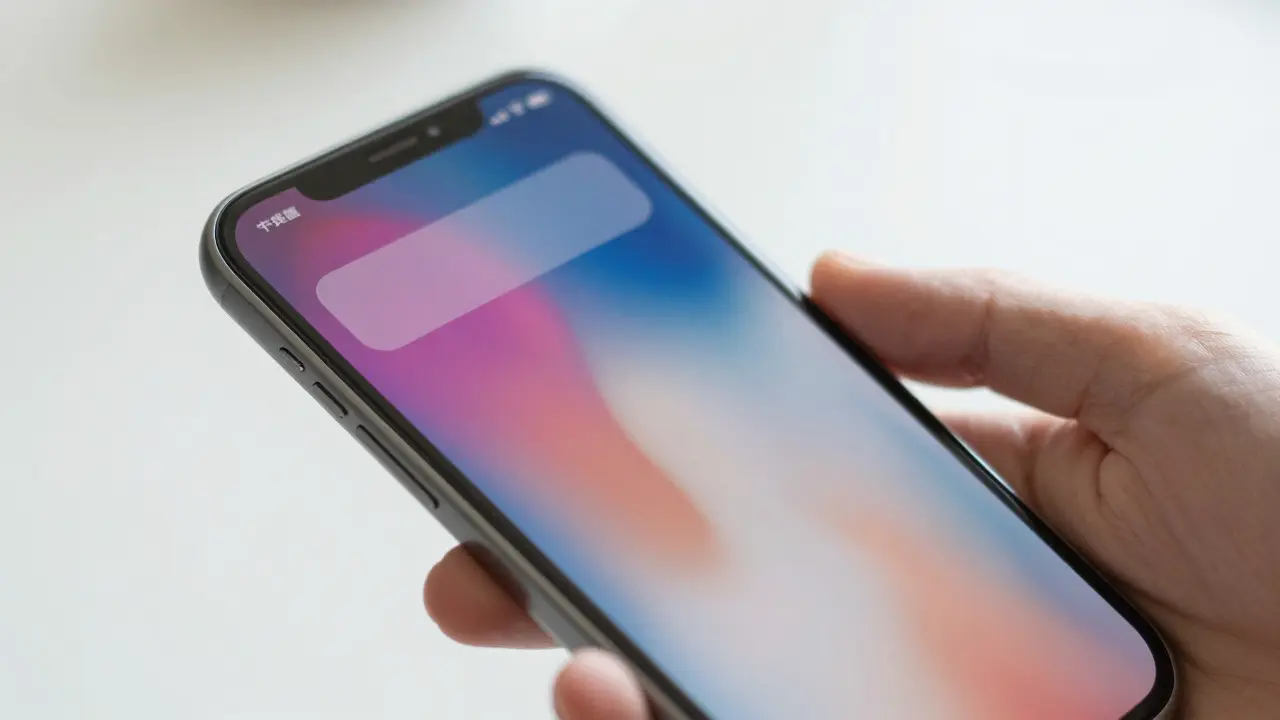
Discover how Apple uses transparency and translucency to make technology feel friendly. Learn the history, psychology, and practical tips for applying these design principles.
Less but Better: How Dieter Rams’ Philosophy Shaped Apple’s Design

Explore how Dieter Rams' 'less but better' philosophy shaped Apple's design through Jonathan Ive, influencing modern tech aesthetics, sustainability, and user experience across the industry.