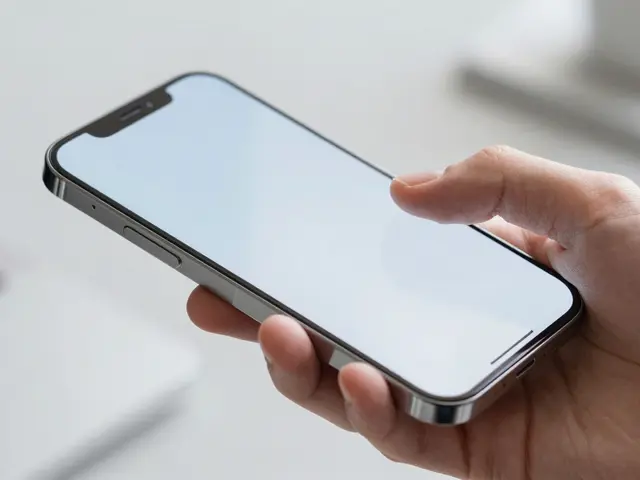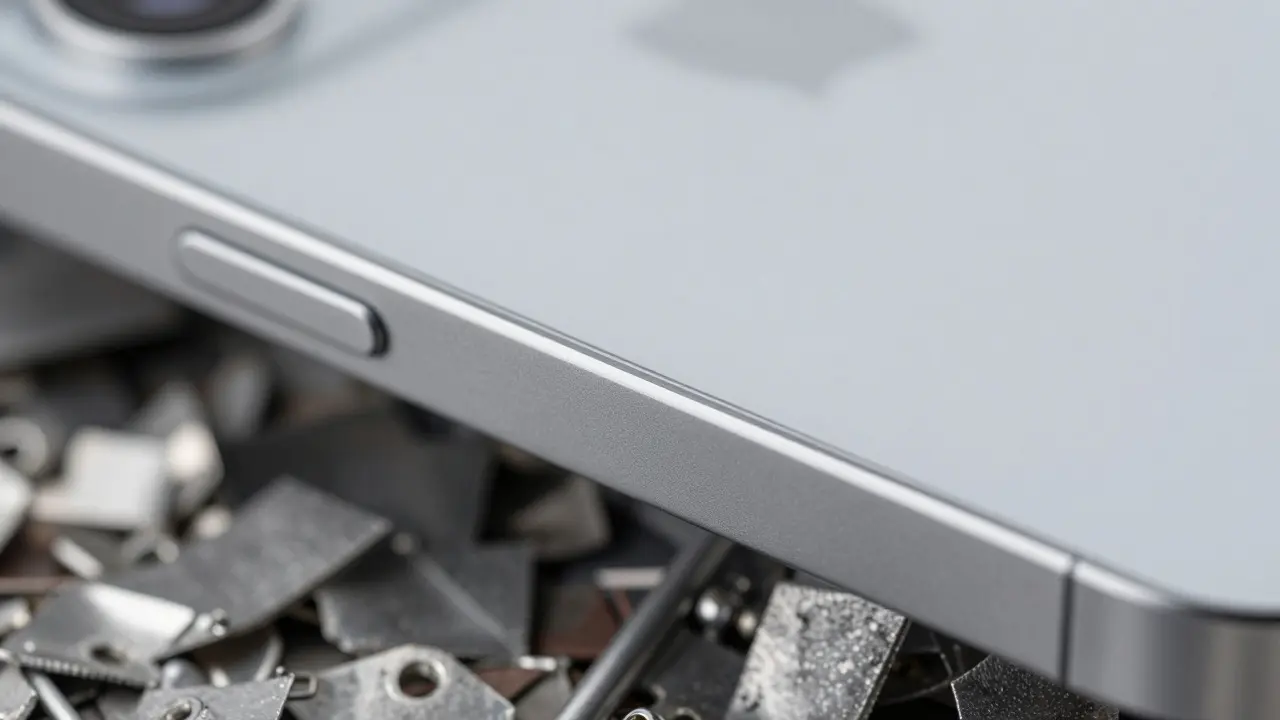

When you hold an iPhone or a MacBook Pro, the first thing you notice is how it feels. It’s smooth, cool to the touch, and perfectly balanced. For years, that premium feel was synonymous with virgin metals and rare earth elements. But something shifted. Apple didn’t just add a green label; they changed the physical substance of their devices. The core question isn't just "is it eco-friendly?" but "does recycled material look and feel as good as the original?" The short answer is yes, and here is why the industry is betting on this shift.
The Shift from Virgin Metals to Recycled Content
Recycled aluminum is aluminum derived from post-consumer scrap rather than bauxite ore mining. In the context of consumer electronics, this material has become the backbone of sustainability efforts. Why? Because refining new aluminum is energy-intensive. Producing one ton of primary aluminum requires roughly 14 megawatt-hours of electricity. In contrast, recycling it takes only about 5% of that energy. This efficiency doesn't just lower the carbon footprint; it allows manufacturers to scale production without depleting natural reserves at the same rate.
Apple began this transition aggressively around 2020. By using 100% recycled aluminum in the chassis of the iPhone 12 and subsequent models, they set a benchmark. But the challenge wasn't just sourcing; it was purity. High-end hardware demands consistency. If the metal has impurities, the finish suffers. You might see speckles, uneven coloring, or structural weaknesses. To solve this, engineers developed advanced filtration techniques during the melting process. These filters remove contaminants down to microscopic levels, ensuring the final alloy behaves exactly like its virgin counterpart.
Why Aesthetics Matter in Premium Hardware
In the premium tech market, aesthetics are not superficial; they are functional. A device needs to inspire trust. If a laptop looks cheap, users assume the internals are cheap too. This psychological link is powerful. That is why Material finish is the surface treatment applied to hardware components to enhance visual appeal and tactile experience. For Apple, this means precise control over texture, color, and durability.
Recycled materials used to have a reputation for being "rougher." Early attempts at using recycled plastics in electronics often resulted in brittle casings or faded colors. Today, that stigma is fading. Modern Recycled plastic is polymer material recovered from waste streams and reprocessed into raw feedstock. When properly compounded, it offers the same rigidity and heat resistance as new plastic. In fact, some recycled polymers perform better in specific stress tests because the molecular chains have been pre-broken down, allowing for more uniform distribution when remolded. This means your phone case won't crack after six months, and the color won't fade under sunlight.
The Engineering Behind the Finish
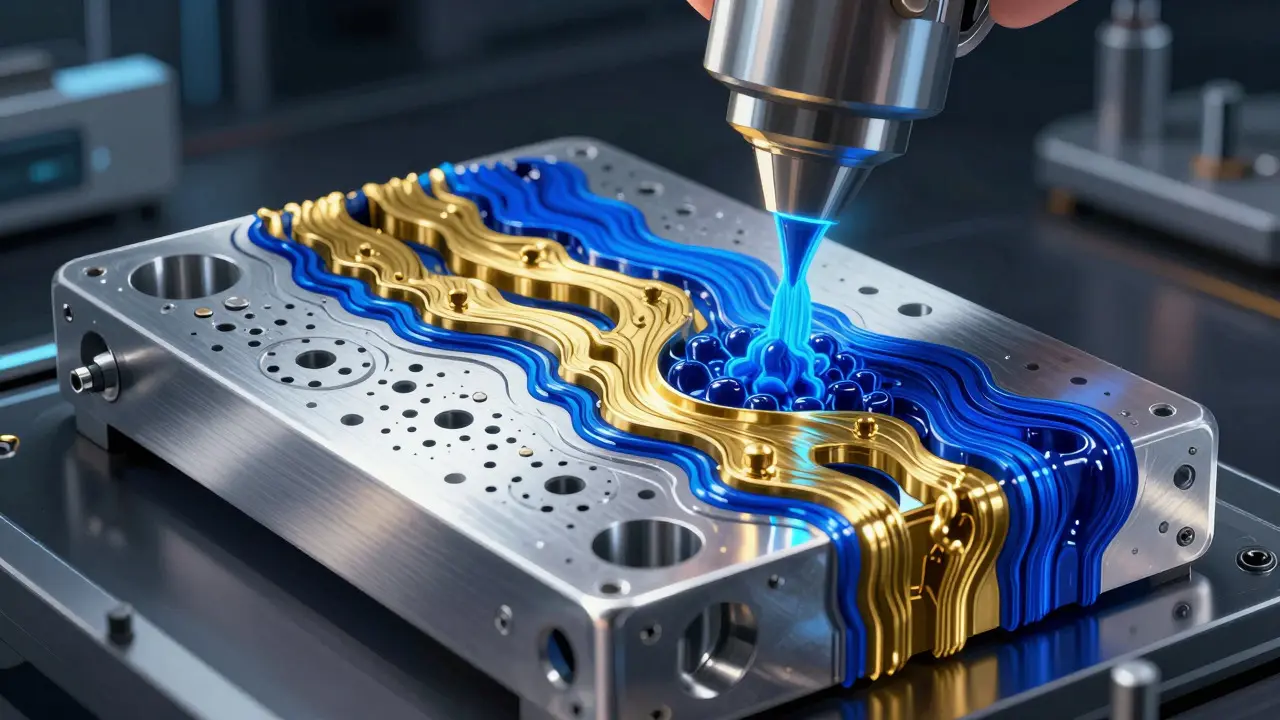
Getting the metal to look right is half the battle. The other half is making it last. Anodization is an electrochemical process that converts the metal surface into a durable, corrosion-resistant oxide layer. This is where the magic happens for recycled aluminum. During anodization, the surface of the metal expands slightly, creating a porous structure. Engineers then inject dyes into these pores. Finally, the pores are sealed. The result is a color that is part of the metal itself, not a paint job that can chip off.
This process works identically on recycled and virgin aluminum. However, there is a nuance. Recycled aluminum often contains trace amounts of different alloys depending on the source material (e.g., old car parts vs. beverage cans). To maintain a consistent aesthetic across millions of units, manufacturers use spectroscopic analysis before melting. They blend batches of scrap to achieve a specific chemical composition. This ensures that every unit of the MacBook Air has the exact same shade of silver or gold, regardless of where the raw material came from.
Comparing Recycled and Virgin Material Performance
Does recycled material actually match the performance of virgin material? Let's look at the data. We compared key attributes of recycled aluminum versus virgin aluminum in high-end consumer electronics applications.
| Attribute | Virgin Aluminum | Recycled Aluminum |
|---|---|---|
| Energy Consumption per kg | High (~14 kWh) | Low (~0.7 kWh) |
| Corrosion Resistance | Excellent | Equivalent |
| Surface Uniformity | Consistent | Consistent (with advanced filtration) |
| Tensile Strength | Standard Grade | Standard Grade |
| Carbon Footprint Reduction | Baseline | ~95% Lower |
The table highlights a critical point: there is no trade-off in quality. The tensile strength and corrosion resistance remain identical. The only difference is the environmental cost. This makes the argument for recycled materials straightforward. You get the same product, but with a significantly smaller ecological impact.
Challenges in Scaling Sustainable Design
If it's so easy, why isn't everything made from recycled materials? The answer lies in supply chain complexity. Sourcing consistent, high-purity scrap is difficult. Not all aluminum is created equal. Some sources contain lead or copper contamination, which can ruin a batch if not filtered out. This requires sophisticated sorting facilities and real-time monitoring systems. Companies invest heavily in Circular economy strategies, which focus on keeping products and materials in use for as long as possible.
Another challenge is consumer perception. Many users still associate "recycled" with "lower quality." Marketing teams spend significant effort educating consumers that recycled does not mean second-hand. It means re-manufactured. The goal is to make sustainability a feature, not a compromise. When a user sees a badge saying "100% Recycled Aluminum," they should feel proud, not skeptical. Achieving this mindset shift requires consistent quality over many product cycles.
The Future of Material Innovation
We are moving beyond just aluminum and plastic. The next frontier includes Recycled glass for display covers and Recycled steel for internal frames. Glass recycling is particularly interesting because it can be melted and reshaped infinitely without losing quality. Unlike plastic, which degrades over time, glass remains stable. This opens up possibilities for sleeker, thinner designs that were previously impossible due to weight constraints.
Additionally, researchers are looking into bio-based materials. Imagine a keyboard frame made from plant-based polymers that are fully biodegradable at the end of its life. While this is still in the experimental phase, it represents the logical next step. The combination of recycled metals and bio-based plastics could create devices that are not only sustainable but also lighter and more durable. The aesthetic potential is huge. Natural textures and organic colors could redefine what "premium" looks like.
Practical Implications for Consumers
What does this mean for you as a buyer? First, check the specifications. Look for explicit mentions of recycled content percentages. Second, pay attention to the finish. If the surface feels uniform and the colors are deep, the manufacturing process is likely robust. Third, consider the longevity. Devices made with high-quality recycled materials are built to last. This aligns with the circular economy principle: keep using your device for as long as possible. Upgrading less frequently reduces electronic waste, which is one of the fastest-growing waste streams globally.
Finally, support brands that commit to transparency. Companies that publish detailed reports on their material sourcing are more likely to deliver on their promises. This transparency builds trust and drives industry-wide change. When one major player proves that recycled materials can meet premium standards, others follow suit. The result is a healthier planet and better products for everyone.
Is recycled aluminum weaker than virgin aluminum?
No. Once melted and refined, recycled aluminum has the same molecular structure and mechanical properties as virgin aluminum. Advanced filtration removes impurities, ensuring equivalent strength and durability.
Do recycled materials affect the color consistency of devices?
Not if proper quality control is in place. Manufacturers use spectroscopic analysis to blend scrap batches, ensuring uniform chemical composition. This guarantees consistent color and finish across all units.
How much energy is saved by using recycled aluminum?
Using recycled aluminum saves approximately 95% of the energy required to produce primary aluminum from bauxite ore. This makes it a highly efficient choice for large-scale manufacturing.
Can recycled plastic be used in premium electronics?
Yes. Modern recycled plastics are reprocessed into high-grade feedstock that matches the performance of virgin plastic. They offer similar rigidity, heat resistance, and aesthetic quality when properly compounded.
What is the main challenge in scaling recycled material usage?
The primary challenge is sourcing consistent, high-purity scrap. Contamination from different types of waste can affect the final product's quality, requiring sophisticated sorting and filtration systems.