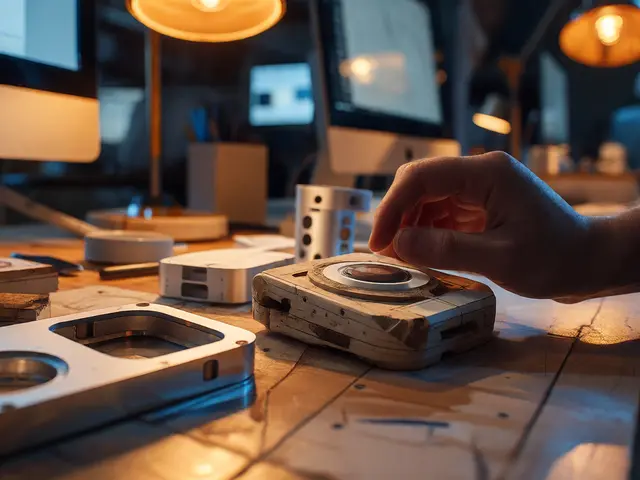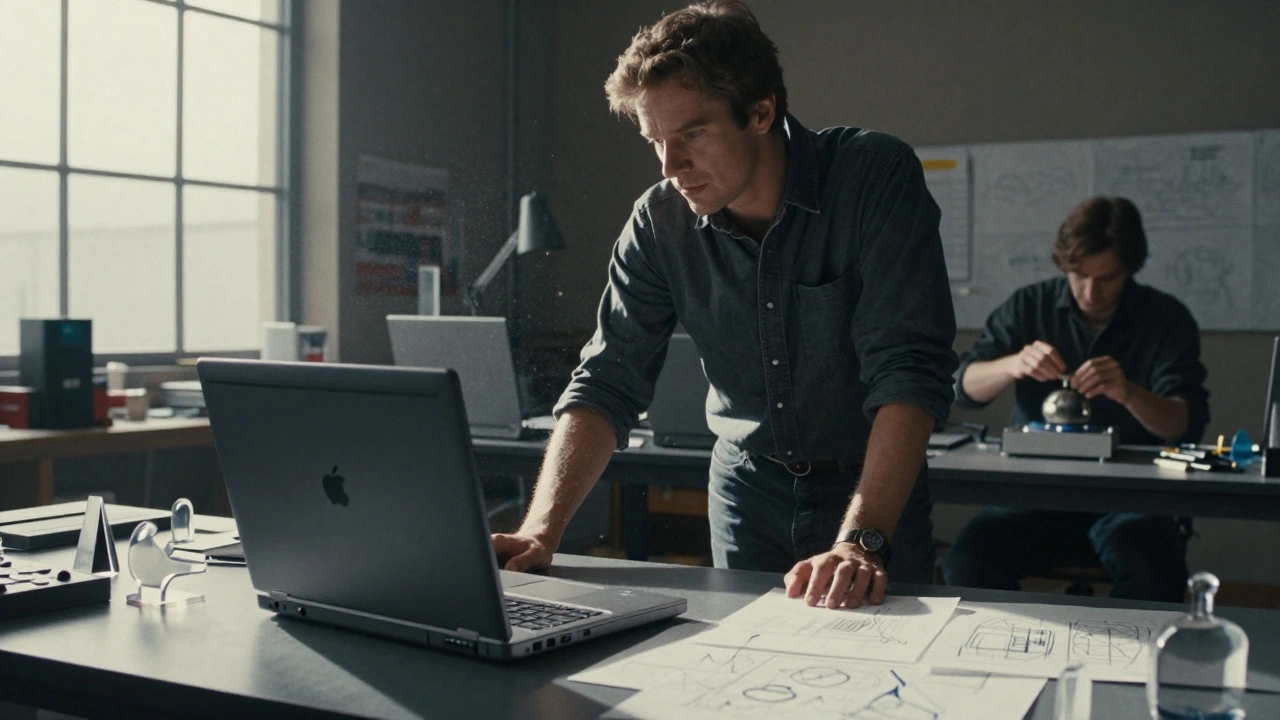

When you think of Apple’s design revolution in the 1990s, you probably picture the iMac’s colorful curves or the sleek white iPod. But before those icons existed, there was a quiet, deliberate rebuild happening inside Apple - one led by a single man: Robert Brunner is a former Director of Industrial Design at Apple who rebuilt the company’s design team in the early 1990s and hired Jonathan Ive. Also known as Brunner of Apple, he joined Apple in 1990 after co-founding Lunar Design, a pioneering Bay Area design firm.
Here’s the truth most people miss: Apple didn’t have a real design team in 1990. The company was struggling. Products were inconsistent. The Macintosh was aging. The Lisa had flopped. And the competition? IBM’s ThinkPad LTE was half the weight of Apple’s laptops. Engineers were told to make things lighter. Designers were told to make things prettier. No one was in charge. That changed when Brunner walked in.
Building a Design Team from Scratch
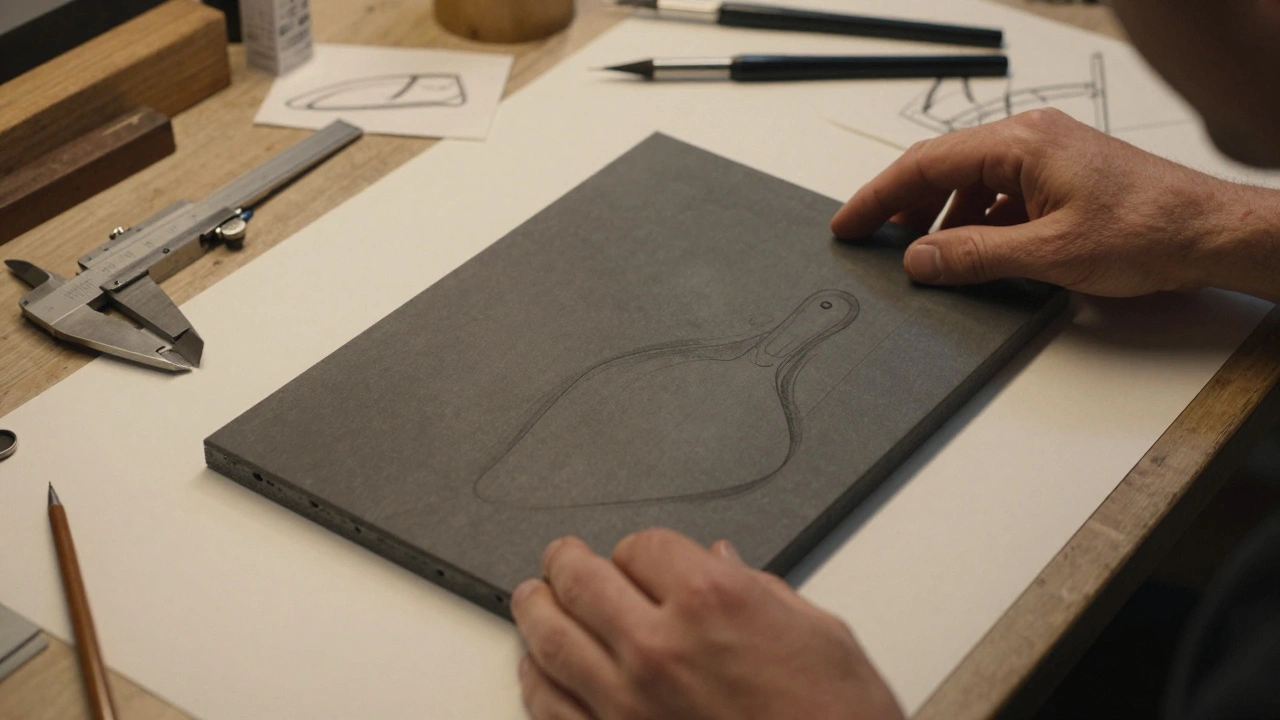
Brunner didn’t just show up to tweak product shapes. He built an entire system. He hired machinists who could carve acrylic models accurate to 5,000ths of an inch. He insisted on custom paper for design sketches - because if the product had to look perfect, so should the drawings that defined it. He treated design like a craft, not a step in a checklist.
He didn’t just want好看的 products. He wanted a process. That meant creating a space where designers could talk to engineers, where prototypes were made fast, and where failure wasn’t punished - it was studied. He called himself a "slab designer," referring to how he approached the Macintosh’s rear housing: thick, solid, intentional. Not decorative. Functional. Honest.
And then there was the hiring.
One name keeps coming up in every story about Apple’s design rise: Jonathan Ive is a British designer hired by Robert Brunner in 1992 who later became Apple’s Chief Design Officer and led the development of the iMac, iPod, and iPhone. Ive had just left his job at a London design studio. He’d applied to Apple twice before and been turned down. Brunner brought him in the third time - and didn’t let him go. Years later, Brunner would say, "My tombstone will say: ‘Here lies the guy who hired Jonathan Ive.’" It wasn’t just a joke. It was the truth.
The PowerBook: Design Under Pressure
By 1991, Apple was in trouble. The market was shifting. Laptops were supposed to be portable. But Apple’s were heavy, clunky, and boring. Brunner’s team had one goal: make something users would actually carry.
The result? The PowerBook is a line of portable Macintosh computers introduced in 1991 with a built-in trackball and dark gray casing, designed under Robert Brunner’s leadership. It wasn’t just a new laptop. It was a rethinking of how a computer should feel in your hands.
The trackball? That came from a collaboration with John Cracknell’s hardware team. Brunner wanted a pointing device that stayed right where your thumb naturally rested - no matter if you were on a plane, in a coffee shop, or on your lap. He didn’t want to force users to change how they worked. He wanted to adapt the machine.
And then there was the color.
Most electronics back then were beige or white. Apple’s own products were often light gray. Brunner pushed for dark gray. "It was one of the most amazing battles I’ve had in my career," he later said. The white option felt soft, personal. The dark option? Aggressive. Linear. Strong. It didn’t ask for approval. It demanded attention. The team argued for weeks. The marketing team hated it. Engineers worried about heat. Brunner stood his ground. The PowerBook 100 series shipped in dark gray. And it sold.
That decision changed everything. It told the world Apple wasn’t just making computers anymore. It was making objects with personality. With attitude.
Why Kazuo Kawasaki Doesn’t Belong in This Story
Let’s be clear: there’s no evidence Kazuo Kawasaki is a Japanese engineer or designer who has no documented role in Apple’s 1990s design efforts. ever worked at Apple during the 1990s. No press releases. No interviews. No product credits. No internal memos. He doesn’t appear in any design history books, Apple archives, or industry retrospectives from that era.
So why does his name show up in the title of this article? Likely because of a mix-up - maybe confusion with another Japanese designer, or a misattributed quote online. Kawasaki is a real name in tech - it’s a major Japanese motorcycle and engine manufacturer. But in Apple’s design history? He’s not there.
It’s worth pointing out because this isn’t just about facts. It’s about legacy. When we credit the wrong people, we erase the real ones. Brunner didn’t get headlines. He didn’t appear on stage with Jobs. He didn’t have a TED Talk. But without him, there would be no Ive. No PowerBook. No iMac. No iPhone.
The Quiet Architect
Brunner left Apple in 1997 - the same year Steve Jobs returned. Jobs brought in Ive to take over. That’s when the world started noticing Apple’s design again. But Brunner had already done the heavy lifting. He’d built the team. He’d set the standards. He’d fought for color, for weight, for feel.
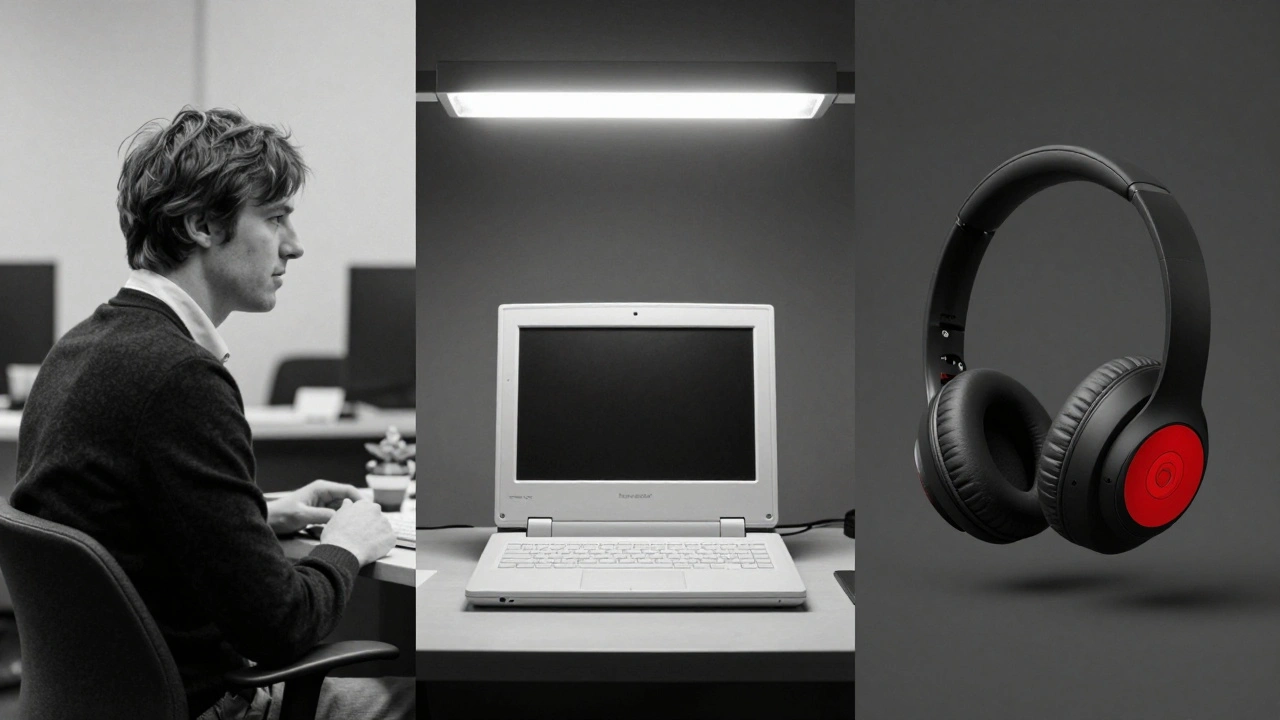
After Apple, he didn’t disappear. He went to Pentagram is a global design consultancy where Robert Brunner became a partner after leaving Apple in the late 1990s., then co-founded Ammunition Design Group is a design firm founded by Robert Brunner in 2007 that created the original Beats by Dre headphones and speakers.. There, he worked with Jimmy Iovine and Dr. Dre to create the Beats by Dre is a line of headphones and speakers designed by Ammunition Design Group under Robert Brunner’s leadership, known for their bold aesthetics and cultural impact. headphones. Before Beats, headphones were functional boxes. Brunner made them fashion statements. He didn’t just improve sound. He changed how people saw them.
That’s the pattern: he didn’t just design products. He designed perceptions.
What Brunner Left Behind
Here’s what you won’t find in Apple’s marketing:
- He didn’t invent the trackball, but he made it feel natural.
- He didn’t invent the laptop, but he made it something people wanted to carry.
- He didn’t invent black electronics, but he made them cool.
- He didn’t invent design thinking, but he made it a daily practice at Apple.
His legacy isn’t a single product. It’s a culture. He turned Apple’s design team from a forgotten corner into the heartbeat of the company. He proved that design isn’t about how something looks - it’s about how it makes you feel. How it fits into your life. How it doesn’t ask for permission - it just works.
Today, every sleek Apple product you see? It carries a little bit of Brunner’s quiet insistence. The dark gray. The weight. The trackball. The belief that a product should be more than a tool - it should be a statement.
He didn’t want to be famous. He just wanted to build something that lasted.
Who was Robert Brunner and what did he do at Apple?
Robert Brunner was the Director of Industrial Design at Apple from 1990 to 1997. He rebuilt Apple’s design team from scratch, hired Jonathan Ive, and led the creation of key products like the PowerBook and Color Classic. He established design as a core function at Apple, not just an afterthought.
Did Kazuo Kawasaki work at Apple in the 1990s?
No, there is no credible evidence that Kazuo Kawasaki worked at Apple during the 1990s or contributed to its design efforts. His name appears in some online sources due to confusion or misinformation, but he is not mentioned in any official Apple records, interviews, or design histories from that period.
Why is the PowerBook considered a turning point in Apple’s design?
The PowerBook was the first Apple laptop to combine a built-in trackball, dark gray casing, and ergonomic layout - all radical choices at the time. It was designed under pressure from competitors like IBM’s ThinkPad, and Brunner’s team used that pressure to innovate. The PowerBook proved Apple could design not just for function, but for desire.
How did Robert Brunner influence Jonathan Ive?
Brunner hired Ive three times, gave him space to grow, and protected him from corporate pressure. He treated design as a craft, not decoration, and surrounded Ive with skilled machinists and engineers. This environment allowed Ive to develop his minimalist, user-centered philosophy - which later defined Apple’s most iconic products.
What happened to Robert Brunner after Apple?
After leaving Apple in 1997, Brunner joined Pentagram Design, then co-founded Ammunition Design Group in 2007. There, he led the design of Beats by Dre headphones and speakers, bringing the same bold aesthetic and attention to detail that he used at Apple. His work helped turn headphones into cultural objects.
What’s Next?
If you want to understand Apple’s design evolution, start with Brunner - not Jobs, not Ive alone, but the quiet architect who made it all possible. His story isn’t about flashy launches or keynote moments. It’s about the stubborn belief that design matters - even when no one else is watching.
Next time you pick up a sleek Apple device, remember: someone once fought for the weight, the color, the feel. And that someone was Robert Brunner.