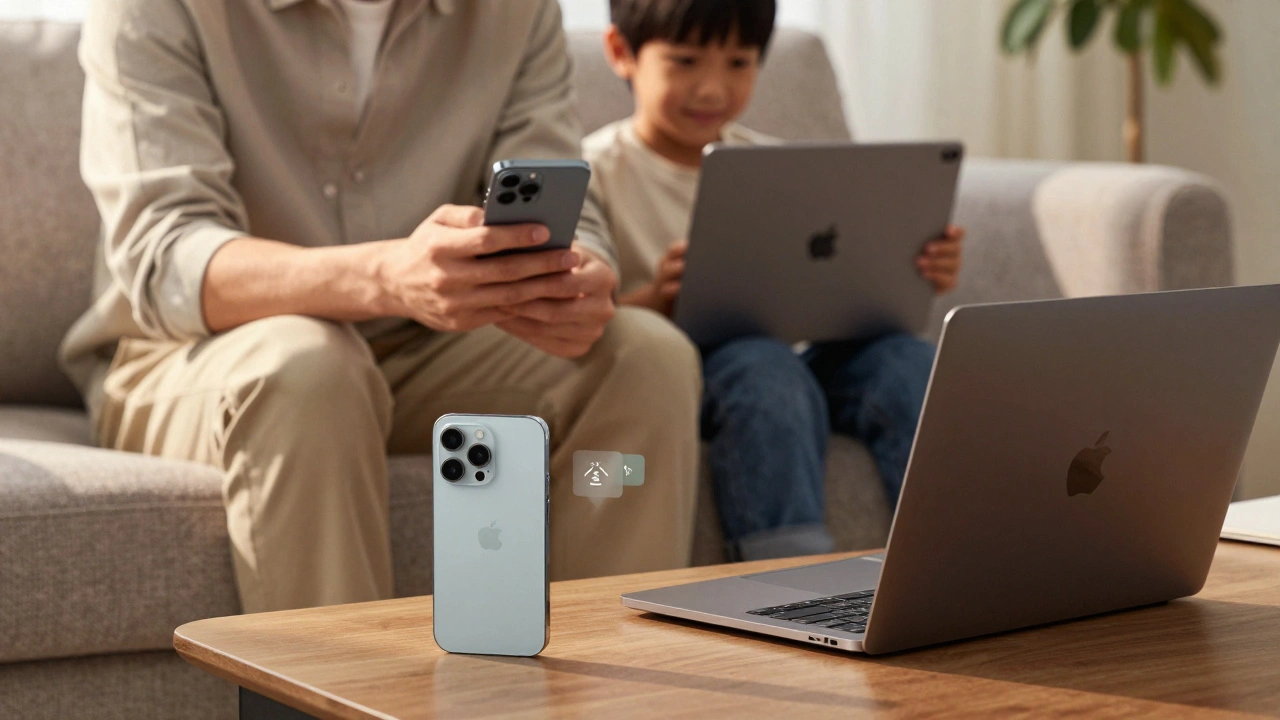

Apple doesn’t sell phones, tablets, and laptops. It sells roles. Each device has a job to do - and it does that job better than anything else in the lineup. This isn’t random. It’s deliberate. In 2026, Apple’s product lineup isn’t about having more options. It’s about having the right option for every part of your life.
Phones Aren’t Just Phones Anymore
Think about your iPhone. Is it just a phone? Or is it your camera, your wallet, your productivity tool, your gaming console? Apple knows it can’t make one phone that does everything perfectly for everyone. So it makes five. In spring 2026, the iPhone 17e is an entry-level device with slimmed bezels, a Dynamic Island, and an A19 chip with fewer GPU cores. It’s not a downgrade - it’s a purpose-built tool for people who want Apple’s core experience without paying for features they don’t need. Then there’s the iPhone Air 2 is a mid-tier model that balances premium features like better cameras and faster performance at a price below the Pro line. It’s not meant to compete with the Pro. It’s meant to fill the gap between the 17e and the Pro. By September, Apple drops the standard iPhone 18 entirely. Instead, it launches the iPhone 18 Pro and iPhone 18 Pro Max with a new C2 modem, shrunk Dynamic Island, and on-device AI that works faster and uses less battery. For the first time, the Pro models get Apple’s full privacy features - things like encrypted on-device processing for sensitive data. And then there’s the rumored iPhone Fold - not a gimmick, but a device for people who need a tablet-sized screen in a pocketable form. Each phone has a clear audience. No overlap. No confusion.Tablets Are For Doing, Not Just Watching
The iPad isn’t just a big iPhone. It’s not even just a laptop replacement. In 2026, Apple divides its iPad lineup into three clear roles. The base iPad gets the A19 chip - enough for browsing, video calls, and light note-taking. It’s the device you hand to a kid, or use on the couch. Then there’s the iPad Air with the M4 chip - a full workstation in a 10.9-inch body. This is for photographers editing 8K files, musicians running multi-track DAWs, or architects sketching on the go. The M4 isn’t here to impress. It’s here to handle real work. And the iPad mini might finally get an OLED screen. Not because Apple wants to make the smallest iPad look fancy. But because people who need portability - like teachers, delivery drivers, or travelers - want a screen that’s sharp enough to read for hours without eye strain. The Pro? It’s on pause until 2027. Why? Because Apple doesn’t need to refresh it every year. The M5 Pro and M6 chips coming next year will be a leap, not a tweak.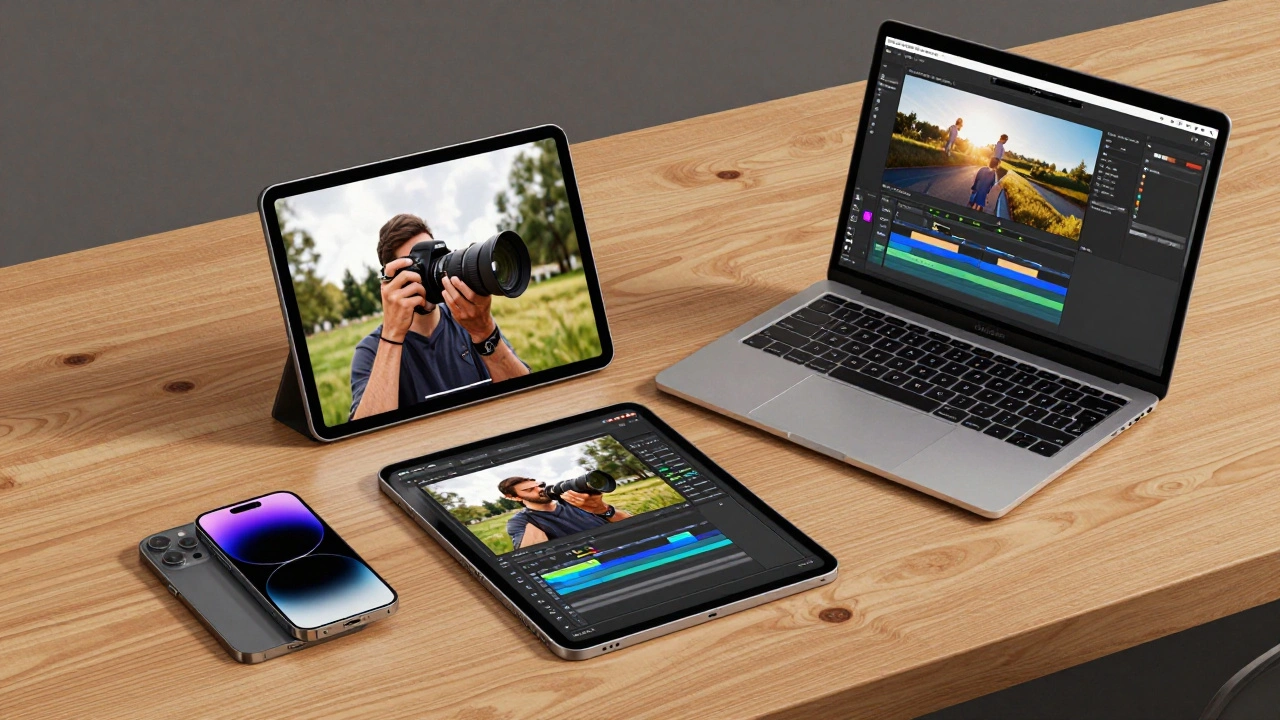
Macs Are Built for Different Levels of Work
Apple’s Mac lineup used to feel like a ladder: Air, then Pro, then Pro Max. Now it’s a grid. A new 13-inch low-cost MacBook with the A18 Pro chip sits below the Air. It’s not a stripped-down Air. It’s a different device - built for students, part-time users, or households where a full MacBook feels like overkill. It’s $800, not $1,200. And it runs iOS apps, FaceTime, and Final Cut just fine. The MacBook Air gets the M5 chip later in 2026. Still thin. Still quiet. Still the go-to for writers, remote workers, and designers who need all-day battery and zero fan noise. Meanwhile, the MacBook Pro with M5 Pro and M5 Max gets OLED displays, touchscreens, and 5G. It’s for coders running virtual machines, editors rendering 4K timelines, and engineers simulating complex systems. And then, late 2026 or early 2027, Apple drops the M6-powered MacBook Pro with 2-nanometer chips, a hole-punch camera, and no notch. This isn’t just an upgrade. It’s a statement: if you need the absolute best, this is it. No compromises. No alternatives.The Rest of the Ecosystem Fits Like Puzzle Pieces
It’s not just phones, tablets, and laptops. Apple’s whole ecosystem is built to work together - and each piece has a reason to exist. The Apple TV gets a faster A17 Pro chip and new Wi-Fi/Bluetooth chips. Not because you need a better streaming box. But because it’s now a gaming hub. You can play console-quality games on it - and then pick up where you left off on your iPad or iPhone. The AirPods Max might get a 2027 refresh with weight reduction, H2 chips, and Siri without "Hey". Why? Because if you’re wearing them for hours, you shouldn’t have to say a word. Just talk. And then there are the rumors: AR glasses, a HomePad, an updated Studio Display. These aren’t wild guesses. They’re pieces in a larger puzzle. The AR glasses? For spatial computing - not gaming, but for seeing your calendar floating in your kitchen or your design sketches in your living room. The HomePad? A central control screen for your house - not a tablet with a stand, but a device built for voice, touch, and automation.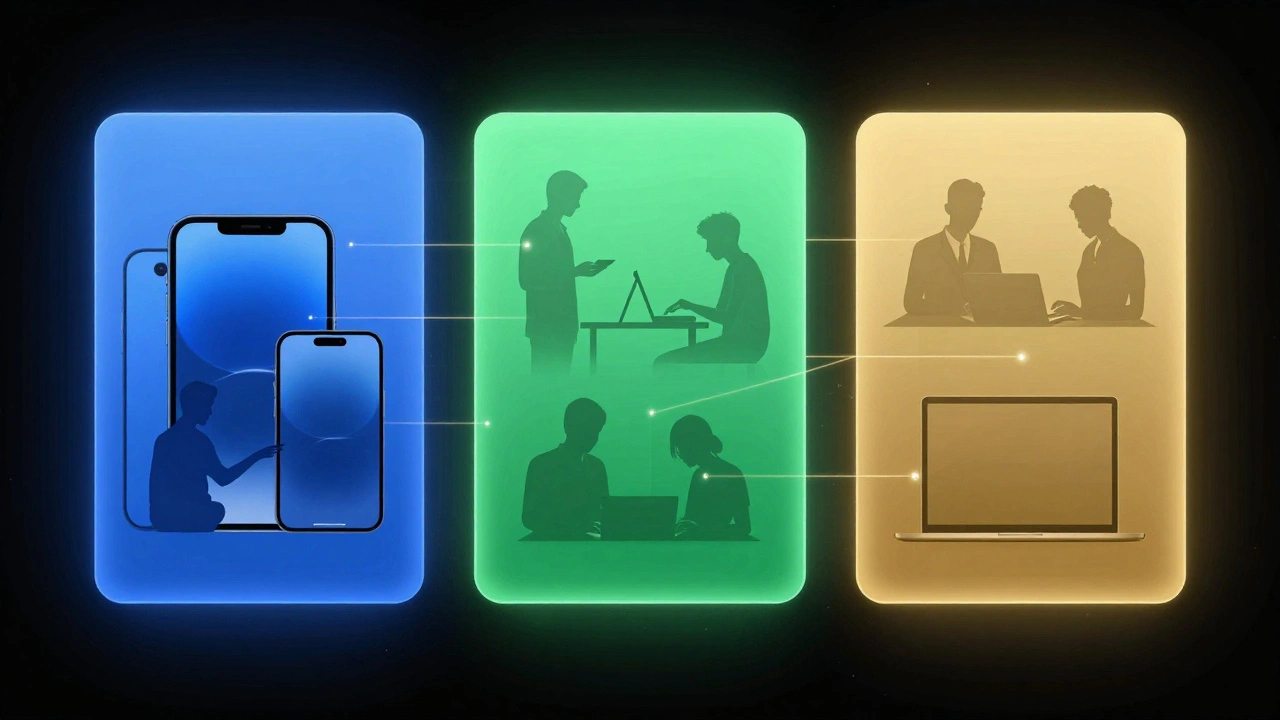
Why This Strategy Works
Most companies try to make one device that does everything. Apple makes many devices - each doing one thing exceptionally well. And they’re all designed to connect. You start with an iPhone 17e. You like it. You need more screen for your notes? You get an iPad Air. You start editing photos? You upgrade to a MacBook Air. You need to render a 4K video? You get the M5 Pro. Each step feels natural. Each upgrade feels earned. There’s no pressure to buy the most expensive thing. Just the right thing. Apple doesn’t want you to buy everything. It wants you to keep buying - because each device makes the others better. The C2 modem in the iPhone Pro improves your Wi-Fi calling on your HomePod. The M4 chip in the iPad Air makes your MacBook Air feel slower by comparison. The OLED screen on the MacBook Pro makes the base iPad’s LCD look dated. It’s not manipulation. It’s design.What This Means for You
If you’re shopping in 2026, don’t ask: "Which device is best?" Ask: "What do I need this device to do?"- Do you want a phone that lasts all day and handles basic tasks? The iPhone 17e is your pick.
- Do you need a tablet that can replace your laptop? The iPad Air with M4 is the only one that comes close.
- Are you editing video or coding on the go? The MacBook Pro with M5 Pro is the only one that won’t slow you down.
- Do you want the latest tech without paying top dollar? The iPhone Air 2 or the 13-inch MacBook are the smart middle choices.
Why doesn’t Apple just make one iPhone that does everything?
Because different people need different things. A student doesn’t need a 6.7-inch Pro Max with a 48MP telephoto lens. A professional photographer doesn’t want a $500 phone with a slower chip. Apple makes multiple devices so each one can be optimized - not compromised - for its intended user.
Is the iPhone Air 2 really coming in 2026?
Yes, based on supply chain reports and component orders from Apple’s partners. The original iPhone Air underperformed in 2024 because it was too similar to the standard model. The Air 2 fixes that with a better camera system, M-series chip, and a design that clearly sits between the 17e and the Pro.
Should I wait for the M6 MacBook Pro?
Only if you’re a professional who needs the absolute fastest performance, the best display, and the latest chip architecture. For most people, the M5 Pro or M5 Max is more than enough. The M6 will be a 2-nanometer leap - but it won’t change how you work. It will just make your work faster.
Why is the standard iPhone 18 delayed until 2027?
Apple is trying to push more people toward the Pro models. By removing the standard iPhone from the fall launch, they create a gap in the market that only the Pro and Fold can fill. This drives higher average selling prices and keeps the Pro line feeling exclusive and desirable.
Do I need all these devices to use Apple’s ecosystem?
No. You only need one Apple device to get started. But if you add more, they work better together. Handoff, Universal Clipboard, and AirDrop become seamless. Your Apple Watch starts tracking your health better because it talks to your iPhone. Your iPad becomes a second screen because your MacBook recognizes it. The ecosystem grows with you - not the other way around.