
Most people think of a product’s packaging as just a box. Something to hold the device, protect it during shipping, and maybe look nice on a store shelf. But for Apple, the box isn’t just a container-it’s the first moment of truth. It’s the first thing you touch, the first thing you see, and the first impression your brain forms about the product inside. And that’s why Apple spends thousands of hours perfecting every detail before a single box goes into production.
The Packaging Room: A Secret World of Precision
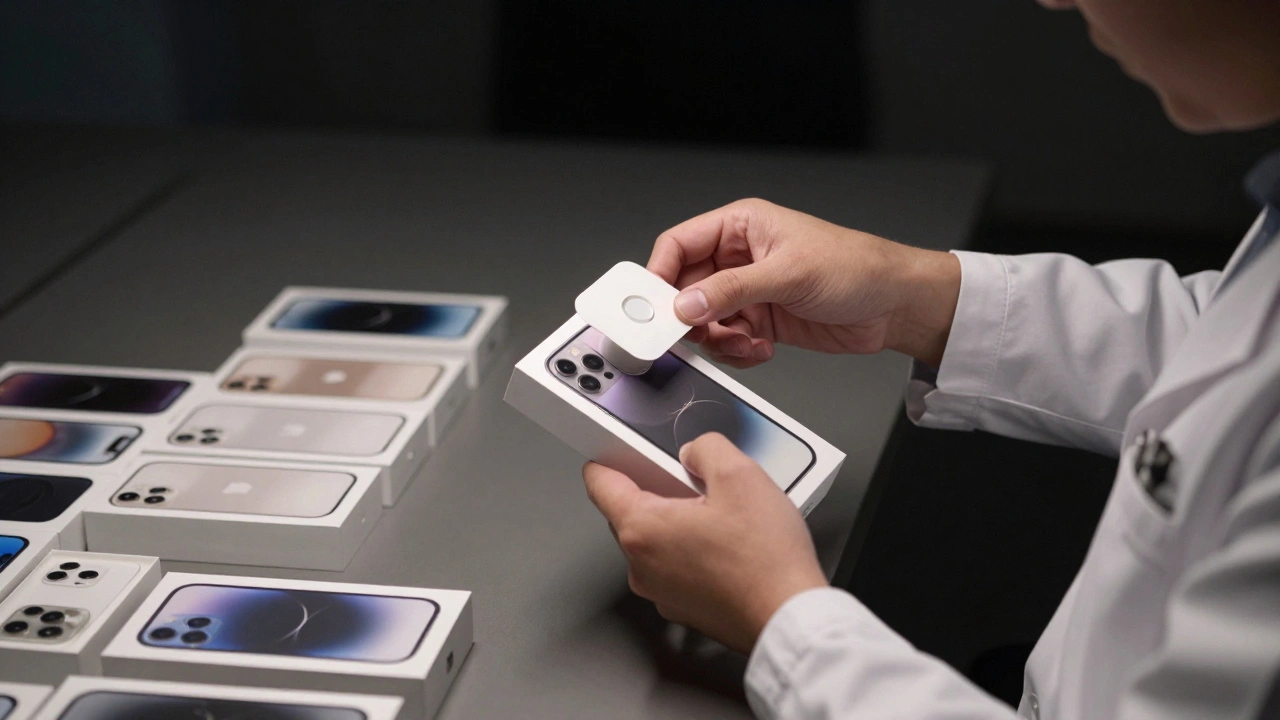
Deep inside Apple’s headquarters is a high-security room known only to a handful of employees. No cameras. No outsiders. No leaks. This is the packaging room, where the unboxing experience is born. It’s not a lab. It’s not a workshop. It’s a sacred space where designers spend months testing, opening, and re-opening prototype boxes-hundreds of them-until every movement feels just right. This isn’t about saving money. It’s not about reducing material waste (though that matters too). It’s about crafting a sensory experience so consistent, so deliberate, that when you open an iPhone box, you feel like you’re witnessing something perfectly engineered. Not because you’re told it’s premium. Because your fingers tell you so.The Friction That Feels Right
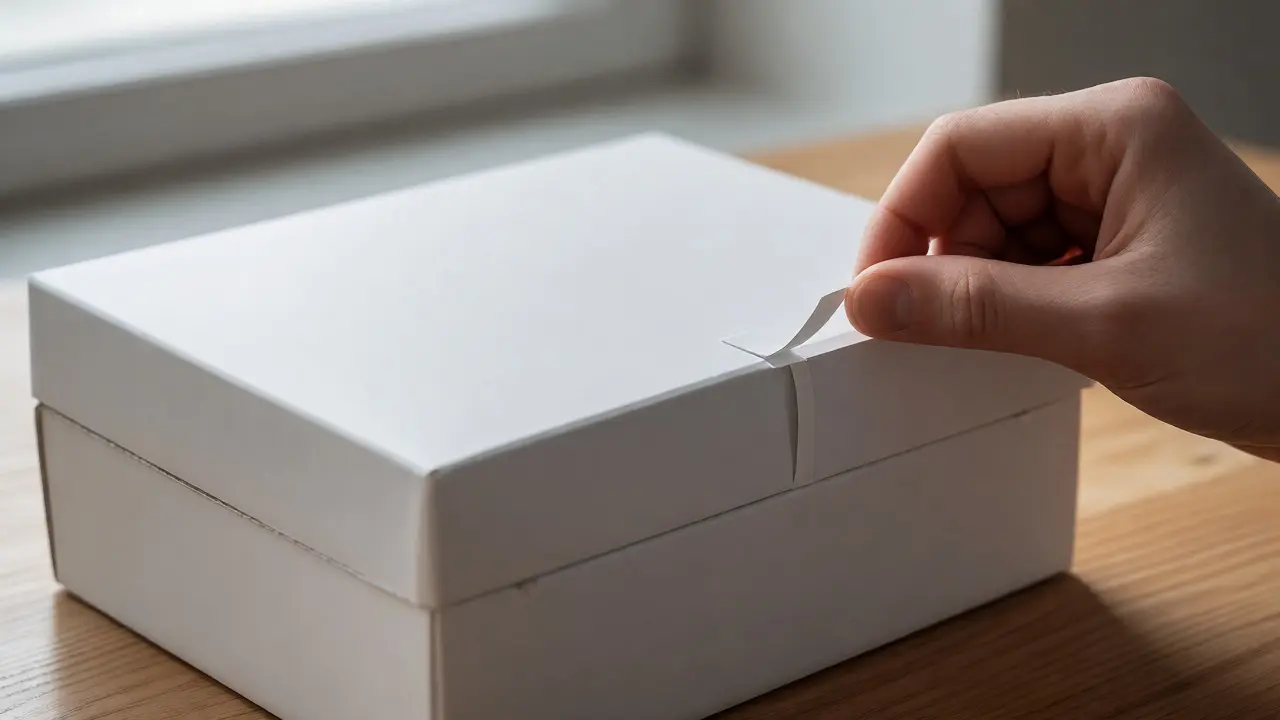
What makes a box feel expensive? It’s not the logo. It’s not the color. It’s the resistance. Apple designers don’t just want the lid to come off. They want it to come off in a way that feels intentional. Too loose, and it feels cheap. Too tight, and it feels like you’re fighting it. The goal is a sweet spot-a slight drag, a gentle suction, a moment of pause before the lid lifts cleanly away. This isn’t accidental. It’s engineered. To find it, designers test dozens of variables:- The exact thickness of the cardboard
- The angle of the lid’s fold
- The alignment of the outer wrap
- The spacing between the lid and base
- The type of adhesive used to seal it
Materials That Don’t Quit
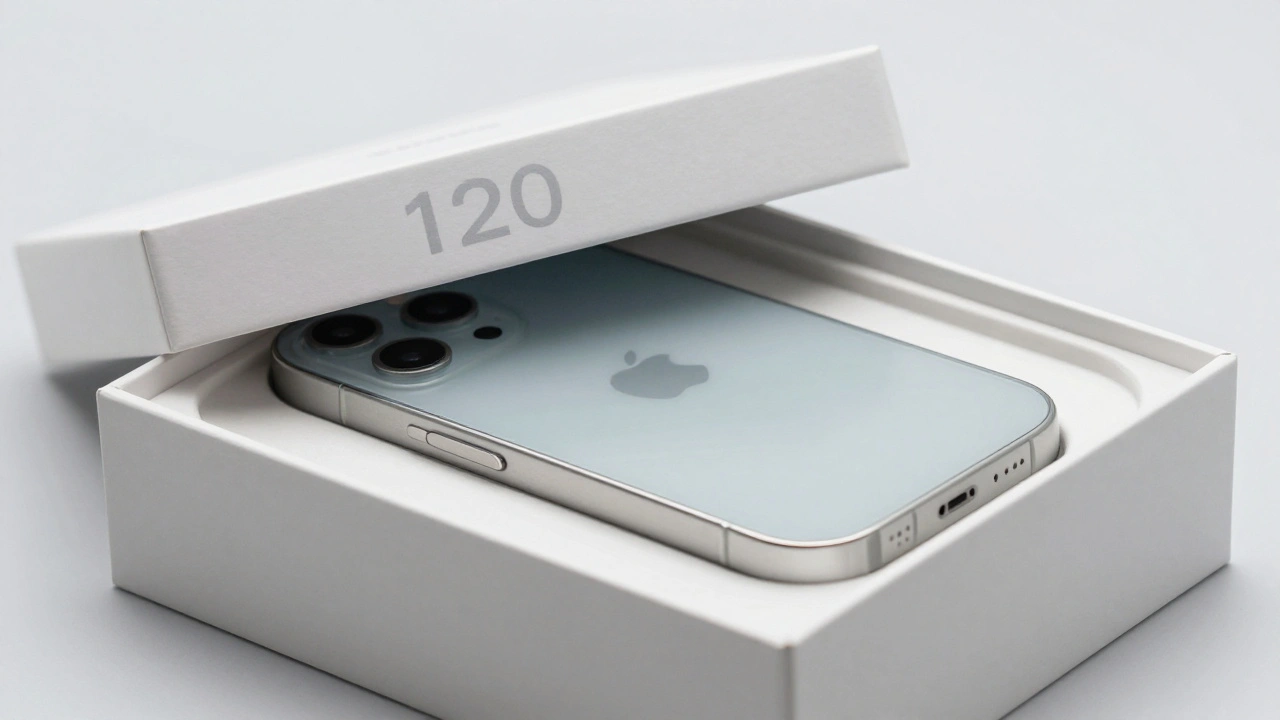
The cardboard isn’t just any cardboard. It’s a custom blend of recycled fibers engineered to hold its shape through humidity, heat, and rough handling. Most packaging companies use whatever’s cheapest and available. Apple doesn’t. They test how the material reacts when shipped from China to Brazil, from winter to summer. If the box warps, the lid doesn’t fit. If it loses rigidity, the product inside rattles. And if the surface wrinkles? That’s a failure. The same goes for the internal tray. Instead of foam, Apple uses molded pulp-recycled paper fibers pressed into a precise mold that cradles the iPhone like a custom glove. This isn’t just eco-friendly. It’s functional. The pulp holds its shape better than foam, doesn’t leave lint, and gives the phone a clean, grounded feel when you lift it out. The material is so finely tuned that it can capture the exact contours of the device’s edges, down to the millimeter.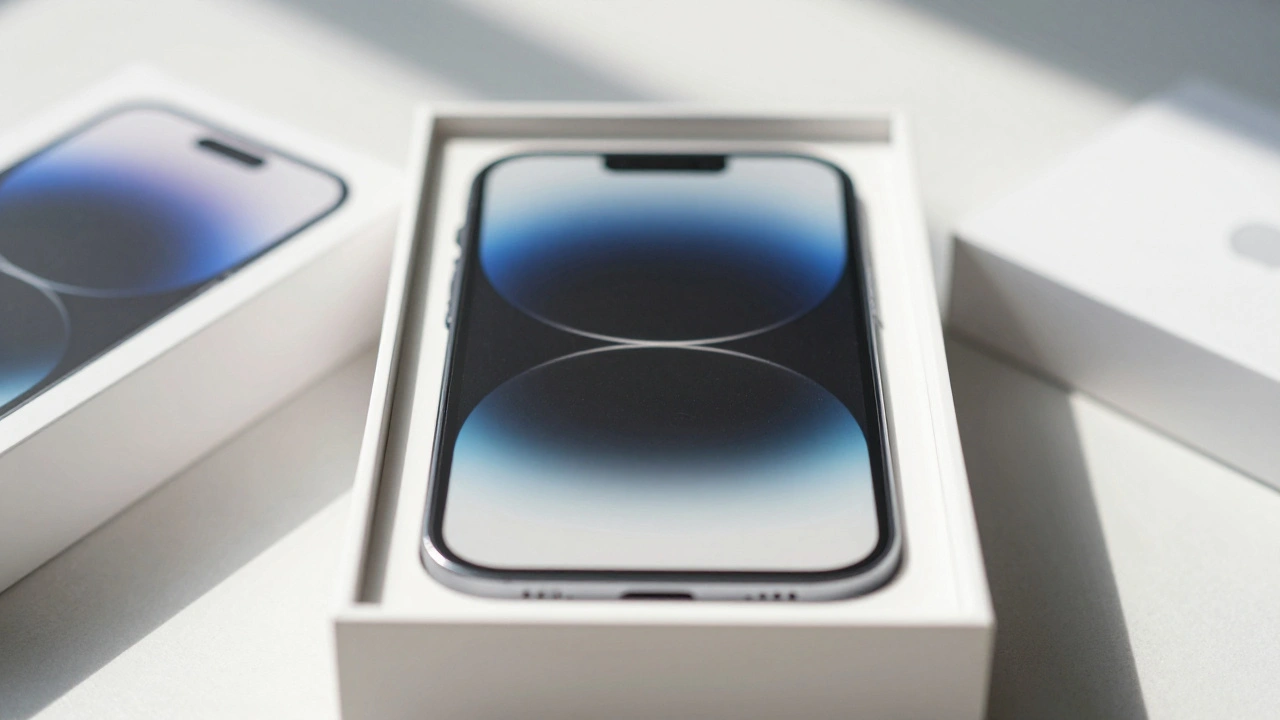
Space Is a Design Element
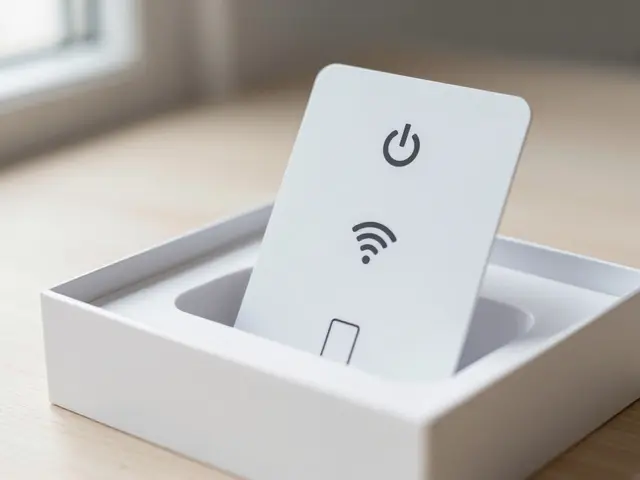
Look at any Apple box. Notice how much empty space there is? That’s not a mistake. It’s intentional. Most brands cram everything in-phone, charger, cable, earbuds, manual, stickers, QR codes. Apple leaves room. Clean, quiet, deliberate room. The phone sits centered. The accessories are placed with symmetry. Nothing overlaps. Nothing crowds. This isn’t about saving space. It’s about controlling attention. When you open the box, your eyes don’t wander. They go straight to the device. There’s no visual noise. No competing elements. Just calm. That’s what Apple calls a "steady reveal." It’s not flashy. It’s not loud. But it’s unforgettable.The Lid That Doesn’t Move
One of the most overlooked details? The lid doesn’t slide. It lifts. In most packaging, the lid shifts slightly when you open it. It catches. It sticks. It feels sloppy. Apple’s lid moves in one smooth motion-no wobble, no tilt, no uneven lift. That’s because the base and lid are manufactured to within 0.1 millimeters of each other. Every fold, every edge, every glue point is calibrated so the lid opens like a hinge, not a flap. This precision isn’t just for looks. It’s psychological. When something moves with certainty, your brain registers it as high-quality. You don’t think, "This is well-made." You just feel it.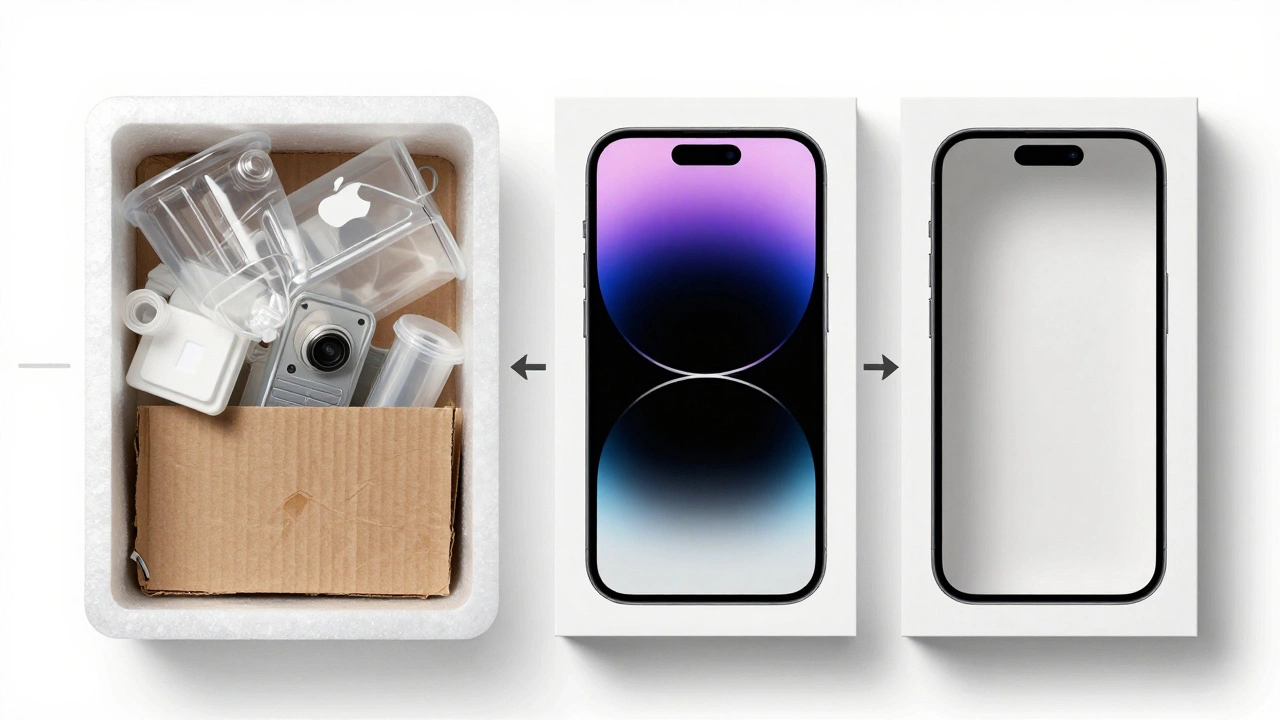
Sustainability Without Compromise
Apple’s packaging has gotten smaller. Lighter. Greener. But it hasn’t gotten worse. In the last five years, they’ve removed plastic from nearly all packaging. The ink is soy-based. The box is 100% recycled fiber. The pulp tray uses no virgin materials. And yet, the quality hasn’t dropped. Why? Because they didn’t cut corners-they redesigned. The new pulp formulations are stronger. The cardboard is denser. The alignment is tighter. Sustainability wasn’t added as an afterthought. It was baked into the iteration process from day one. Every material was tested not just for environmental impact, but for tactile feel, structural integrity, and visual clarity. The result? Packaging that’s better for the planet and better for the user.Why This Matters
Most companies treat packaging as a cost center. Apple treats it as a product. Think about it. When you buy an iPhone, you don’t see the chip. You don’t see the antenna. You see the box. In a store, on a shelf, in a photo online-it’s the first thing people notice. And for millions, the unboxing experience is the first real interaction with the brand. That’s why Apple’s packaging isn’t just about protection. It’s about perception. It’s about trust. It’s about saying, "This thing you’re about to hold? It was made with care. Every detail mattered. Even this." The same team that designs the iPhone’s curves also designs its box. The same engineers who test battery life also test how the box holds up in a shipping container. The same designers who obsess over screen brightness also obsess over how the white finish reflects light. It’s not magic. It’s method. And it’s repeatable.The Ripple Effect
Apple’s packaging isn’t just influencing how you feel about your phone. It’s changing the whole industry. Tech brands that once used bulky, plastic-heavy boxes are now going minimalist. Even competitors are copying the clean white design, the centered product, the quiet elegance. But they can’t replicate the process. Because they don’t have a packaging room. They don’t spend 1,000 hours on a box. They don’t have a team whose only job is to open and close prototypes until it feels perfect. Apple’s packaging is a quiet revolution. It proves that if you treat the smallest details with the same rigor as the biggest features, you don’t just make a better box-you make a better brand.Why does Apple spend so much time on packaging design?
Apple treats packaging as the first point of contact between the customer and the product. Since most people never see the device until they open the box, the unboxing experience shapes their entire perception of quality, care, and value. Spending thousands of hours refining every detail ensures that moment feels intentional, premium, and memorable-turning a simple box into a brand statement.
How many prototype boxes does Apple test before finalizing a design?
A single packaging designer may open and evaluate over 1,000 prototype boxes during the development cycle. For major products like the iPhone, the team collectively tests hundreds of variations in material, fit, alignment, and mechanics before locking the final design. Each variation is tested for tactile response, visual consistency, and structural durability under real-world conditions.
Is Apple’s packaging really more sustainable than competitors’?
Yes. Apple has eliminated nearly all plastic from its packaging since 2020, replacing foam inserts with 100% recycled molded pulp and using only FSC-certified, recycled cardboard. The ink is plant-based, and the boxes are lighter and smaller than industry averages. While some competitors claim sustainability, Apple’s approach combines environmental goals with rigorous performance testing-ensuring the packaging still protects the product and delivers a premium feel.
Why doesn’t Apple use foam inserts anymore?
Foam is cheaper and easier to produce, but it’s messy, non-recyclable, and lacks precision. Apple switched to molded pulp because it can be shaped to perfectly cradle the device, prevents movement during shipping, and has a cleaner, more tactile feel. The pulp is made from recycled paper fibers and engineered to retain rigidity without scratching surfaces. It also aligns with Apple’s goal of eliminating plastic entirely from packaging.
Can other companies copy Apple’s packaging design?
Other companies can mimic the look-white box, centered product, minimal text-but they can’t replicate the process. Apple’s advantage isn’t the design-it’s the obsession. Most brands don’t have a dedicated team spending months testing friction, alignment, and material behavior. They don’t have the budget or autonomy to ignore cost and manufacturing limits. Without that level of investment, the experience falls short, no matter how similar the box looks.