
13/01
0
Most companies build products by following a simple sequence: design first, then engineering. Apple does the opposite. At Apple, function and form aren’t stages-they’re partners. They start together, evolve together, and only ship together. This isn’t just a process. It’s a philosophy that turns ordinary gadgets into objects people feel deeply connected to.
Why Apple Doesn’t Do Sequential Design
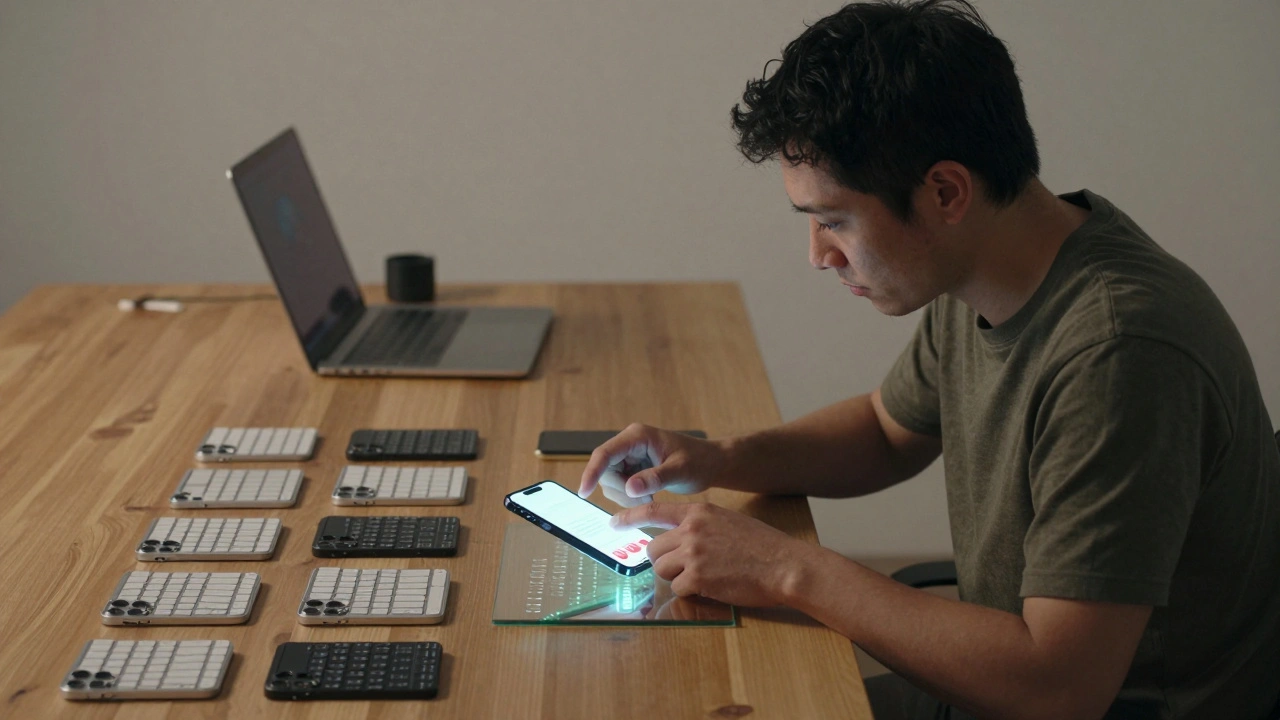
Think about how most tech companies work. A design team sketches a screen. Then they hand it off to engineers who say, “That’s impossible.” Then the design gets chopped down. Then the engineers build something functional but ugly. That’s the norm. Apple skips all that. At Apple, the moment a new idea is floated, designers and engineers sit in the same room. Not because they’re forced to. But because they know: if you separate form from function, you get something that looks nice but feels broken-or something that works but turns users away. Apple’s goal isn’t to make something that works. It’s to make something that feels like it was always meant to be. Take the iPhone’s keyboard. Most companies would’ve just drawn keys on a screen and called it done. Apple didn’t. They built a demo where every key had invisible touch zones that adjusted in real time based on how your finger moved. They coded autocorrect that didn’t just fix typos-it learned your typing rhythm. They added subtle animations that made typing feel responsive, even when there was a slight delay. None of that came from a marketing survey. It came from engineers and designers testing 50 versions of a keyboard, side by side, until one version made everyone say, “This feels right.”The Demo That Becomes the Blueprint
Apple doesn’t rely on wireframes, mockups, or PowerPoint slides. They build demos. Real, working demos. Not prototypes you can’t use. Not half-baked previews. Fully functional software or hardware that people can tap, swipe, hold, and live with for hours. This is what Ken Kocienda called “creative selection.” Teams build dozens of versions of a feature. Each one is a real, usable version-not a concept. A team working on a new camera feature might build 20 different versions of the shutter interface. One might be faster. Another more precise. Another smoother. They don’t vote. They use. They live with them. They notice which one makes them forget they’re using a phone. When a demo clicks, something powerful happens. That demo becomes the specification. Not the document. The actual working version. Engineers don’t just implement the design. They reverse-engineer the feeling. They look at the demo and ask: “How do we make this stable? Scalable? Reliable?” And here’s the twist: the demo might be held together with “software duct tape.” The UI looks perfect, but the backend is messy. That’s okay. The vision is locked. The path is clear. Now, engineers have a North Star. They’re not guessing. They’re refining.The Seven Elements That Hold It All Together
Apple’s method isn’t magic. It’s built on seven quiet but relentless practices:- Inspiration: They look beyond tech. A designer might study how children hold pencils. An engineer might study how birds land. These aren’t random-they’re triggers for new ways to solve problems.
- Collaboration: No silos. Designers sit next to chip engineers. Camera teams talk to battery teams. If a change affects one part, everyone knows.
- Craft: They care about the edge of a button. The sound a slider makes. The weight shift when you turn the phone. These aren’t “nice to haves.” They’re non-negotiable.
- Diligence: They’ll rebuild a component 12 times if the texture doesn’t feel right. Not because they’re obsessive. Because they know users notice.
- Decisiveness: Once the demo wins, they commit. No second-guessing. No “let’s try one more thing.” Vision is king.
- Taste: It’s not about what’s trendy. It’s about what’s timeless. Apple’s design language hasn’t changed much in 15 years-not because they’re stuck, but because they’ve refined taste to a science.
- Empathy: They don’t ask users what they want. They watch what they do. They notice when someone hesitates before tapping. When they tap too hard. When they look confused. Those moments become design clues.
How Apple Builds Without User Feedback
Here’s the part that confuses most companies: Apple rarely tests products with real users before launch. Why? Because they don’t build for what people say they want. They build for what people don’t know they need. Steve Jobs famously said, “People don’t know what they want until you show it to them.” That’s not a quote. It’s a strategy. When Apple was developing the first iPhone, no one was asking for a phone without a keyboard. No focus group said, “I wish my phone could guess what I’m typing before I finish.” But Apple saw the pattern: people were frustrated with small buttons, slow typing, and constant errors. So they didn’t fix typing. They reimagined it. They built a team of engineers who studied how fingers move across glass. They created algorithms that learned typing patterns from millions of keystrokes. They designed touch zones that expanded when your finger hovered. They added haptic feedback that felt like a key was pressing down-even though there was no physical movement. The result? The iPhone didn’t just replace a phone. It changed how we type, how we communicate, even how we think about touch.The Closed Loop of Control
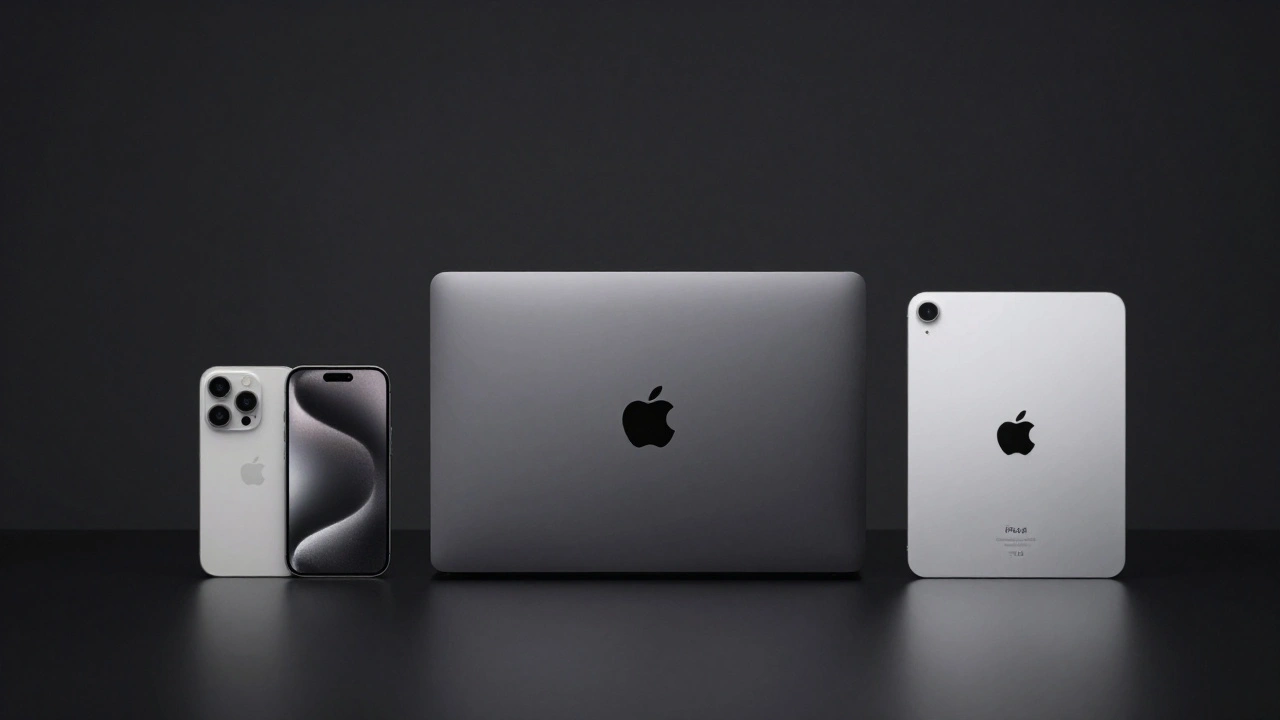
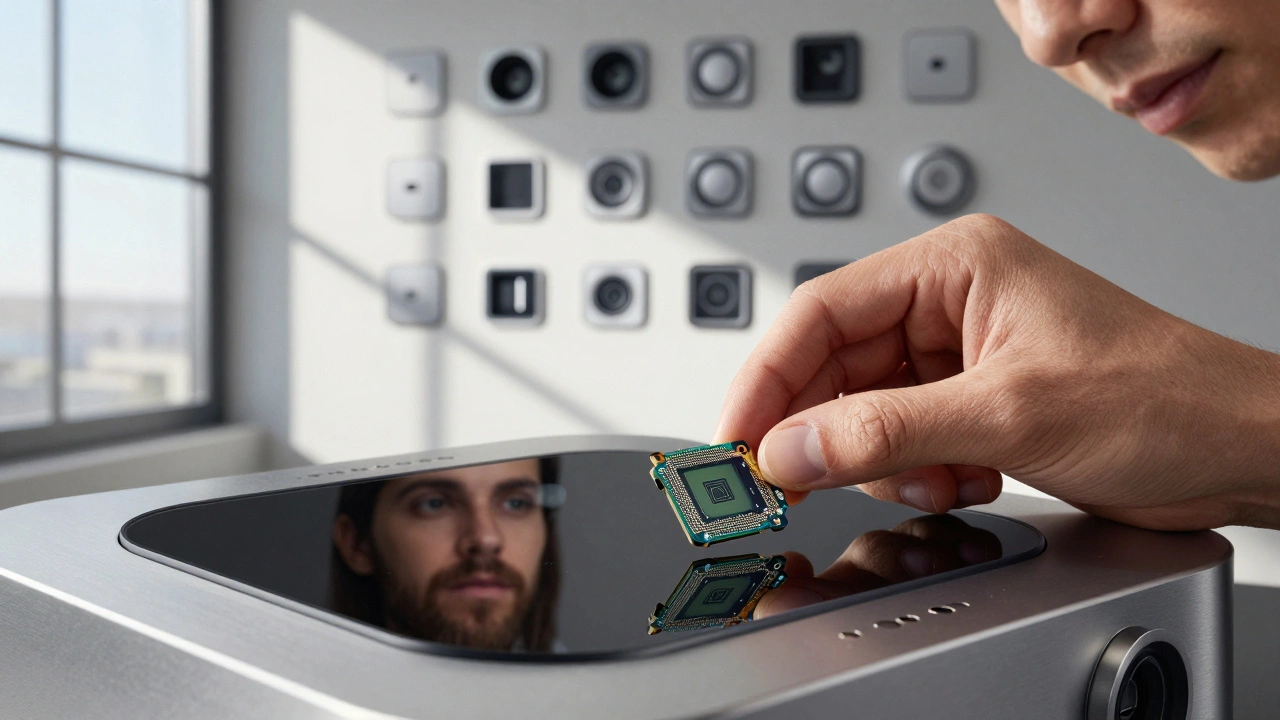
Apple doesn’t outsource. It doesn’t rely on external partners to build chips, cameras, or software. Why? Because control is the only way to keep function and form in sync. They have 40 specialist teams working under one roof. One team designs the camera sensor. Another builds the software that processes the image. Another handles the color calibration. Another tunes the audio algorithms. All of them talk daily. All of them see each other’s work in real time. This isn’t just efficiency. It’s harmony. When the camera team wants to add a new low-light mode, they don’t wait for a spec sheet. They walk over to the software team. They show a demo. They tweak the algorithm together. The result? A photo that looks natural, not over-processed. A feature that feels effortless, not technical. This level of integration is why Apple products feel so cohesive. The case, the screen, the battery life, the app icons-they all work together because they were designed together.