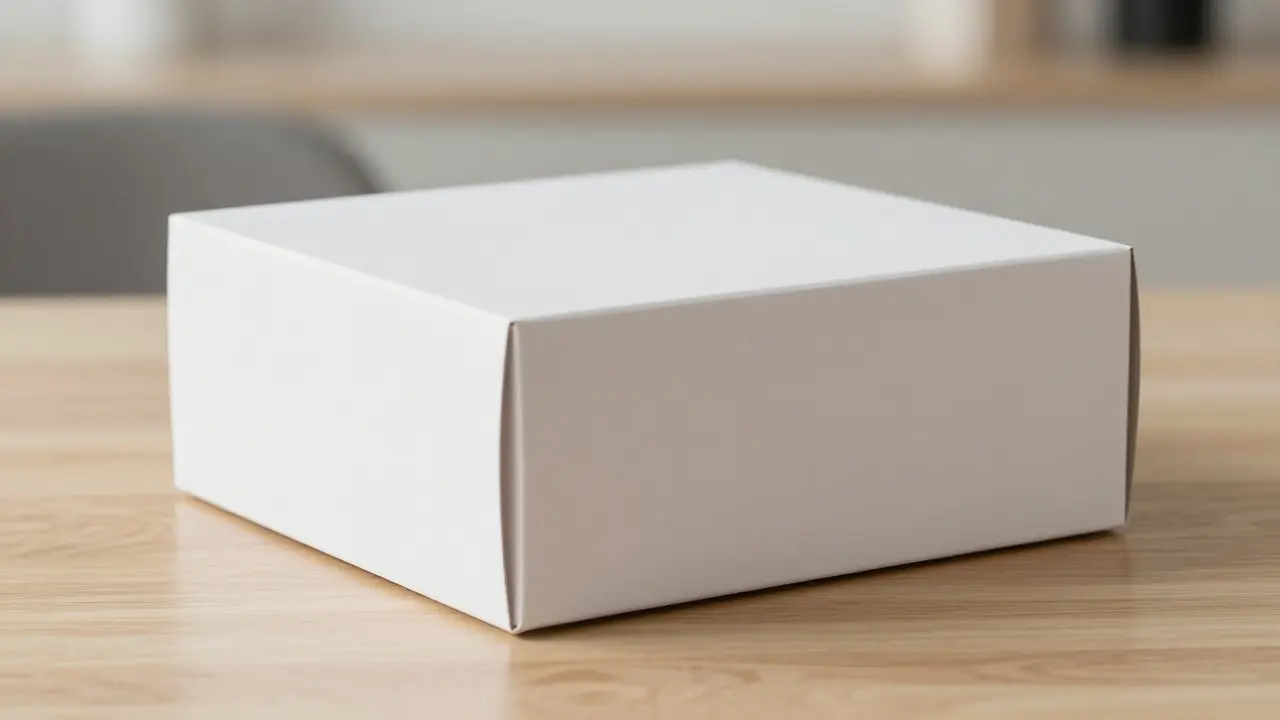

Most people toss the iPhone box into a drawer or recycling bin within minutes of unboxing. Yet, behind that simple white cardboard rectangle lies a decades-long strategy of industrial design innovation that turns product delivery into a brand ritual. Apple didn't just patent the box to protect its assets; it patented the *experience* of opening it. This approach transforms a utilitarian container into a core component of the product's perceived value.
When you buy an iPhone, you aren't just buying hardware. You are buying a sequence of sensory interactions: the weight of the box, the resistance of the lid, the reveal of the device. By securing patents on these specific structural and aesthetic elements, Apple has ensured that competitors cannot easily replicate this emotional connection without risking legal trouble. It is a subtle but powerful move in the global tech market.
The History of the White Box
In the early 2000s, consumer electronics came in bulky, colorful plastic cases filled with manuals and cables. The launch of the original iPhone in 2007 changed the game. Apple introduced a minimalist, matte-white box with a clean font and no excessive graphics. This wasn't just a visual choice; it was a statement. The packaging signaled that the product inside was so sophisticated that it didn't need loud advertising on the outside.
This shift aligned with the broader trend of minimalist design, which prioritizes function and simplicity over decoration. By stripping away the noise, Apple forced the customer to focus entirely on the device. The box became a stage, not a billboard. Over time, this design language extended to the iPad, Mac, and even accessories, creating a unified ecosystem where every package looked like it belonged to the same family.
Why Patents Matter for Packaging
You might wonder why a company would spend millions patenting a piece of cardboard. The answer lies in intellectual property protection. While the shape of a box is rarely patentable on its own, the specific mechanisms, materials, and assembly methods can be. Apple has filed numerous patents related to:
- Magnetic closure systems: Ensuring the lid opens with a satisfying 'snap' rather than a fumble.
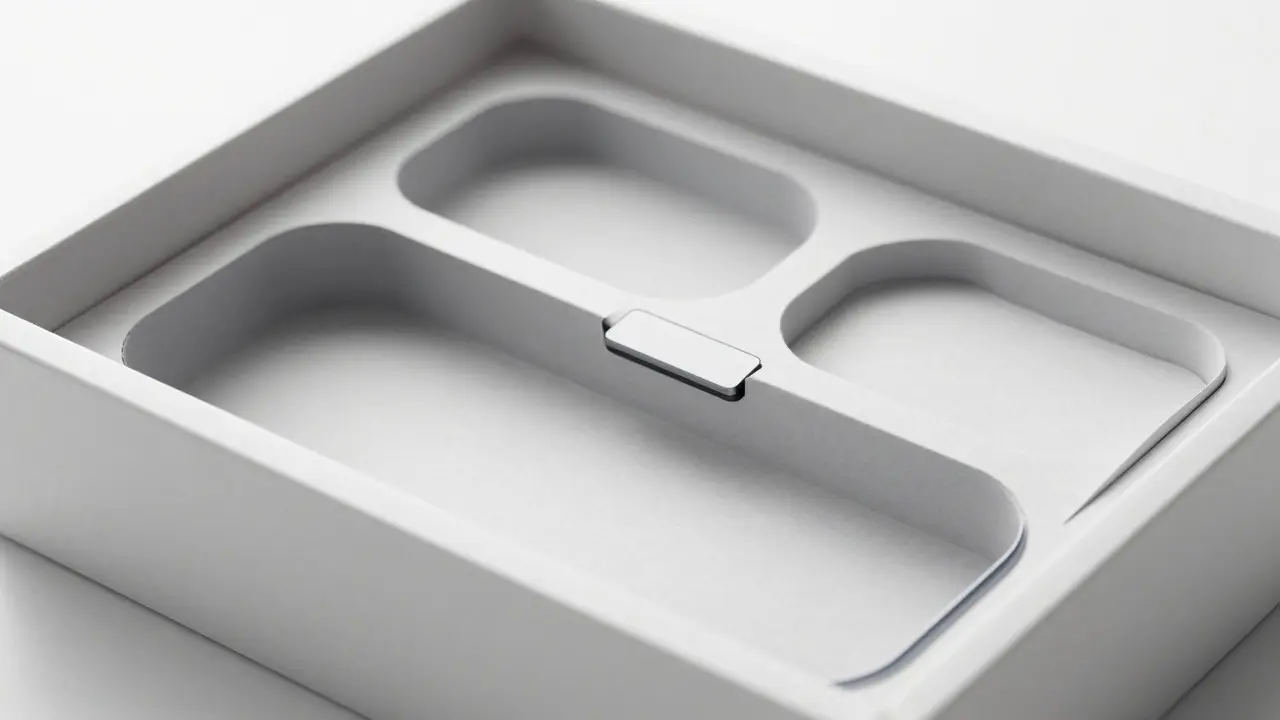
- Internal tray structures: Using precise die-cutting to hold devices securely without visible plastic bands.
- Material composition: Specific ratios of recycled fiber that maintain rigidity while reducing environmental impact.
The Unboxing Experience as Marketing
In the digital age, physical marketing has declined, but unboxing videos have exploded in popularity. Platforms like YouTube and TikTok are filled with creators who treat the iPhone box like a treasure chest. Apple understands this. The packaging is designed to be filmed. The lighting reflects off the matte surface, the components are arranged symmetrically, and the removal of each item feels deliberate.
This creates free, high-quality content that reaches millions of potential buyers. When a creator shows the satisfying click of the magnetic latch, they are implicitly endorsing the quality of the product inside. It’s a form of viral marketing that doesn’t require a single dollar in ad spend. The box itself becomes the advertisement, circulating through social media feeds long after the initial purchase.
Sustainability and Material Science
As environmental concerns grow, packaging innovation has shifted toward sustainable design. Apple has made significant strides here, removing plastic ties from recent iPhone boxes and using 100% recycled fibers. But sustainability isn't just about being green; it's about efficiency. Lighter boxes mean lower shipping costs and reduced carbon footprints during transport.
Apple’s engineering teams work closely with suppliers to develop paper stocks that are both strong and eco-friendly. They use water-based inks instead of petroleum-based ones, further reducing the environmental impact. This attention to detail reinforces the brand image of a company that cares about every aspect of its products, down to the last gram of cardboard.
| Feature | Traditional Electronics Packaging | Apple-Style Premium Packaging |
|---|---|---|
| Primary Goal | Protection and Information | Experience and Brand Identity |
| Visual Design | Colorful, text-heavy, feature-focused | Minimalist, monochromatic, logo-centric |
| User Interaction | Quick access, functional | Slow reveal, sensory engagement |
| Marketing Role | Static shelf display | Dynamic social media content |
| Material Focus | Cost-effective plastics | Premium recycled fibers, precise die-cutting |
The Psychology of Perception
Psychologists call this the halo effect. When something looks good, we assume it works well. The pristine, perfectly aligned contents of an iPhone box signal precision engineering. If the packaging were sloppy, customers might subconsciously doubt the quality of the phone inside. By controlling the first point of contact, Apple sets the tone for the entire ownership experience.
This psychological trick is hard to quantify but easy to observe. Ask anyone who has bought a budget smartphone versus an iPhone. Even if the specs are similar, the one that arrived in a sleek, heavy box often feels more 'premium.' That feeling drives loyalty and willingness to pay higher prices in future purchases. It’s a long-term investment in brand equity that pays dividends far beyond the initial sale.
Future Trends in Packaging Innovation
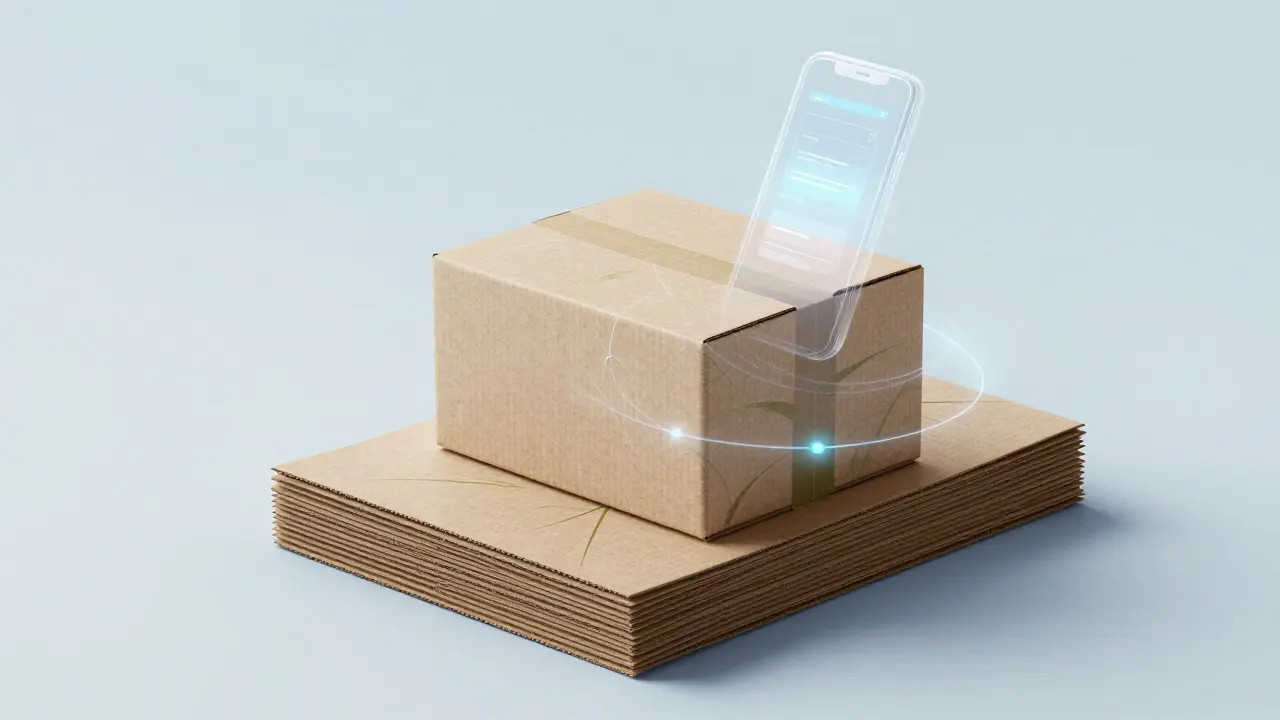
Where does this go next? As technology evolves, so does packaging. We are seeing early experiments with smart packaging, which includes NFC chips or QR codes that link directly to setup guides or warranty registration. Imagine scanning your iPhone box to instantly back up your old phone or activate your new one. This blurs the line between physical object and digital service.
Additionally, modular packaging is gaining traction. Instead of separate boxes for the phone, charger, and case, companies are exploring nested designs that reduce waste and simplify storage. Apple may continue to lead this space, leveraging its massive scale to drive industry-wide changes in how we think about product delivery.
Frequently Asked Questions
Does Apple really patent the design of its boxes?
Yes, but mostly for specific mechanical features and material compositions rather than the general shape. For example, patents cover magnetic closure mechanisms and specific die-cutting techniques that ensure a secure fit. These protections prevent direct copying of the tactile and structural aspects of the unboxing experience.
Why is the iPhone box so expensive to produce?
The cost comes from precision manufacturing. High-grade recycled paper, custom printing, and intricate internal trays require specialized tooling and quality control. Unlike mass-produced commodity boxes, Apple’s packaging is treated as a premium component, demanding tighter tolerances and better materials to maintain brand consistency.
How does packaging affect customer satisfaction?
Studies show that positive unboxing experiences significantly increase customer retention and likelihood of recommendation. A well-designed box reduces anxiety about product damage and creates a sense of occasion. For high-value items like smartphones, this emotional boost can justify price premiums and build long-term brand loyalty.
Are other companies copying Apple’s packaging style?
Many premium brands have adopted minimalist aesthetics, but few match the level of integration Apple achieves. Companies like Samsung and Sony use clean designs, but Apple’s consistency across all product lines and its control over supply chain details make its execution distinct. The challenge for competitors is replicating the seamless feel without infringing on specific patents.
What role does sustainability play in Apple’s packaging strategy?
Sustainability is now a core pillar of Apple’s packaging design. By eliminating plastic and using recycled materials, Apple appeals to environmentally conscious consumers while also meeting regulatory requirements. This dual benefit strengthens the brand’s reputation for responsibility and innovation, aligning with broader corporate goals for carbon neutrality.