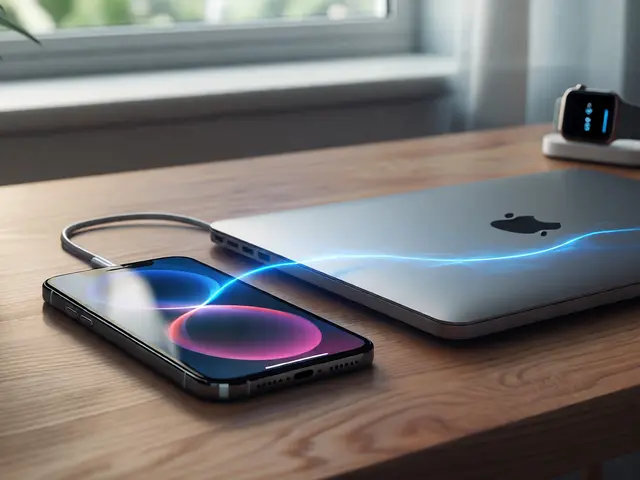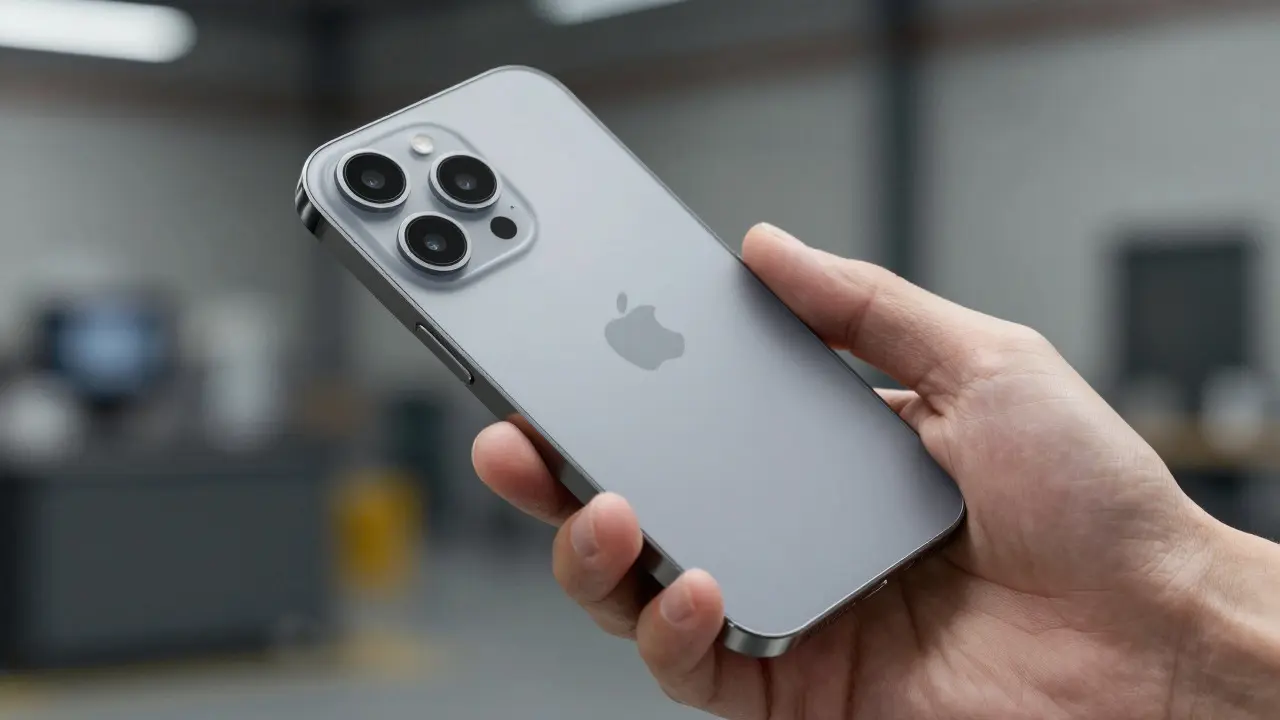

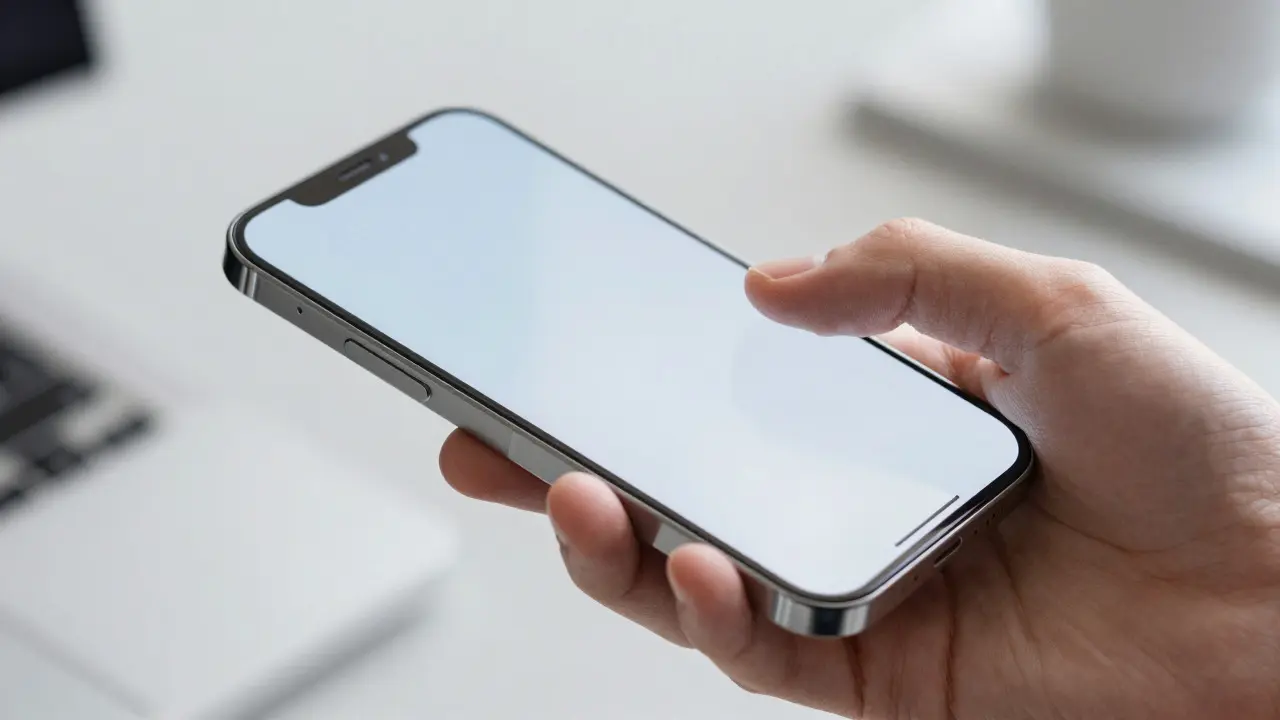
Hold an iPhone in your hand and you feel it immediately. That cool, dense weight isn't just marketing fluff; it’s a deliberate engineering choice that signals durability and status. But behind that tactile experience lies a constant tug-of-war between two material families: traditional metals and modern composites. For a company like Apple is a technology company known for integrating industrial design with advanced hardware engineering to create premium consumer electronics., this balance defines product success. The question isn't just about what looks good on a render, but what survives the daily drop, the pocket heat, and the five-year lifespan.
The Weight of Metal: Why Aluminum Still Rules
For over a decade, Anodized Aluminum is a lightweight metal alloy treated with an electrochemical process to create a hard, corrosion-resistant oxide layer on its surface. has been the backbone of Apple's mobile devices. It offers a specific set of attributes that are hard to replicate with plastic. First, there is the thermal conductivity. Aluminum dissipates heat efficiently, which is critical when a smartphone runs hot during gaming or video editing. Second, there is the structural integrity. A unibody aluminum chassis provides rigidity without adding excessive bulk.
However, metal has limits. Conductivity is a double-edged sword. While it helps cool the processor, it also interferes with radio frequencies if not properly managed. This is why you often see plastic antennas integrated into metal frames. Furthermore, metal is expensive to machine. The CNC milling required to carve out precise ports and buttons generates significant waste, driving up manufacturing costs. Despite these drawbacks, the "premium feel" associated with metal remains a key driver for consumer perception. Studies on haptic perception show that users associate higher mass with higher quality, a phenomenon known as the "weight-quality heuristic."
The Rise of Titanium and Stainless Steel
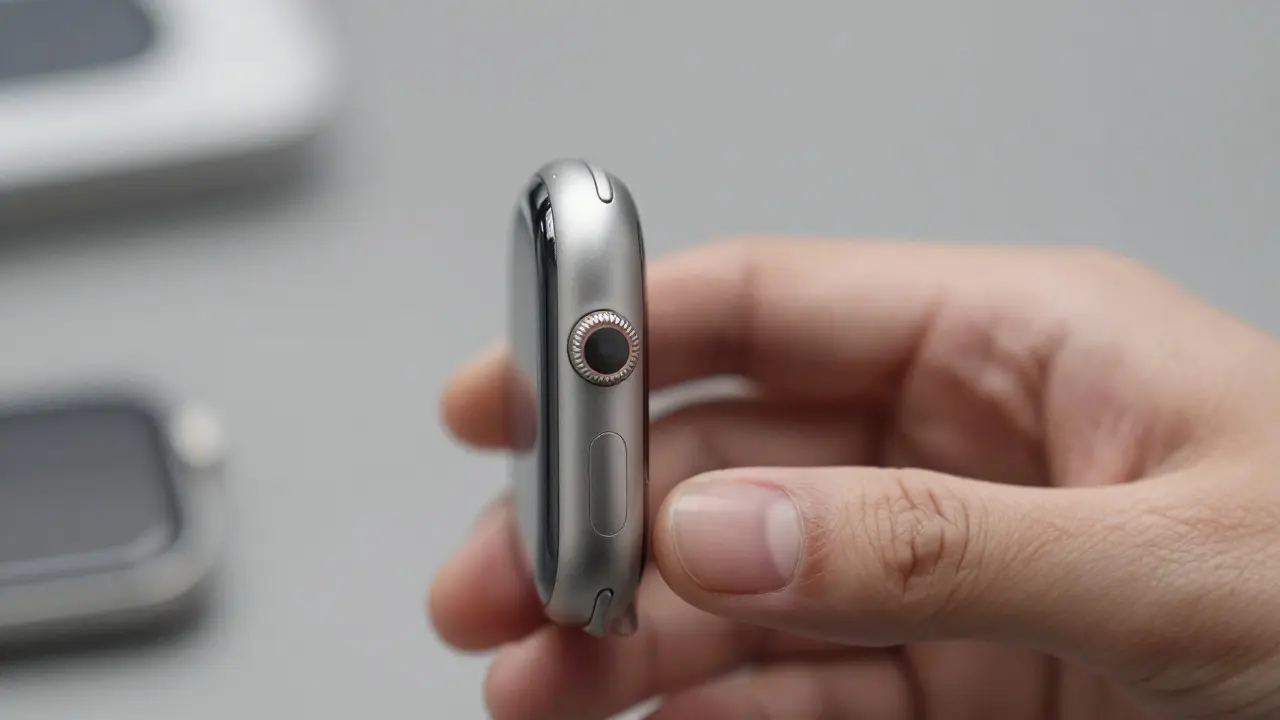
In recent years, Apple has moved up the metal hierarchy. The introduction of Titanium Grade 5 is a high-strength aerospace-grade alloy composed primarily of titanium and aluminum, known for its exceptional strength-to-weight ratio. in the Pro line of iPhones marked a significant shift. Titanium is roughly 45% lighter than steel but nearly as strong. This allowed Apple to reduce the overall device weight while maintaining the rigid frame structure. The finish, however, is different. Unlike the smooth, mirror-like polish of stainless steel, brushed titanium has a matte, textured appearance that resists fingerprints better.
This move wasn't just aesthetic; it was functional. By using titanium, engineers could thin the bezels further without sacrificing drop resistance. The trade-off? Cost. Titanium machining is slower and more complex than aluminum. Each unit takes longer to produce, and the raw material is significantly pricier. Yet, for the flagship segment, the performance gain in durability justified the price increase. This sets a precedent: metals can evolve to meet stricter performance demands, but they rarely become cheaper.
Composites Enter the Arena: Polycarbonate and Fiber Reinforcement
On the other side of the spectrum sits Polycarbonate is a group of thermoplastic polymers known for their high impact resistance, transparency, and low density, commonly used in durable consumer goods.. Historically, plastic was seen as a budget alternative. But modern composites have changed that narrative. When reinforced with fibers like glass or carbon, polycarbonate becomes incredibly tough. Think of the iPad Air or the base models of iPhones. These devices use composite backplates that are surprisingly resistant to cracks and shatters compared to glass alone.
Why switch? Signal reception is the primary driver. Plastic doesn't block Wi-Fi, Bluetooth, or cellular signals. This means designers can place antennas anywhere on the chassis without needing metal cutouts or plastic antenna strips. This flexibility allows for thinner profiles and larger battery packs because space isn't wasted on signal-blocking structures. Additionally, injection molding plastics is faster and cheaper than machining metal. This efficiency allows for lower price points or higher profit margins. The challenge, however, is the "feel." Even with premium coatings, plastic lacks the cold, dense sensation of metal. To combat this, manufacturers use texturing techniques and internal bracing to mimic the rigidity of metal frames.
Thermal Management: The Hidden Battle
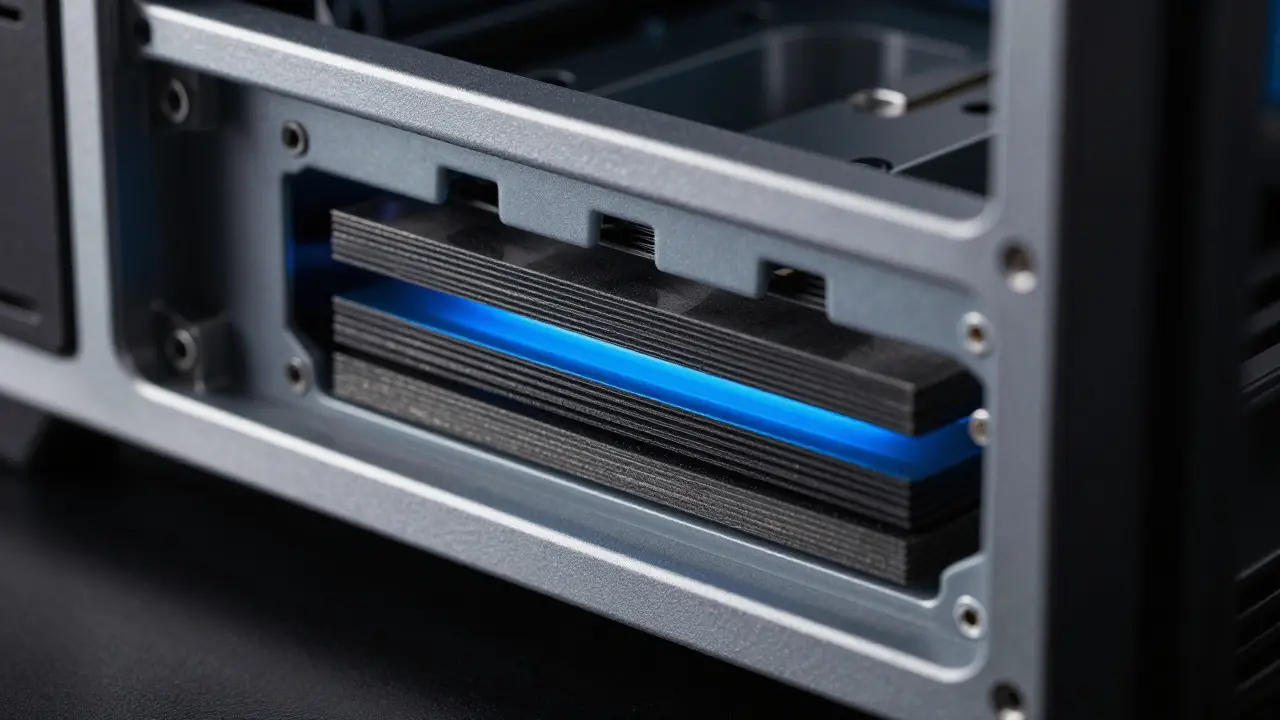
Beyond aesthetics and signal, the real engineering battle happens under the hood: heat. As processors get more powerful, so does the heat output. Metals like aluminum act as heat sinks, spreading heat away from the CPU to the entire body of the device. This passive cooling is efficient and requires no moving parts. Composites, being insulators, trap heat near the source. This can lead to throttling, where the processor slows down to prevent overheating.
To solve this, modern designs use hybrid approaches. You might find a metal vapor chamber or graphite sheet embedded within a composite frame. This creates a dedicated path for heat to escape without compromising the signal benefits of the outer shell. This complexity adds cost and assembly time, but it ensures performance consistency. For example, a tablet running a sustained video render needs to manage heat differently than a phone used for social media. The material choice directly dictates the thermal architecture of the device.
Comparing the Options: A Practical Breakdown
Choosing between metal and composite isn't a binary decision; it's a spectrum of trade-offs. Here is how they stack up in real-world scenarios:
| Attribute | Metal (Aluminum/Titanium) | Composite (Polycarbonate/Fiber) |
|---|---|---|
| Weight | Higher (Titanium is an exception) | Lower |
| Signal Reception | Poor (Requires antenna windows) | Excellent (Transparent to RF) |
| Thermal Conductivity | High (Efficient passive cooling) | Low (Requires active/complex cooling) |
| Manufacturing Cost | High (CNC Machining) | Low-Medium (Injection Molding) |
| Durability | High Impact Resistance, Susceptible to Dents | High Crack Resistance, Susceptible to Scratches |
| Perceived Premium Feel | High | Medium-Low (Depends on coating) |
The Hybrid Future: Best of Both Worlds
The future of premium hardware likely lies in hybrid construction. We are seeing more devices that use a metal frame for structural rigidity and thermal dissipation, paired with composite backplates for signal clarity and weight reduction. This approach allows designers to optimize each part for its specific function. The frame handles the stress and heat; the backplate handles the aesthetics and connectivity.
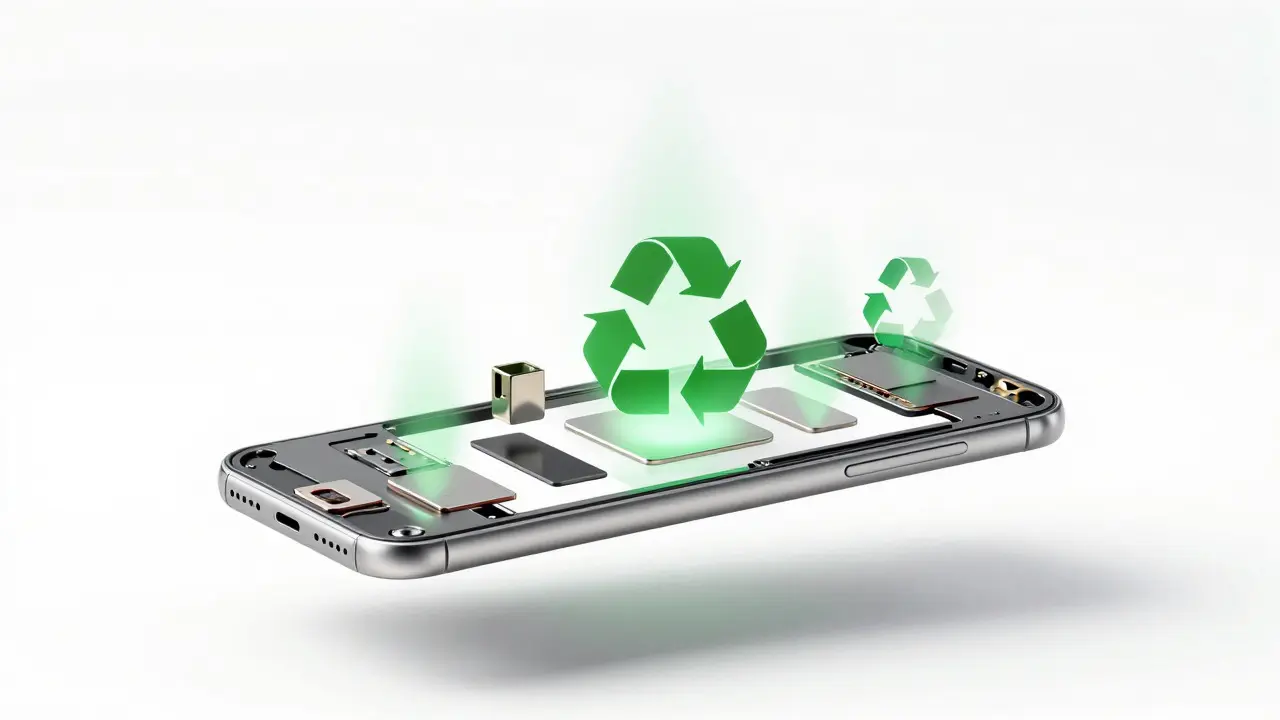
Recyclability is another factor pushing this trend. Metals are infinitely recyclable without loss of quality. Plastics, especially mixed composites, are harder to recycle. As environmental regulations tighten, the ability to disassemble a device and separate metal from plastic becomes a crucial design constraint. This modular approach not only aids in repairability but also aligns with circular economy goals. For consumers, this means devices that last longer and have a smaller environmental footprint, even if the initial price tag reflects the complexity of the materials.
What This Means for Buyers
When you pick up a new device, you're holding a compromise. If you prioritize long-term durability and don't mind the extra weight, a metal-heavy build is likely your best bet. It will handle drops and daily wear better, and it feels substantial. If you value signal strength, lighter weight, and potentially a lower price point, a composite-focused design makes sense. Just be aware that you might need to manage heat differently, perhaps by removing the case during heavy tasks.
Ultimately, the "premium feel" is subjective. For some, it's the cold touch of titanium. For others, it's the sleek, seamless look of a well-executed polymer. Understanding the material behind the surface helps you make a more informed decision, knowing exactly what you're paying for in terms of performance, longevity, and user experience.
Is titanium really stronger than aluminum?
Yes, specifically in terms of yield strength. Titanium Grade 5 has a much higher tensile strength than standard aluminum alloys, meaning it can withstand more force before deforming permanently. However, aluminum is generally easier to machine and less expensive, making it the default choice for most mid-range devices.
Do plastic phones catch fire more easily?
Not necessarily. Modern polycarbonates are rated for high heat resistance. The risk of fire usually comes from the battery, not the casing. In fact, plastic can sometimes insulate the battery from external heat sources better than metal, though it traps internal heat. Proper thermal design is key regardless of the outer material.
Why do some metal phones have bad Wi-Fi?
Metal blocks radio waves. If the antenna is placed inside a fully enclosed metal box, the signal can't get out. Manufacturers solve this by creating non-conductive gaps or using plastic antenna strips along the edges of the metal frame. If a device is poorly designed, these gaps might be insufficient, leading to weak signal reception.
Are composites eco-friendly?
It depends on the type. Pure polycarbonate is recyclable, but fiber-reinforced composites are difficult to separate. Many manufacturers are moving toward bio-based plastics or ensuring that composite parts can be easily removed for recycling. Always check the manufacturer's sustainability report for specifics on a particular model.
Which material lasts longer in a pocket?
Metal is more resistant to deep scratches and dents from keys, but it can show scuffs. Plastic is more resistant to cracking from impacts but can scratch more easily. Over five years, a metal device will likely retain its structural integrity better, while a plastic device might show more surface wear unless coated with a hard ceramic-like finish.

Categories
Popular Articles