
Apple doesn’t just make products. It builds experiences - ones that feel seamless, intentional, and almost human. That’s not magic. It’s the result of a design organization that operates differently from almost every other tech company. For over a decade, Apple’s design team wasn’t just a department. It was the heartbeat of innovation. And now, as leadership changes hands, the question isn’t just who’s in charge - it’s whether the culture that made Apple iconic can survive its own success.
How Jony Ive Built a Design Empire
When Jony Ive took over as Chief Design Officer, he didn’t just lead design - he redefined what design could do inside a corporation. Before Ive, design was often treated as a polish layer, something added after engineering was done. At Apple, he flipped that. Design became the starting point. Every curve, every button, every transition had to serve a single goal: simplicity without sacrifice.
The team didn’t report to marketing or engineering. They reported directly to the CEO. And they didn’t just approve designs - they built them. Ive’s team worked side-by-side with hardware engineers, software developers, and even materials scientists. A single iPhone prototype might go through 100 iterations because the team refused to accept anything less than perfection. This wasn’t about aesthetics. It was about function made beautiful.
That’s why Apple’s design culture became legendary. It wasn’t a hierarchy. It was a studio. Designers didn’t just hand off mockups. They sat in rooms with engineers arguing over the exact angle of a camera lens. They tested materials in labs. They listened to users in quiet observation rooms. And they had the authority to say no - even to Tim Cook.
The Shift: From Centralized Power to Studio Culture
After Ive stepped down in 2019, Apple didn’t replace him with another single visionary. Instead, it shifted from a one-person-led design empire to a distributed studio model. Alan Dye, who had led the user interface design team since 2013, became the new head of design. His role wasn’t to be the face of Apple design. It was to manage a network of specialized teams - one for watch interfaces, another for iOS, another for visionOS.
This change reflected Apple’s growth. With products now spanning iPhones, iPads, Macs, Watches, AirPods, Vision Pro, and services like Apple Music and Fitness+, you couldn’t have one person overseeing every detail. The studio model allowed for deeper specialization. Each team had autonomy, but they were still bound by the same rules: no compromise on quality, no shortcuts on user experience, no feature just because it was easy to build.
But here’s the catch: without a single, towering figure like Ive, the pressure to maintain consistency grew. Teams started making decisions independently. Some interfaces became more cluttered. Animations felt less precise. The subtle, almost invisible polish that defined early iOS began to fade. Critics called it stagnation. Users noticed. And internally, some designers felt the culture was slipping.

Enter Stephen Lemay: The Return to Detail
When Alan Dye left Apple at the end of 2025 to lead design at Meta, the company didn’t look outside. They promoted Stephen Lemay - a designer who had worked on every major Apple interface since the original iPhone. Lemay didn’t just design icons. He helped build the first iOS animations. He refined the scroll behavior on the home screen. He pushed back on features that felt gimmicky.
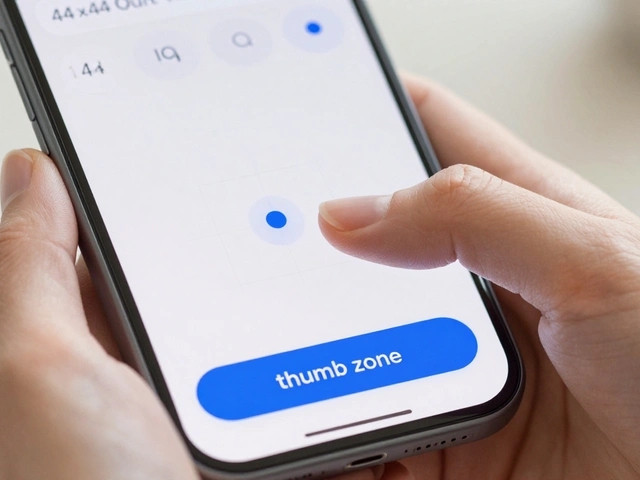
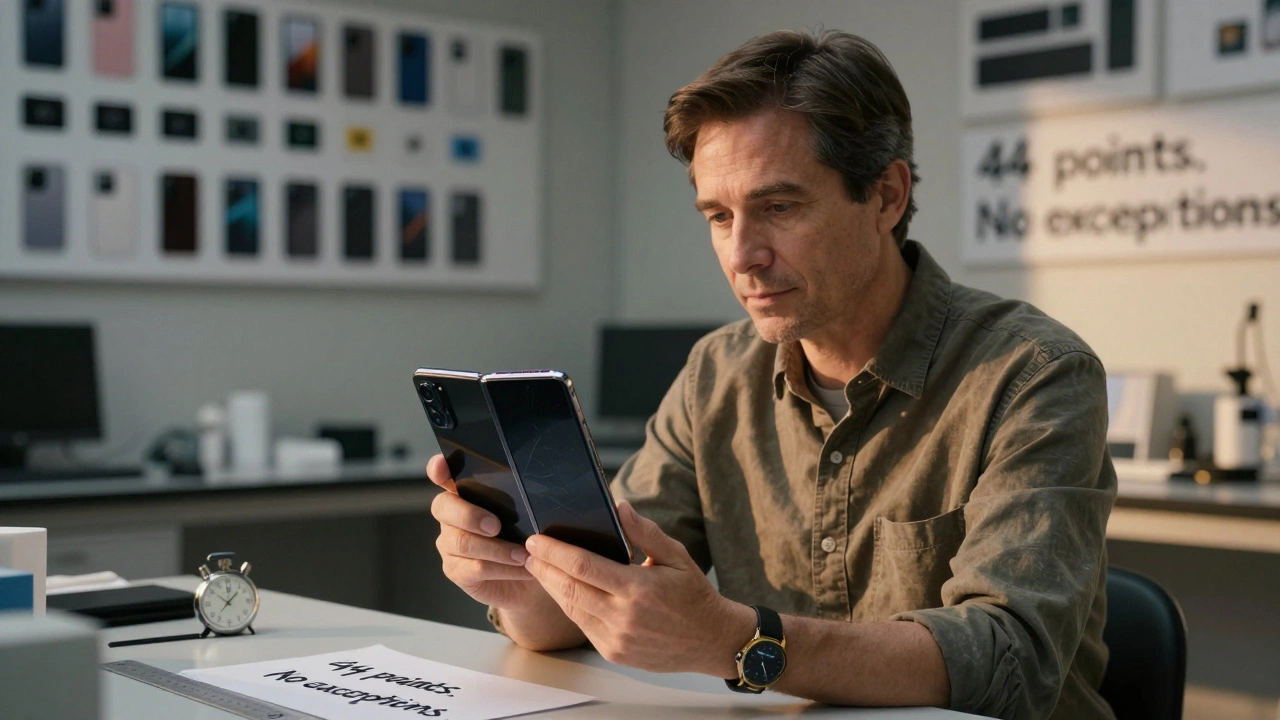
His promotion wasn’t just a personnel change. It was a signal. Apple was looking inward - not for a new direction, but for its old soul. Lemay represents a return to the days when every pixel mattered. When a 0.5-second delay in an animation wasn’t a bug - it was a failure. When a button’s tap area had to be exactly 44 points because that’s what human fingers could reliably hit.
Industry analysts believe Lemay’s appointment is Apple’s answer to two growing problems: the iOS interface feels dated, and visionOS feels bloated. People aren’t just asking for new features. They’re asking for refinement. Lemay’s background suggests he’s the one who can deliver that.
The Studio System: How Apple Makes Decisions
Apple doesn’t use traditional product managers. It uses Core Teams. These are small, cross-functional groups of 5-8 people - a designer, an engineer, a software developer, a materials expert, and sometimes a user researcher. They meet daily. They argue. They prototype. They fail. And they decide together.
There’s no single person with final say. No VP who can override the team. If the design team says a feature is too complex, it gets cut - even if engineering says it’s technically possible. If engineering says a material will crack under stress, the design gets redesigned - even if it looks perfect.
This system works because everyone is equally accountable. A designer doesn’t just make something look good. They’re responsible for whether it lasts. An engineer doesn’t just build something fast. They’re responsible for whether it feels right.
It’s messy. It’s slow. And that’s the point. Apple doesn’t want to be fast. It wants to be right.
Why This Matters Beyond Apple
Most companies treat design as a service. Apple treats it as a discipline. That difference shows up in the products.
Take the iPhone camera. Apple didn’t just make a better lens. They redesigned the entire user experience - from how the shutter button feels, to how the preview loads, to how photos are organized. It wasn’t one team’s job. It was the whole studio’s. The camera team worked with the design team, the software team, the AI team, and even the packaging team to make sure the experience felt unified.
That’s why Apple’s design culture is so hard to copy. You can’t hire a bunch of talented designers and expect the same results. You need a system. A culture. A shared obsession with detail. And leadership that protects that culture - even when it’s inconvenient.
What’s at Stake in 2026
Apple is about to launch its most ambitious design projects in years: a foldable iPhone, a new OLED MacBook Pro, and Vision Air - a lighter, more consumer-friendly version of Vision Pro. These aren’t incremental updates. They’re redefinitions of form, interaction, and user expectation.
But they’re also risky. Foldable phones have failed before. Vision Pro was a technical triumph, but its adoption is still limited. Apple can’t afford to miss again. And that’s why Lemay’s leadership matters so much.
If he succeeds, Apple reclaims its reputation as the company that sets the standard for design. If he fails - if the interface feels rushed, if the materials feel cheap, if the user experience feels cluttered - then Apple’s design legacy will be seen not as timeless, but as outdated.
The next 12 months will decide whether Apple’s studio culture is still alive - or just a memory.
Who was Jony Ive and why was he so important to Apple’s design?
Jony Ive was Apple’s Chief Design Officer from the late 1990s until 2019. He led the design of the iMac, iPod, iPhone, iPad, and Apple Watch. What made him unique was his hands-on approach - he didn’t just approve designs, he sculpted them. He worked directly with engineers, insisted on material purity, and refused to compromise on details. His leadership turned design from a supporting role into Apple’s core competitive advantage.
What is the difference between Apple’s design structure and other tech companies?
Most tech companies organize around product lines - each product has its own manager who controls design, engineering, and marketing. Apple organizes by function. Design, engineering, and software are separate teams, each led by experts. Decisions are made in cross-functional Core Teams where no one has final authority - everyone must agree. This slows things down but ensures every detail is intentional.
Why did Alan Dye leave Apple?
Alan Dye left Apple on December 31, 2025, to become Chief Design Officer at Meta. He had led Apple’s user interface design since 2013 and was responsible for the look and feel of iOS, watchOS, and visionOS. His departure was unexpected and marked the end of a major era in Apple’s design leadership. While Apple didn’t publicly state his reasons, industry analysts believe he was seeking a new challenge after helping shape Apple’s interface for over a decade.
What is Stephen Lemay known for at Apple?
Stephen Lemay is a veteran Apple designer who has worked on every major Apple interface since the original iPhone. He helped design the first iOS animations, refined the home screen layout, and pushed back on features that felt unnecessary. He’s known for his obsession with precision - down to the millisecond of an animation or the exact weight of a button press. His promotion signals Apple’s desire to return to that level of detail.
How does Apple’s design culture affect its product quality?
Apple’s culture forces teams to prioritize user experience over speed or cost. A design can be rejected even if it’s 90% complete if one detail feels off. This leads to slower development cycles, but also products that feel more cohesive and intuitive. Users notice the difference - even if they can’t explain why. That’s why Apple products often feel "just right," even when competitors have more features.