
Most companies chase the next big feature, the next discount, or the next viral trend. Apple doesn’t. Instead, it does something quieter, slower, and far more powerful: it stays consistent. Not just in how its products look, but in how they feel, how they work, and how they connect. This isn’t luck. It’s a design investment that spans decades, and it’s why millions of people trust Apple more than any other tech brand.
What Consistency Really Means for Apple
Consistency isn’t just using the same logo or color scheme. It’s about every single touchpoint telling the same story. When you open an iPhone box, the weight of it, the sound of the lid, the way the device slides out - all of it matches the feeling you get when you walk into an Apple Store. That’s not accidental. It’s engineered.
Think about how other brands operate. One product line uses bold colors, another uses muted tones. One app has a dark theme, another has bright buttons. Apple doesn’t do that. Every product, every app, every ad, every support page follows the same design language. It’s clean. It’s calm. It’s predictable in the best way - you know what to expect before you even touch it.
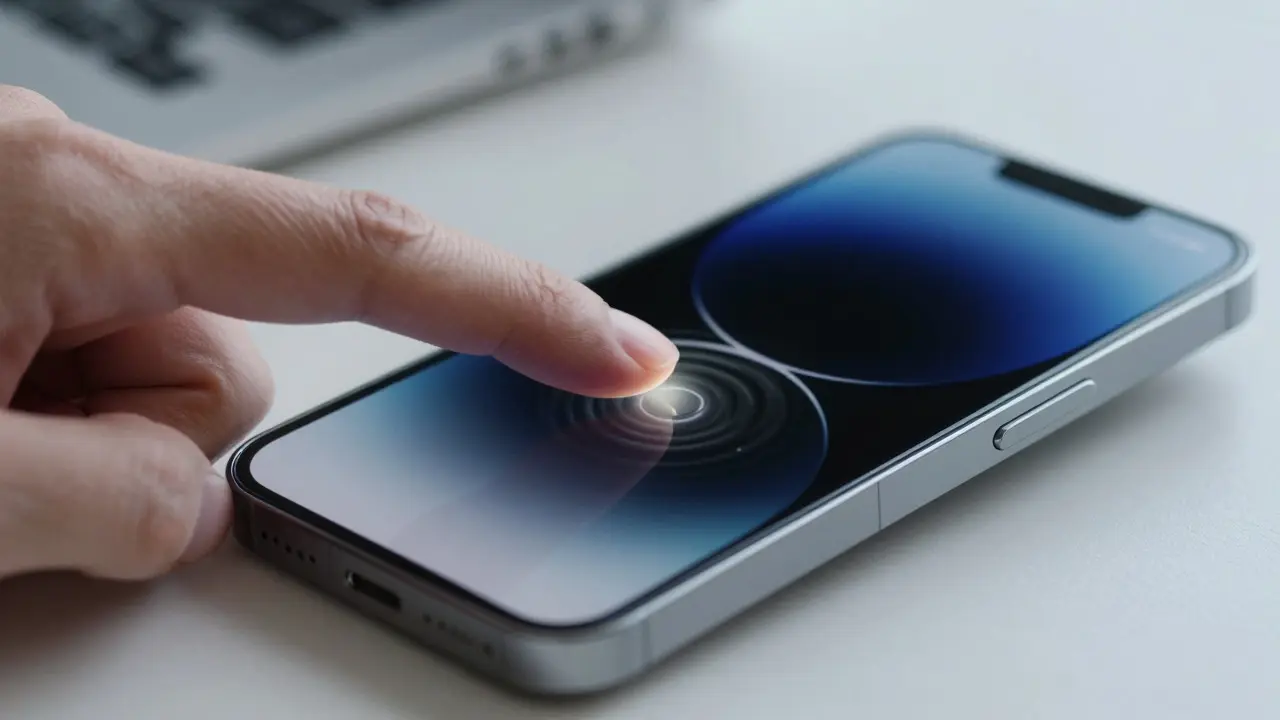
This predictability builds trust. When you’ve used an iPhone for five years, and then you buy an Apple Watch, you don’t need a manual. The way you swipe, the way you tap, the way notifications appear - it all feels familiar. That’s not just convenience. It’s emotional comfort. And comfort becomes loyalty.
The Branded House Strategy: One Brand, No Exceptions
Most tech companies create sub-brands. Samsung has Galaxy, Note, Z Fold. Google has Pixel, Nest, Wear OS. Apple? Just Apple. No separate names. No confusing family trees.
When Apple releases a new product - whether it’s AirPods Pro or a 14-inch MacBook - it doesn’t invent a new identity. It extends the Apple brand. That means every marketing campaign, every retail display, every customer service interaction reinforces the same message: simplicity, quality, and seamless integration.
This approach saves money in the long run. No need to build separate advertising campaigns for each product. No confusion in the market. When Apple says "AirPods," you don’t wonder if it’s a different company. You know exactly what it means. That clarity is rare. And it’s powerful.
The Ecosystem: Why You Can’t Just Switch
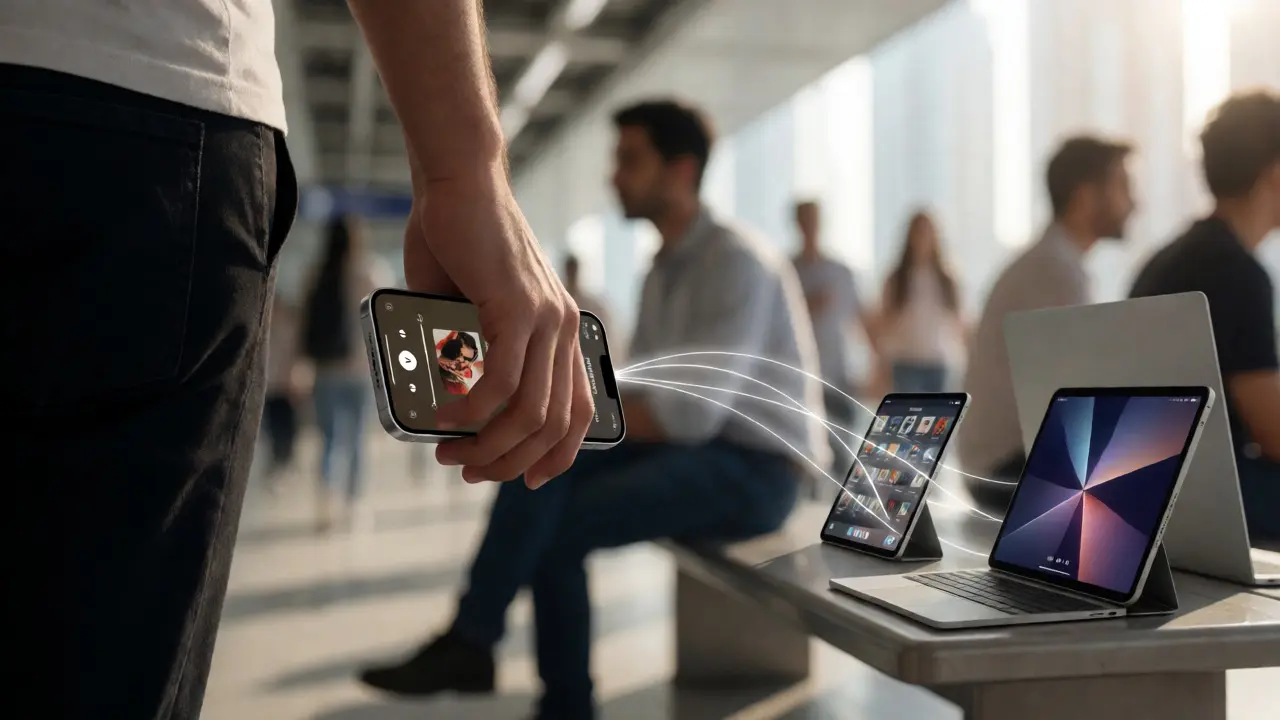
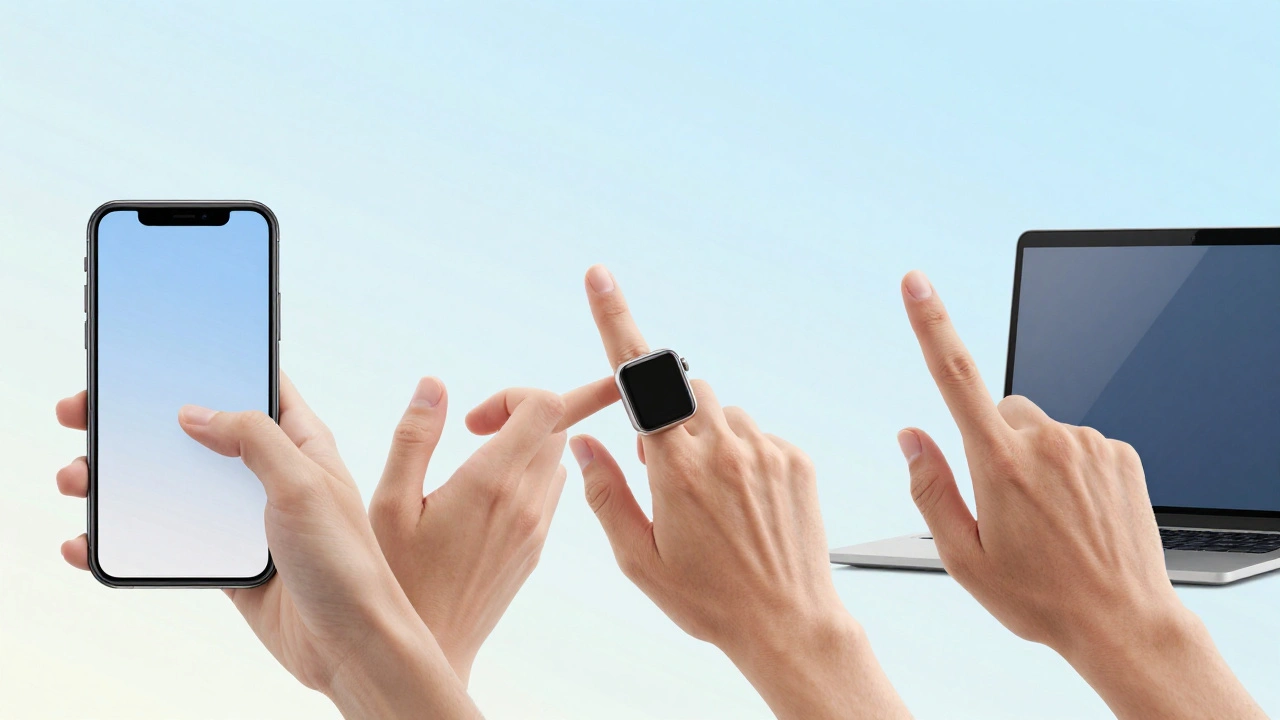
Apple doesn’t just sell devices. It sells a system. Your iPhone, iPad, Mac, Apple Watch, and AirPods don’t just work together - they *belong* together. Photos auto-sync. Notes appear on every screen. Your calendar updates across all devices. Your music picks up where you left off.
This isn’t magic. It’s design. Apple spends years making sure the backend works as smoothly as the front end. iCloud isn’t just storage - it’s the glue. The App Store isn’t just an app store - it’s the hub. And once you’re in, leaving becomes a hassle. Not because Apple locks you in. But because everything else feels broken in comparison.
Think about it: if you switch from an iPhone to a Samsung phone, you lose Handoff. You lose AirDrop. You lose the way your Apple Watch automatically unlocks your Mac. Those aren’t flashy features. They’re quiet, daily conveniences. And they add up to something bigger: trust in the whole system.
Design as a Service: Retail, Support, and Experience
Apple doesn’t treat design as something that ends when the product ships. It extends to the store, the website, the support call, even the packaging.
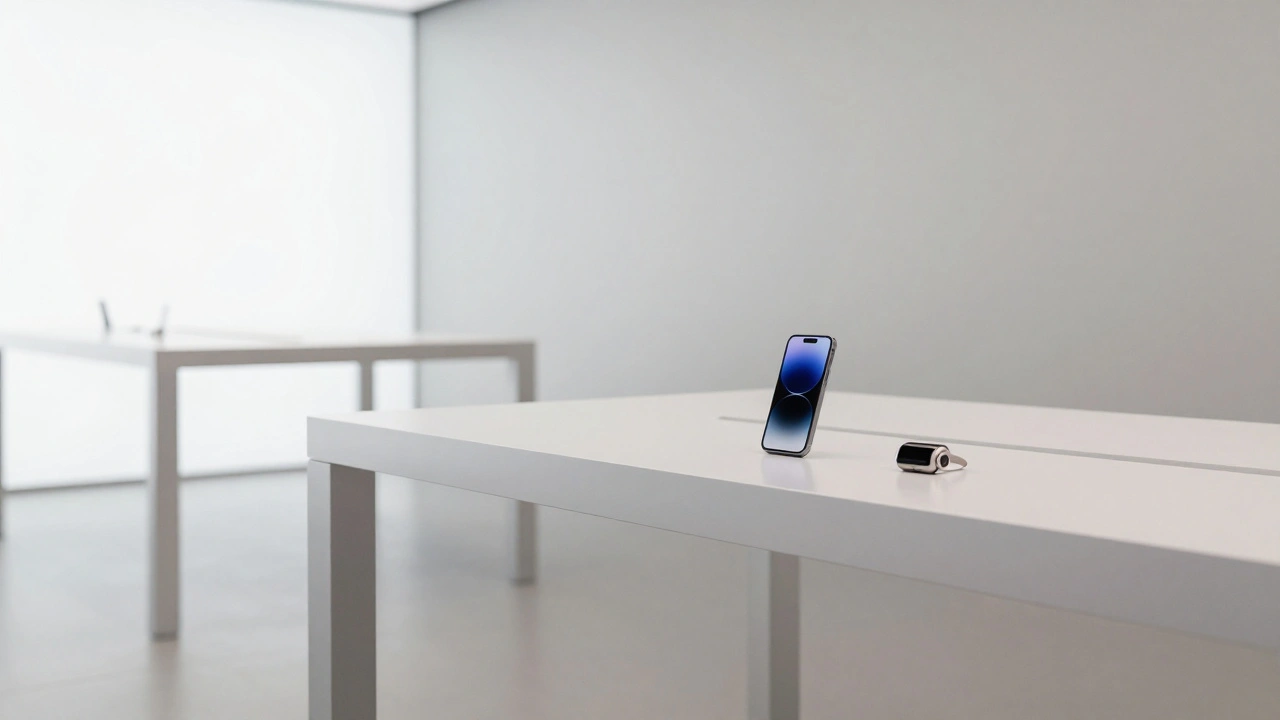
Apple Stores are designed like art galleries - no counters, no salespeople pushing you. Just open space, clean lines, and products you can touch. No pressure. Just exploration. That’s intentional. It says: "We trust you to understand quality. We don’t need to sell you."
Customer service? AppleCare isn’t an add-on. It’s part of the experience. When you call, you don’t get a script. You get someone who knows how to fix your device - not just replace it. The Genius Bar isn’t a repair station. It’s a consultation.
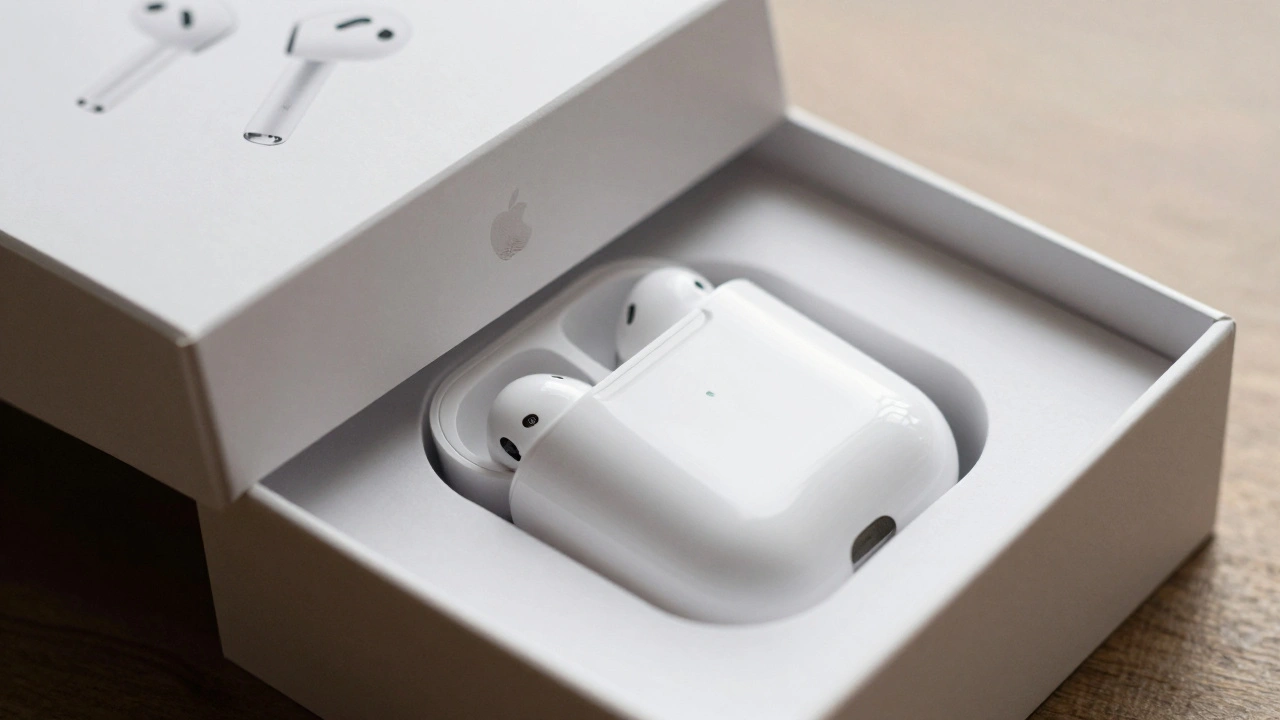
Even the packaging matters. The crisp white box. The magnetic closure. The way the product sits inside like a jewel. It’s not about being fancy. It’s about signaling: "This was made with care. You’re worth it."
Why Apple Never Discounts
You’ll never see an Apple sale. Not on Black Friday. Not during back-to-school. Not even during a recession.
That’s not a mistake. It’s strategy. By refusing to discount, Apple protects its brand value. If you always pay full price, you start to believe the product is worth that price. And when you believe that, you don’t shop around. You don’t wait for deals. You just buy.
Compare that to companies that run constant promotions. Their customers learn to wait. They compare prices. They look for the lowest bid. Apple’s customers? They don’t look. They trust.
That trust lets Apple charge more - and still sell out. It lets them launch new products with confidence. People don’t ask, "Is this worth $999?" They ask, "When can I get it?"
The Quiet Innovation That Builds Trust
Apple doesn’t lead with specs. It leads with experience. The iPhone didn’t win because it had the most megapixels. It won because the camera felt natural. The Apple Watch didn’t win because it had the most sensors. It won because it made health feel personal.
Apple’s real innovation isn’t in breaking new tech ground. It’s in making complex things feel simple. The M-series chips? They’re powerful. But you don’t care about teraflops. You care that your Mac runs silently, heats up less, and lasts all day. That’s the result of design thinking - not engineering bragging.
That’s why people trust Apple to keep improving. They’ve seen it before. Every new product doesn’t just add features. It removes friction. That consistency in approach - always simplifying, always refining - makes people believe the next thing will be better too.
Who Trusts Apple? Everyone - and That’s the Point
Apple doesn’t target one group. It doesn’t say, "This is for pros." Or "This is for casual users." It says, "This is for you."
A graphic designer uses Final Cut Pro. A student uses Notes. A grandparent uses FaceTime. A runner uses Apple Watch. All of them experience the same interface. The same feel. The same ease.
That’s rare. Most brands try to appeal to different audiences with different products. Apple unifies them. And because of that, trust spreads. A parent trusts Apple because their kid uses it. A professional trusts it because their team uses it. It becomes cultural.
It’s not about being the most advanced. It’s about being the most reliable. And reliability, over time, becomes trust.
Design Is the Long Game
Apple doesn’t measure success in quarterly earnings. It measures it in decades. The consistency you see today - the clean lines, the seamless integration, the calm interfaces - didn’t happen overnight. It was built one decision at a time. Every time they chose simplicity over complexity. Every time they chose experience over features. Every time they chose trust over a quick sale.
That’s why, in 2026, Apple still leads. Not because it has the biggest marketing budget. Not because it has the most patents. But because it built something no one else can copy: a brand people believe in.
Other companies can copy a design. They can copy a feature. But they can’t copy consistency. Not if it’s real. And Apple’s consistency isn’t surface deep. It’s in the bones of the company.
Trust isn’t built with ads. It’s built with every button you press, every box you open, every repair you get, every device that just works. Apple didn’t just design products. It designed a relationship.
Why does Apple never change its design language?
Apple doesn’t change its design language because consistency builds trust. Every design choice - from the rounded corners of the iPhone to the minimalist icons in iOS - reinforces the same message: simplicity, quality, and reliability. Changing it would confuse users and weaken the brand’s credibility. Apple’s design language isn’t about trends; it’s about creating a timeless experience that users recognize and rely on across devices and years.
How does Apple’s ecosystem increase brand loyalty?
Apple’s ecosystem ties all its products together through shared services like iCloud, AirDrop, Handoff, and Apple ID. When your iPhone, Mac, and Apple Watch work seamlessly together, switching to a competitor means losing that convenience. You’re not just leaving one device - you’re leaving a whole system that fits into your daily life. That makes people reluctant to leave, not because they’re locked in, but because everything else feels clunky in comparison.
Why doesn’t Apple offer discounts?
Apple avoids discounts to protect its brand value. Constant sales train customers to wait for deals, which erodes perceived quality. By never discounting, Apple reinforces the idea that its products are worth full price. This strategy attracts customers who value quality over cost, and it lets Apple maintain premium margins without chasing volume. It’s not about profit per unit - it’s about trust per customer.
Can other companies copy Apple’s design consistency?
Other companies can copy visual elements - colors, shapes, icons - but they can’t copy Apple’s consistency because it’s rooted in culture, not design rules. Apple’s entire organization is aligned around one principle: user experience above all else. That means engineering, marketing, retail, and support teams all work toward the same goal. Most companies have silos. Apple doesn’t. That alignment is what makes consistency real - and nearly impossible to replicate.
How does Apple’s retail experience build trust?
Apple Stores are designed to remove pressure and create space for discovery. No salespeople push products. No cluttered displays. Just clean spaces where you can try devices, ask questions, and get help. This experience mirrors Apple’s product design - calm, intuitive, and thoughtful. People don’t just buy products there; they feel respected. That emotional connection turns customers into loyal advocates.
Apple’s story isn’t about gadgets. It’s about how small, repeated choices - over years - create something bigger than a brand. It creates belief.