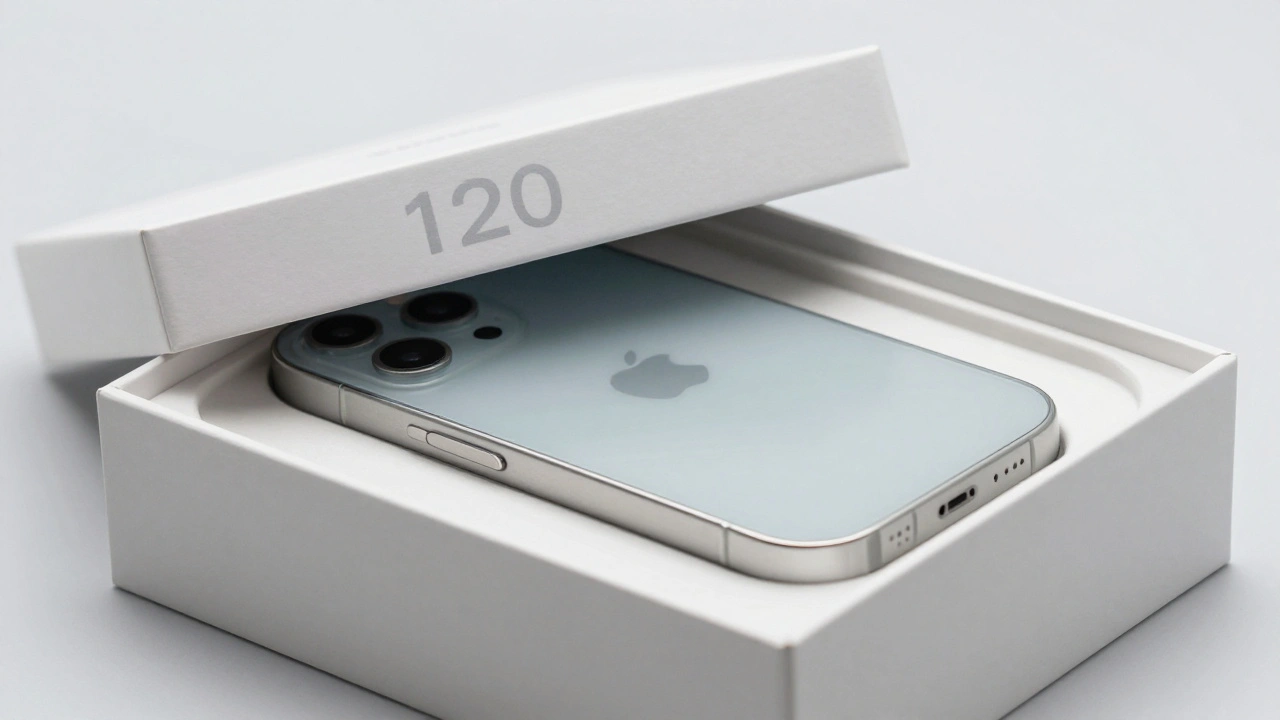

Have you ever held an Apple box and felt that specific weight? It’s not just the device inside. It’s the psychology of the package itself. When you break the seal on a new iPhone or Mac, you aren’t just opening cardboard; you are verifying authenticity. In a market flooded with counterfeits and grey-market imports, tamper cues act as the silent handshake between the manufacturer and the buyer. These subtle design elements signal that what you’re holding is exactly what it claims to be.
The Psychology of the First Touch
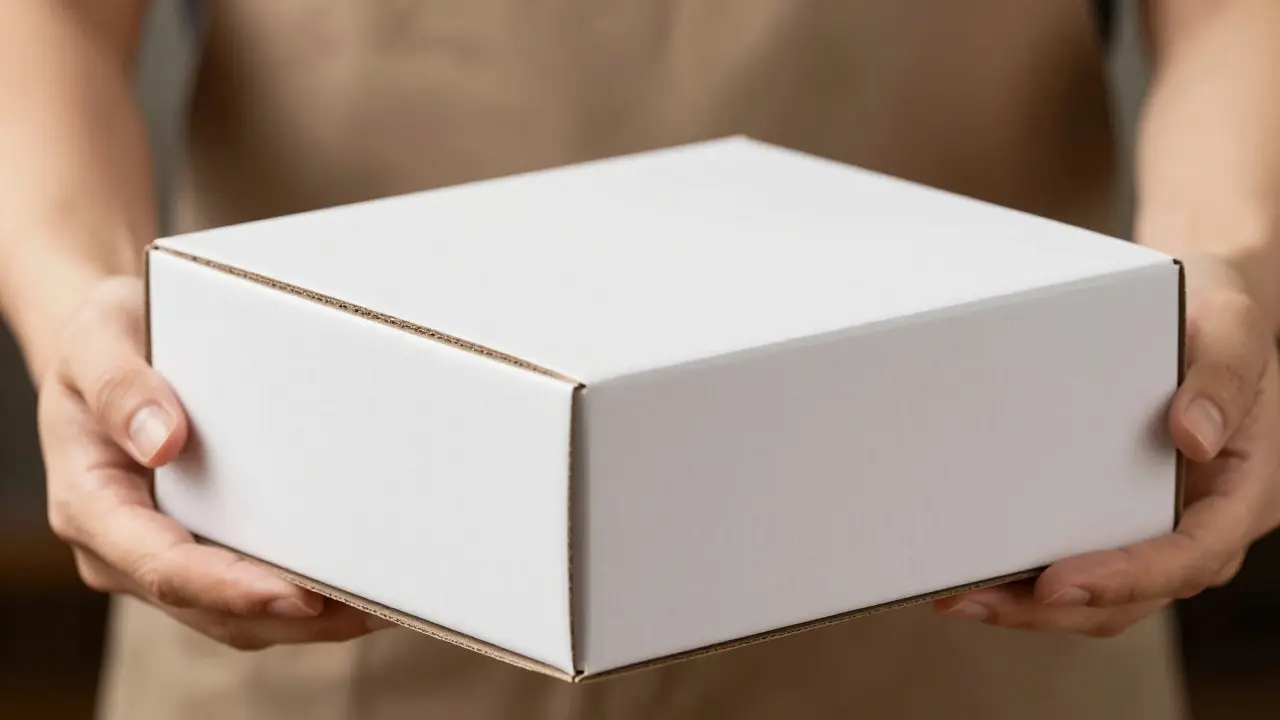
Before you even see the logo, your hands tell you something is right. This is where tactile feedback comes in. Apple uses high-grade corrugated cardboard with a precise density. If the box feels flimsy or the corners are crushed, your brain flags a potential issue before you even look at the label. This physical interaction builds immediate confidence. It’s a form of non-verbal communication that says, "This product has been handled with care from factory to shelf."
This tactile quality isn't accidental. It’s engineered to resist compression during shipping while maintaining a premium feel. The rigidity of the box protects the fragile electronics inside, but more importantly, it protects the brand promise. If the box arrives dented, the assumption is that the device might be too. By controlling this variable, Apple reduces anxiety for the consumer, turning a simple purchase into a reliable ritual.
Seals and Holograms: The Visual Proof
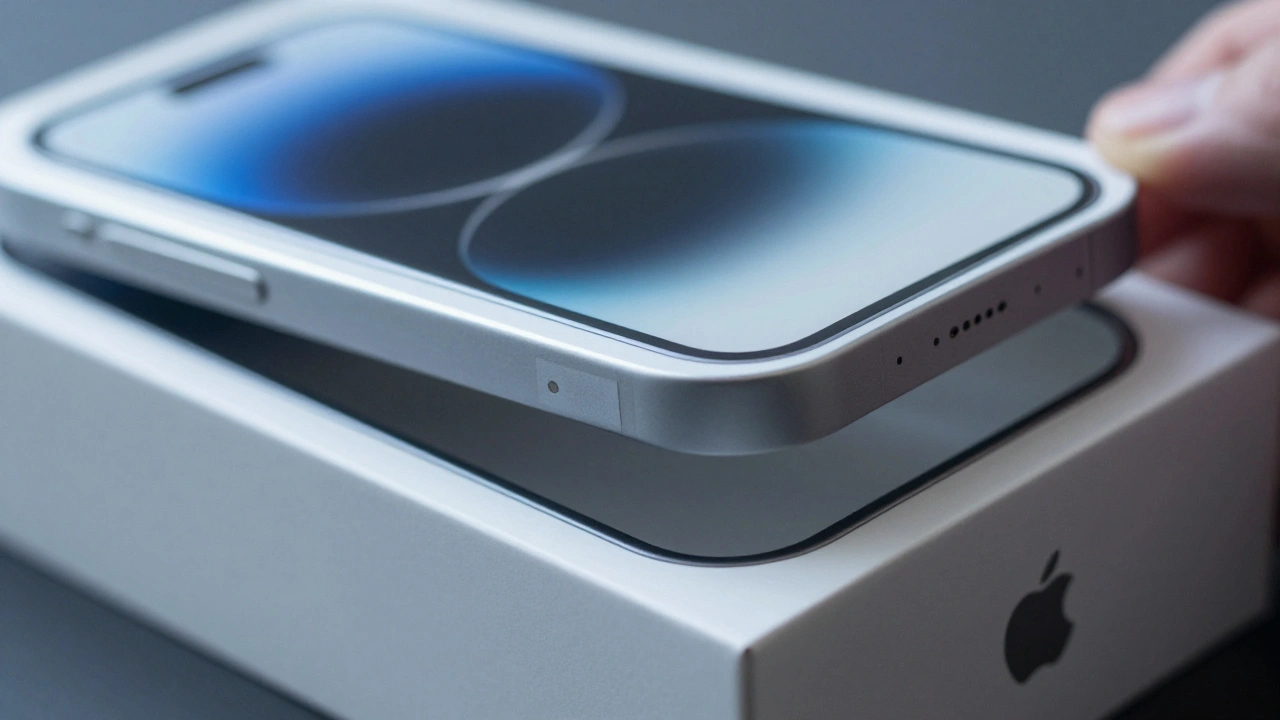
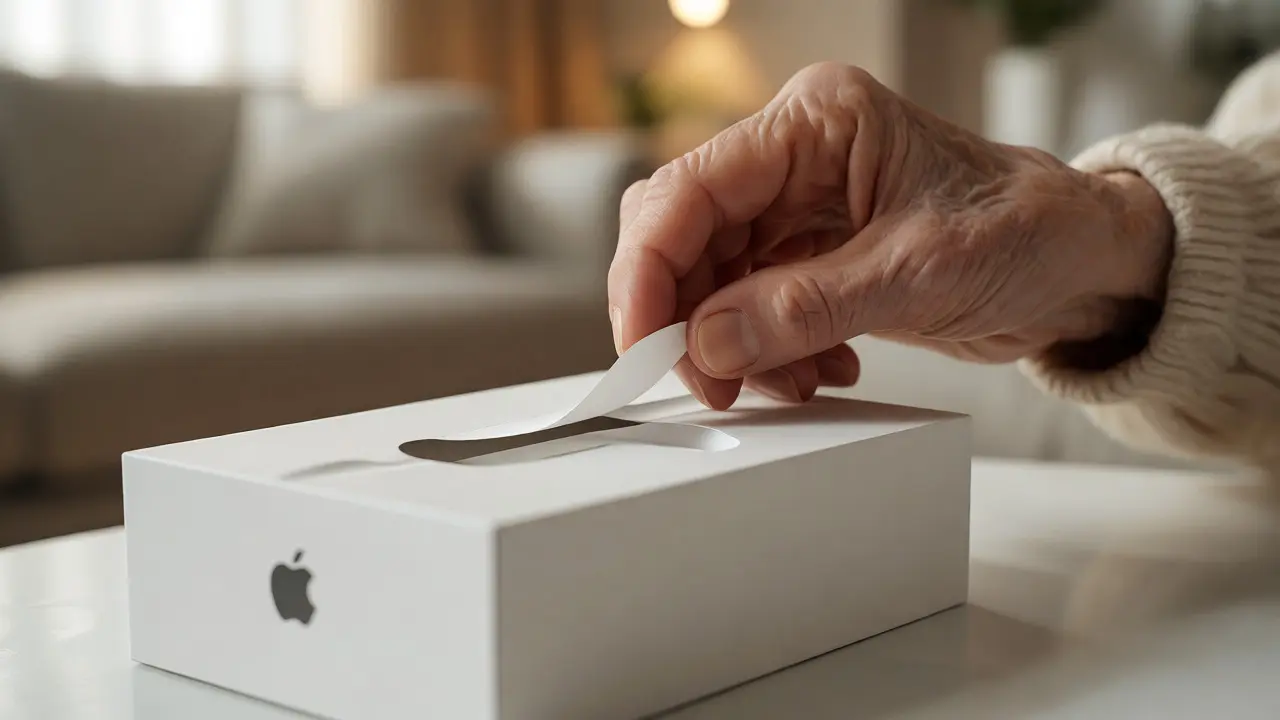
Visual cues are the second layer of defense. You’ve likely noticed the small plastic bands or paper seals around the lid. These aren't just decorative. They serve as primary security seals. Once broken, they can’t be reattached without leaving visible damage. This creates a clear binary state: sealed (authentic) or open (inspected).
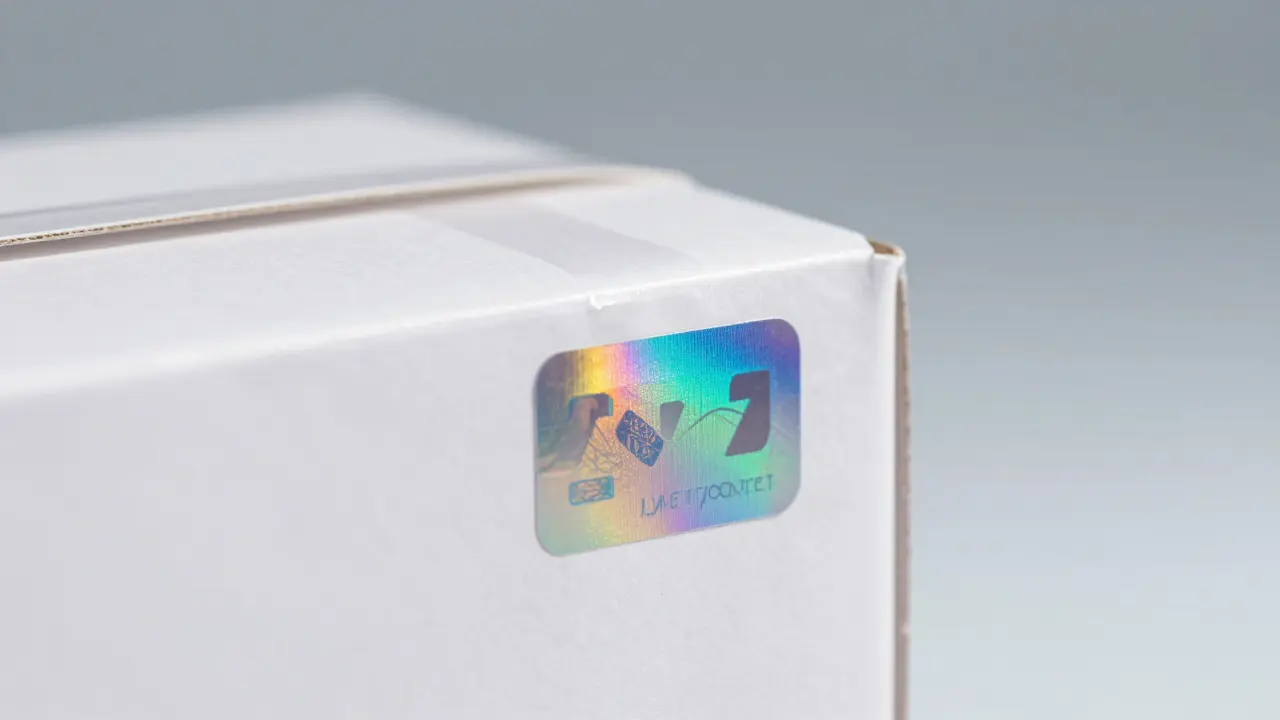
Beyond the basic seal, Apple employs sophisticated holographic stickers. These micro-patterns shift color when viewed from different angles. Forging these requires specialized printing equipment that most counterfeiters lack. While a fake box might get the shape right, getting the hologram to behave correctly under light is notoriously difficult. Retail staff often use these visual markers to spot fakes quickly, saving both the store and the customer from a bad deal.
| Feature | Function | Counterfeit Difficulty | User Interaction |
|---|---|---|---|
| Corrugated Density | Structural protection and tactile quality | Medium (requires specific material sourcing) | Passive (feel and sound) |
| Plastic/Paper Seals | Indicate if the box was opened previously | Low (easy to replicate visually, hard to match tension) | Active (breaking the seal) |
| Holographic Stickers | Verify authenticity via light refraction | High (requires specialized printing) | Active (visual inspection) |
| Serial Number Alignment | Link physical unit to digital record | Very High (requires database access) | Active (scanning/checking) |
The Role of Serial Numbers and Digital Verification
Physical cues only go so far. The real power lies in connecting the object to data. Every Apple device has a unique serial number printed on the box and etched into the hardware. This number acts as a digital fingerprint. When you scan it using the official support app or website, it verifies that the device is registered in Apple’s global database.
This process bridges the gap between the physical world and the cloud. If you buy a used MacBook online, checking the serial number tells you if it’s still under warranty or if it’s been reported stolen. This transparency empowers buyers to make informed decisions. It shifts the burden of proof from the seller to the system, creating a safer marketplace for secondary sales.
Supply Chain Integrity and Logistics
Tamper cues don’t start at the retail shelf; they begin in the warehouse. supply chain security involves tracking boxes through multiple hands. Each stage, from manufacturing to distribution centers, adds a layer of accountability. If a box shows signs of tampering at a regional depot, it’s flagged before it reaches a store.
This rigorous monitoring ensures that the integrity of the package is maintained throughout its journey. It also helps identify bottlenecks or mishandling issues. For consumers, this means that when you finally pick up the box, it has passed through a series of checks designed to ensure nothing went wrong along the way. The silence of the process is what makes it effective; you don’t see the logistics, you just receive a pristine product.
Consumer Behavior and the Unboxing Ritual
Let’s be honest: we buy the box as much as the phone. The unboxing experience has become a cultural phenomenon. Videos of people opening new gadgets rack up millions of views because the process is satisfying. The crisp sound of the tape tearing, the smooth lift of the lid, the clean reveal of the device-these moments are curated by design.
Trust is built in these seconds. If the tape peels off in chunks or the lid sticks, the magic breaks. Apple understands that the emotional response to the package influences long-term satisfaction. A positive unboxing reinforces the idea that the brand cares about details. This emotional connection often outweighs technical specs for many buyers, making the packaging a critical part of the value proposition.
Challenges in Maintaining Authenticity
Despite these robust measures, counterfeiting remains a persistent threat. As technology advances, so do the tools available to fakers. Recent years have seen high-quality replicas that mimic the texture and weight of original boxes. To combat this, Apple continuously updates its security features, rotating hologram designs and changing seal mechanisms periodically.
This cat-and-mouse game requires constant vigilance. Retail partners must stay trained on the latest indicators of authenticity. Consumers, too, need to be aware that a perfect-looking box doesn’t guarantee a genuine device if the serial number doesn’t check out. Education plays a crucial role here. By understanding how to verify their purchases, customers become active participants in protecting the supply chain.
Future Trends in Secure Packaging
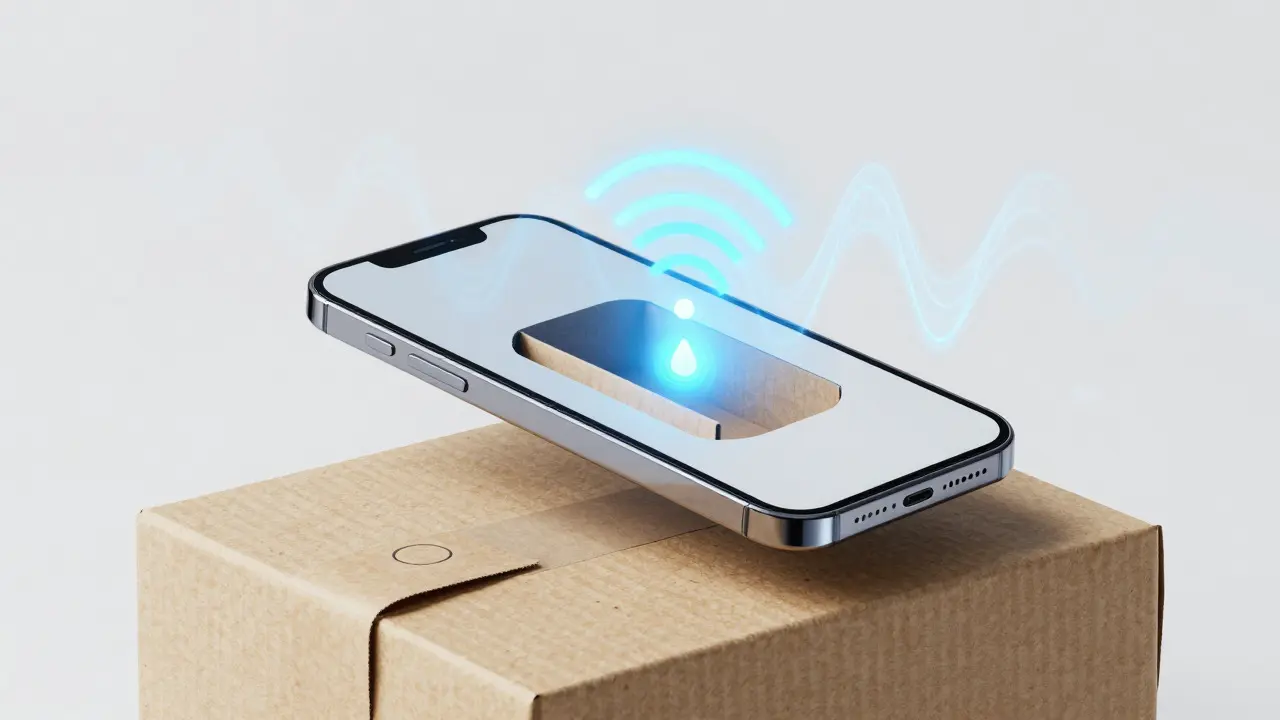
Where does this go next? The future of packaging security is moving toward invisible technologies. Researchers are exploring NFC tags embedded directly into the cardboard. With a simple tap of a smartphone, users could instantly verify authenticity without needing to scan a barcode or check a sticker. This would make verification faster and harder to forge.
Sustainability is also shaping security design. As Apple moves toward plastic-free packaging, new materials must maintain their structural integrity while offering tamper evidence. This dual challenge drives innovation in bio-based adhesives and recycled fibers that can withstand the rigors of shipping while signaling authenticity. The goal remains the same: to make trust effortless for the consumer, even as the methods evolve.
Frequently Asked Questions
How can I tell if my Apple box has been opened before?
Check the plastic or paper seals around the lid. If they are torn, stretched, or missing, the box has likely been opened. Also, inspect the edges of the cardboard for any creases or pressure marks that indicate the lid was forced open and closed again.
Does the serial number on the box always match the device inside?
Yes, for authentic products, the serial number printed on the box should match the serial number found on the device itself. If they differ, it could indicate a mismatched component or a counterfeit item. Always verify this match upon receipt.
Why do some Apple boxes feel heavier than others?
The weight depends on the specific model and included accessories. However, consistent weight across identical models is a sign of quality control. Significant deviations might suggest missing parts or inferior packaging materials used in counterfeit goods.
Are holographic stickers required on all Apple products?
Not all products feature holographic stickers, but most major devices like iPhones and MacBooks do. Smaller accessories may rely solely on serial numbers and packaging structure. Check the specific product line's standard packaging guidelines for accuracy.
What should I do if I suspect my Apple product is counterfeit?
Stop using the device immediately. Verify the serial number on Apple’s official support site. If it doesn’t register, contact the retailer for a return or exchange. Keep the original packaging and any receipts, as they will be needed for the claim. Report the incident to local consumer protection agencies if necessary.