
| Finish Type | Fingerprint Visibility | Scratch Visibility | Maintenance Level |
|---|---|---|---|
| Matte (Pro/Air) | Low | Low (except dark colors) | Weekly/Bi-weekly |
| Glossy (Standard) | High | Moderate | Daily |
| Brushed Titanium | Very Low | Very Low | Occasional |
The Battle Between Matte and Glossy
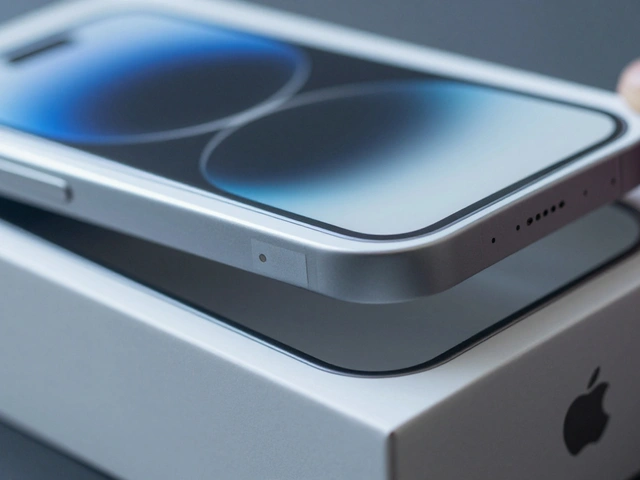
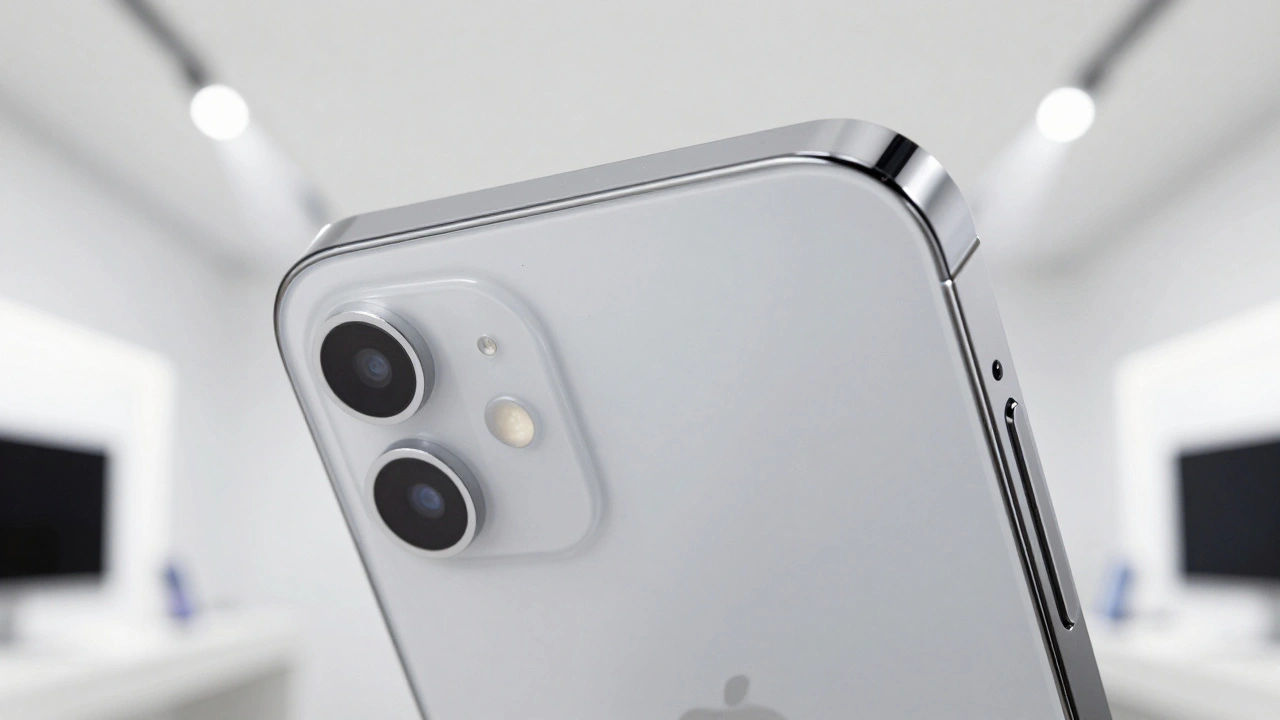
It all comes down to how light hits the surface. A glossy finish is a smooth, polished surface that reflects light uniformly, making it prone to showing oils and micro-scratches. Because the surface is a mirror, any disruption-like a thumbprint-creates a visible contrast. This is why glossy white or blue models often look "dirty" just minutes after a cleaning. On the other side, matte finishes are textured surfaces that diffuse light, preventing uniform reflection and masking fingerprints. If you look at the iPhone 17 Air, the matte finish is a calculated middle ground; it doesn't have the intense pop of a glossy back, but it's far more practical for people who hate carrying a microfiber cloth. In real-world testing, matte black Pro models virtually eliminate visible fingerprints, while glossy alternatives require almost daily attention to stay pristine.How Color Impacts Smudges and Scratches
Color isn't just about aesthetics; it's about physics. Darker shades, like Black or the deep Ultramarine from the iPhone 16, are great at hiding fingerprints because they absorb light. However, they have a specific weakness: edge wear. When the paint or anodization on a dark aluminum frame wears down, it reveals a silver underlayer. These tiny silver scratches stand out vividly against a dark background. Lighter colors work in the opposite way. White reflects light uniformly, which theoretically should make smudges obvious. Yet, many users find that White is the true minimalist's choice. It hides dust better than any other color and, surprisingly, often appears cleaner over long-term use. While some argue oils are more visible on light surfaces, the lack of contrasting "dust specks" makes white feel more forgiving.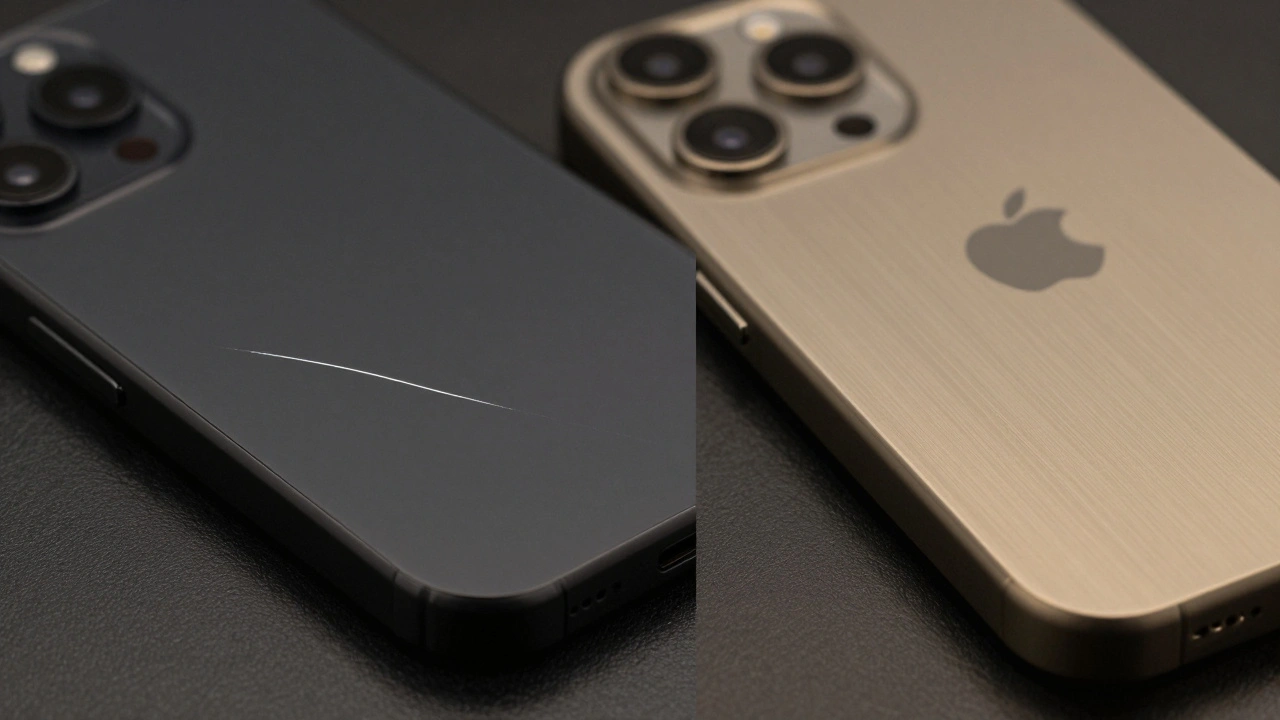
Titanium and Professional Aesthetics
For those opting for the Pro line, Titanium is the star of the show. Unlike the aluminum used in standard models, the brushed texture of titanium is naturally resistant to fingerprints. The introduction of Desert Titanium offered a warm, earthy alternative to the traditional Black and White Titanium, fitting a professional vibe without being too loud. If you work in a corporate environment, neutral tones like Natural Titanium or Silver are the safest bets. They complement business attire and don't distract. On the flip side, those in creative fields often lean toward bolder choices like the exclusive orange variants. These signal personality and innovation, though they come with a trade-off in the second-hand market.The Long Game: Resale Value and Fading
If you plan to upgrade your phone every year, color choice actually affects your wallet. Market data consistently shows that Black and Silver retain the highest resale values. Why? Because they have the broadest appeal. A buyer in 2027 is more likely to buy a used Black iPhone than a bright Orange one, which might feel like a "2025 trend" that has since passed. There is also the issue of fading. Bright, saturated colors-like purple or orange-are more susceptible to UV damage over time. Once a color fades, there's no way to "touch it up." This is where a UV-resistant case becomes a necessity, not just an accessory. Similarly, deep scratches on dark aluminum frames are permanent, whereas they are nearly invisible on a Silver or Natural Titanium device.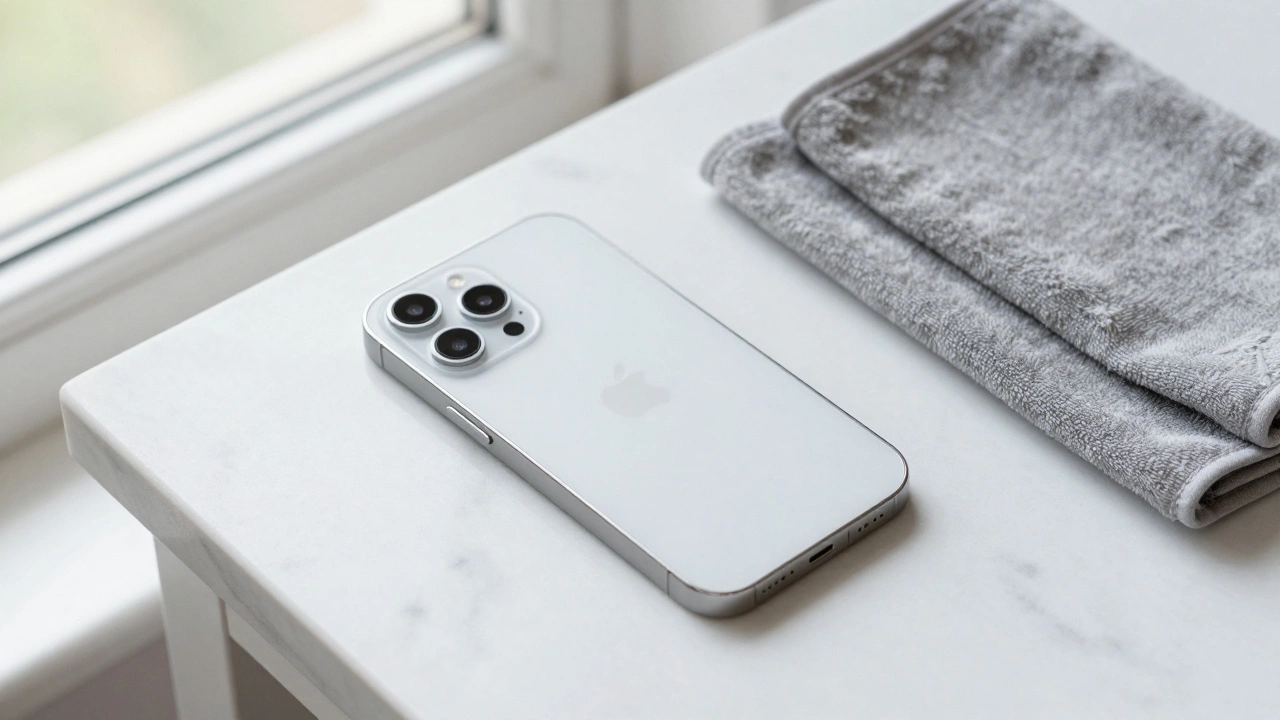
Matching Your Case to Your Material
Your case shouldn't just protect the phone; it should complement the material science of the device. If you bought a white iPhone, you're in luck-white is the most versatile base. It makes colorful cases "pop" and looks premium even with a clear shell. For those with dark-colored phones, look for cases with raised edges. Since the edges of dark iPhones are where silver scratches are most prominent, a case that lifts the frame off the surface is the only real way to prevent that wear. If you have a glossy finish, a matte-textured case can actually help reduce the overall "slick" feel of the device and mitigate the buildup of oils where you grip the phone.Practical Maintenance Tips
Depending on your choice, your cleaning routine will vary. If you have a glossy blue standard model, you're looking at daily wipe-downs to keep it looking fresh. A matte black Pro model, however, can usually go a full week before fingerprints become noticeable. To keep any finish in top shape:- Use a microfiber cloth and gentle circular motions for glossy surfaces to avoid creating new micro-scratches.
- Avoid harsh chemicals that can strip the matte coating or fade bright colors.
- Install a high-quality case from day one to prevent the inevitable edge wear on aluminum frames.
- Clean your camera lens area more frequently than the back panel, as the glossier glass around the sensors attracts smudges more aggressively.
Which iPhone color hides fingerprints the best?
Matte black Pro models are exceptional at hiding fingerprints. However, white is often cited as the best overall minimalist choice because it hides both dust and smudges more effectively than most saturated colors.
Do dark colors scratch more easily?
The material itself doesn't scratch more easily, but the scratches are much more visible. On dark aluminum frames, scratches reveal the silver metal underneath, creating a high-contrast mark that isn't as obvious on silver or titanium models.
Does the finish affect the resale value?
Yes, neutral colors like Black and Silver generally have broader appeal and tend to retain their value better in the second-hand market compared to bold, trend-specific colors like orange or purple.
What is the difference between the iPhone 17 Air and Pro finishes?
The Pro models use a premium brushed titanium finish that is highly resistant to fingerprints. The Air models use a refined matte glass that is more practical than glossy finishes but slightly less "industrial" than the titanium on the Pro.
How do I prevent my bright-colored iPhone from fading?
The best way to prevent cosmetic fading on colors like orange or purple is to use a UV-resistant case, which protects the material from prolonged exposure to direct sunlight.