
Most people think of packaging as just a box that protects a product. But Apple doesn’t see it that way. For Apple, the box isn’t a container-it’s the first interaction you have with the product. And that interaction? It’s carefully, deliberately engineered. Not to make things easier. Not to save money. But to make you pause.
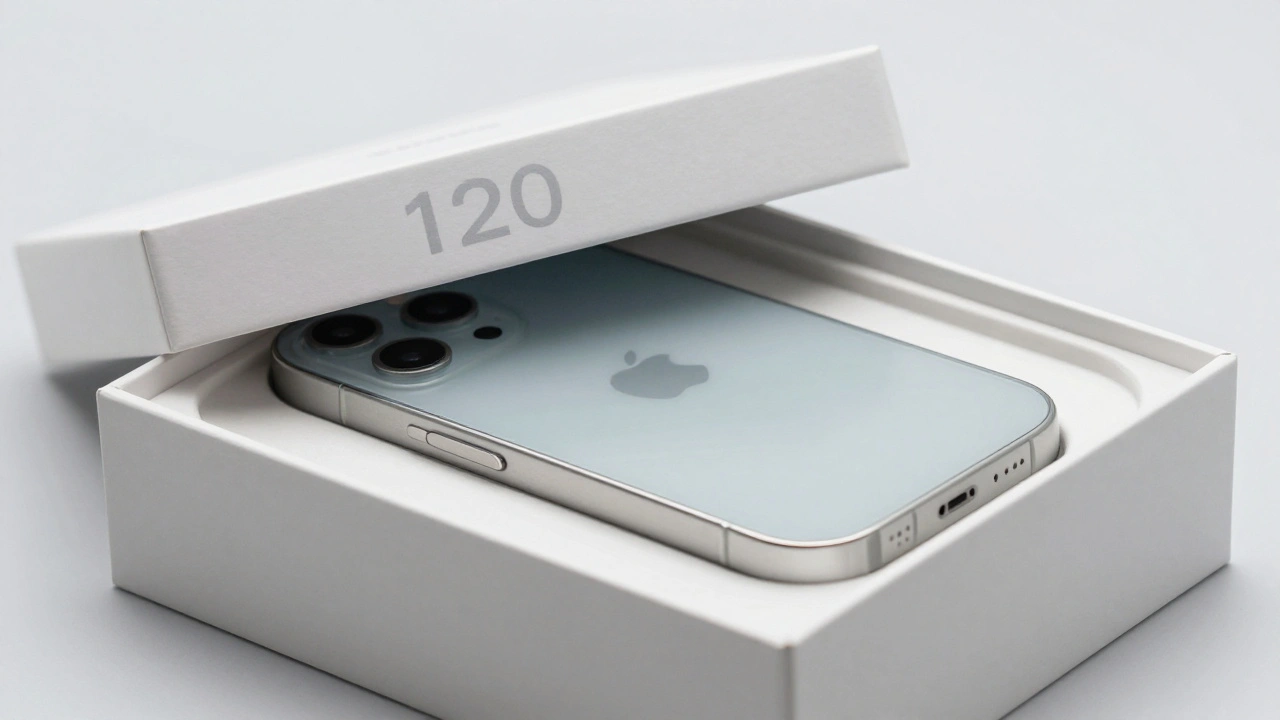
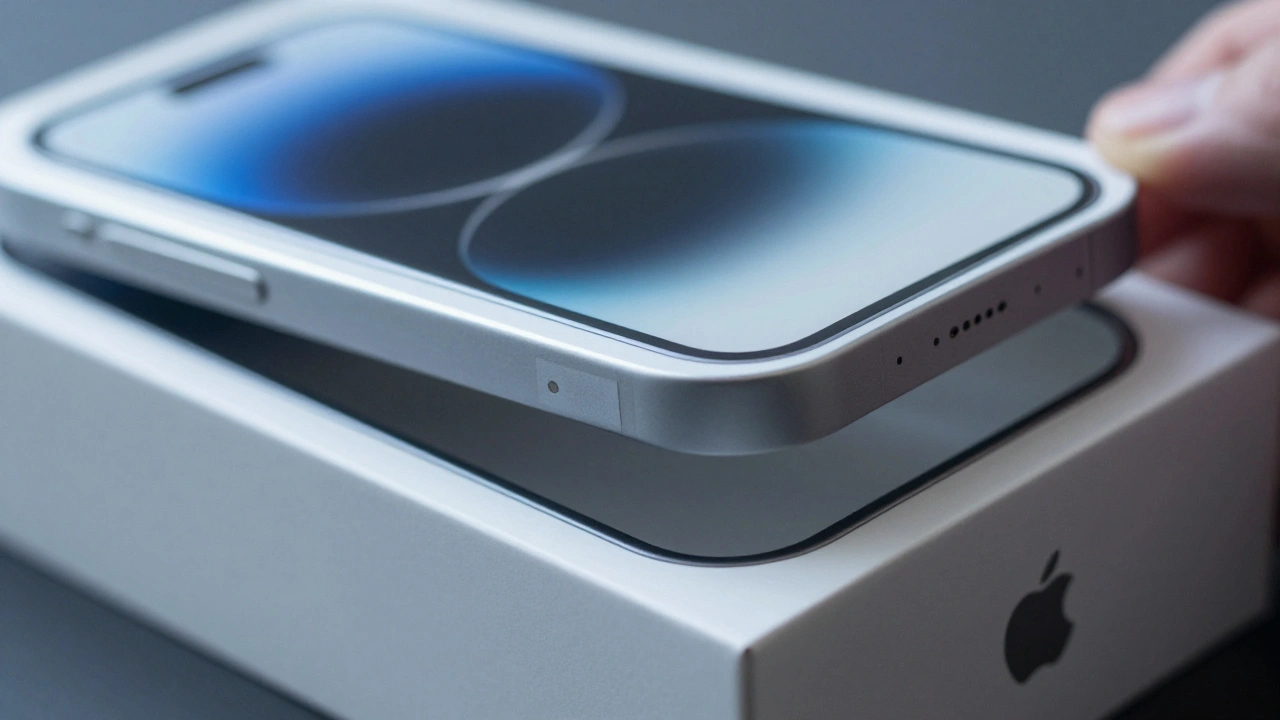
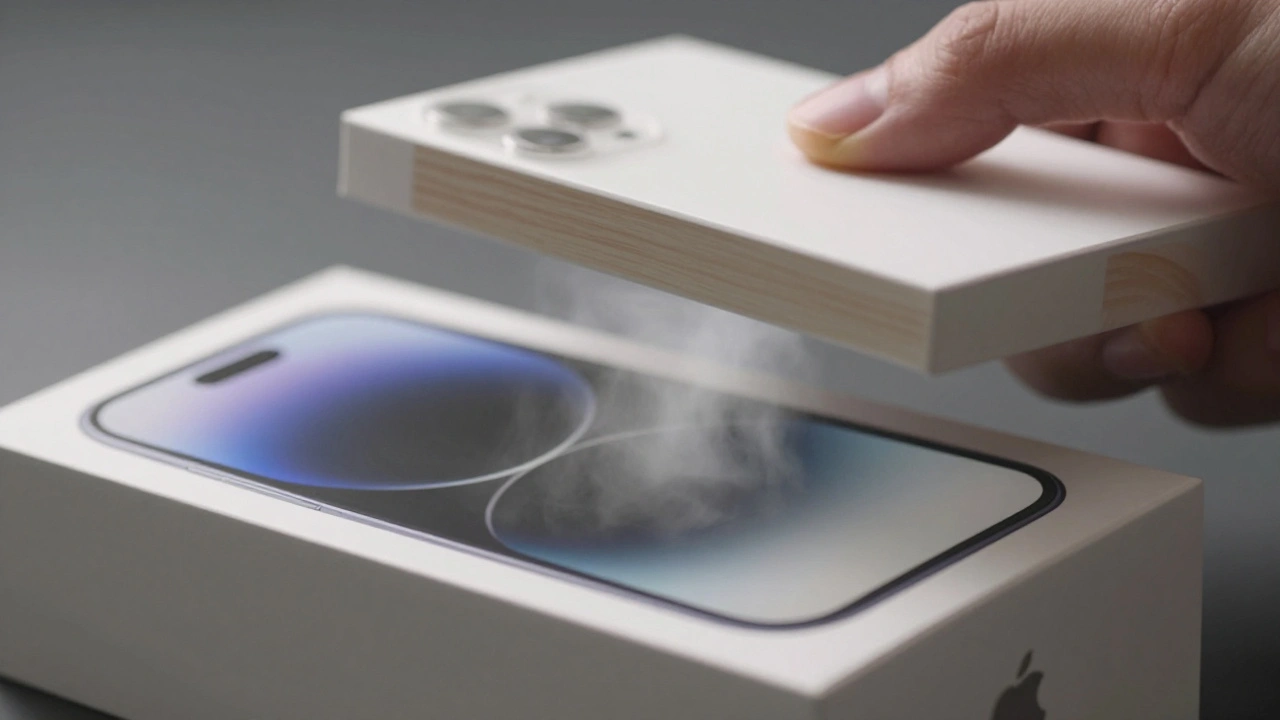
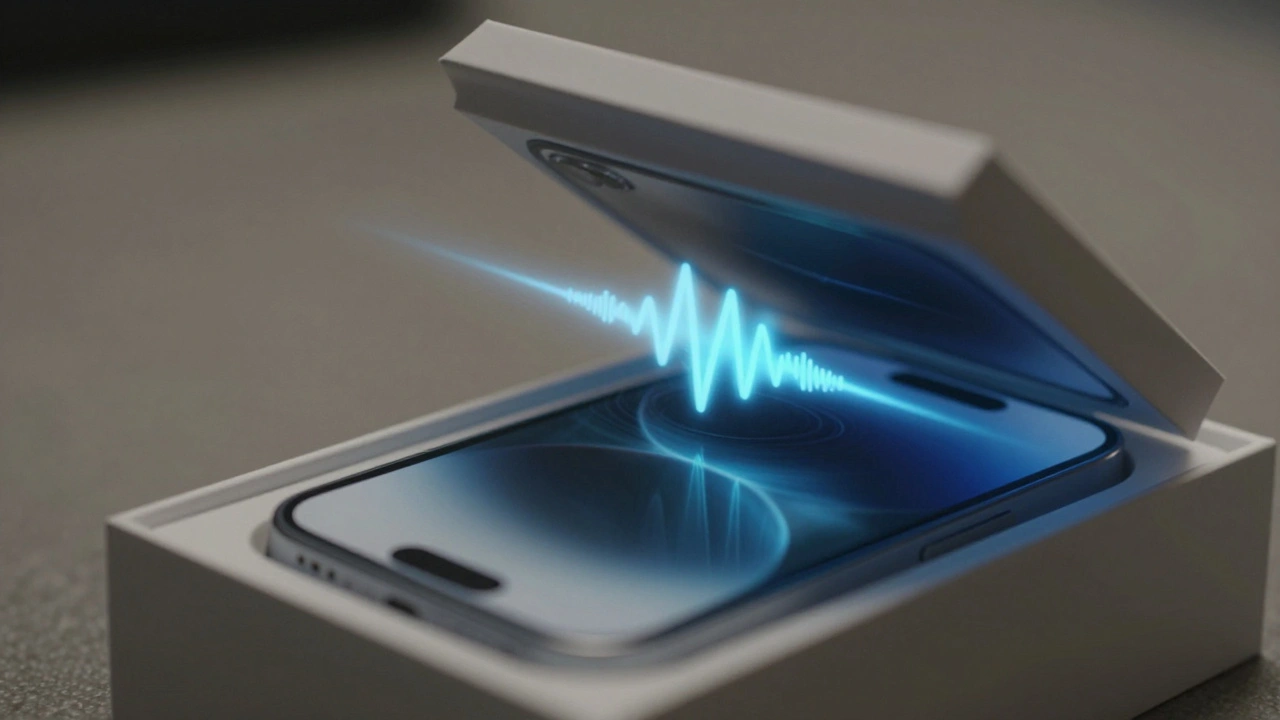
Think about the last time you opened a new iPhone. You didn’t yank the lid off. You didn’t tear it. You lifted it slowly. Felt the resistance. Heard that quiet, satisfying whoosh. It wasn’t an accident. It was designed.
Why Friction? Because Speed Kills Wonder
Standard packaging is built for speed. Cut the tape. Pop the lid. Grab the phone. Done. Apple does the opposite. It builds in friction-not enough to stop you, but enough to slow you down. That’s the point.
According to design analyst Trung Phan, Apple engineers the lid to create a "brief pause when you lift the box." That pause isn’t a bug-it’s the feature. It forces you to stop. To breathe. To notice. And in that moment, you’re not just opening a box. You’re stepping into a ritual.
This isn’t about being difficult. It’s about control. When you’re used to things that open instantly-Amazon boxes, cheap electronics, disposable packaging-Apple’s resistance feels like luxury. It tells you: This isn’t just another gadget. This is something worth taking your time with.
The Whoosh That Became a Brand Sound
Ever notice that sound? The soft, airy whoosh as the lid lifts? It’s not coming from the phone. It’s not from the box collapsing. It’s engineered air.
Apple’s packaging includes precisely sized air pockets inside the box. When you lift the lid, those pockets release air in a controlled way. It’s not random. It’s tuned. The pitch, the duration, the volume-all calculated. Steve Jobs and Jony Ives didn’t just think about how the box looked. They thought about how it sounded.
That sound has become iconic. People don’t just recognize the iPhone box by sight. They recognize it by sound. One analyst said, "When I see an iPhone box, I can hear the whoosh." That’s synesthesia in action-where one sense triggers another. You see the box, and your brain plays the sound. That’s branding at a subconscious level.
More Than Sight and Sound: The Touch
Apple’s packaging doesn’t just speak to your eyes and ears. It speaks to your hands.
The materials aren’t just recycled paper. They’re laminated, molded, and layered like a high-end book. The outer shell feels stiff, smooth, almost polished. The inner tray? Molded fiber pulp, shaped to cradle the phone like a custom seat. When you lift the phone out, it doesn’t slide. It glides-just enough resistance to feel intentional.
This tactile experience connects back to Steve Jobs’ belief that "grasping a device" was part of building emotional connection. Jony Ives took that further. He once said, "The noise of a click and the force of a magnet that draws something closed" matter. That’s why the AirPods case doesn’t just snap shut-it pulls. It resists slightly before locking. It feels like closing a jewelry box.
That same principle applies to the iPhone box. The friction between the lid and the box isn’t accidental. It’s the same philosophy as the magnetic closure on AirPods: resistance creates satisfaction.
The "Impute" Principle: Packaging as Quality Signal
Apple doesn’t just sell phones. It sells perception. And packaging is the first signal.
In a patent filed for the original iPod case, Apple wrote: "It may diminish from the aura of a well-designed product to present it to consumers in a standard cardboard box. A package that is more fitting of the high-tech design of the product is what consumers expect."
This is called the "impute" principle. It means we judge the product by the context around it. A luxury watch doesn’t come in a plastic bag. A Ferrari doesn’t ship in a cardboard box. Apple applies the same logic.
The friction, the sound, the weight, the texture-all of it tells your brain: This is expensive. This is special. This is worth it. Even before you turn on the phone, you’ve already decided it’s better than the rest.
From Plastic to Paper: How Apple Kept the Friction
Here’s the real test: Can you keep the ritual when you switch from plastic to 100% fiber-based materials?
Apple’s iPhone 17 Pro box, released in early 2025, contains no plastic at all. No foam. No film. No shrink wrap. Just molded fiber pulp and laminated paperboard made from recycled and virgin wood fibers.
But here’s the catch: paper behaves differently than plastic. It absorbs moisture. It expands. It varies in thickness. And yet, Apple didn’t compromise the unboxing experience.
How? They rebuilt their entire supply chain. More than 70 packaging vendors had to retool their machines. They redesigned how the box is folded, glued, and laminated. Score lines are cut before lamination. Corners are stacked and glued for thickness. The outer shell is wrapped like a hardcover book.
The result? A box that still has the same resistance. The same weight. The same whoosh. The same feel. Apple didn’t just make packaging greener. They made it better-without losing the magic.
The Unboxing as Collectible
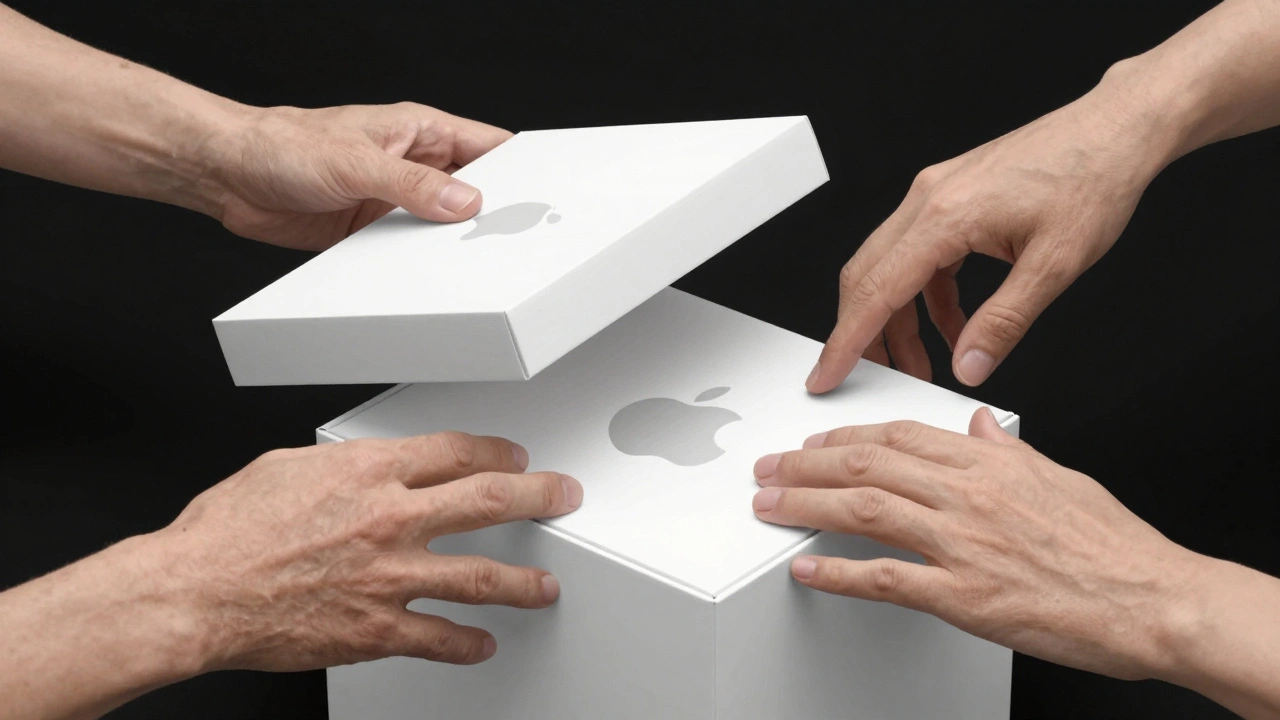
People don’t throw away Apple boxes. They keep them.
Original iPod boxes now sell on StockX for hundreds of dollars. Collectors use industrial CT scanners to verify authenticity-not just the device inside, but the box, the foam, the label, even the way the lid fits. Why? Because Apple didn’t just design a product. They designed a moment.
That moment is preserved. The friction, the sound, the weight-they’re not just packaging features. They’re artifacts of a cultural experience. People don’t keep them because they’re useful. They keep them because they feel sacred.
Why This Matters Beyond Apple
Apple’s packaging isn’t just about iPhones. It’s a blueprint for how design can turn a mundane act into a meaningful one.
Most companies chase efficiency: faster unboxing, cheaper materials, less waste. Apple chased emotion. They asked: How can we make this feel like a gift? Not because it’s expensive-but because it’s thoughtful.
And that’s the lesson. You don’t need to be Apple to use friction. You just need to care enough to slow things down.
Think about your own products. What if the first thing someone touched wasn’t the item-but the box? What if opening it didn’t feel like a chore, but a ritual? What if the sound, the texture, the resistance-all of it-told a story before the product even turned on?
That’s not magic. That’s design.