
Have you ever opened an iPhone box and heard that unmistakable whoosh? It’s not just a sound. It’s a carefully engineered moment - one that lasts less than a second but sticks in your memory for years. Apple didn’t leave this to chance. They built it. Every fold, every air pocket, every tiny resistance in the box is there on purpose. This isn’t about protecting a phone. It’s about controlling how you feel before you even touch it.
The Box That Speaks Before the Phone Does
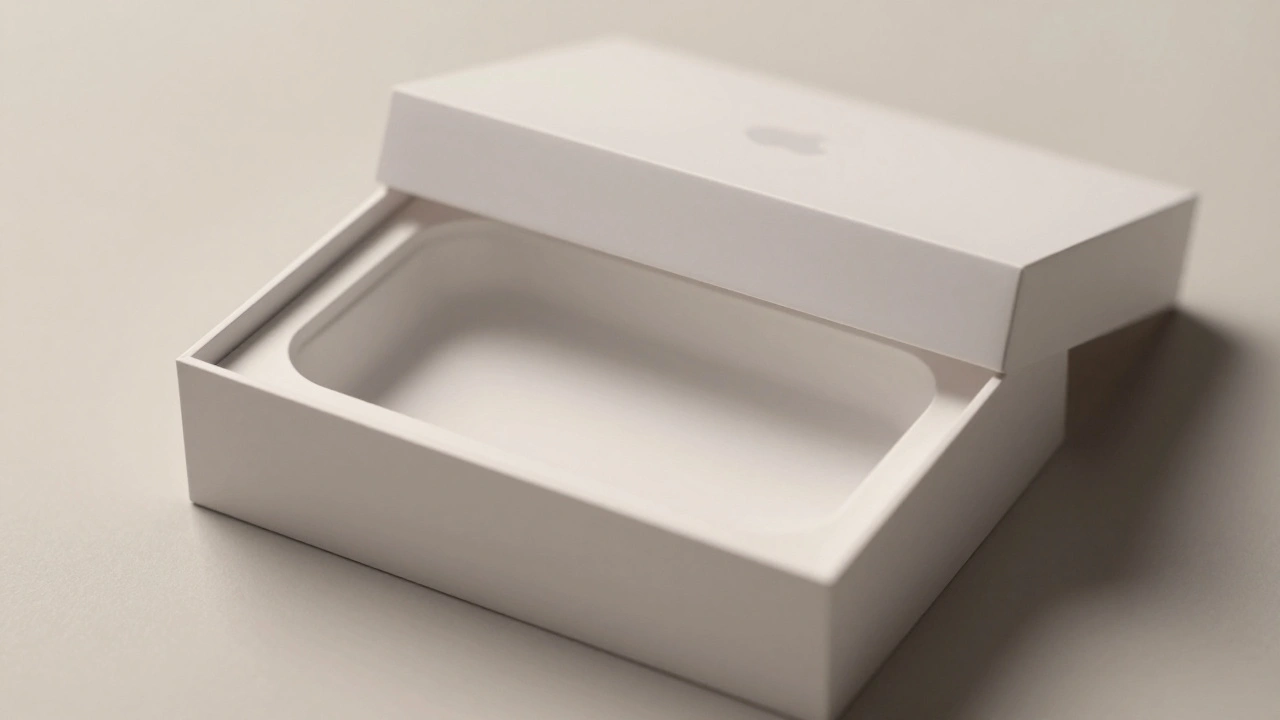
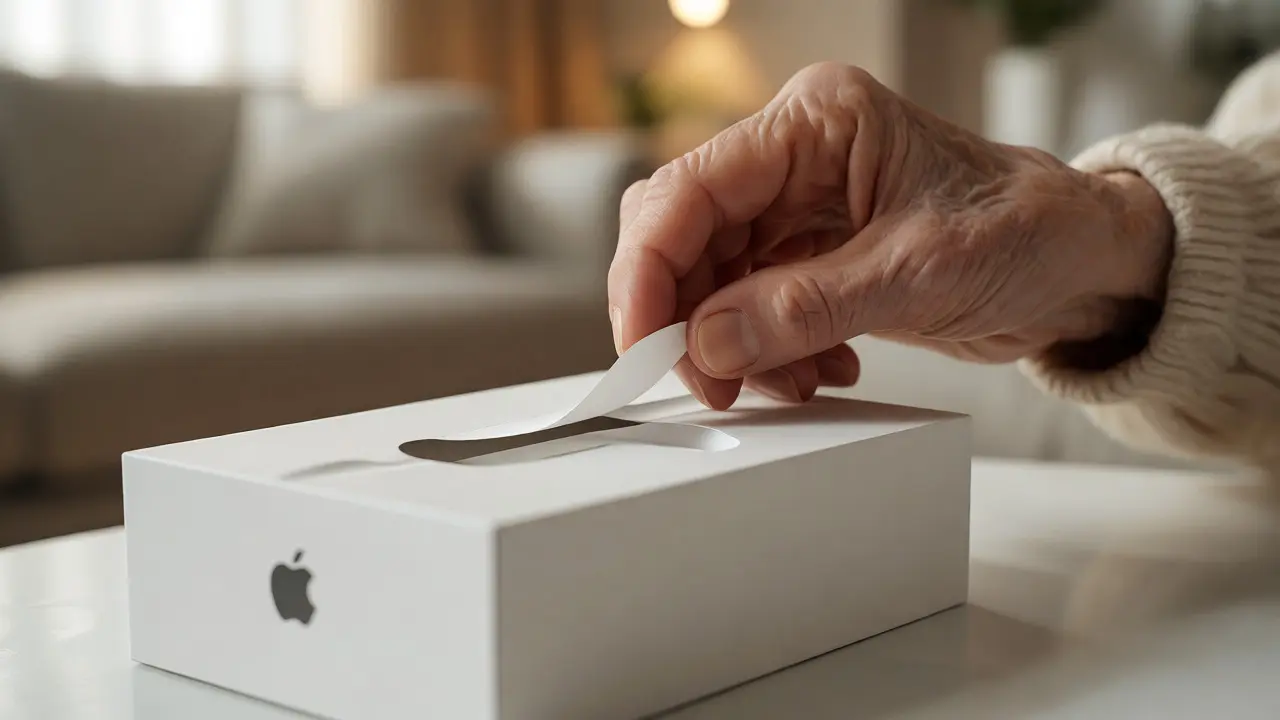
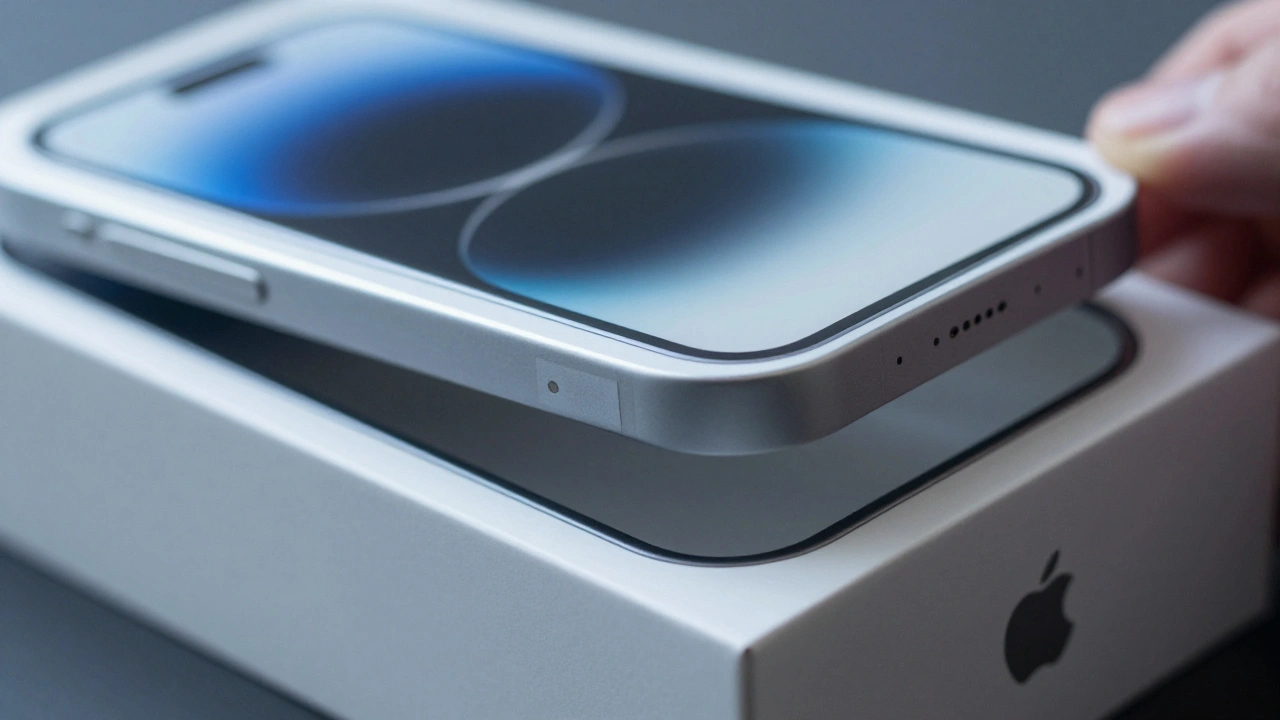
Most companies see packaging as a container. Apple sees it as a conversation. From the moment you pick up the white box, it starts talking to you. The crispness of the material, the smooth matte finish, the way the plastic seal pulls off with a satisfying snap - all of it signals something expensive, precise, and intentional. There’s no instruction manual needed. You just know: this isn’t ordinary.Steve Jobs didn’t just want the product to be great. He wanted the experience around it to be unforgettable. In the early days of Macintosh, his team proposed a plain cardboard box. Jobs said no. He insisted on full-color, premium packaging because he understood something simple: people judge quality before they use something. If the box feels like a luxury item, the device inside must be one too. That idea didn’t fade. It got refined.
The Whoosh Isn’t an Accident - It’s Physics by Design
That signature sound? It comes from air pockets hidden inside the box’s lid. Not just any air pockets - ones placed with millimeter precision. When you lift the top, the seal breaks, and air rushes out through these carefully sized gaps. The result? A clean, low-pitched whoosh, like a breath being released. It’s not loud. It’s not flashy. But it’s unmistakable.Engineers tested hundreds of variations. Too much air? The sound becomes a pop. Too little? It’s silent. Wrong shape? The airflow is uneven, creating a stutter. Apple’s team used acoustic modeling software and physical prototypes to nail the exact geometry that produces the perfect tone. This isn’t marketing magic. It’s applied physics.
The Pause That Builds Anticipation
Here’s the trick: you can’t yank the box open. Try it. The lid resists. Not violently, but enough to make you slow down. That’s not a flaw - it’s a feature. The packaging uses friction between the lid and the base to create a slight drag. It’s calibrated so that pulling it open takes just a fraction of a second longer than you expect. That tiny delay? It’s psychological.Psychologists call this the curiosity gap. It’s the itch you get when you know something’s coming but haven’t seen it yet. Think of a movie trailer that cuts off right before the big reveal. Apple applies the same principle. The resistance forces you to pause. To lean in. To anticipate. That moment of hesitation isn’t an inconvenience - it’s the setup for the emotional payoff.
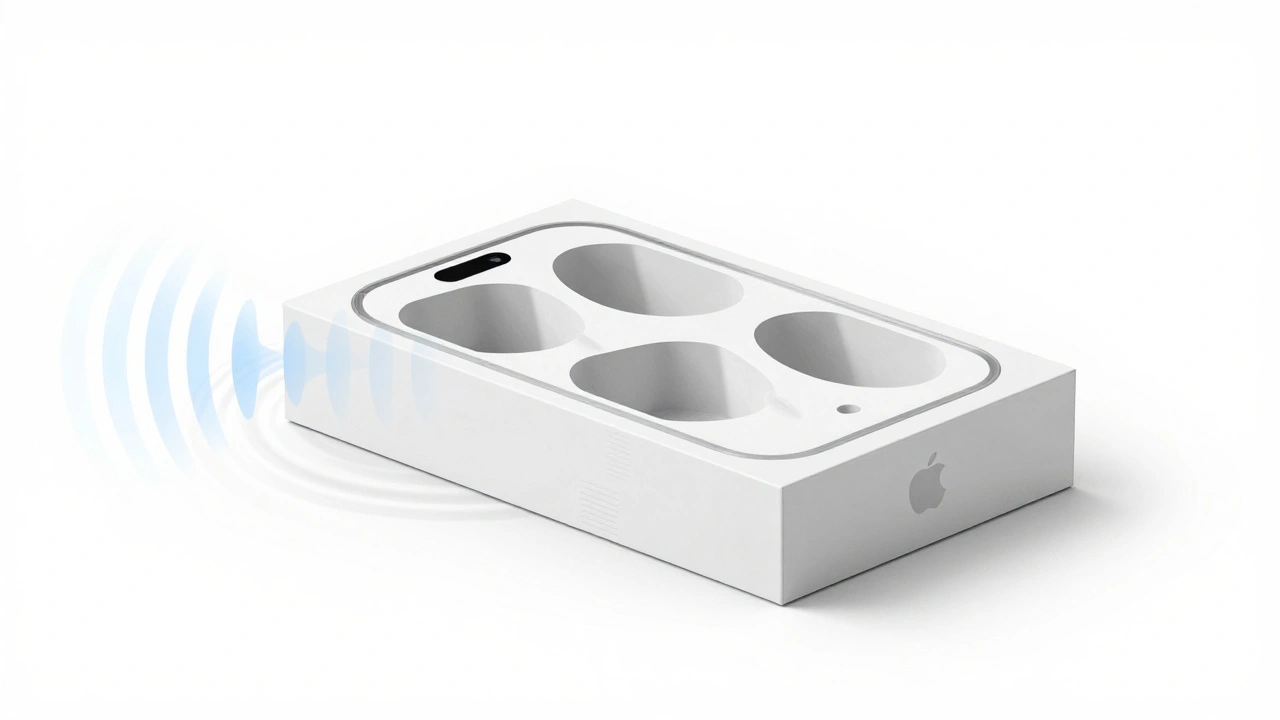
More Than Sound - A Multi-Sensory Ritual
The whoosh is just one part of a larger experience. Apple’s packaging is a three-sensory performance:- Visual: The stark white box, clean lines, no logos, no clutter. It’s minimalist, but it screams premium.
- Tactile: The smooth texture of the box, the slight resistance as you open it, the way the foam insert holds the phone like a cradle.
- Auditory: The whoosh, the soft click of the plastic seal breaking, the rustle of the paper wrapping around the charger.
Each sense is tuned to work together. You don’t just open the box - you go through a ritual. Pull the tab. Peel back the plastic. Lift the lid. Slide out the phone. It’s choreographed. Every step is designed to stretch out the moment, to make you feel like you’re uncovering something valuable.
Why People Keep the Boxes
You’ve probably seen it. People don’t throw away Apple boxes. They store them. Stack them. Even display them. Why? Because the box has become part of the product’s identity.Studies show that consumers who experience a well-designed unboxing process are more likely to feel attached to the product. The packaging becomes a memory trigger. Seeing that white box on your shelf reminds you of the moment you first unboxed your phone - the excitement, the surprise, the feeling of getting something special. That emotional residue lingers.
It’s why unboxing videos on YouTube get billions of views. People don’t just watch to see the phone. They watch to relive the ritual. To feel that moment again. Apple didn’t just sell a device - they sold an experience that people want to share.
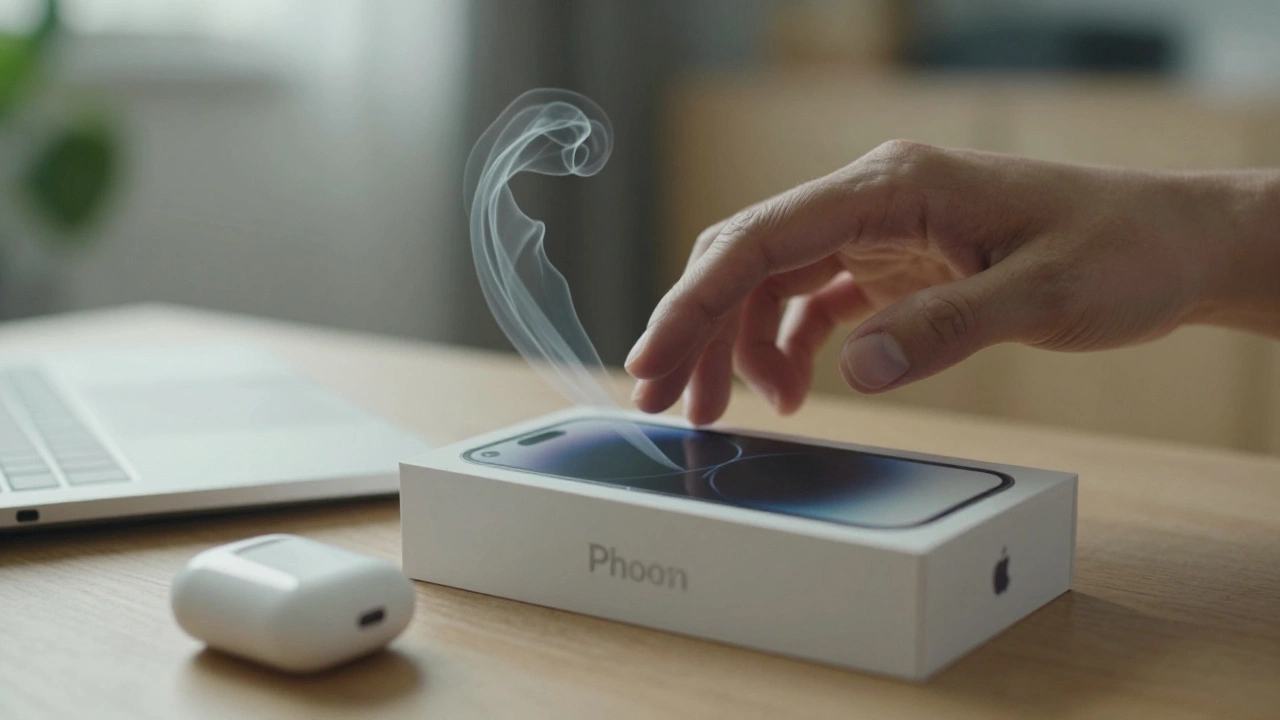
It’s Not Just the iPhone - It’s Everything
You might think this level of detail is reserved for flagship products. It’s not. Look at the Mac Mini. The same white box. The same pull-tab seal. The same friction-based opening. The same organized interior with accessories nestled in paper folds like origami. Even the AirPods case has a magnetic lid that opens with a quiet, precise click.Apple’s packaging team doesn’t treat each product as a one-off. They have a system. A playbook. And they apply it across every device. That’s why the experience feels consistent - whether you’re opening an iPhone 15 or an Apple Watch. You know what’s coming. And that predictability? It builds trust.
The Hidden Engineering Behind the Scenes
There’s a room at Apple’s headquarters where designers spend months testing box prototypes. Not just opening them - measuring how long it takes to lift the lid, recording the decibel level of the whoosh, testing how the materials respond to humidity and temperature changes. They’ve even studied how long it takes for the suction seal to release after the box is opened.This isn’t guesswork. It’s engineering. The cardboard used isn’t just thick - it’s treated for specific stiffness. The foam insert isn’t just molded - it’s designed to hold the phone with exact pressure so it doesn’t rattle. The plastic seal? It’s engineered to tear cleanly without needing scissors. Every material choice is made for performance, not cost.
Why This Matters Beyond Apple
Apple didn’t invent packaging. But they redefined it. Before Apple, packaging was about protection and cost. After Apple, it became about emotion and perception.Other companies noticed. Now, luxury brands, tech startups, even car manufacturers are copying the formula: minimalist design, tactile seals, surprise elements, sensory cues. The lesson is clear: if you want people to feel your product is premium, you have to make them feel it before they even turn it on.
That’s the real science behind the whoosh. It’s not about sound. It’s about timing. About control. About making someone pause, breathe, and feel something before they even touch the device. That’s the power of design done right.
Why does Apple’s box make a whooshing sound?
The whoosh is created by strategically placed air pockets inside the box lid. When you lift the lid, air rushes out through these pockets, producing a controlled, low-pitched sound. Apple engineers spent months testing different shapes and sizes to get the exact tone - it’s not random, it’s acoustically engineered.
Is the resistance when opening the box a defect?
No. The slight drag you feel when opening the box is intentional. It’s designed to slow you down, creating a moment of anticipation. This friction is calibrated using precise material choices and surface treatments - it’s meant to make the unboxing feel deliberate and thoughtful, not rushed.
Do all Apple products use the same packaging design?
Yes. From iPhones to AirPods to Mac Minis, Apple applies the same core principles: minimalist white boxes, friction-based openings, pull-tabs instead of tape, and organized interior layouts. This consistency reinforces brand identity and ensures every unboxing feels familiar and premium.
Why do people keep Apple boxes instead of recycling them?
The packaging has become a symbol of the product’s quality and the emotional experience of unboxing. Many people associate the box with the excitement of receiving a new device, making it a keepsake. It’s not just a container - it’s part of the memory.
How much time does Apple spend perfecting packaging?
Design teams reportedly spend months testing hundreds of prototypes in a dedicated packaging room. They measure everything: the sound of the whoosh, the force needed to open the lid, how the materials react under different conditions. Even small details like the angle of a pull-tab are refined through repeated testing.