
Have you ever tried to leave Apple’s world - maybe you were frustrated with the price, or you wanted more customization - only to find yourself stuck? You didn’t sign a contract. No one locked you in. But somehow, you just… didn’t leave. That’s not an accident. It’s design.
Apple doesn’t just sell phones, tablets, and laptops. It sells a system. A system where your photos, messages, notes, and even your morning coffee order sync across every device you own. And that’s the trap - because once you’re inside, leaving becomes harder than staying.
One Device Is Just the Start
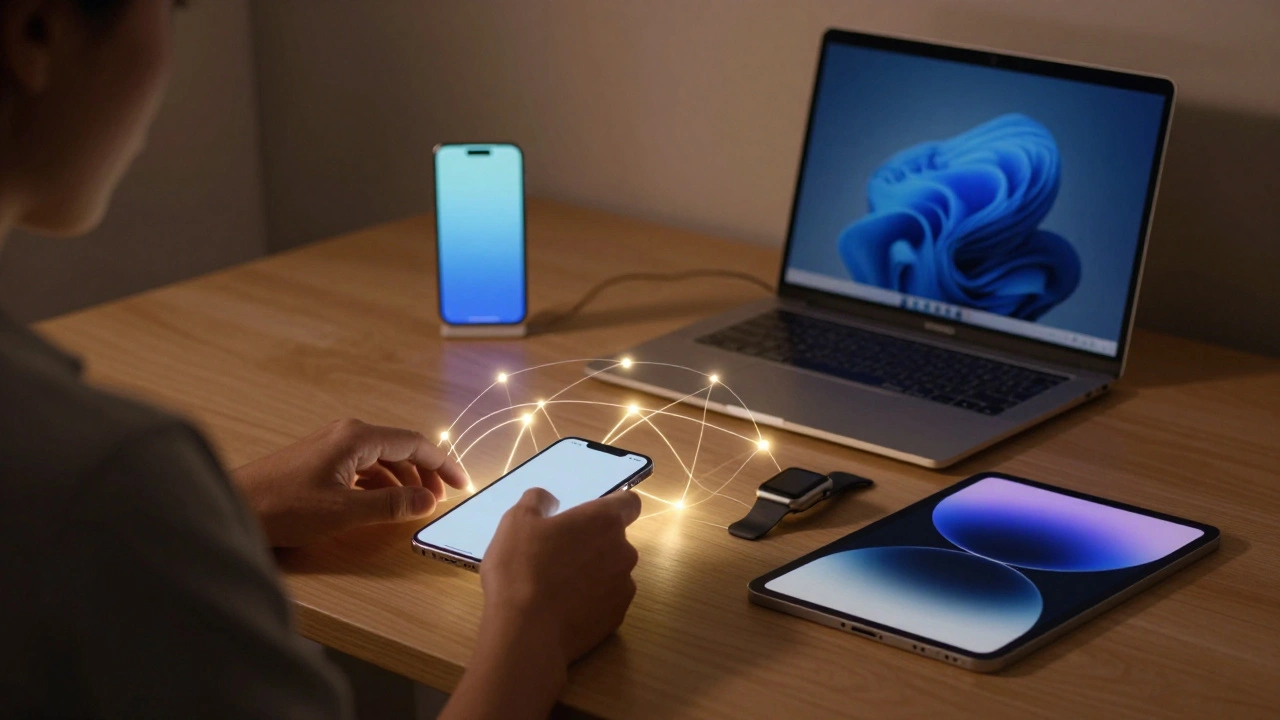
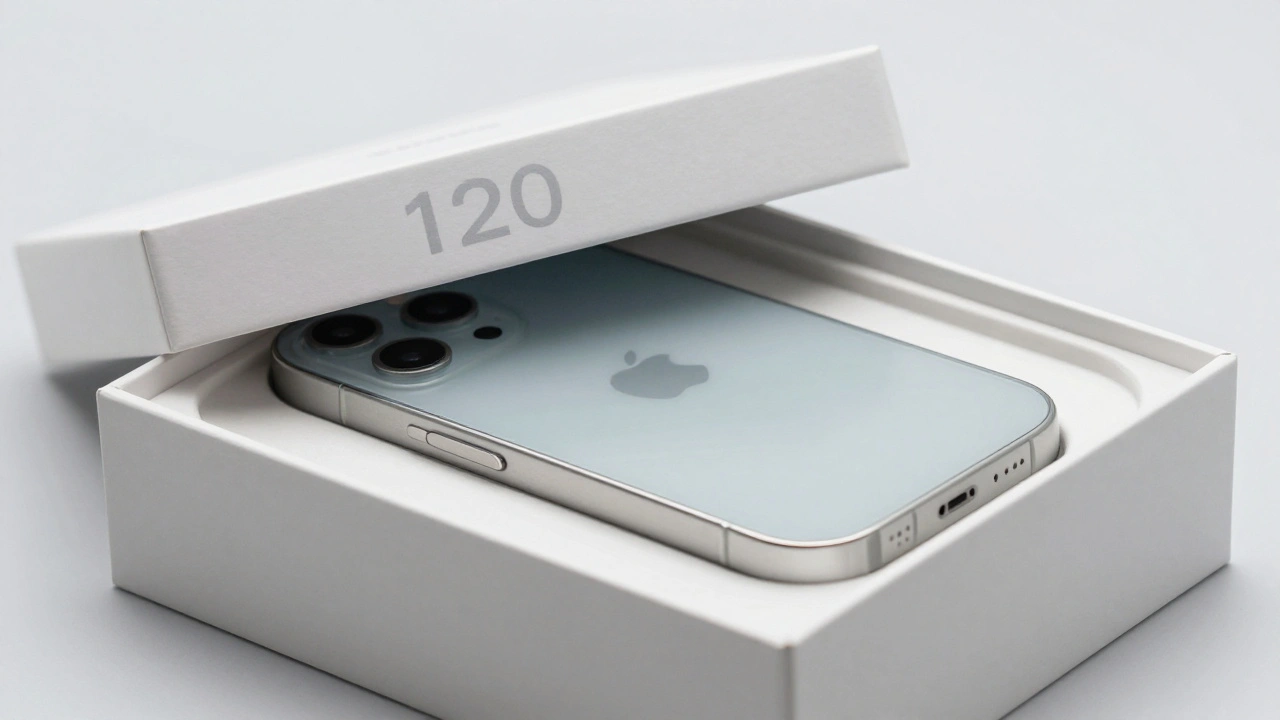
Buying your first iPhone feels like a normal purchase. But Apple knows most people don’t stop there. The real magic happens when you add a Mac, an Apple Watch, or an iPad. Each new device doesn’t just add function - it adds dependency.
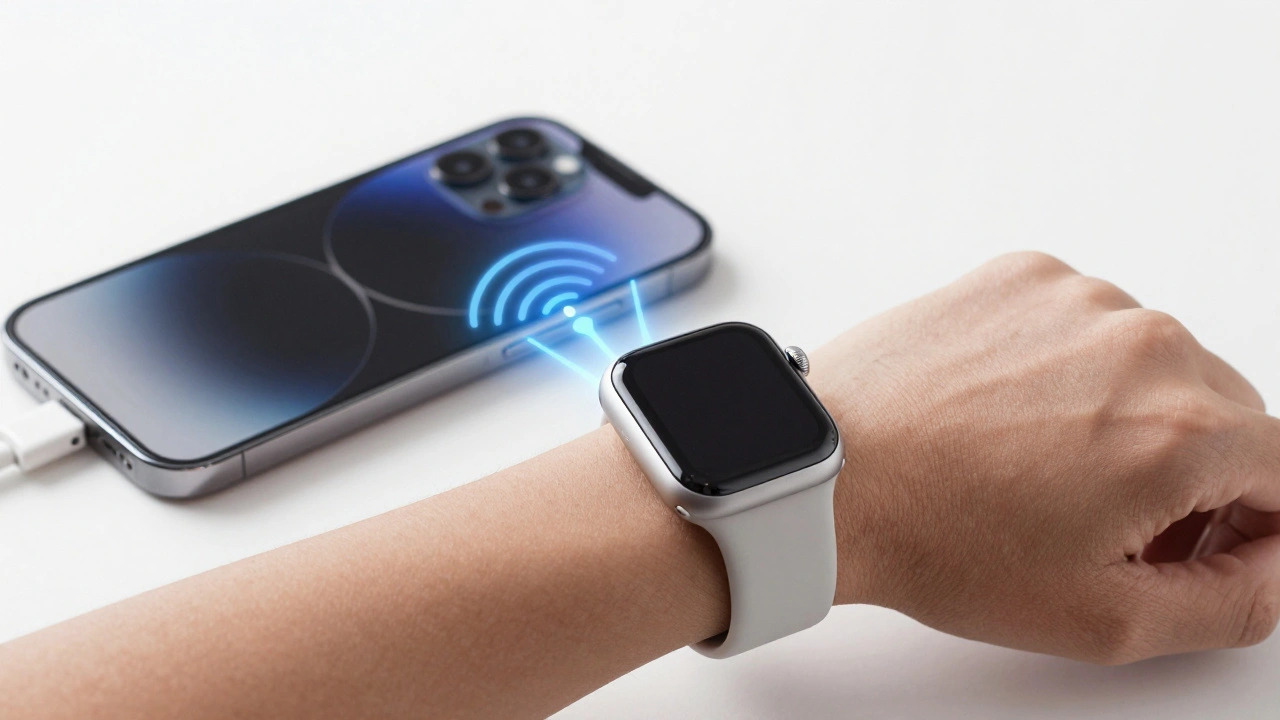
Think about Handoff. You start an email on your iPhone, walk to your Mac, and it just pops up on the screen. No logging in. No copying. No searching. That’s not convenience. It’s a behavioral nudge. Studies show that owning two Apple devices increases your likelihood of buying a third by 40%. Owning three? The chance jumps to 70%. Each device becomes a brick in a wall you didn’t realize you were building.
And it’s not just about features. It’s about friction. Switching to Android means relearning how to transfer files, how to back up photos, how to share a link between your phone and your computer. You’ll miss the simplicity. And that’s exactly what Apple counts on.
Your Data Lives in iCloud - and It’s Not Easy to Move
Apple doesn’t just store your data. It weaves it into the fabric of your daily life. Your calendar, contacts, reminders, notes, health data, even your home screen layout - all synced through iCloud. That’s not a feature. It’s a prison with invisible bars.
Try exporting your photos from iCloud to Google Photos. It’s possible. But it’s slow. It’s messy. You’ll lose metadata. Some albums won’t transfer. Your videos might break. And that’s just photos. What about your notes? Your passwords? Your Apple Watch workout history? None of it moves cleanly.
Apple doesn’t make migration tools because they don’t want you to leave. They want you to stay. And it works. In 2025, 92% of iPhone users kept their device for their next phone. Samsung? Only 77%. That 15-point gap? That’s billions in lost revenue for competitors. It’s not about loyalty. It’s about inertia.
Services Are the Real Profit Engine
Apple’s hardware is expensive. But its services? Those are pure profit. In Q3 2025, Apple’s Services division made $27.42 billion - more than 38% of its total gross profit. How? By bundling you in.
Apple One isn’t just a subscription. It’s a trap wrapped in a discount. For $20 a month, you get Music, TV+, iCloud+, Fitness+, and Apple News+. Buy them separately on Android? You’ll pay $35, maybe more. And even then, you won’t get the same integration. Apple Music on your iPhone plays seamlessly with your AirPods. On Android? It’s just… another app.
And iCloud? Over 850 million active users. That’s 60% of Apple’s services revenue. Why? Because your data is locked in. You don’t pay for storage. You pay for peace of mind. And that peace of mind costs you more in the long run.
Custom Chips: The Hidden Lock-In
Apple’s A17 Bionic chip isn’t just faster. It’s designed to work only with Apple’s software. That’s intentional. When you upgrade your iPhone, you don’t just get a better processor. You get a system that’s been tuned for years to run perfectly with iOS.
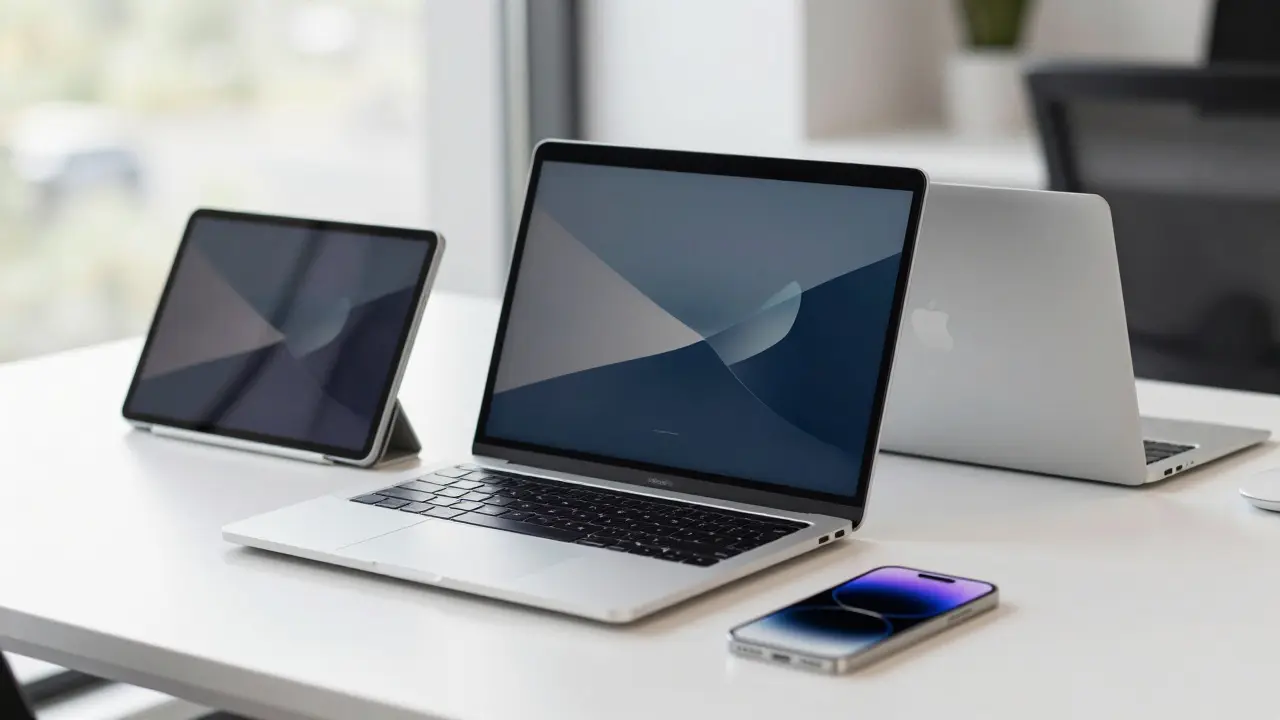
Android phones use chips from Qualcomm or MediaTek. They’re good. But they’re generic. Apple’s chips are custom-built for one purpose: to make the entire ecosystem feel seamless. That means your Mac, your iPad, and your iPhone all talk to each other at a level no competitor can match.
Try running Final Cut Pro on a Windows laptop. Or using Sidecar to turn a Samsung tablet into a second screen. It won’t work. Not because you’re not tech-savvy. Because Apple built it that way.
This isn’t innovation. It’s control. And it’s why power users - designers, editors, developers - rarely leave. They don’t want to lose the performance. They don’t want to lose the workflow.
The App Store Isn’t Just a Store - It’s a Fortress
Apple’s App Store isn’t just where you download apps. It’s where developers build exclusively for iOS. Why? Because Apple users spend more. They buy more. They upgrade faster.
In 2024, developers made nearly $1.3 trillion through the App Store. That’s more than the GDP of the Netherlands. And those apps? Most of them are built for Apple’s ecosystem. Handoff. Universal Clipboard. AirDrop. Deep Fusion. These aren’t just features. They’re ecosystem-specific advantages that Android simply can’t replicate.
Even if you switch phones, you’ll lose access to apps that only work on iOS. You’ll miss the ones that integrate with your Apple Watch. You’ll miss the ones that sync with your HomePod. And you’ll be forced to find replacements - slower, clunkier, less connected.
Businesses Are Locked In Too
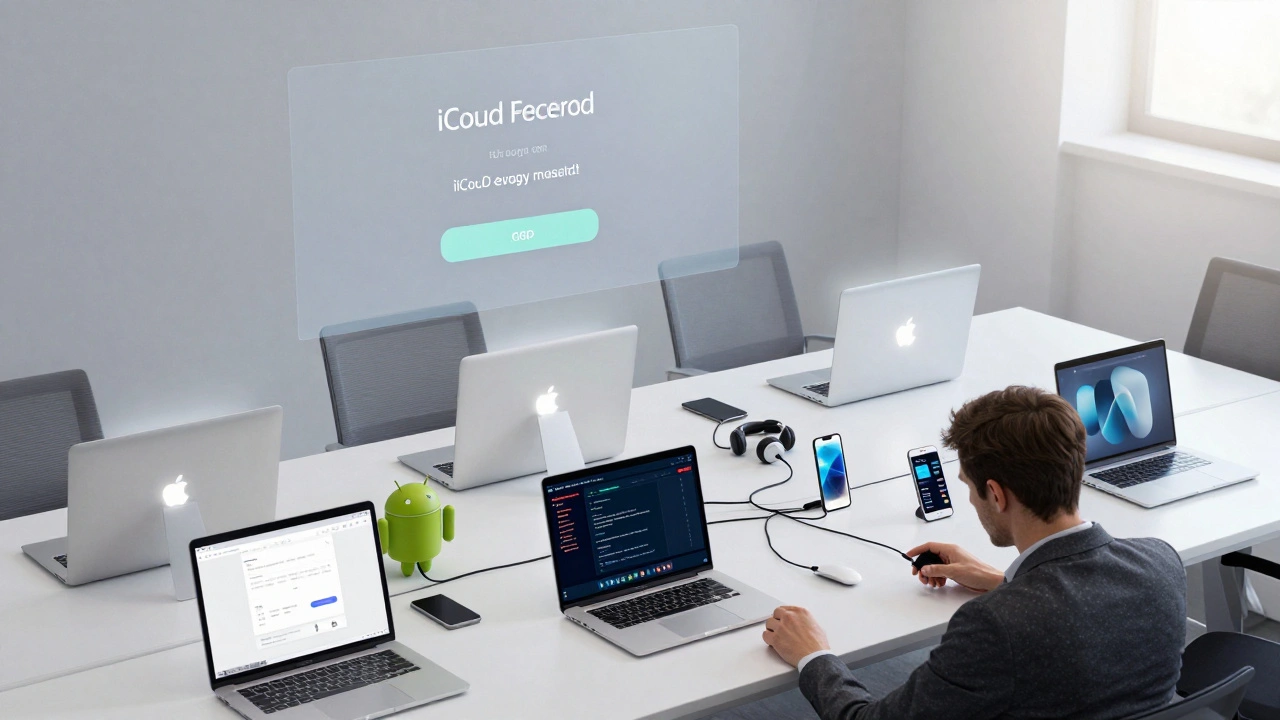
You think this only affects consumers? Think again. Companies deploy Apple devices because they’re easy to manage. IT departments love the zero-touch setup. The automatic updates. The built-in encryption. The fact that a single policy can control 500 iPhones at once.
Switching from Apple to Android in a corporate environment? It’s a nightmare. You’d need new management tools. New security protocols. New training. You’d lose apps that only run on iOS. You’d lose integration with Apple’s business tools like Apple Business Manager and Apple School Manager.
That’s why 78% of Fortune 500 companies use Apple devices. It’s not because they’re the fanciest. It’s because the cost of switching is higher than the cost of staying.
The Psychological Trap
The smartest part of Apple’s design isn’t the tech. It’s the habit.
You don’t think about syncing your notes. You just do it. You don’t question why your calendar appears on your watch. You just expect it. That’s not convenience. That’s conditioning.
Apple has trained you to feel uncomfortable when things don’t work together. That’s why you’ll sit there, frustrated, trying to get your Samsung phone to talk to your Windows laptop. And you’ll give up. Not because you’re lazy. Because Apple made it feel wrong.
That’s the real lock-in. Not passwords. Not contracts. Not fees. But the quiet, daily sense that something’s off - because you’re no longer in the world you got used to.
Regulation Might Change Things - But Not Soon
The EU’s Digital Markets Act is forcing Apple to let you sideload apps and move data more easily. That’s a threat. But don’t expect miracles. Apple won’t break its ecosystem. It will just make it look more open while keeping the core locked down.
And even if data portability improves, the habits won’t. The workflows won’t. The seamless integration won’t. Because those aren’t features. They’re memories.
Apple’s ecosystem isn’t going away. It’s getting deeper. With AI, spatial computing, and health tech on the horizon, every new product will tie you in tighter. Your Apple Watch will monitor your sleep. Your AirPods will track your heart rate. Your iPad will analyze your posture. And all of it will live in iCloud.
So next time you think about switching - ask yourself: Are you leaving Apple? Or are you leaving the life you’ve built around it?
Why is Apple’s iPhone retention rate so high compared to Samsung?
Apple’s iPhone retention rate hit 92% in 2025, while Samsung’s was 77%. That gap exists because Apple ties your data, apps, and habits into a single ecosystem. Switching means losing seamless syncing, iCloud backups, and optimized workflows. It’s not about price - it’s about disruption. Most users stay because leaving feels like starting over.
Can I really not move my data from iCloud to Google or Dropbox?
You can, but it’s messy. Apple doesn’t make it easy because they don’t want you to leave. Photos lose metadata, notes get fragmented, health data won’t transfer at all. Even Apple’s own export tools are clunky. The effort required to move everything often outweighs the benefit - which is exactly why Apple designed it that way.
Does Apple One really save money?
Yes - if you use all the services. Apple One bundles Music, TV+, iCloud+, Fitness+, and News for less than buying each separately. But if you only use one or two, you’re paying for things you don’t need. The real savings come from staying in the ecosystem. It’s not about price. It’s about convenience - and that convenience keeps you locked in.
Why do developers make apps only for iOS?
Because Apple users spend more. In 2024, $1.3 trillion in sales went through the App Store. Developers build for iOS first because it’s more profitable. They optimize for Handoff, AirDrop, and Deep Fusion - features Android can’t match. That makes iOS feel more powerful, which keeps users from switching.
Will Apple ever make its ecosystem easier to leave?
Only under pressure. The EU’s Digital Markets Act forces Apple to allow sideloading and data portability. But Apple won’t dismantle its ecosystem - it’ll just tweak it. Expect better export tools, but no true interoperability. The real lock-in - your habits, your workflow, your daily routines - won’t change. That’s what keeps you here.
Categories
Popular Articles