
The iMac G4 didn’t just look different-it changed how you interacted with your computer. Before 2002, desktops were either bulky towers with CRT monitors or all-in-one boxes that locked you into one fixed viewing angle. Then Apple dropped the iMac G4, and suddenly, your screen could tilt, swivel, and rise like a lamp on your desk. It wasn’t just a computer. It was called the iLamp for a reason.
Why It Wasn’t Just Another iMac
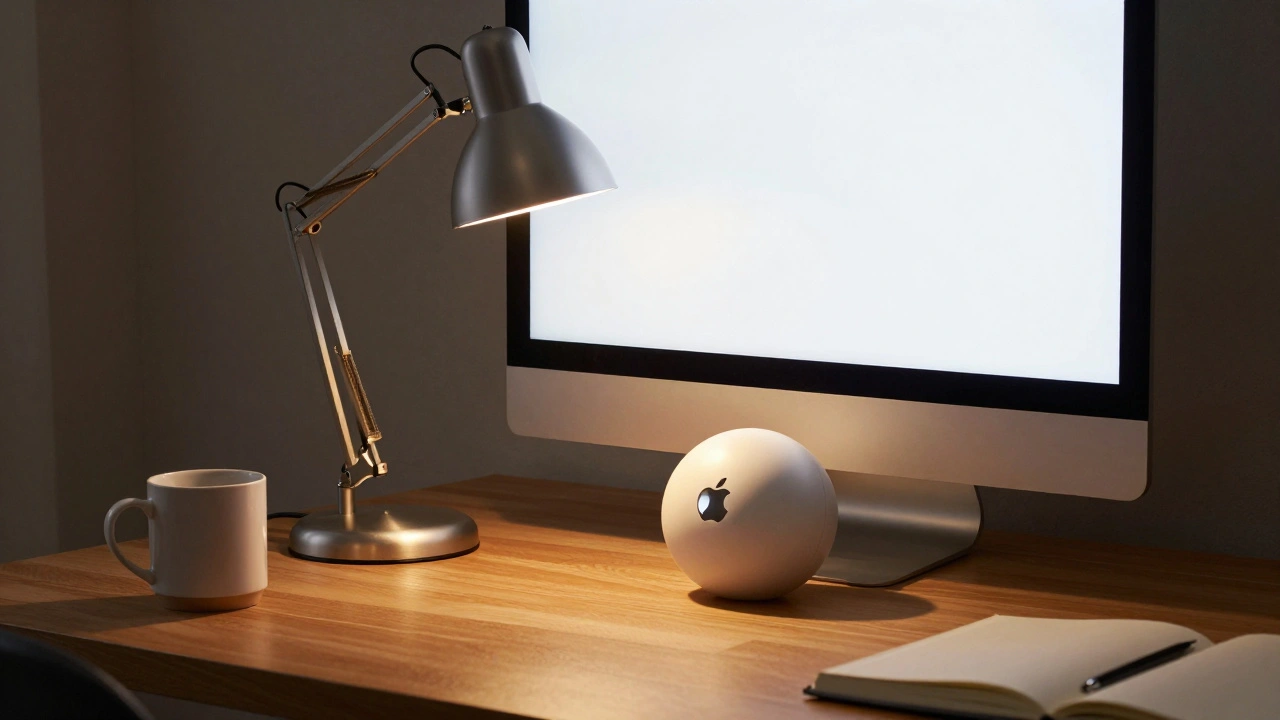
The original iMac G3 was bold with its colorful translucent plastic and candy-like shape. But the iMac G4? It was quieter, smarter, and more intentional. Apple removed the CRT. They killed the boxy tower. And instead of burying the computer under the screen like before, they lifted it up-literally. The entire system was built around a single, elegant stainless steel arm that connected a flat LCD panel to a half-sphere base. That base held the processor, memory, hard drive, and power supply. Everything else? Suspended in mid-air.
Steve Jobs didn’t just approve this design-he personally signed off on the patent as the primary inventor. That’s rare. He didn’t do that for the iPod. He didn’t do it for the iPhone. But for the iMac G4? He did. Why? Because this wasn’t just a product update. It was a rethink of how people sit, look, and work in front of a screen.
The Arm That Changed Everything
Let’s talk about the arm. It wasn’t a gimmick. It was a breakthrough. Most monitors back then had a single pivot point-maybe you could tilt the screen up a little. The iMac G4 gave you three degrees of freedom:
- Tilt: 35 degrees up or down
- Swivel: 180 degrees side to side
- Height: 7 inches (18 cm) of vertical adjustment
This meant you could raise the screen to eye level if you were standing. Lower it if you were lounging. Turn it sideways to show someone else your work. Rotate it to avoid glare from a window. No other consumer desktop had ever done this. Not Dell. Not HP. Not Sony. Apple was the first to treat the monitor like a tool you could move-not a fixed fixture you had to adapt to.
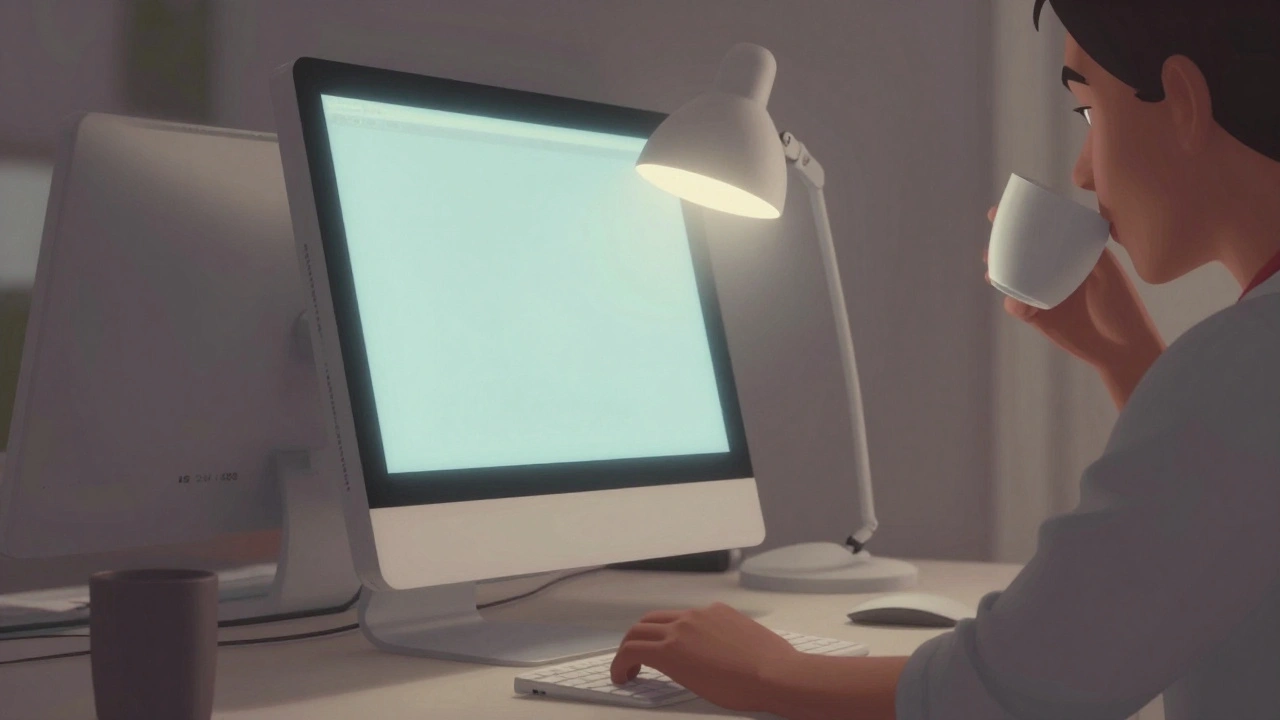
And the materials? Stainless steel. Not plastic. Not cheap aluminum. Real metal. It felt solid. It didn’t wobble. It didn’t creak. You could adjust it one-handed while sipping coffee. It moved with a smooth, weighted resistance-like a high-end camera tripod. That tactile feedback made users feel in control. It wasn’t just functional. It was satisfying.
Design That Looked Like a Sunflower
The iMac G4’s shape didn’t come from a spreadsheet. It came from nature. The hemispherical base looked like a half-orange. The arm curved like a sunflower stem. The whole thing reminded people of the Luxo lamp from Pixar-soft, friendly, almost alive. Steve Jobs had a thing for organic shapes. He saw computers as objects you lived with, not just tools you used.
That’s why the color mattered. Gone were the bright blues and pinks of the G3. The G4 was ice white. Opaque. Clean. It matched the iPod, which had just launched. It felt more mature. More serious. But still warm. The mirrored Apple logo on the front of the optical drive? A subtle nod to the reflective surfaces of luxury watches. It wasn’t flashy. It was quiet confidence.
What Was Inside?
Beneath that beautiful shell was a powerful machine for its time. The early models used a 700 MHz or 800 MHz PowerPC G4 chip with AltiVec-Apple’s version of SIMD vector processing. It was fast for video editing and graphics work. Later models jumped to 1.0 GHz. That’s not cutting-edge today, but back then, it was enough to run MacOS X Jaguar smoothly.
Memory started at 128 MB, but you could upgrade to 1 GB (and some users even got 2 GB working unofficially). Hard drives went from 40 GB to 80 GB, spinning at 7200 RPM. That’s faster than most laptops today. Graphics? NVIDIA GeForce2 MX at first, then GeForce4 MX with 64 MB of DDR memory. Not a gaming beast, but perfect for everyday use and even light creative work.
Connectivity was ahead of its time. Two FireWire ports. Three USB ports (upgraded to USB 2.0 in later models). Built-in Ethernet. Optional AirPort Wi-Fi and Bluetooth. And yes-you could connect a VGA monitor if you needed a second screen. Apple didn’t just build a computer. They built a hub.
Why It Mattered Beyond Apple
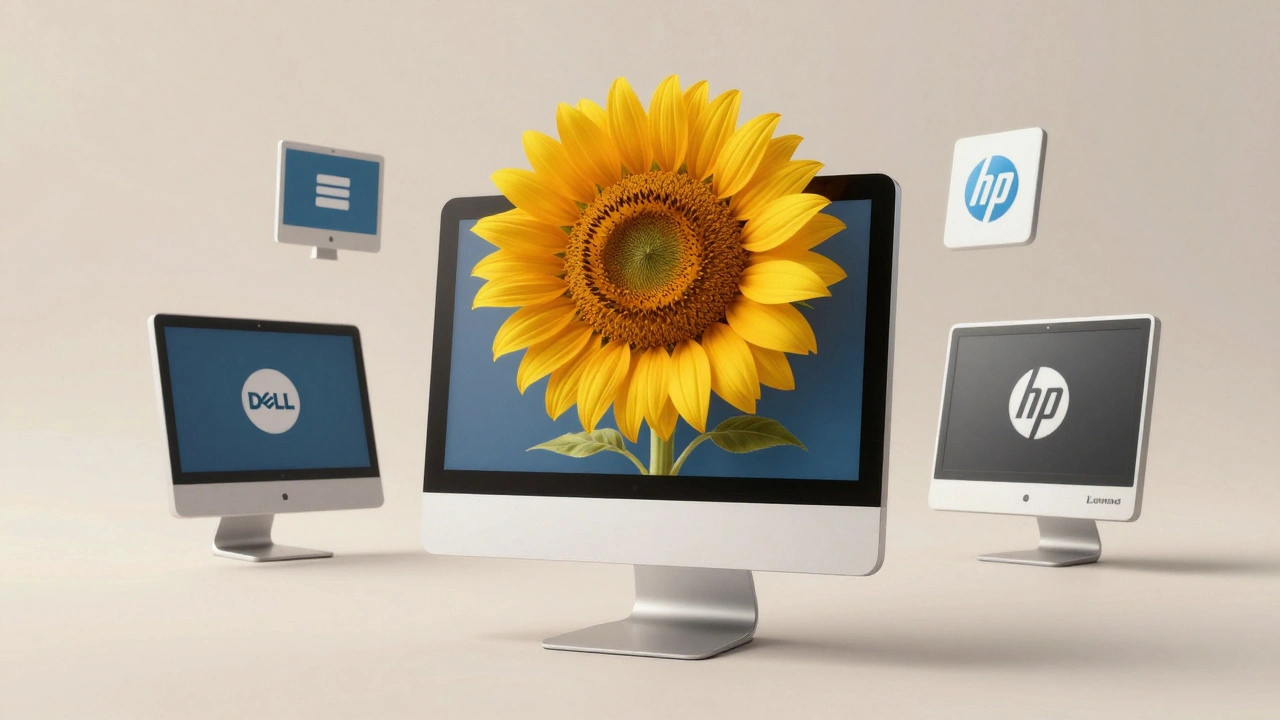
The iMac G4 didn’t just sell. It inspired. Look at monitors today. Almost every ergonomic stand you see on a modern monitor? It’s a direct descendant of the iMac G4’s arm. Dell, Lenovo, HP-they all copied the idea. The ability to adjust height? Standard now. Swivel? Expected. Tilt? Basic.
Even the “all-in-one” design trend we see today in products like the iMac (2020s) and Microsoft Surface Studio? That started with the G4. Apple proved you could hide the computer inside the monitor base without sacrificing performance. It wasn’t just about looks. It was about space. About simplicity. About removing clutter.
And the cultural impact? People didn’t just use the iMac G4. They adored it. It sat on desks like a piece of sculpture. It was the computer you showed off. The one your friends asked about. The one you didn’t want to upgrade. That emotional connection? That’s what Apple learned from the G4: design isn’t just about function. It’s about feeling.
What Happened After?
The iMac G4 was discontinued in August 2004. Apple replaced it with the iMac G5, which buried the entire system into a thin, flat panel. No arm. No adjustability. Just a sleeker, more minimalist look. Some fans were disappointed. The G4’s arm was gone. The flexibility was lost.
But here’s the twist: Apple didn’t forget it. The G4’s influence lives on. Every time you adjust your monitor height to avoid neck strain, you’re using a feature the iMac G4 made mainstream. Every time you rotate your screen to show a colleague a photo, you’re doing what the G4 made possible. The G4 taught the industry that ergonomics shouldn’t be an afterthought. It should be built in.
Even today, when Apple releases a new iMac, they still use a single-point base with a thin vertical stand. It’s not as adjustable as the G4’s arm-but it’s still an evolution of that same idea. The G4 didn’t just die. It became a standard.
Final Thought: A Computer That Listened
The iMac G4 didn’t ask you to change how you worked. It changed itself to fit you. That’s rare. Most technology demands you adapt. The G4 adapted to you. It gave you control over your space, your posture, your view. It didn’t just look good. It made you feel good.
That’s why, 20 years later, people still talk about it. Not because it was the fastest. Not because it had the biggest screen. But because it was the first computer that felt like it understood you.
Why was the iMac G4 called the 'iLamp'?
The iMac G4 earned the nickname 'iLamp' because of its resemblance to a desk lamp-its curved stainless steel arm held the screen like a lamp’s neck, and the hemispherical base acted as the weighted foot. The overall silhouette, especially from the side, looked like a sunflower or the Luxo lamp from Pixar, making it feel more like a piece of furniture than a machine.
Could you upgrade the iMac G4’s RAM and hard drive?
Yes. The iMac G4 was user-upgradable. Most models shipped with 128 MB or 256 MB of RAM, but users could upgrade to 1 GB officially, and some unofficially reached 2 GB. Hard drives could be swapped from 40 GB to 80 GB, and even replaced with faster 7200 RPM drives. Apple designed the case to open easily with a simple latch, making upgrades accessible without tools.
What operating system did the iMac G4 run?
The iMac G4 shipped with MacOS X 10.2 Jaguar and later received updates up to MacOS X 10.4 Tiger. It could not boot into MacOS 9, marking Apple’s full transition away from the classic Mac OS. This shift allowed for better stability, multitasking, and modern features like Spotlight and Dashboard.
Was the iMac G4 the first computer with an adjustable display?
No, but it was the first mass-market all-in-one desktop to offer full adjustability-tilt, swivel, and height-in a consumer-friendly way. Professional workstations had similar arms before, but they were expensive, bulky, and rare. The iMac G4 brought that level of ergonomic control to everyday users for the first time.
Why did Apple stop making the iMac G4?
Apple replaced the iMac G4 with the iMac G5 in 2004 to reduce the device’s footprint and improve cooling. The G5’s aluminum enclosure allowed for a thinner design, but it removed the adjustable arm to make room for the larger processor and heat sink. Apple prioritized sleekness over adjustability at that point, though the G4’s influence remained in future designs.