Category: Design & Technology - Page 6
Designing for Repeat Use: Boxes That Protect and Store Apple Devices
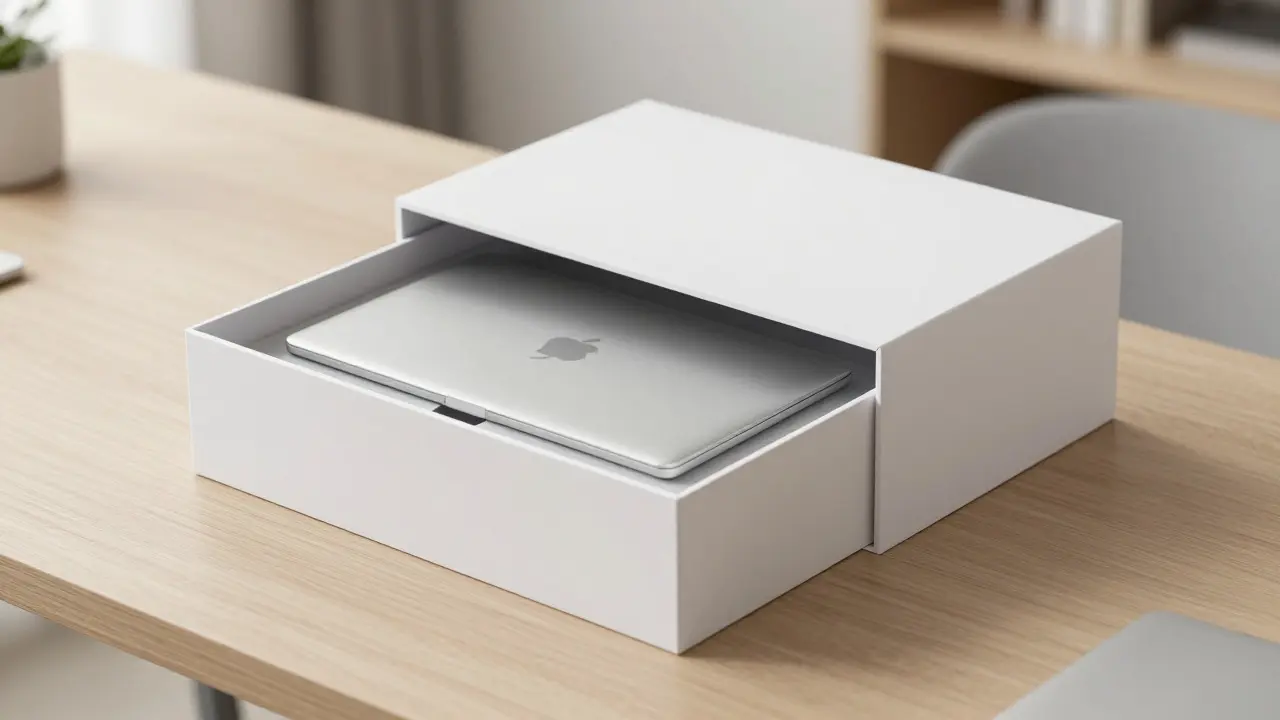

Discover how to design packaging that goes beyond shipping. Learn strategies to create durable, modular boxes for Apple devices that double as storage solutions.
Apple's Design Operating Model: How Small Senior Teams Drive Massive Impact

Discover how Apple uses small, senior-heavy teams to drive innovation. Learn the operating model that prioritizes cross-functional collaboration and rapid prototyping for better product outcomes.
Apple Content Continuity: Mastering Handoff, Universal Clipboard & Seamless Workflow
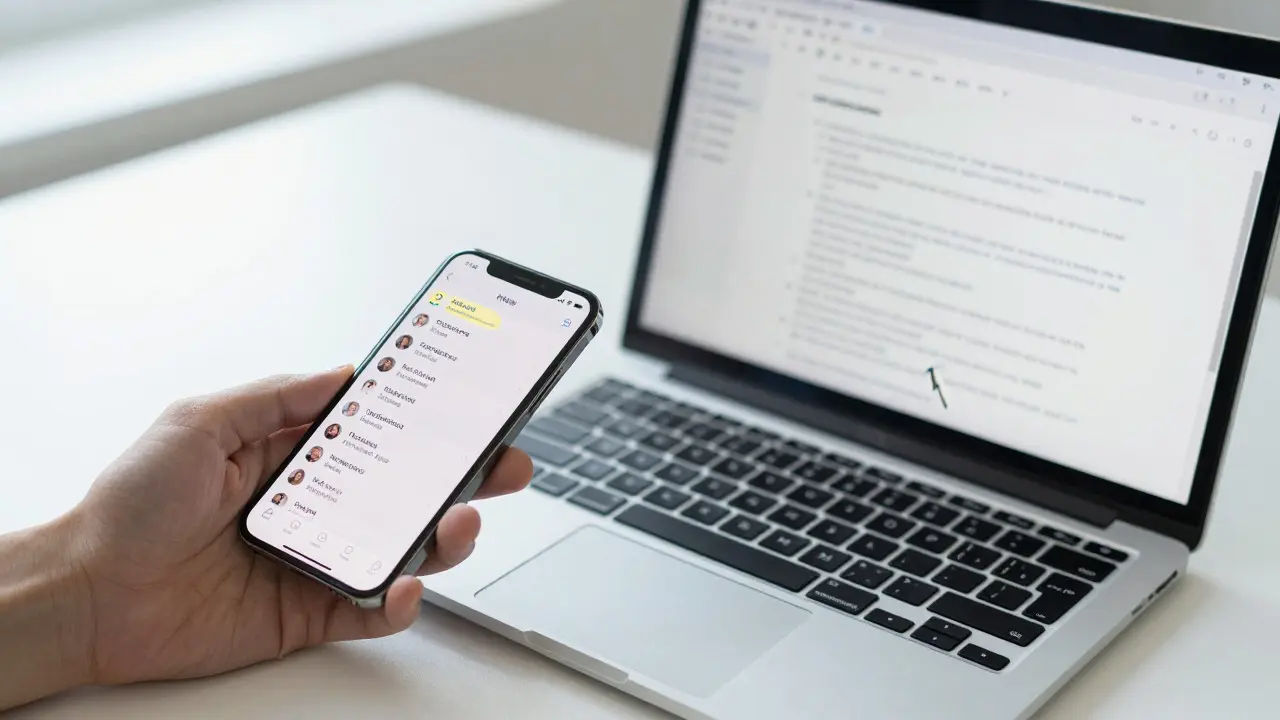
Learn how Apple's Handoff and Universal Clipboard work to create seamless content continuity. Discover troubleshooting tips, optimization strategies, and future trends for a smoother multi-device workflow.
Apple’s Aluminum Unibody: The Engineering Behind the Design

Explore how Apple’s shift to aluminum unibody chassis redefined laptop design. Learn about CNC milling, material science, and the precision manufacturing behind the iconic MacBook.
Instruction Simplicity: How Apple’s Minimal Leaflets Inform Without Overwhelming
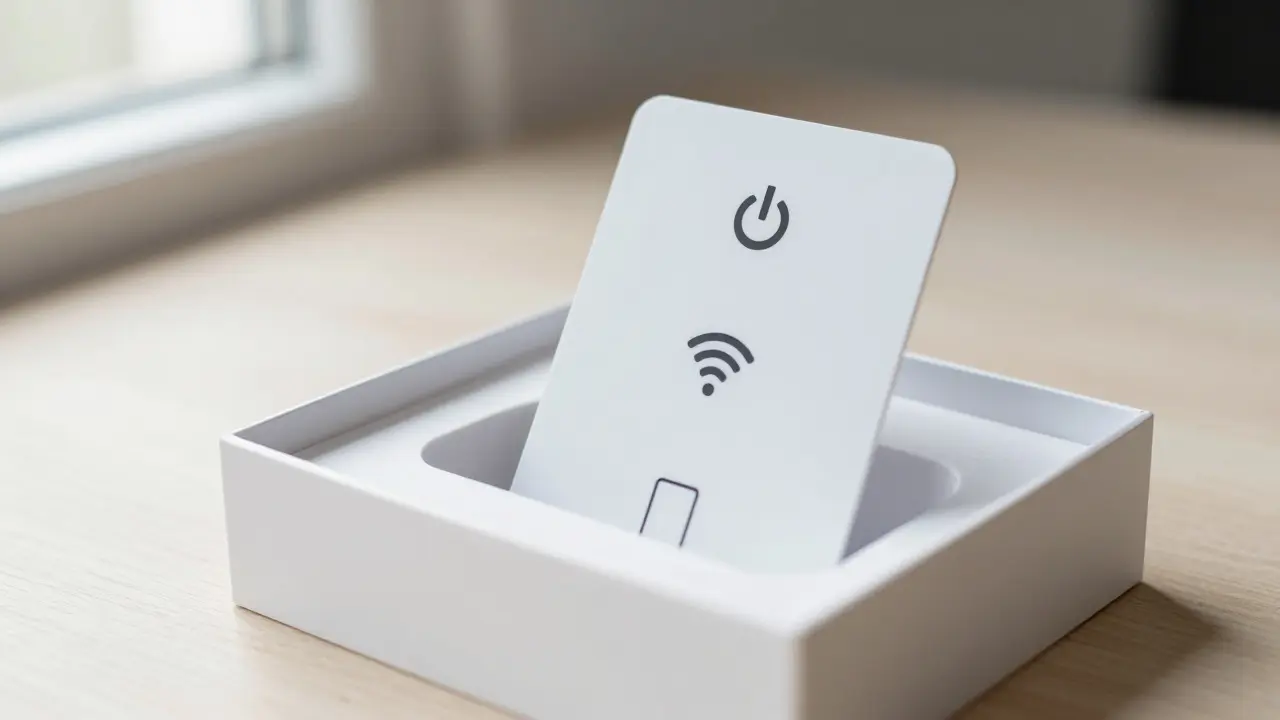
Discover how Apple uses minimal packaging design to improve user experience. Learn the psychology behind simple instructions and how to apply these principles to your own product.
The iPhone Packaging Patent: Why Apple Invested in Box Innovation
Discover how Apple turned the iPhone box into a strategic asset. Explore the patents, psychology, and sustainability behind the iconic unboxing experience.
Accessory Design Language: How Apple Sets the Standard for Peripheral Interactions
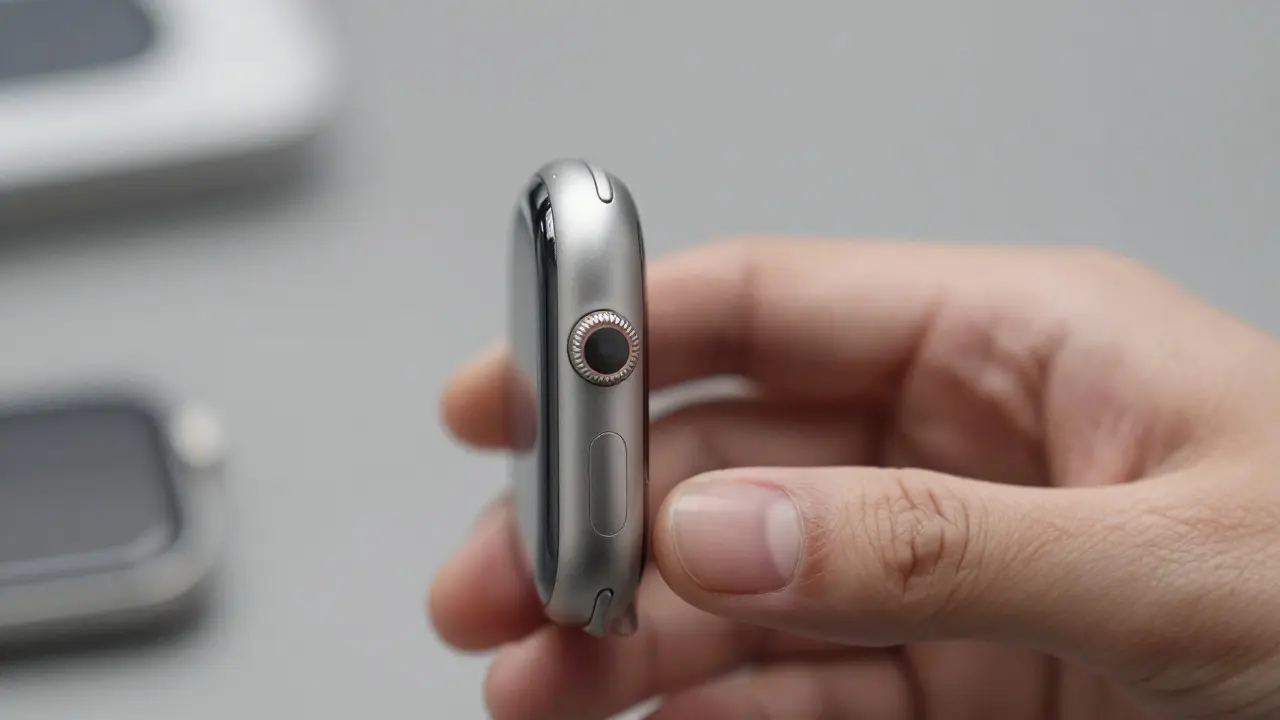
Discover how top-tier accessory design uses tactile feedback, haptics, and materials to create seamless interactions. Learn what makes premium peripherals feel different.
Liquid Glass Sidebars on iPadOS and macOS: Design Deep Dive
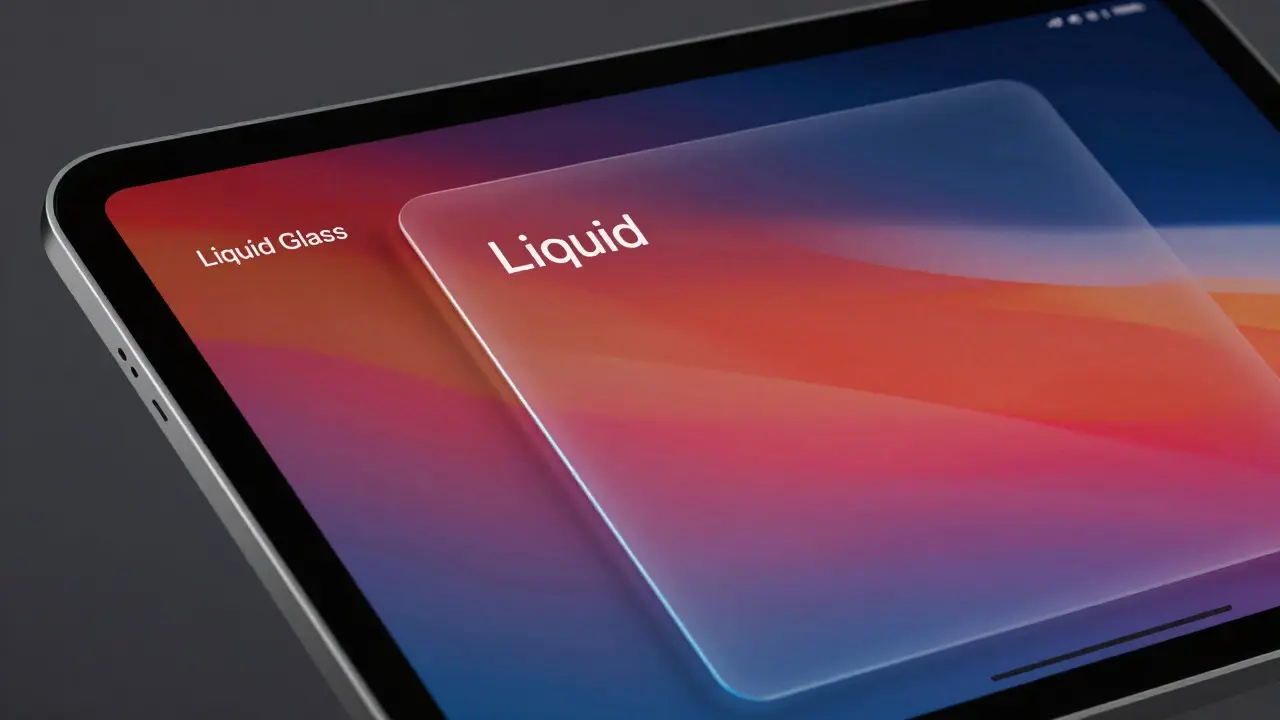
Explore how Liquid Glass sidebars on iPadOS and macOS use dynamic refraction to enhance context awareness. Learn about the technical mechanics, performance impacts, and design implications for developers.
Apple Color Strategy: From iMac Pastels to Modern Neutrals

Explore how Apple's design evolved from the vibrant iMac G3 pastels to today's sophisticated neutrals. Discover the psychology behind these shifts and what they mean for modern product aesthetics.
Apple Design Philosophy: How Cues, Feedback, and Predictability Build Trust
Discover how Apple uses consistent cues, instant feedback, and predictable patterns to build deep user trust across its entire device ecosystem.
Designing Notifications in Apple Ecosystem: Relevance, Timing, and Privacy
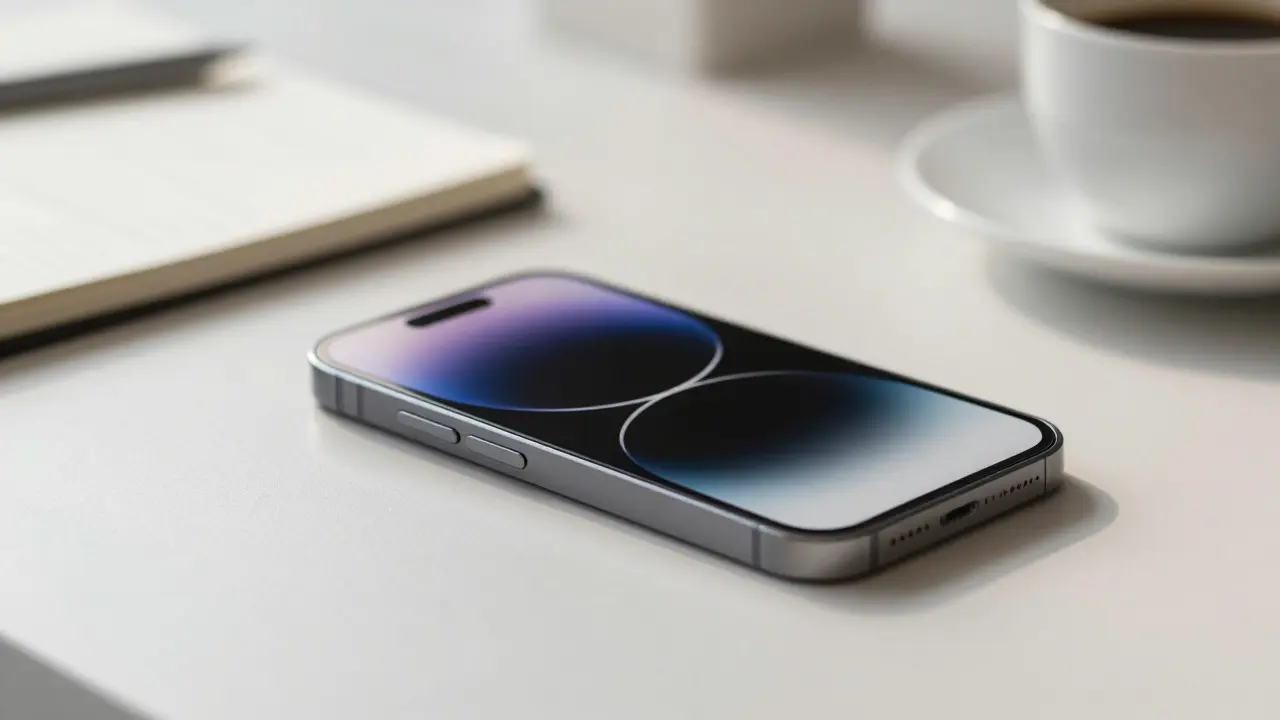
Learn how to design effective notifications for the Apple ecosystem. Master relevance, timing, and privacy to boost engagement without annoying users.
iBook G3 and Wireless Firsts: How Portable Apple Design Came of Age
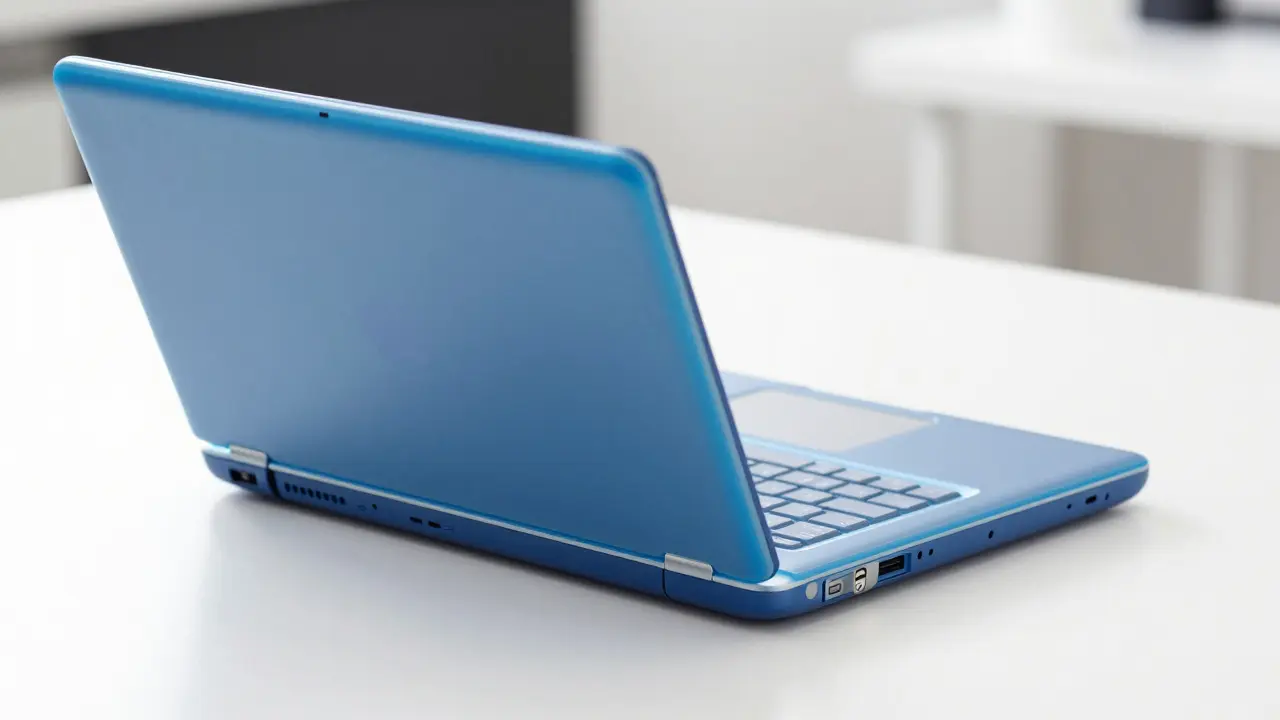
Discover how the iBook G3 revolutionized portable computing with its innovative design and early adoption of wireless technology, setting the stage for modern laptops.
Categories
Popular Articles