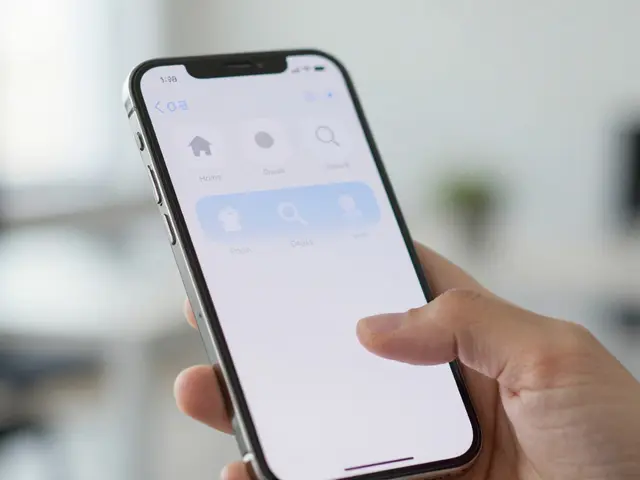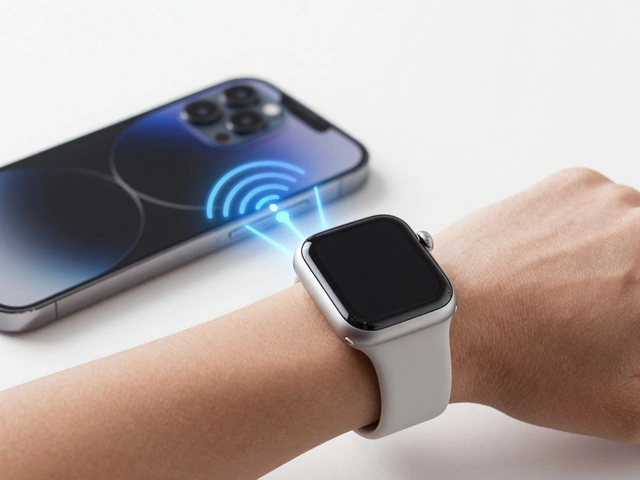

Imagine a company where the printer looks like it was made by a different firm than the computer it connects to. That was Apple in the mid-90s. It didn't just have a branding problem; it had a structural crisis. The company felt like four separate businesses, each with its own design language and disjointed goals. To fix this, Steve Jobs didn't just hire a new designer-he empowered Jony Ive is the British-American industrial designer who transformed Apple's product development by unifying hardware and software design.
The goal wasn't just to make things look "prettier." It was about creating a single, cohesive DNA that lived in the aluminum chassis of a laptop and the pixels of its operating system. This unification shifted Apple from being a computer manufacturer to a design powerhouse that viewed a product as a total system.
The Breaking Point and the iMac Breakthrough
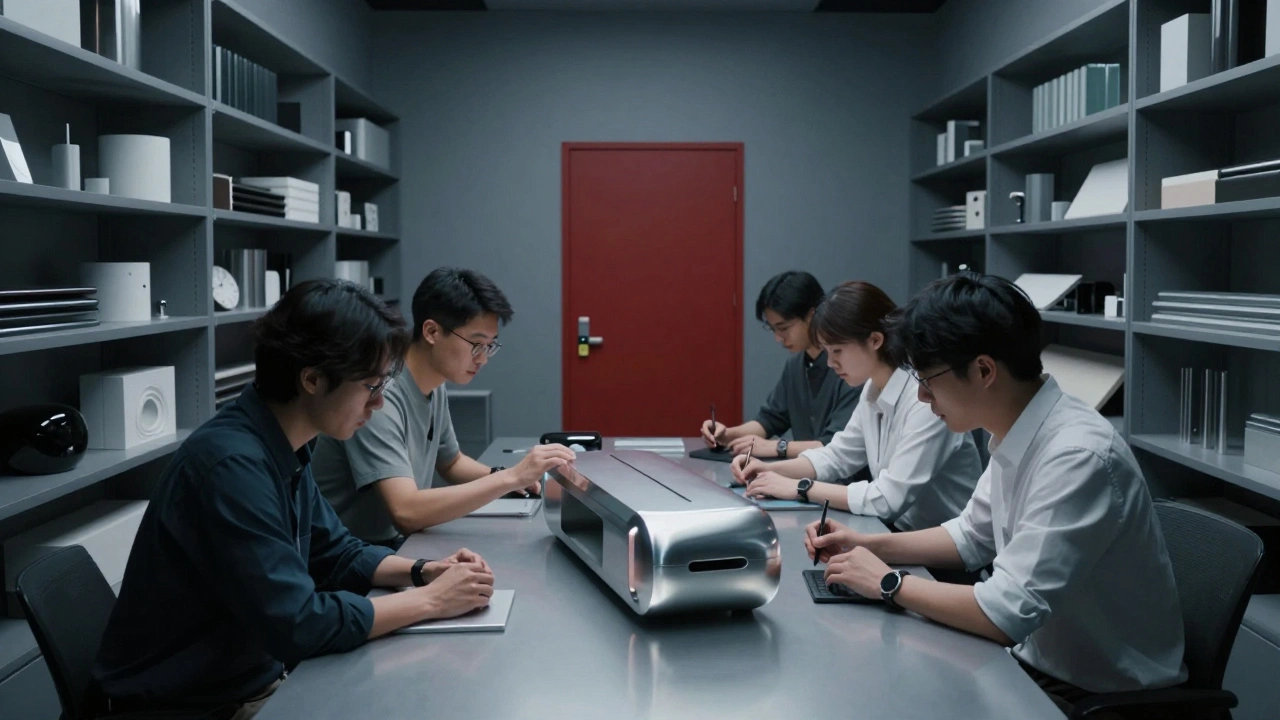
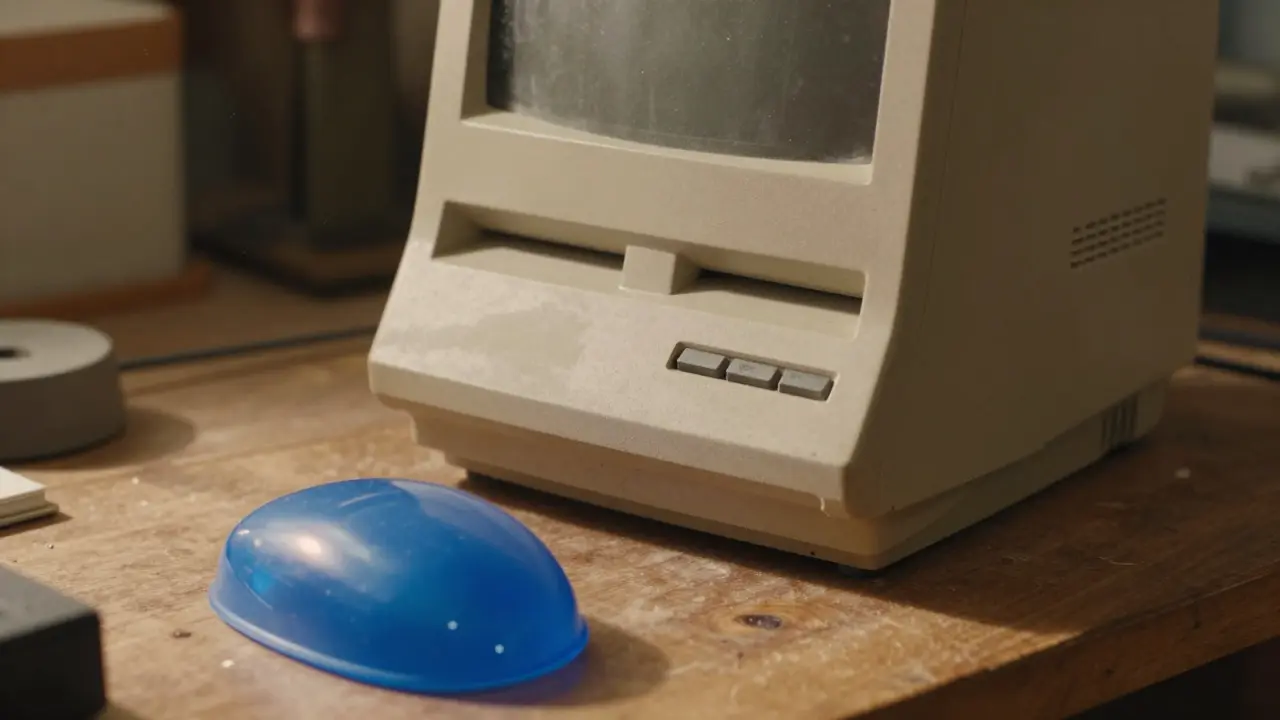
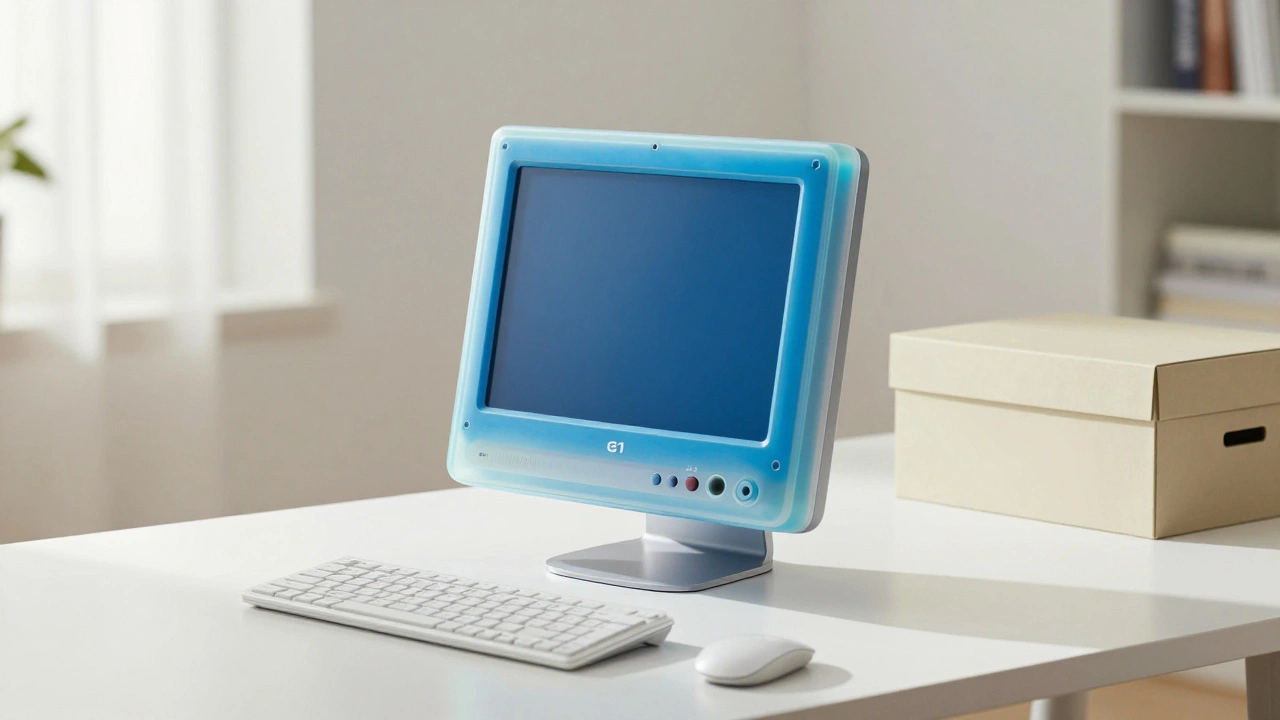
When Jobs returned to Apple, he found a fragmented mess. To solve it, he tasked Ive with creating a unified design language. The first real test of this was the Mac NC project, which eventually became the iMac G3. The team had a brutal timeline: nine months to go from a raw concept to a finished product on shelves.
Ive didn't just sketch a case; he implemented a radical, integrated design process. Instead of passing a drawing to an engineer and hoping for the best, Ive's team worked in a tight loop where industrial design and engineering happened simultaneously. This workflow was so successful that it became the permanent blueprint for how Apple develops products to this day. The result? The iMac G3 became the best-selling Mac in the company's history, proving that a unified aesthetic could drive massive commercial success.
Designing the "Guts": Simplicity Beyond the Surface
Most people think of design as the skin of a product, but for Ive, that was only the beginning. He famously stated that Apple wasn't interested in "design statements" but in simplifying the actual experience. This obsession with simplicity extended to the parts you never see.
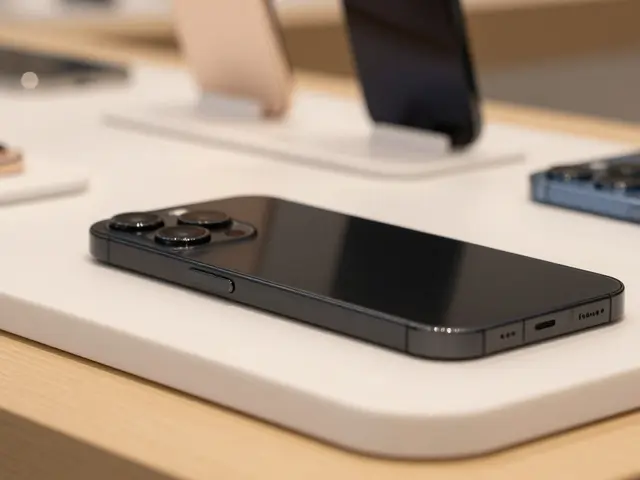
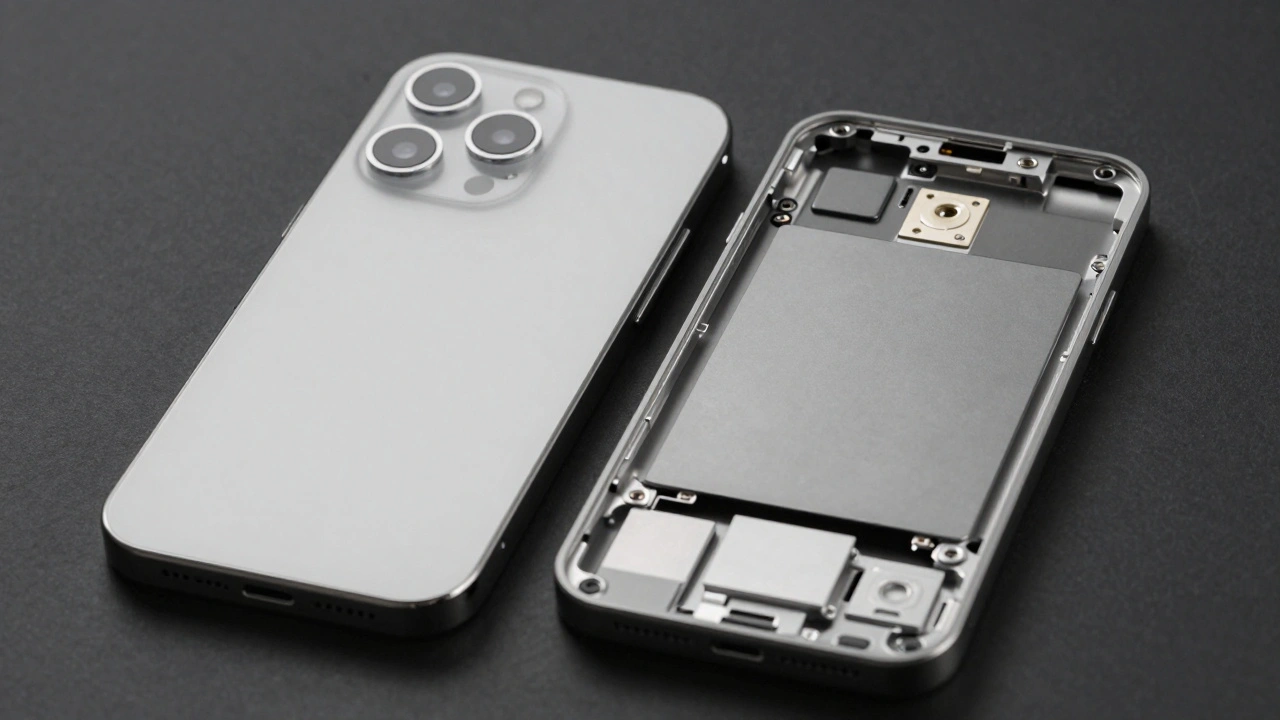
Take the iPhone unibody makeover as an example. In a move that drove most engineers crazy, Ive managed to reduce the number of part-to-part interfaces from nearly thirty down to just five. When engineers disassembled his models, they found that the internal components were as meticulously crafted as the exterior. He spent hours refining the thickness of internal parts and manufacturing specs in injection molders.
By designing the "guts" of the machine, Ive ensured that when a product moved to mass production, the vision didn't get diluted by manufacturing constraints. He treated the packaging with the same intensity, recognizing that the act of unboxing an iPod was the first physical interaction a customer had with the brand. The box wasn't just a container; it was a preamble to the product experience.
The War Between Skeuomorphism and Flat Design
For years, Apple's hardware was becoming sleeker and more minimal, but the software was doing the opposite. Under Scott Forstall, Apple leaned heavily into skeuomorphism is a design principle where digital interfaces mimic real-world materials, such as leather-textured calendars or wooden bookshelves, to help users understand their function. While this helped people transition to touchscreens, it eventually felt dated and cluttered compared to the clean lines of the hardware.
| Attribute | Skeuomorphism (Early iOS) | Flat Design (iOS 7+) |
|---|---|---|
| Visual Goal | Real-world imitation | Abstract simplicity |
| Primary Focus | Familiarity via metaphors | Content and clarity |
| Aesthetic | Textures, shadows, gradients | Bold colors, clean lines |
| Hardware Alignment | Contrast (Digital vs. Physical) | Unified (Cohesive experience) |
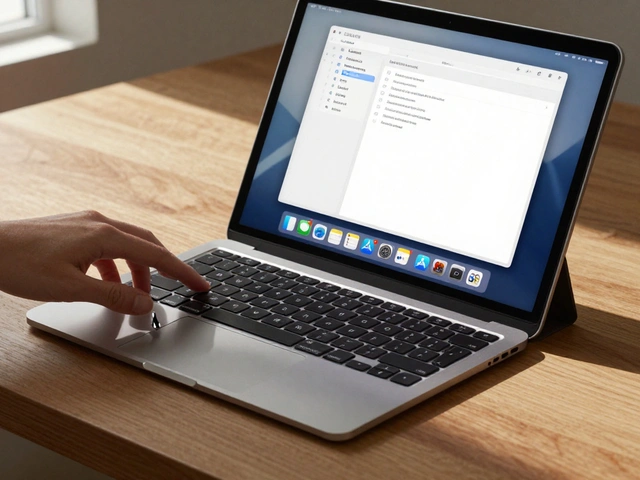
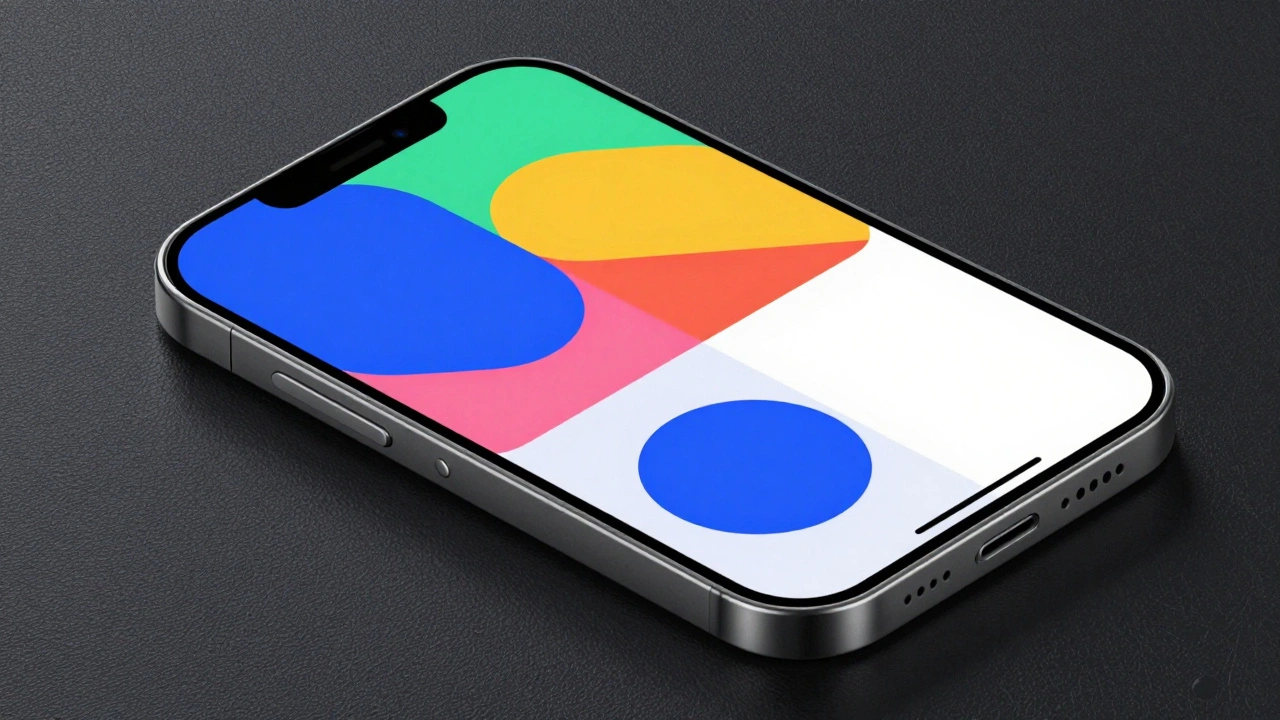
The tension peaked around 2012. In a massive organizational shake-up in October of that year, Apple brought its hardware and software design teams under a single leader: Jony Ive. This move effectively ended the era of skeuomorphism. With the departure of Forstall and the rise of Craig Federighi in software development, Ive was able to enforce flat design across iOS 7. This abstract language stripped away the fake leather and wood, aligning the software's visual identity with the aluminum and glass of the hardware.
The Ultimate Authority: Chief Design Officer
The unification didn't stop at the screen. As Ive moved into the role of Chief Design Officer, his remit expanded to every single touchpoint of the Apple ecosystem. He wasn't just designing the MacBook Air or the iPad; he was designing the Apple Store and even the architecture of Apple Park.
This level of control meant that whether you were walking into a glass-walled retail store, opening a white cardboard box, or swiping through a menu on your phone, you were experiencing the same philosophy. The materials, the spacing, and the interaction patterns were all governed by the same set of rules. This created a "unified design language" that made Apple products feel like a single, continuous experience rather than a collection of separate gadgets.
Why This Matters for Design Leadership
The legacy of this approach is that Apple institutionalized design as the primary driver of the company. In most tech firms, engineering determines what is possible, and design simply "skins" the result. At Apple, the design philosophy became the central determinant of product development. Engineering was tasked with making the design a reality, even if it required inventing new manufacturing processes.
By collapsing the walls between industrial design and Human Interface (HI) design, Ive proved that the boundary between the physical and digital is an illusion. When the hardware and software speak the same language, the friction for the user disappears. That's not just an aesthetic choice-it's a competitive advantage that has defined the industry for two decades.
What is the difference between industrial design and human interface design?
Industrial design focuses on the physical aspects of a product-its shape, materials, ergonomics, and how it is manufactured. Human Interface (HI) design, often called UI/UX design, focuses on the digital interaction-the screens, menus, and how a user navigates the software. Jony Ive unified these so that the physical feel of the device matched the digital feel of the software.
Why did Apple move away from skeuomorphism?
Skeuomorphism was useful when smartphones were new because it used real-world metaphors (like a digital notebook that looked like paper) to teach users how to interact with the screen. Once users became comfortable with touch interfaces, these metaphors became unnecessary "visual noise." Flat design replaced them with a cleaner, more abstract look that prioritized content over decoration.
How did the iMac G3 contribute to Apple's design shift?
The iMac G3 was the first major success of Ive's integrated design process. Developed in just nine months, it broke the industry standard of "beige boxes" and introduced a cohesive, colorful, and friendly aesthetic that signaled Apple's return to innovation and design-led thinking.
What is a "unibody" design and why does it matter?
A unibody design means the product's chassis is carved from a single block of material (usually aluminum) rather than being assembled from many separate parts. This reduces the number of interfaces and screws, making the device stronger, thinner, and more visually seamless, which aligned with Ive's obsession with simplicity.
Did Jony Ive design Apple Park?
Yes. As Chief Design Officer, Ive's influence extended beyond handheld devices to include the architecture of Apple's corporate headquarters, Apple Park. This ensured that the company's physical environment reflected the same minimalist and precision-engineered values as its products.