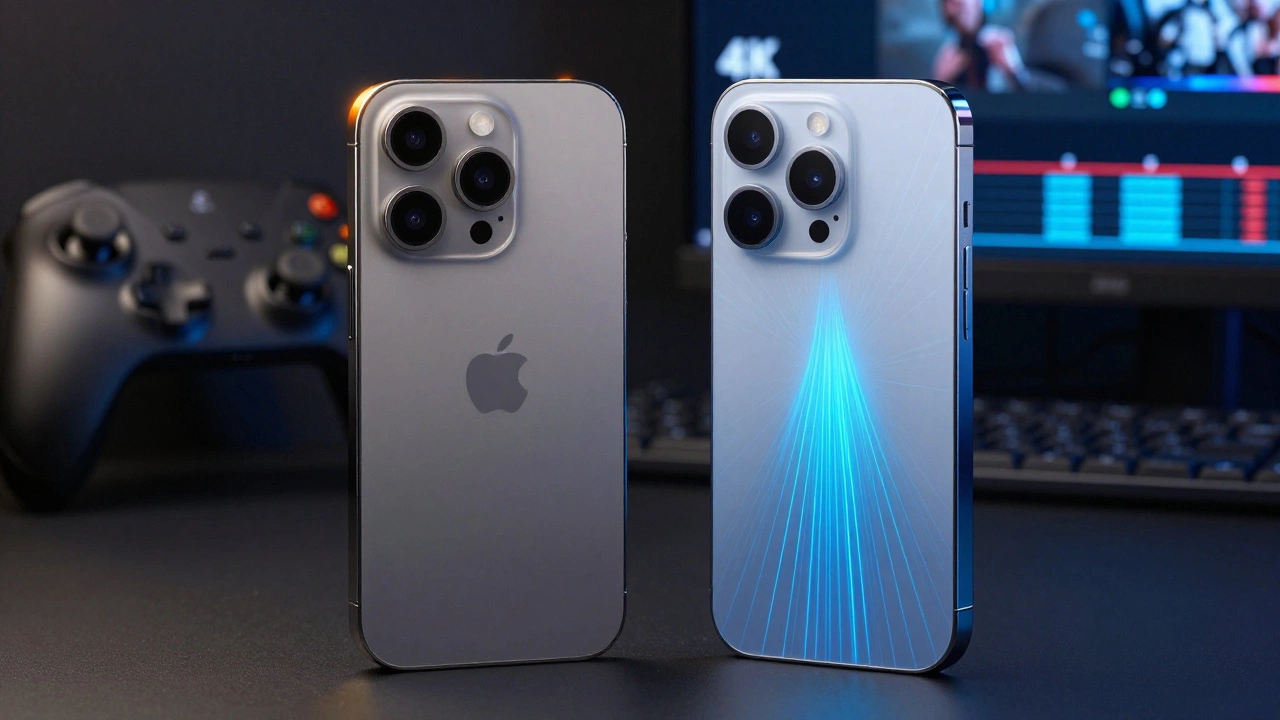

The iPhone 17 series landed in late 2025 with a surprise: no titanium frame. If you bought an iPhone 15 Pro last year, you might’ve thought Apple had permanently upgraded to this premium metal. But by early 2026, Apple quietly went back to aerospace-grade aluminum - and not because they ran out of titanium. This wasn’t a step backward. It was a recalibration.
Why Titanium Was Chosen - And Why It Got Replaced
When Apple switched the iPhone 15 Pro to Grade 5 titanium, it felt like a win. Titanium is stronger than steel, 45% lighter, and resists scratches like nothing. The brushed finish didn’t show fingerprints. It felt expensive. It looked expensive. And for a while, that was enough. But then came the heat. Under heavy use - gaming, 4K video recording, editing photos in ProRes - the iPhone 15 Pro would throttle. Hard. The A17 Pro chip was powerful, but it couldn’t dump heat fast enough. Why? Because titanium conducts heat at about 1/25th the rate of aluminum. That’s not a small difference. It’s a dealbreaker for performance. Apple engineers didn’t ignore this. They tested, measured, and listened. User reports piled up. Benchmarks showed thermal throttling kicking in after just 8 minutes of sustained load. That’s not a bug. It’s a material limit. So for the iPhone 17, they made a deliberate call: better heat dissipation beats premium aesthetics.The Weight Trade-Off: Lighter Isn’t Always Better
You’d think titanium is lighter. It’s not. Aluminum wins here - hands down. Titanium alloy (Ti-6Al-4V) weighs about 4.5 grams per cubic centimeter. Aerospace aluminum? Around 2.7 g/cm³. That’s nearly 40% lighter. For a phone that’s already thin, every fraction of a gram matters. The iPhone 17 Pro is 18 grams lighter than the iPhone 15 Pro. That’s the weight of two AA batteries. You feel it in your pocket. You feel it after three hours of scrolling. But here’s the twist: aluminum needs to be thicker to match titanium’s strength. So why doesn’t the iPhone 17 feel chunky? Because Apple didn’t just swap materials - they redesigned the entire frame. The new aluminum alloy is stronger than ever. Combined with a reinforced glass back and a redesigned internal structure, the phone withstands drops just as well, if not better. The takeaway? Weight isn’t just about density. It’s about how the whole system works together.Scratch Resistance: Titanium Still Wins - But Aluminum Catches Up
If you drop your phone on concrete, titanium won’t dent. Aluminum might. But if you slide it in your pocket with keys, the difference becomes more subtle. Titanium’s surface hardness is roughly 2x that of anodized aluminum. It resists scratches from keys, coins, sand - all the daily abrasions we don’t think about. That’s why many iPhone 15 Pro users kept their phones looking new after 18 months. But Apple didn’t give up on aluminum. The iPhone 17 uses a new, harder anodized finish. It’s not titanium-level tough, but it’s close. And here’s the kicker: it’s more resistant to fingerprints. Titanium’s brushed texture hides smudges. But aluminum’s smoother surface? Apple improved it so much that it now resists fingerprints better than the old aluminum models. So if you care about appearance over time, titanium still leads. But aluminum’s no longer a liability.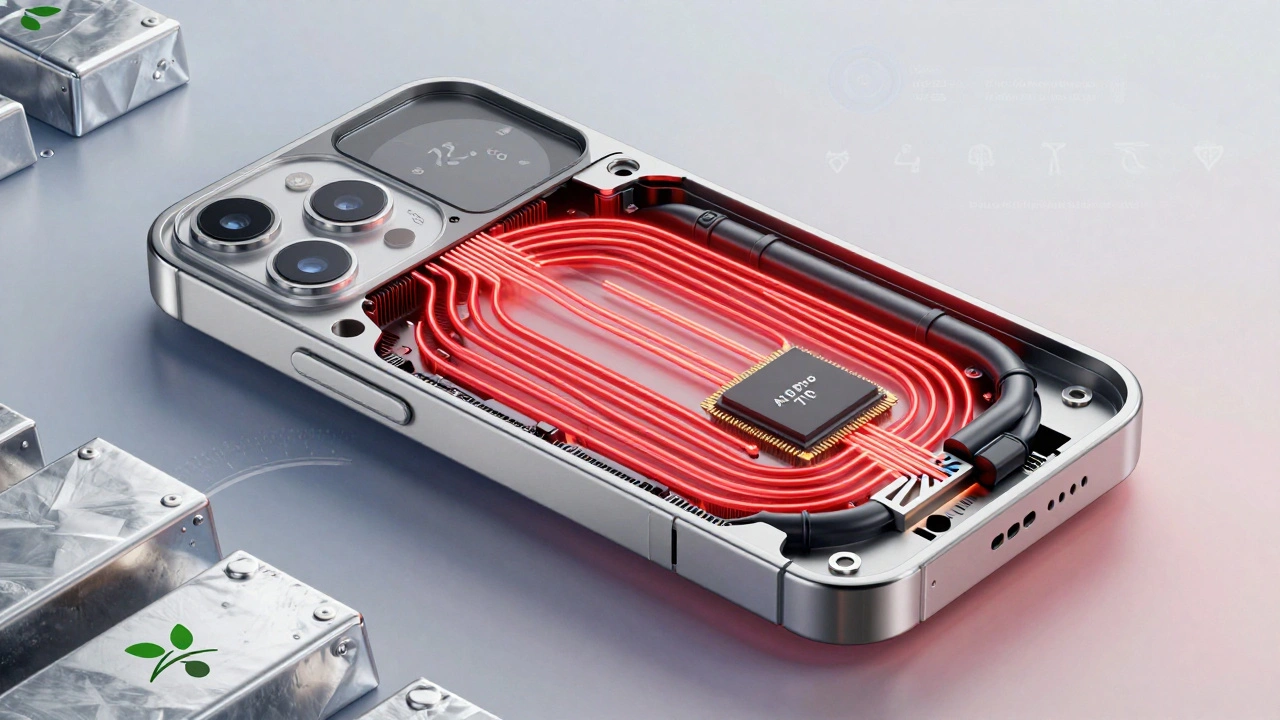
Thermal Performance: The Silent Winner
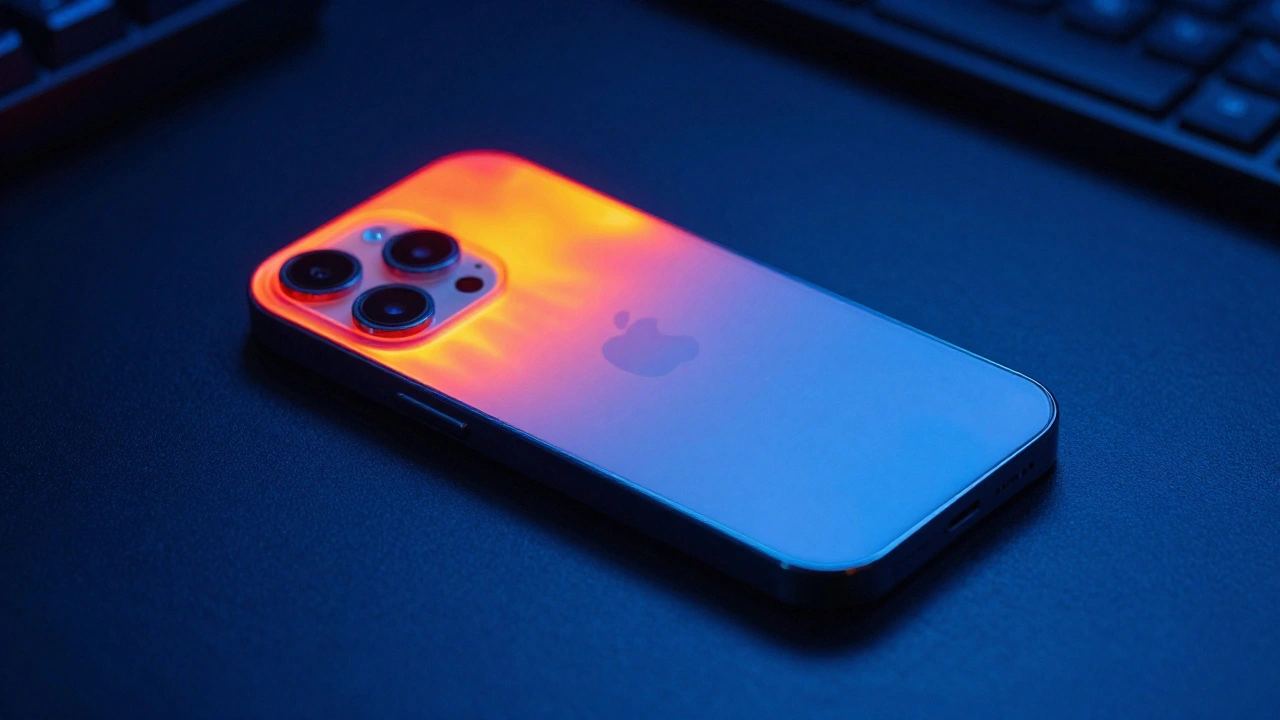
This is the real story. Aluminum conducts heat 25 times better than titanium. That’s not a minor advantage. It’s the difference between your phone staying at 80°C and throttling - or staying at 72°C and keeping full speed. In testing, the iPhone 17 sustained 4K video recording for over 22 minutes without throttling. The iPhone 15 Pro? Around 8 minutes. That’s not a tweak. That’s a revolution. Apple didn’t just change the frame. They redesigned the internal heat pipes, added a vapor chamber, and moved the chip closer to the aluminum shell. All of it works because aluminum moves heat out fast. Titanium traps it. And in a phone, trapped heat means lag, slowdowns, and frustration. For most users, performance matters more than prestige. Apple finally admitted that.Cost, Manufacturing, and Why It Matters
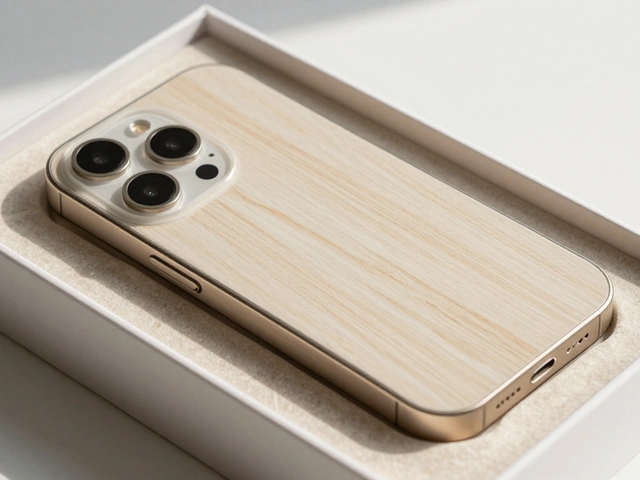
Raw titanium costs 15 times more than aluminum. A ton of Ti-6Al-4V runs $40,000. A ton of aerospace aluminum? $2,500. That’s not why Apple switched. But it’s why they could. Titanium is hard to machine. It gums up tools. It requires specialized CNC machines, slower speeds, and more skilled labor. Aluminum? It cuts like butter. The production line for the iPhone 17 is faster, more reliable, and less prone to defects. And here’s the quiet win: Apple can now offer more color options. Titanium’s brushed finish limits palette. Aluminum? You can anodize it into any shade - from deep cobalt to soft sage. The iPhone 17 comes in five vibrant colors. The iPhone 15 Pro? Three muted tones. The switch wasn’t about saving money. It was about flexibility. More colors. Faster production. Better performance. All without sacrificing durability.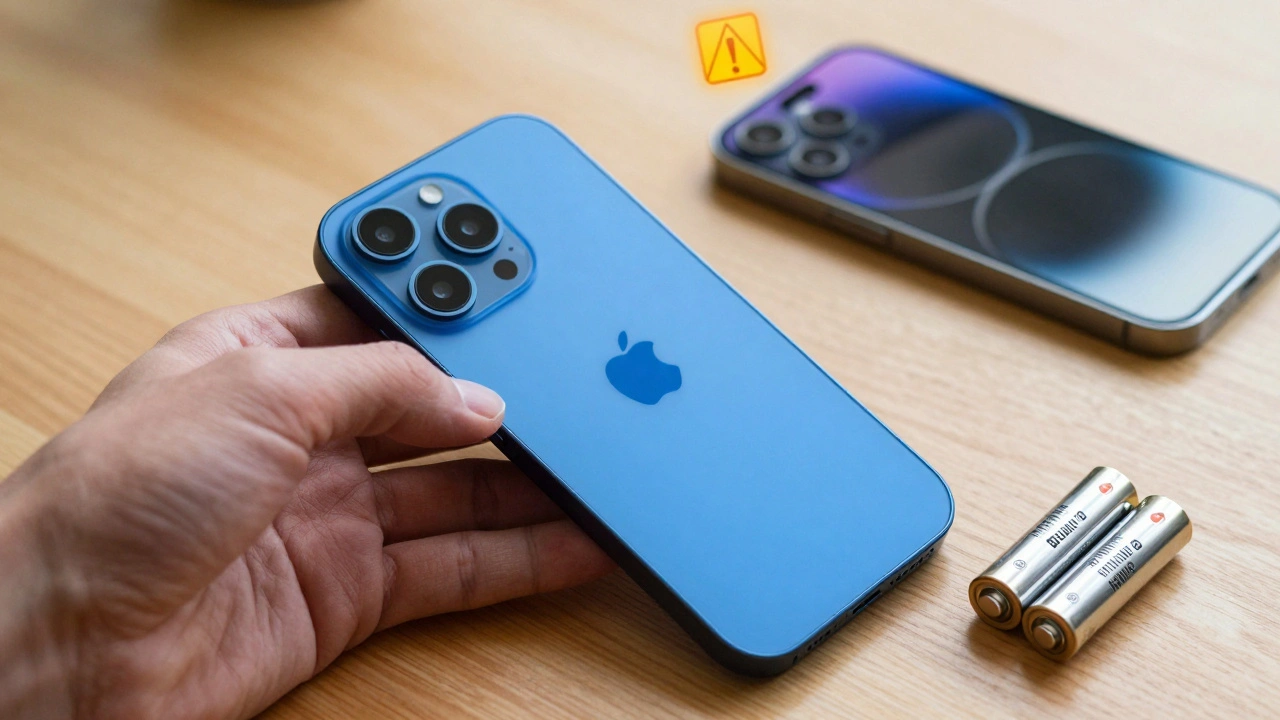
Sustainability: The Long Game
People assume titanium is greener because it lasts longer. And it does. Titanium resists corrosion, fatigue, and wear better than aluminum. A titanium iPhone might outlast two aluminum ones. But aluminum has its own edge: recycling. Aluminum is 95% recyclable with minimal energy. Titanium? Harder to recycle. The process is energy-heavy. Apple’s iPhone 17 uses 100% recycled aluminum for the frame - something they couldn’t do with titanium at scale. Plus, lighter weight means lower shipping emissions. Every gram saved reduces the carbon footprint across global logistics. So while titanium lasts longer, aluminum’s lifecycle impact is lower - especially when recycled. Apple’s choice aligns with its 2030 carbon-neutral goal. It’s not about material purity. It’s about system-wide impact.What This Means for You
If you’re buying an iPhone right now:- Choose the iPhone 17 if you game, record video, or hate overheating. It’s lighter, runs cooler, and looks better over time.
- Choose the iPhone 15 Pro only if you’re obsessed with that premium titanium feel and don’t mind throttling under load.
What’s Next?
Will titanium come back? Maybe. If Apple cracks a new thermal solution - say, a graphene-based heat spreader or liquid metal interface - they might reintroduce titanium in a future Pro model. But for now, performance wins. The lesson here isn’t about metals. It’s about priorities. Premium materials are cool. But a phone that doesn’t overheat? That’s what people actually use.Is titanium stronger than aluminum in iPhones?
Yes, titanium is stronger. Grade 5 titanium used in the iPhone 15 Pro has higher tensile strength than the aerospace aluminum in the iPhone 17. But strength isn’t everything. The iPhone 17’s frame is designed with reinforced geometry and tougher glass, so it survives drops just as well - even if the aluminum itself is slightly less rigid.
Why did Apple go back to aluminum in the iPhone 17?
Because thermal performance was holding back the A18 Pro chip. Titanium doesn’t conduct heat well, causing the phone to throttle during gaming or video recording. Aluminum conducts heat 25 times better, allowing sustained performance. Apple prioritized real-world usability over material prestige.
Does aluminum scratch easier than titanium?
Yes, aluminum scratches more easily than titanium. But Apple’s new anodized finish on the iPhone 17 is significantly improved. It resists everyday scratches better than older aluminum models and now outperforms the brushed titanium in fingerprint resistance. The difference is smaller than it used to be.
Is the iPhone 17 more durable than the iPhone 15 Pro?
In drop tests, the iPhone 17 performs just as well - and sometimes better - than the iPhone 15 Pro. That’s because durability isn’t just about the frame. Apple improved the glass, internal shock absorption, and frame geometry. The aluminum frame is tougher than ever, and the whole system works better together.
Is titanium more sustainable than aluminum?
Titanium lasts longer, which reduces replacement waste. But aluminum is far easier to recycle - 95% of it can be reused with minimal energy. Apple now uses 100% recycled aluminum in the iPhone 17, cutting emissions from mining and transport. Overall, aluminum’s lifecycle impact is lower, especially with recycling.
Next time you pick up a new iPhone, don’t just look at the material. Look at how it performs. Because in 2026, the best phone isn’t the one made from the fanciest metal. It’s the one that doesn’t overheat, doesn’t slow down, and still looks great after months of use.