Category: Design & Technology - Page 3
Alerts and Sheets on Apple Platforms: How to Prioritize User Choice Without Causing Panic
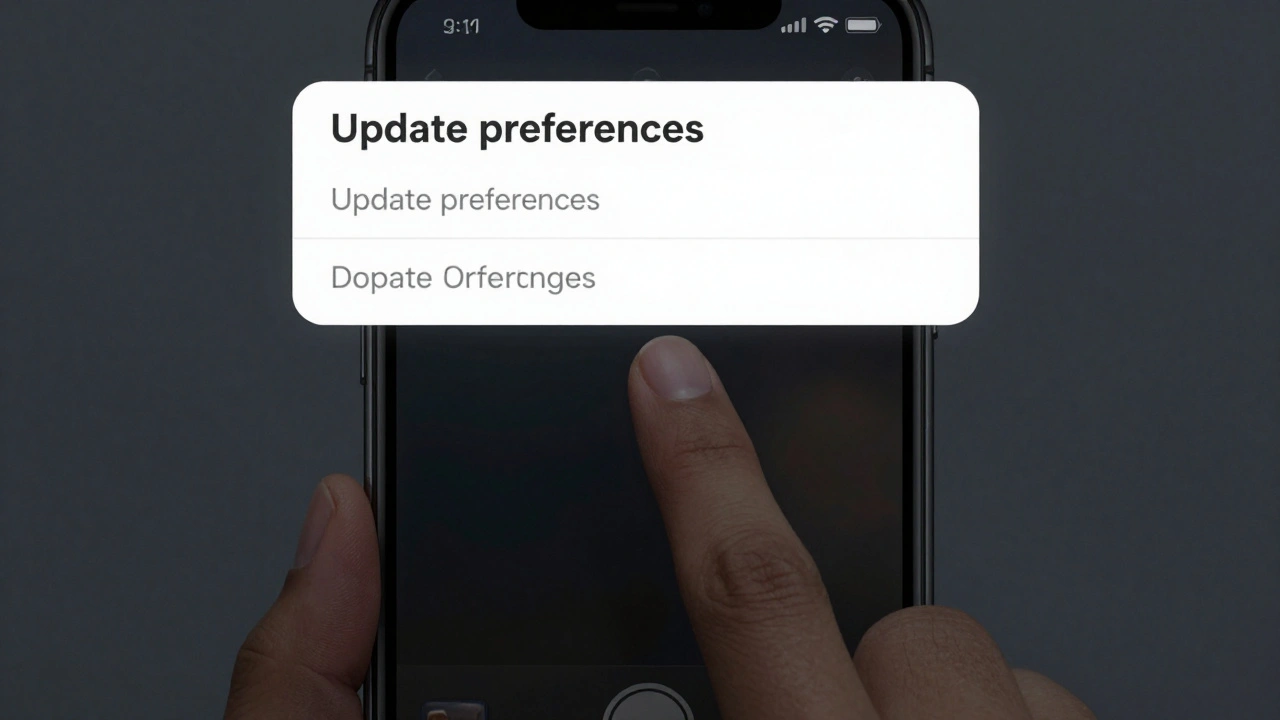

Learn how to use alerts, action sheets, and half sheets on Apple platforms to guide users without overwhelming them. Prioritize choice, reduce panic, and build trust with smarter UI design.
Contextual Menus and Peek: How Apple Unified Touch Interactions Across iOS and iPadOS
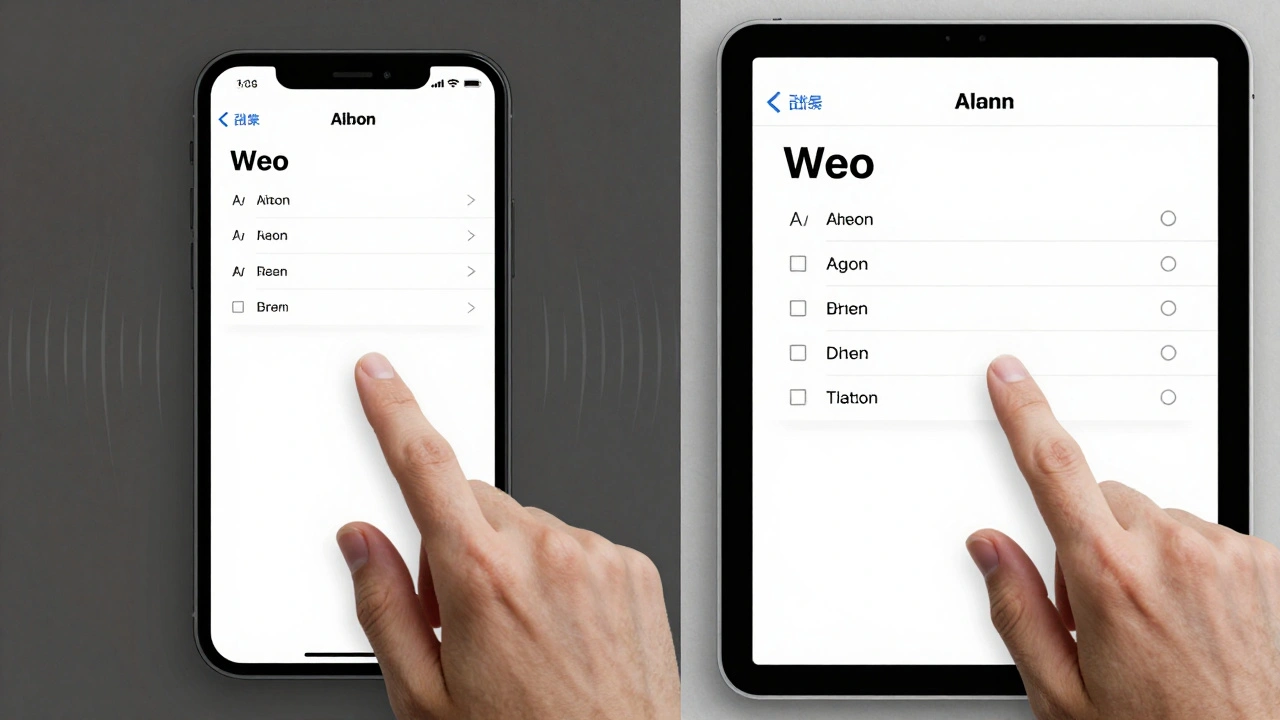
iOS 26 and iPadOS 26 unified contextual menus and Peek & Pop across all Apple devices, making interactions faster, smarter, and consistent. With Apple Intelligence, menus now suggest actions based on what’s on screen.
Type Pairing in Apple Marketing: How Serif Headlines and Sans-Serif UI Work Together
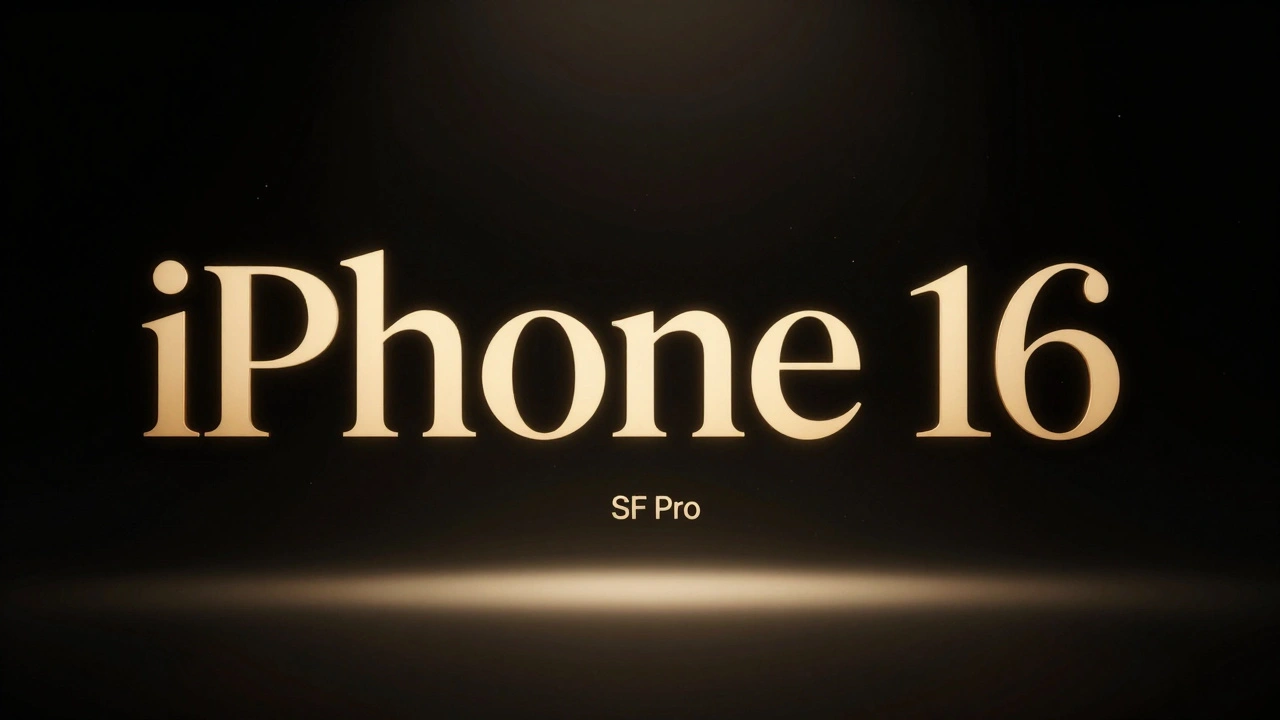
Apple uses serif headlines with sans-serif UI to create emotional contrast and clear hierarchy. New York serif for storytelling, SF Pro for functionality - a quiet design rule that makes their marketing unforgettable.
Testing Apple UI: Prototyping with HIG Patterns for Predictable Behavior
Learn how Apple's Human Interface Guidelines create predictable, intuitive user experiences through consistent patterns, hierarchy, and feedback. Stop guessing - start designing for real behavior.
Symbol Management: Organizing SF Symbols Overrides in Design Files
Learn how to organize SF Symbols overrides in design files to avoid chaos, save time, and keep your Apple design system scalable. Use naming conventions, locking, and rendering modes to manage symbols like a pro.
Defending Taste at Scale: How Apple Keeps Its Design Language Consistent Across Hundreds of Products
Apple maintains a consistent design language across hundreds of products by focusing on cohesive behaviors, dynamic materials like Liquid Glass, and slow, refined updates. This approach keeps the user experience intuitive and trustworthy - not because everything looks the same, but because everything feels right.
Thermal Conductivity and Comfort: Why Aluminum Still Wins in Many Apple Designs
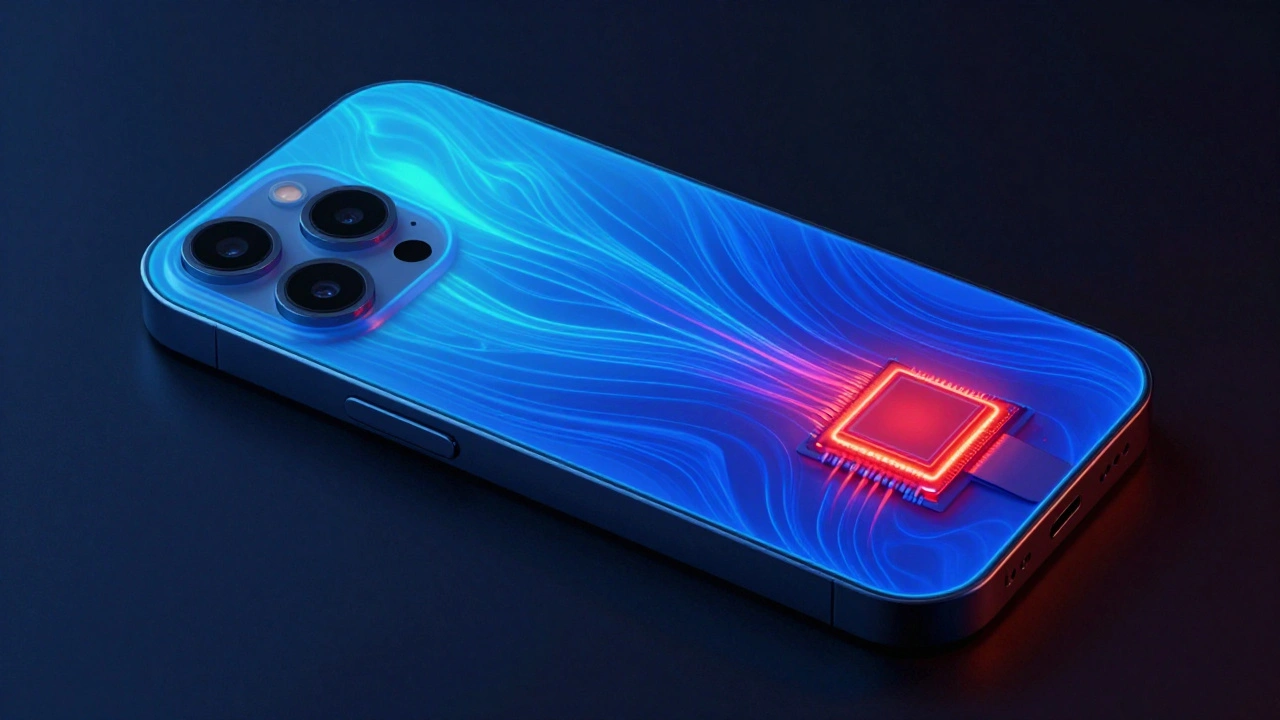
Apple's iPhone 17 Pro returns to aluminum for superior heat dissipation, durability, and comfort. Aluminum moves heat 100x faster than titanium, prevents throttling, reduces weight, and cuts carbon emissions-making it the smartest material choice for modern smartphones.
How iPhone’s Lock Screen Balances Glanceable Information and Privacy
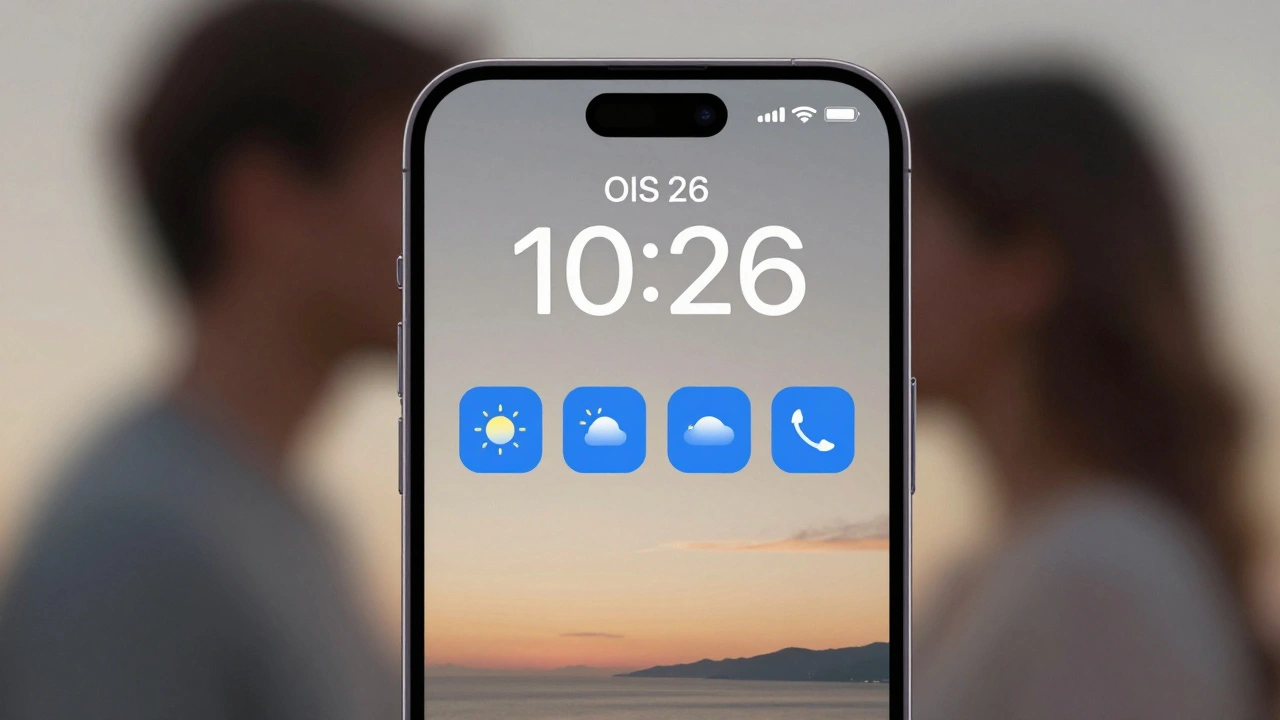
iPhone's lock screen in iOS 26 blends dynamic visuals with smart privacy controls-blurring wallpapers, blocking USB access, and auto-enabling theft protection-so you see what you need without exposing what you don't.
Designing Calm, Predictable Alerts for Neurodiversity on Apple Devices
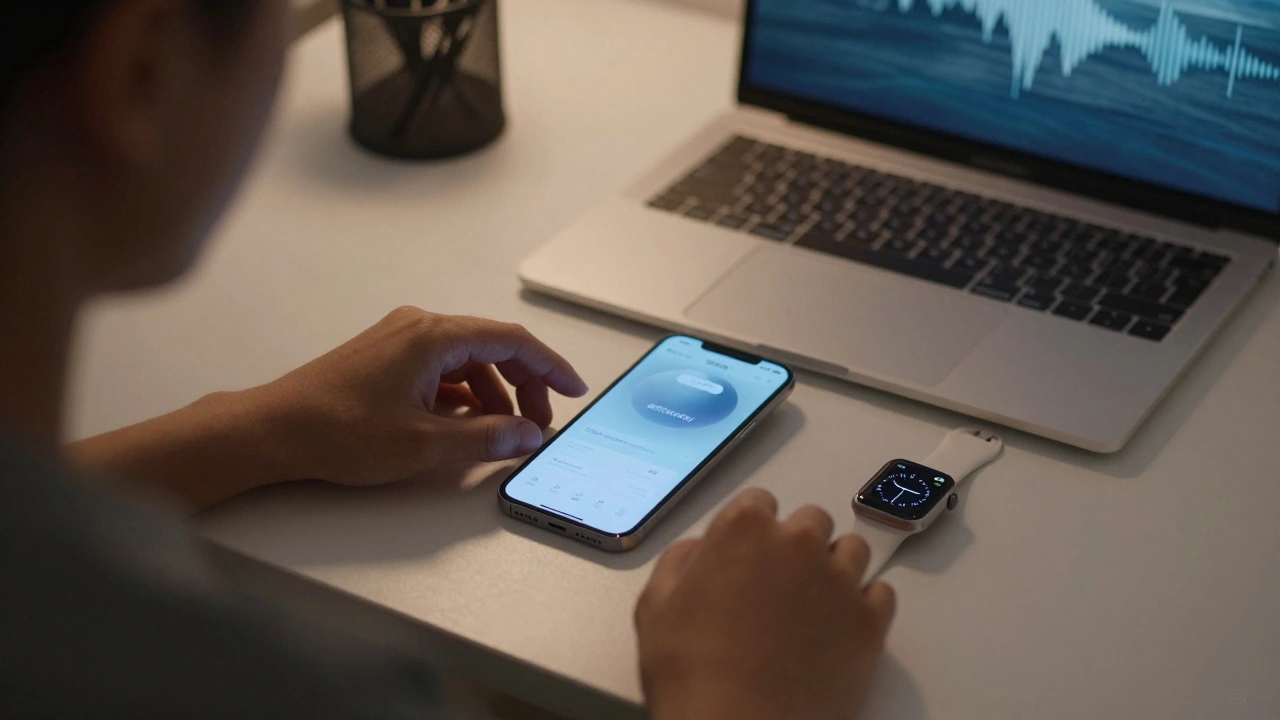
Apple’s alert system offers deep customization for neurodivergent users, letting people control how they receive notifications through sound, vibration, visuals, and voice. Learn how to build calm, predictable feedback that works for your brain.
Measuring Accessibility Success on Apple: Adoption and Task Completion
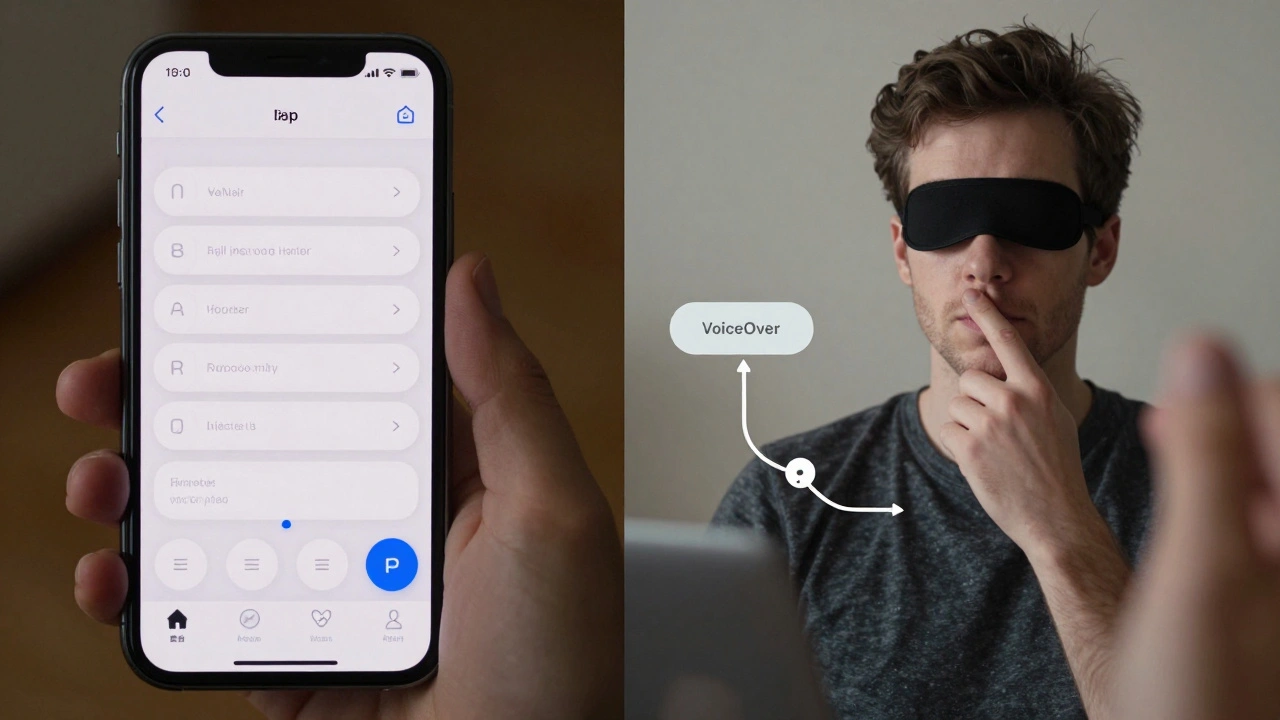
Most iOS apps fail accessibility tests, with 94% having at least one issue. Learn how Apple measures task completion success, why labels and contrast matter, and how to fix real-world accessibility problems - not just technical ones.
Performance Considerations: Rendering Liquid Glass Materials at 120Hz on Apple Displays
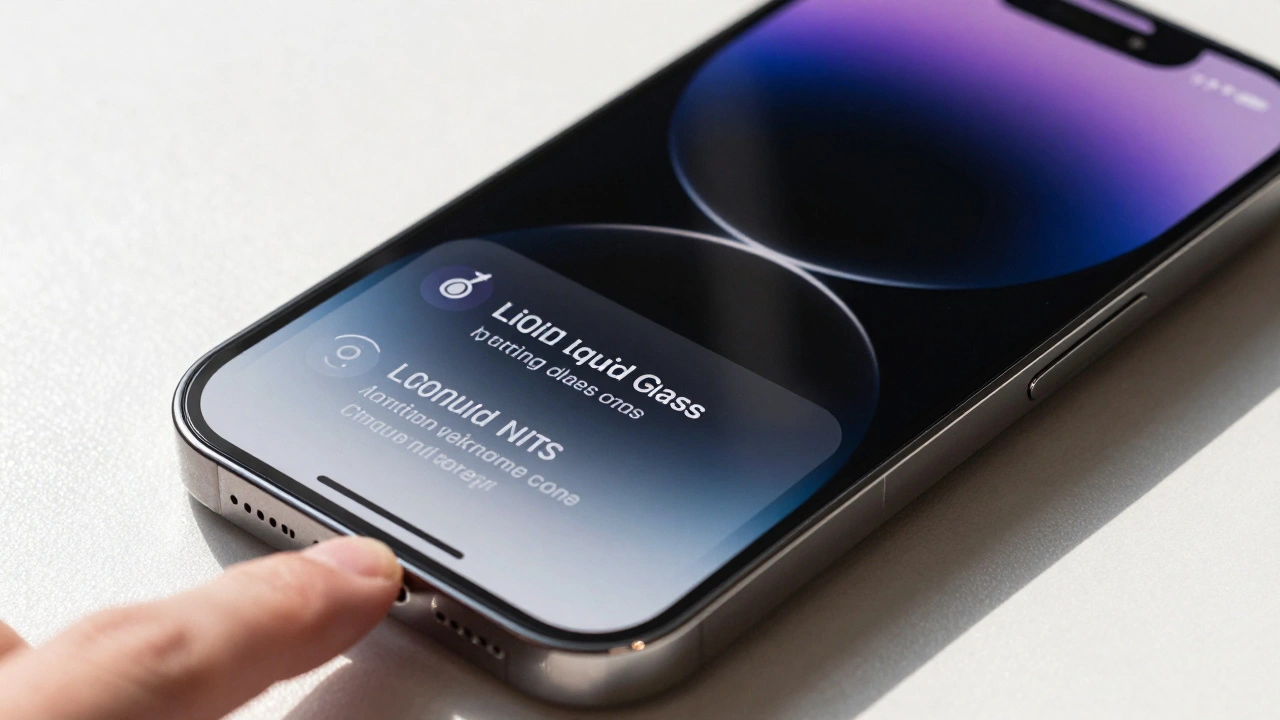
Apple's Liquid Glass material brings real-time, physics-based rendering to iOS 26 and beyond, demanding 120Hz displays and custom silicon to deliver fluid, adaptive visuals that respond to light, motion, and touch. This is UI design reimagined.
Designing for Input Diversity: Touch, Pencil, Keyboard, and Voice on Apple Devices
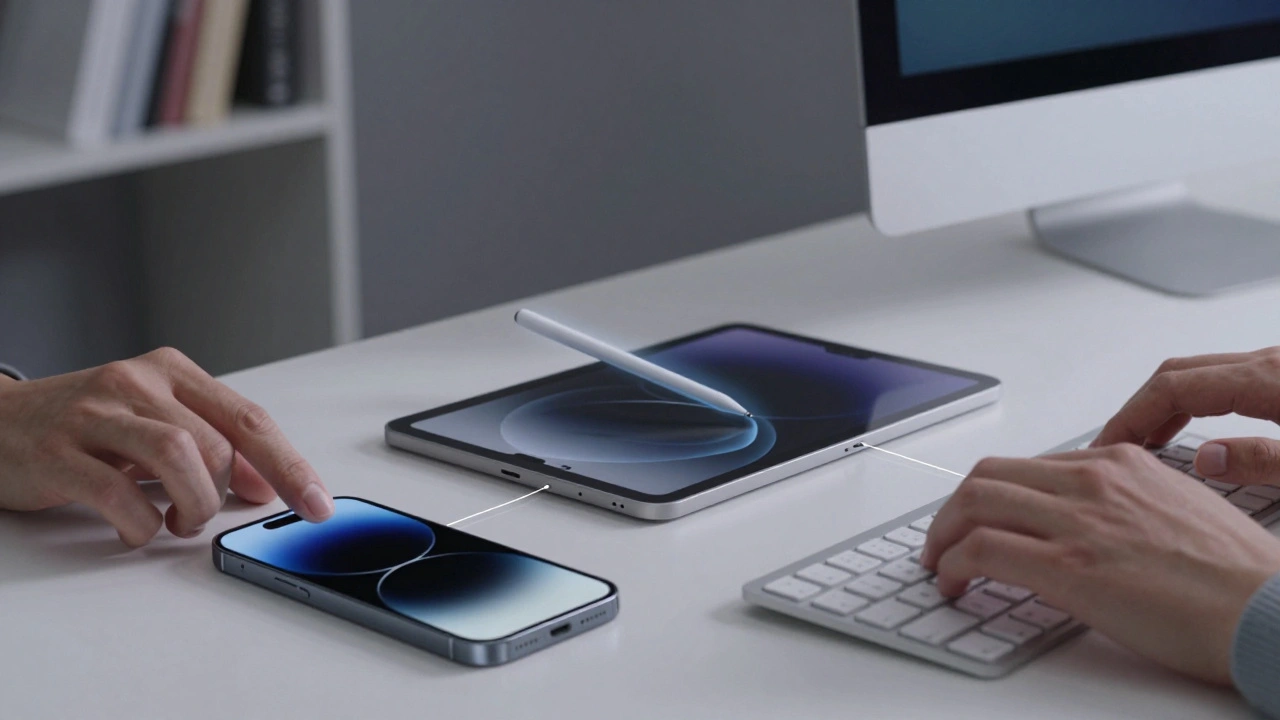
Apple's input methods-touch, Pencil, keyboard, and voice-work best together, not alone. Each device has its role, and continuity ties them into a seamless workflow that outshines single-device competition.