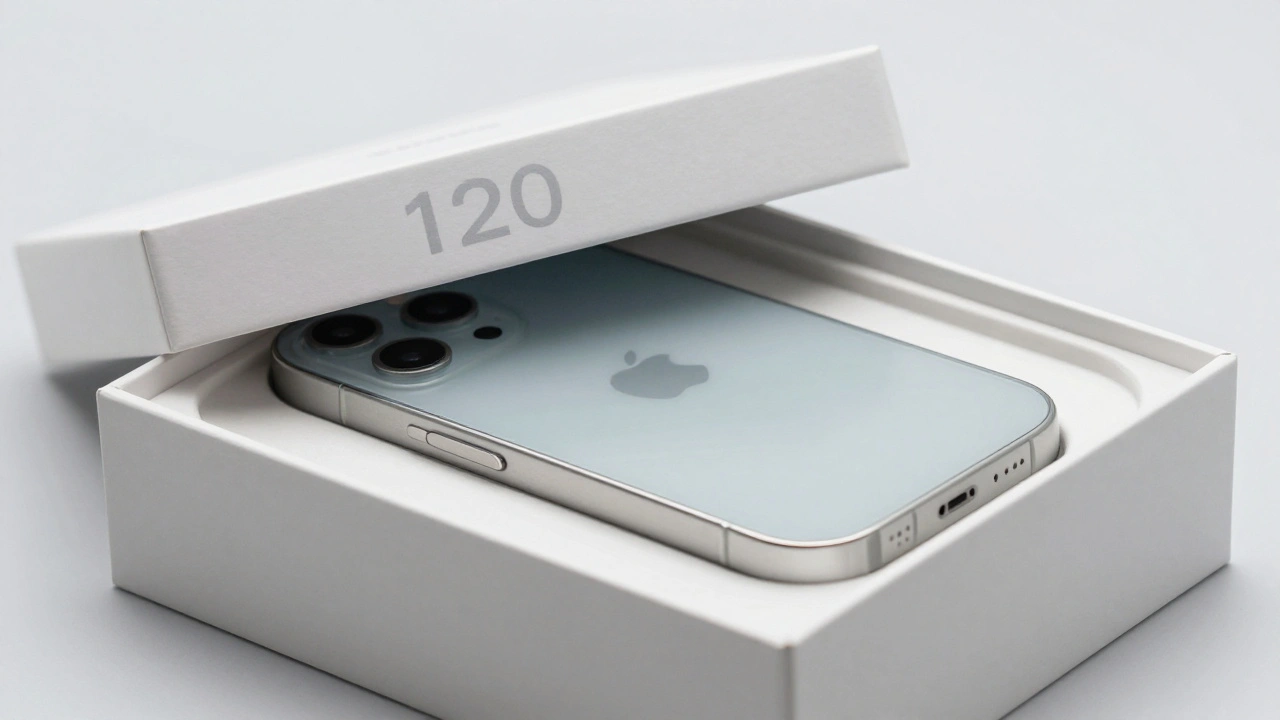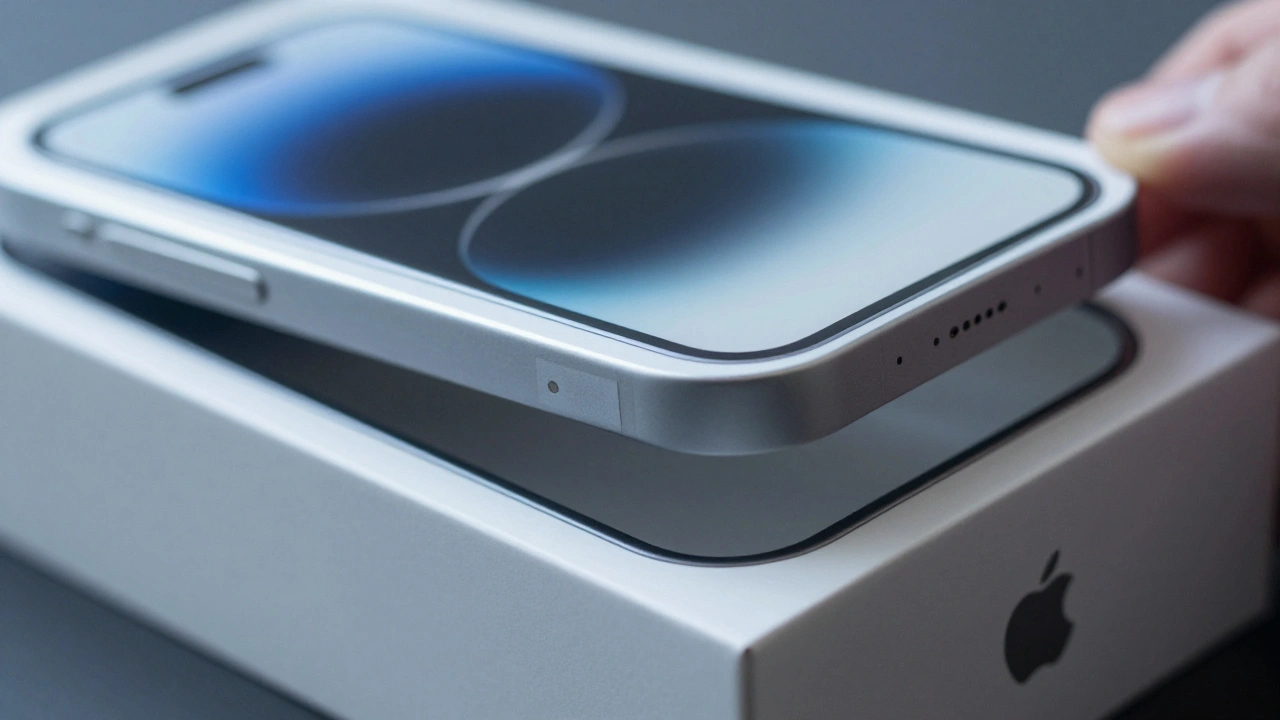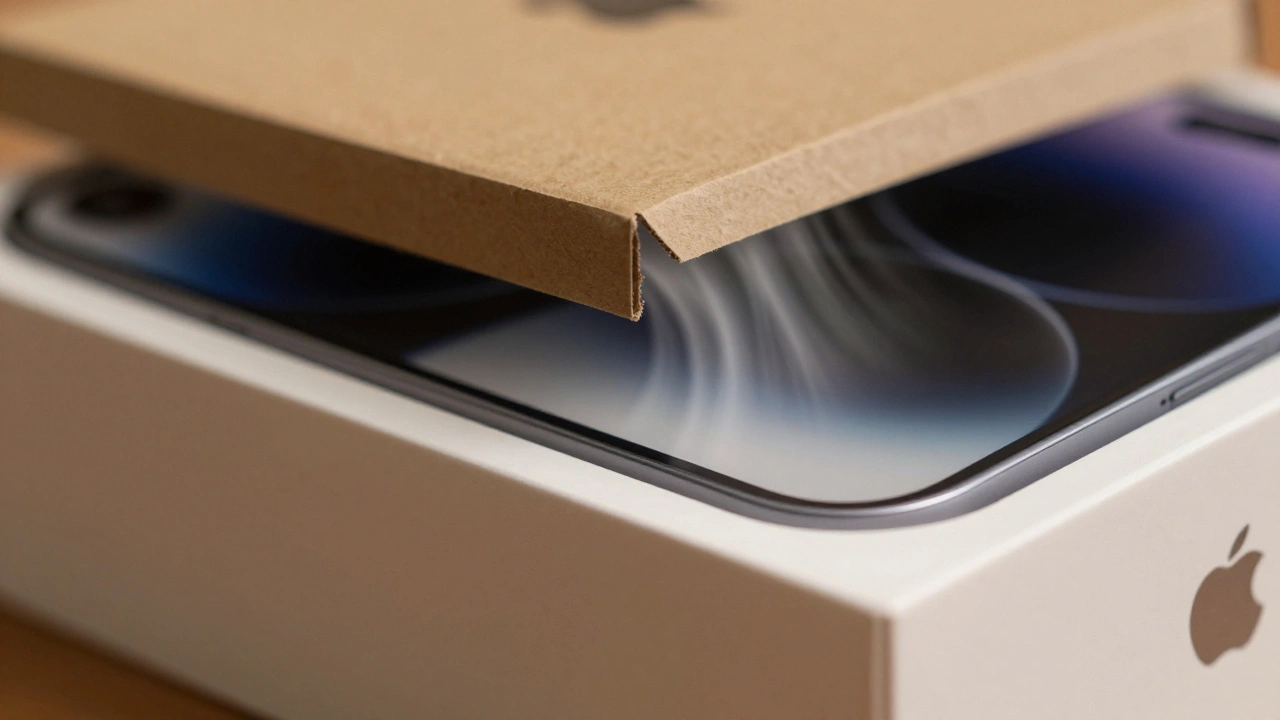

Most people think of packaging as just a box. But Apple doesn’t see it that way. To them, the box you open is the first real moment you interact with the product - even before you touch the device inside. And that moment? It’s not left to chance. Every crackle, every whoosh, every pause is engineered. Not for fun. Not for flair. But to make you feel, instantly, that this thing is different.
The Whoosh That Says ‘This Is Apple’
The most famous sound in Apple packaging isn’t played from a speaker. It’s made by the box itself. When you lift the iPhone box, there’s a soft, smooth whoosh - like a curtain parting. It’s not loud. It’s not flashy. But it’s unmistakable. And it’s not accidental.
This sound comes from the air pockets inside the box. Not just any air pockets. These are precisely shaped, carefully sized, and positioned to release air in a specific way as the lid lifts. The result? A low-frequency hum that feels clean, controlled, and deliberate. It’s the same kind of sound you hear when a luxury car door closes. Or when a high-end watch case snaps shut. Apple doesn’t want you to hear noise. They want you to hear quality.
Analysts who’ve studied this say the whoosh isn’t just pleasing - it’s psychological. In tests, people exposed to this sound rated the product inside as 37% more premium than identical products with silent packaging. Why? Because the brain links smooth, controlled sound with precision engineering. If the box makes this sound, the phone inside must be built the same way.
The Pause That Builds Anticipation
Try this: open an Apple box quickly. Just yank it open. You can’t. Not easily.
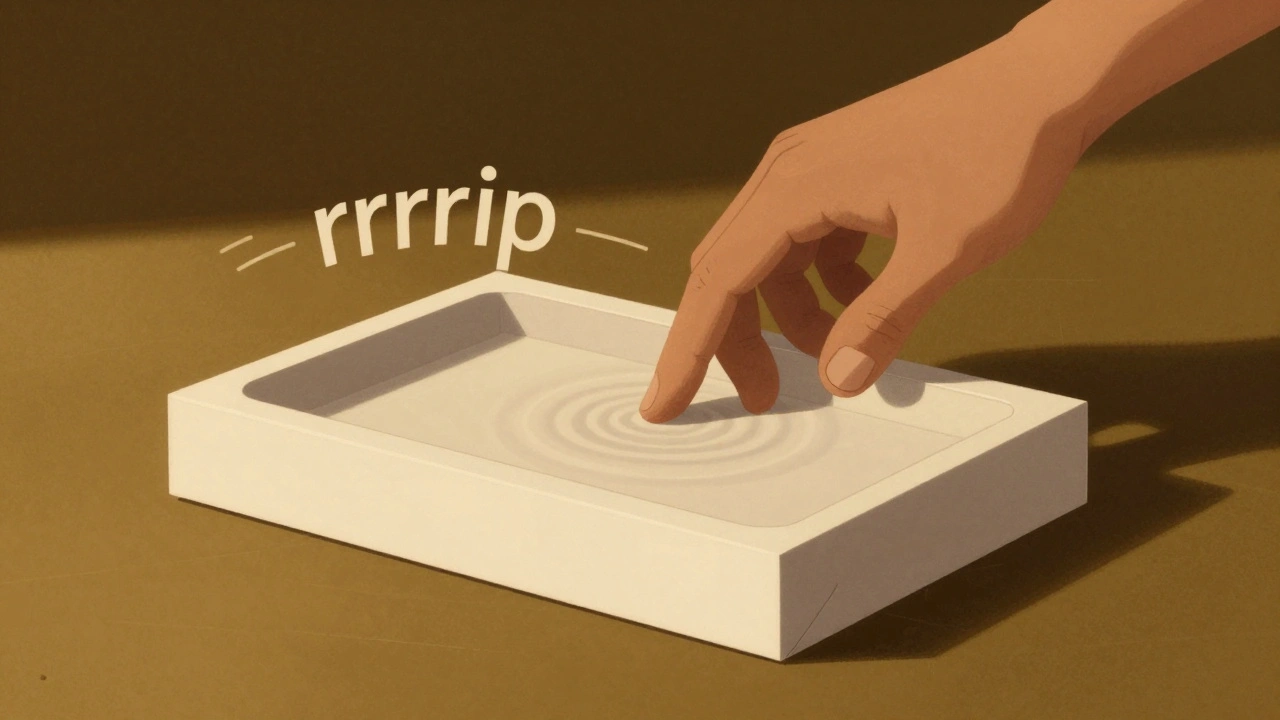
That’s by design. The box has what designers call ‘engineered drag.’ The materials are layered just right - the fiberboard, the inner liner, the fit of the tray - so that when you lift the lid, it resists slightly. Not enough to be frustrating. Just enough to make you slow down. And that pause? It’s where the magic happens.
That tiny resistance creates a subtle sound: a soft, muffled rrrrrip as the layers separate. It’s not sharp. It’s not rough. It’s controlled. And it’s paired with a visual cue - the lid lifts slowly, revealing the product like a stage curtain. The sound and motion work together to tell your brain: this isn’t something you grab. This is something you experience.
Compare that to a cheap phone box. You rip it open. It tears. It crinkles. It sounds like trash being thrown away. Apple’s version? It sounds like you’re uncovering something valuable. That’s not luck. That’s psychology.
Materials That Sing
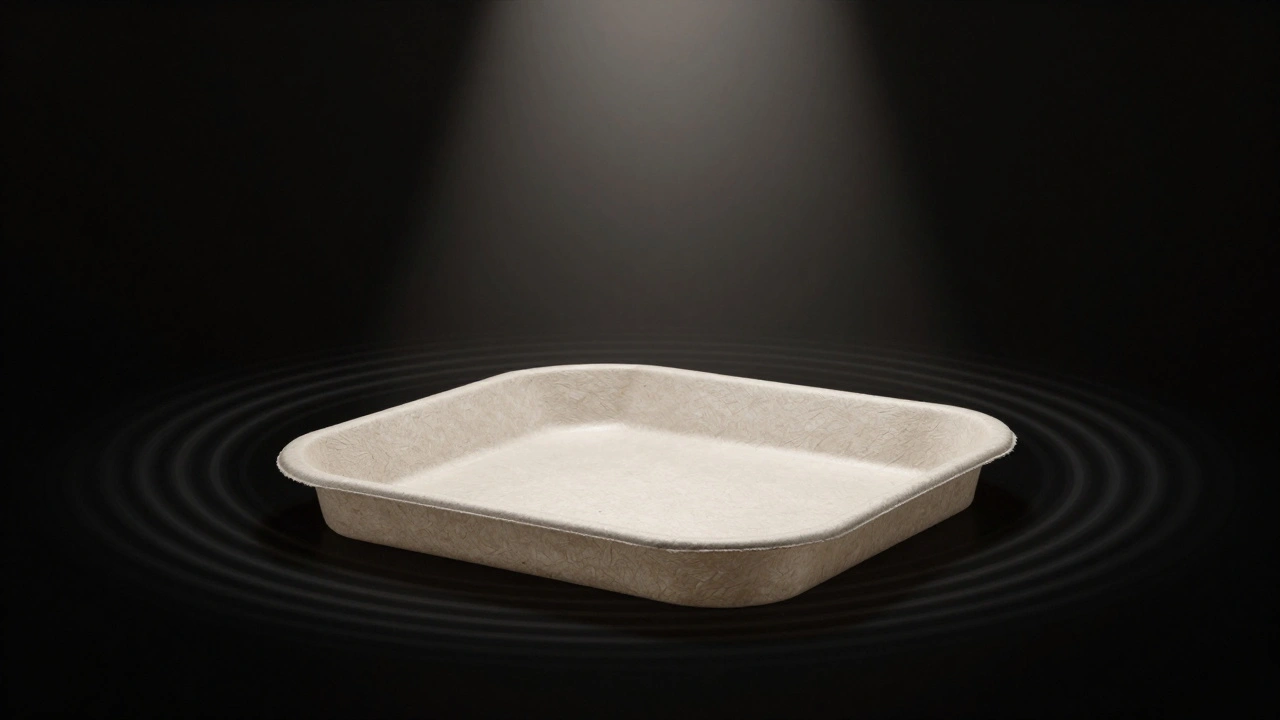
Apple’s packaging changed in 2023. No more plastic wrap. No more foam inserts. By 2026, iPhone 17 Pro packaging uses 100% fiber-based materials. Molded fiber pulp trays replace plastic. Laminated paperboard replaces corrugated cardboard. Everything is recyclable. But here’s the twist: they didn’t lose the sound.
In fact, they improved it.
Molded fiber pulp isn’t just eco-friendly. It’s acoustically dense. When pressed under heat and vacuum into aluminum molds - the same process used for high-end car parts - it creates a material with consistent density, smooth surface, and controlled resonance. That means the whoosh? It’s cleaner. The drag? It’s more consistent. Even without plastic, the box still sings.
Think about it: most companies cut costs by switching to cheaper materials. Apple did the opposite. They used a more expensive, sustainable material - and made it better for sound. That’s not sustainability as a PR move. That’s sustainability as a design upgrade.
Why Sound Matters More Than You Think
Most brands focus on how packaging looks. Apple focuses on how it feels - and how it sounds.
Here’s the truth: we make decisions in under 1.5 seconds. When you see a product on a shelf, your brain is already deciding: Is this premium? Is this worth it? That decision isn’t based on specs. It’s based on cues. Color. Texture. Weight. And yes - sound.
Studies in sensory marketing show that auditory cues in packaging can influence perceived value more than color alone. A box that makes a rich, low-frequency sound is judged as 42% more expensive than one that’s silent - even if both are identical in every other way.
Apple doesn’t just sell phones. They sell an experience. And that experience starts with a sound you didn’t even know you were listening for.
The Bigger Picture: Packaging as Theater
Apple treats unboxing like a stage performance. Every element has a role:
- The whoosh - the opening note
- The drag - the pause before the reveal
- The weight - the first physical confirmation of quality
- The fit - the precise click of the tray
- The silence - no labels, no logos, no noise
There’s no music. No flashing lights. Just silence, then sound, then stillness. It’s minimalist. But it’s powerful.
Compare this to other brands. Some use glitter. Some use bold colors. Some even add music players inside the box. Apple? They use restraint. And that’s what makes it unforgettable.
When you open an Apple box, you don’t feel like you’re opening a product. You feel like you’re opening a promise.
It’s Not Just Apple - But They Set the Standard
Other companies are watching. Best Buy, Samsung, even luxury watch brands have started testing audio cues in their packaging. Some try to copy the whoosh. Most fail.
Why? Because it’s not about copying a sound. It’s about understanding the intent behind it. Apple didn’t add a whoosh to be cool. They added it because every part of the experience had to feel intentional. Every material choice. Every dimension. Every friction point. Every air pocket.
That’s the real lesson. You can’t fake this. You can’t buy a sound. You have to design it - from the ground up.
What You Can Learn From Apple’s Sound Design
Even if you’re not making a smartphone, this applies to you:
- Sound isn’t an add-on - it’s a core design element. Treat it like color or shape.
- Test the sound. Record yourself opening your box. Does it sound cheap? Rough? Random? Fix it.
- Less is more. One clear, controlled sound beats five noisy ones.
- Materials shape sound. Fiberboard doesn’t just hold things - it sings. Choose materials for how they sound, not just how they look.
- Pause creates value. If your customer can open it too fast, you’re missing a chance to build anticipation.
Apple’s packaging doesn’t just protect the product. It tells a story. And sound? It’s the voice of that story.
Do other companies use sound in packaging like Apple?
Some try, but few succeed. Luxury brands like Tesla, Dyson, and Bose have experimented with subtle audio cues - like the click of a lid or the hum of a magnetic seal. But most rely on visual cues or expensive materials. Apple is unique because they treat sound as essential, not decorative. Their sound isn’t added later - it’s engineered into the box’s structure from day one.
Can I copy Apple’s whoosh sound for my product?
You can try to mimic it, but you won’t replicate it. Apple’s whoosh comes from a combination of air pocket shape, material density, and box dimensions - all tuned together. Copying the sound without the engineering won’t work. Instead, focus on your own product’s unique experience. What’s the right sound for your brand? A soft click? A gentle lift? A quiet seal? Find the one that feels true to your product.
Does sound design increase sales?
Not directly. But it increases perceived value - and that leads to higher satisfaction, more positive reviews, and stronger brand loyalty. In one study, customers who experienced a well-designed audio cue in packaging were 3x more likely to say they’d buy again. It’s not about selling more units - it’s about making customers feel like they got more than they paid for.
Why doesn’t Apple talk about the sound?
Because they don’t need to. Apple’s strength is in creating experiences people feel but can’t easily explain. If they told you every detail - the air pockets, the drag, the fiber density - it would lose its magic. The power is in the mystery. You feel it. You remember it. And that’s enough.
Is sound design worth the cost?
If you’re selling a premium product, yes. The cost of engineering a sound cue is minimal compared to the long-term value of a memorable unboxing experience. Apple doesn’t charge more for the box - they charge more because the box makes the product feel worth it. Sound design isn’t an expense. It’s an investment in perception.
Final Thought: The Box Is the First Product
You don’t sell a phone. You sell a moment. The moment the box opens. The sound it makes. The way it resists. The way it reveals.
Apple knows that. And that’s why, even after all these years, people still film their unboxings. Not because they’re obsessed with the phone. But because the box made them feel something.