Wolf and Hare - Page 6
Sound Design in Packaging: How Apple Uses Audio to Make Unboxing Feel Premium
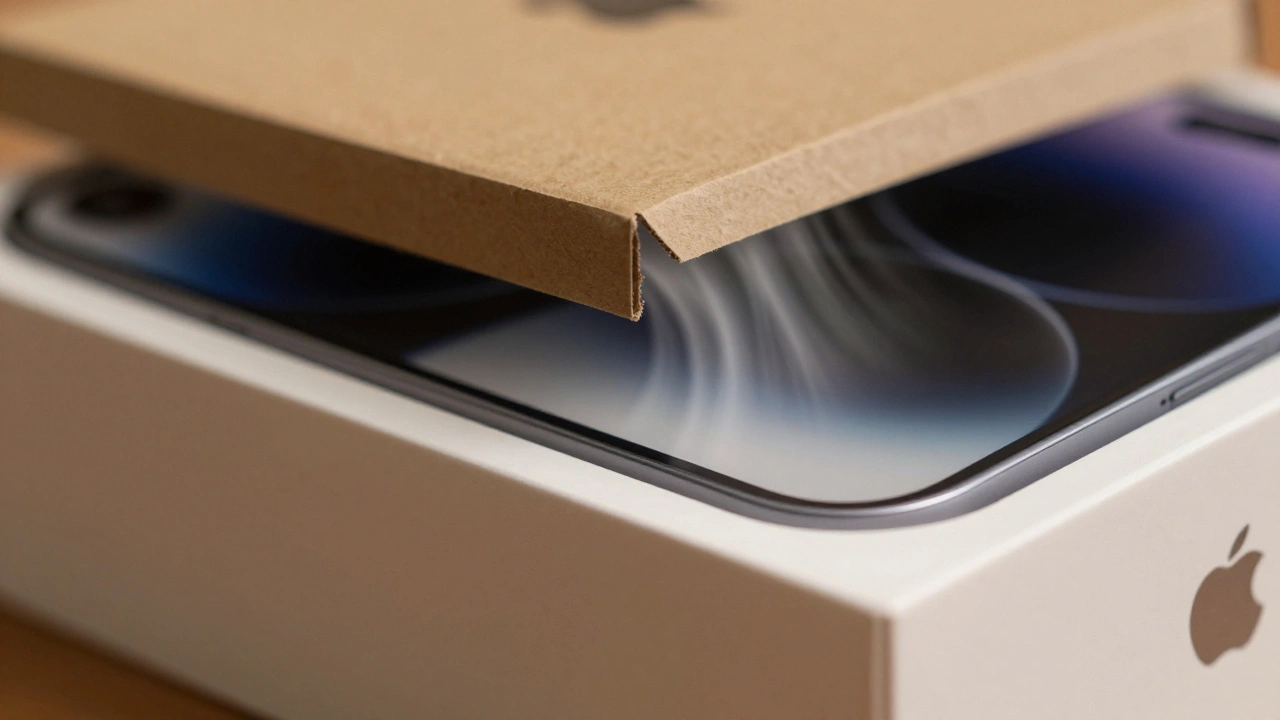

Apple doesn't just design products - it designs experiences. The sound of opening an Apple box isn't an accident. It's a carefully engineered cue that tells your brain this is premium. Learn how audio shapes perception and why it matters.
How iPhone Cameras Work: The Hidden Integration of Hardware, Silicon, and Software
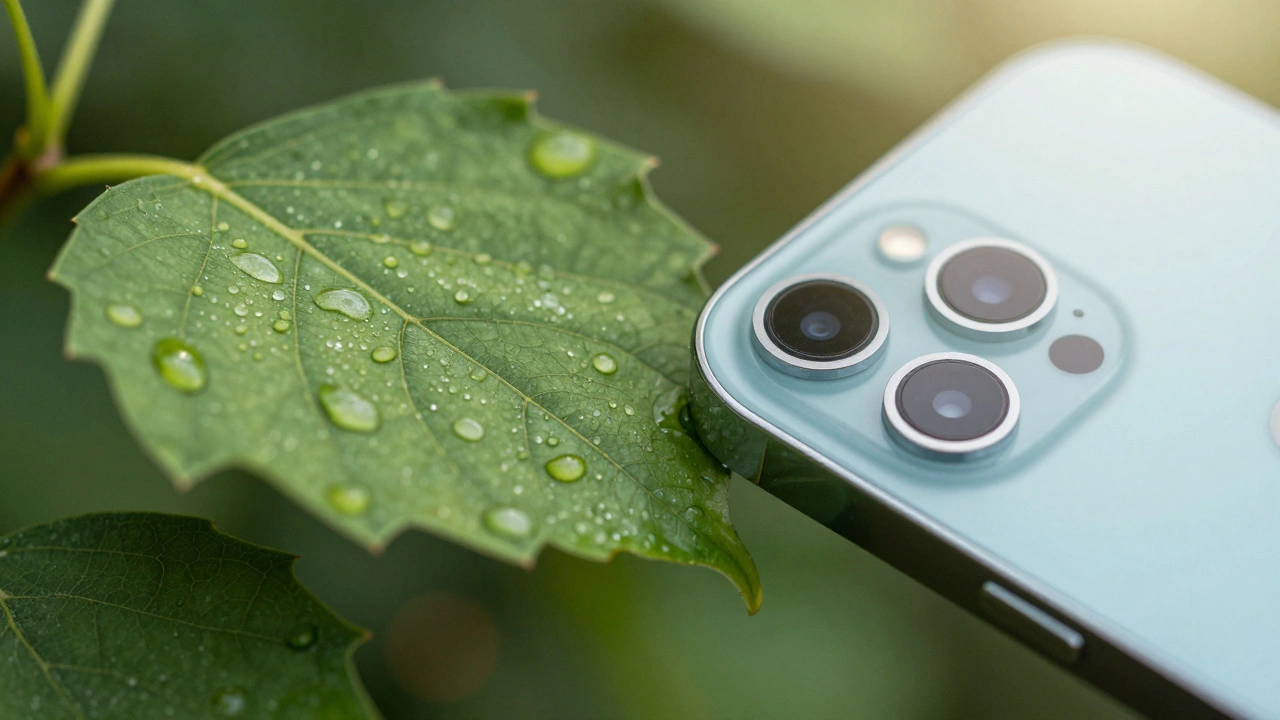
iPhone cameras don't win because of megapixels-they win because hardware, silicon, and software are designed as one system. This integration makes features like macro mode and Night Mode feel magical, not technical.
Testing Liquid Glass in Prototypes: Blur Layers and Parallax Simulation
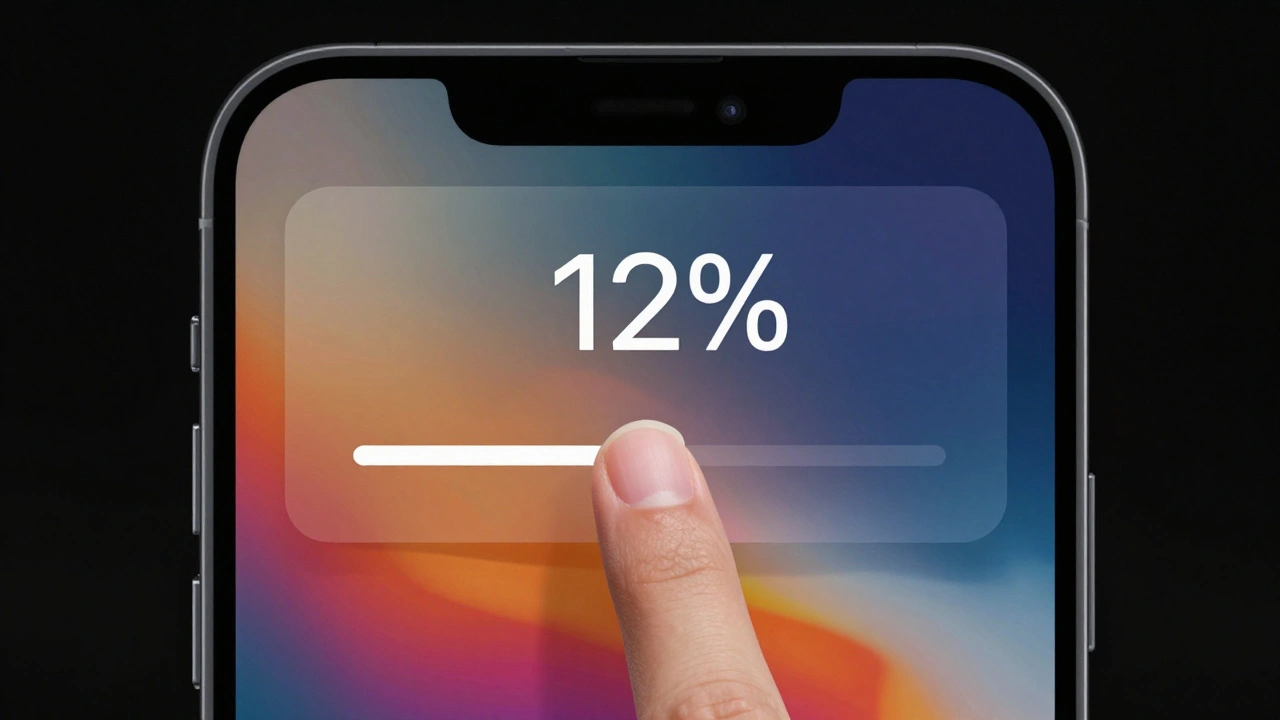
Testing Liquid Glass in prototypes reveals how blur layers and parallax effects create spatial depth in Apple's new design language-but accessibility risks demand careful, data-driven testing before rollout.
How Apple Measures Design Impact: Quality, Adoption, and Ecosystem Fit
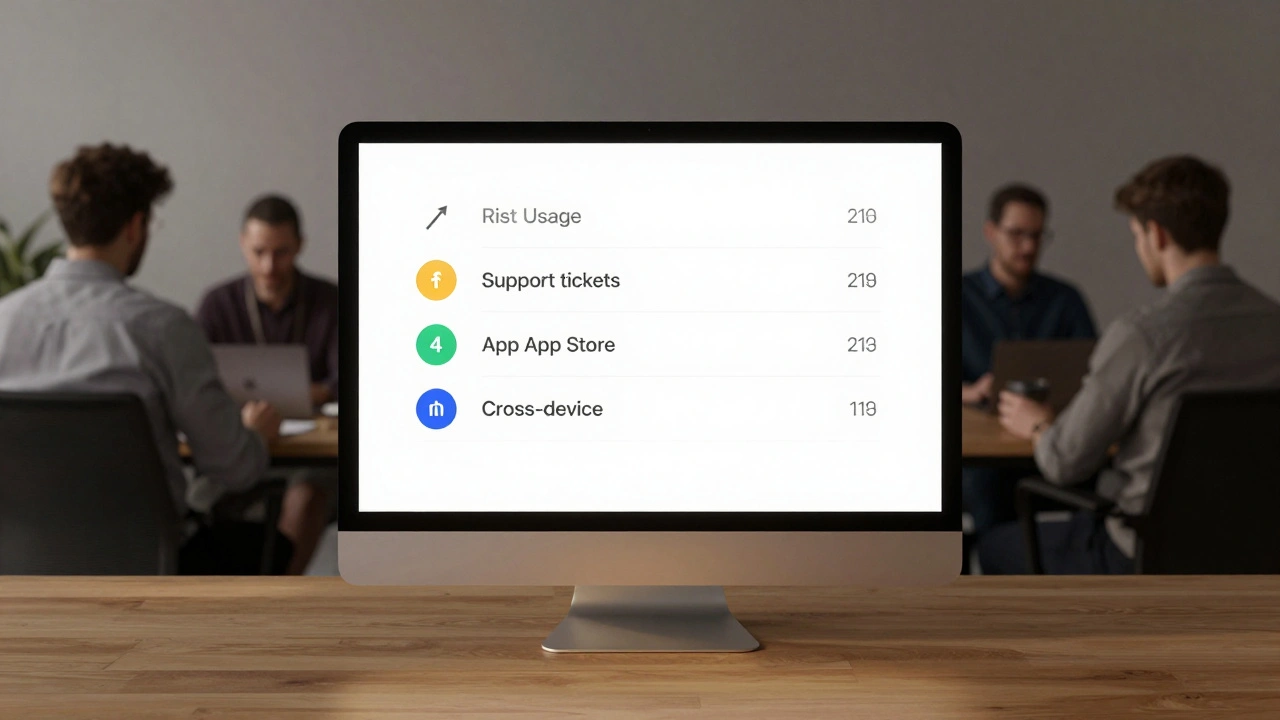
Apple measures design impact by linking UI changes to real business outcomes like task completion, error reduction, feature adoption, and support cost savings. Their scorecard system translates design into language business leaders understand-turning intuition into accountability.
Cross-Platform Consistency at Apple: How iPhone and Mac Now Feel Like the Same System
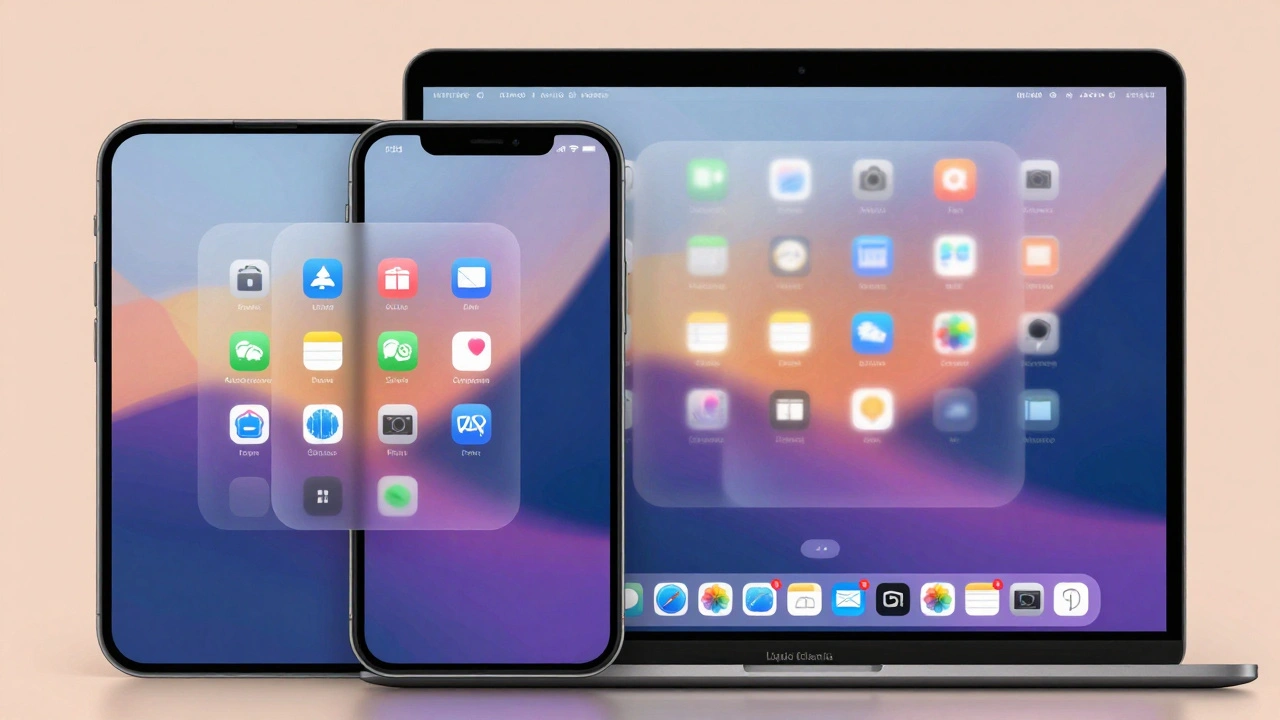
Apple’s 2025 redesign unifies iPhone, Mac, and other devices under a single visual and behavioral system called Liquid Glass, making cross-platform transitions feel seamless and intuitive. No more learning new interfaces - just one Apple.
Simplicity as ROI at Apple: How Clear UX Lowers Support Costs
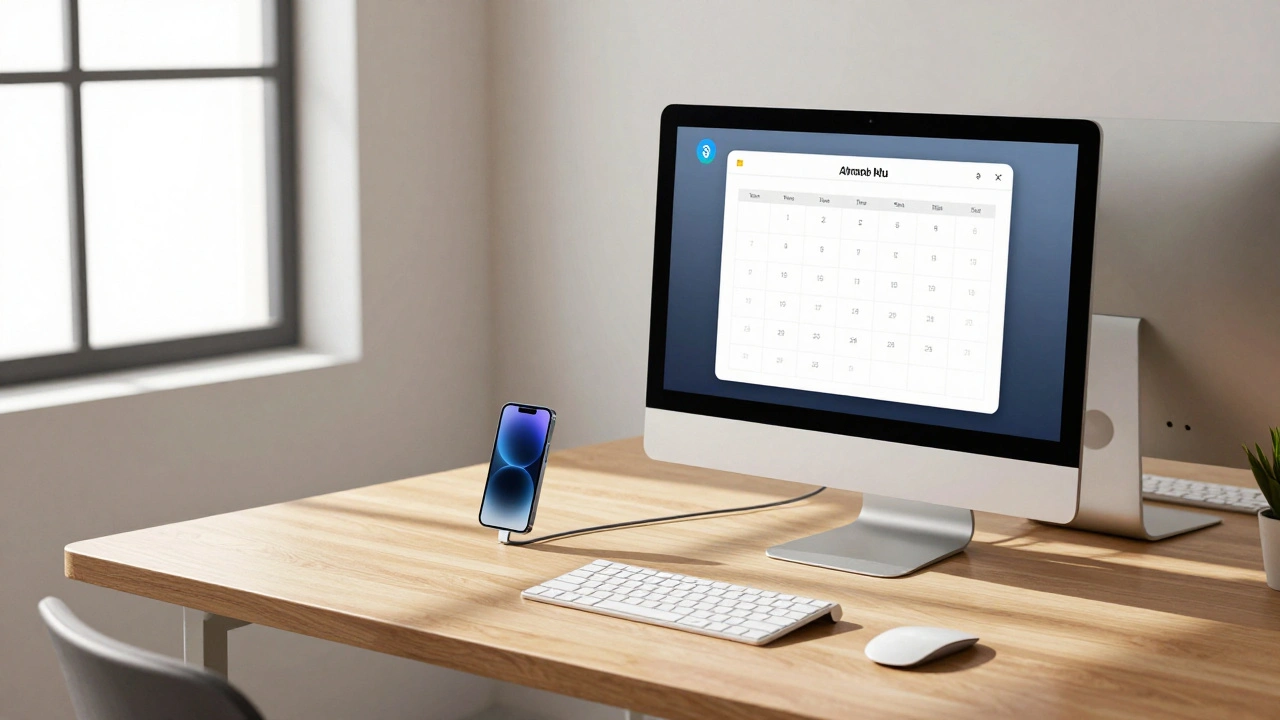
Apple devices cost more upfront but save money over time through simpler design. Fewer support tickets, higher productivity, and stronger security make Macs the smarter financial choice for businesses.
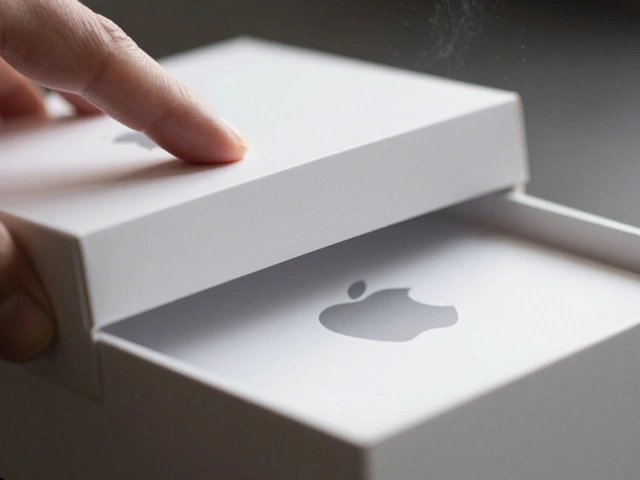
The Science Behind Apple's 'Whoosh': How Air Pockets and Design Create Unboxing Anticipation
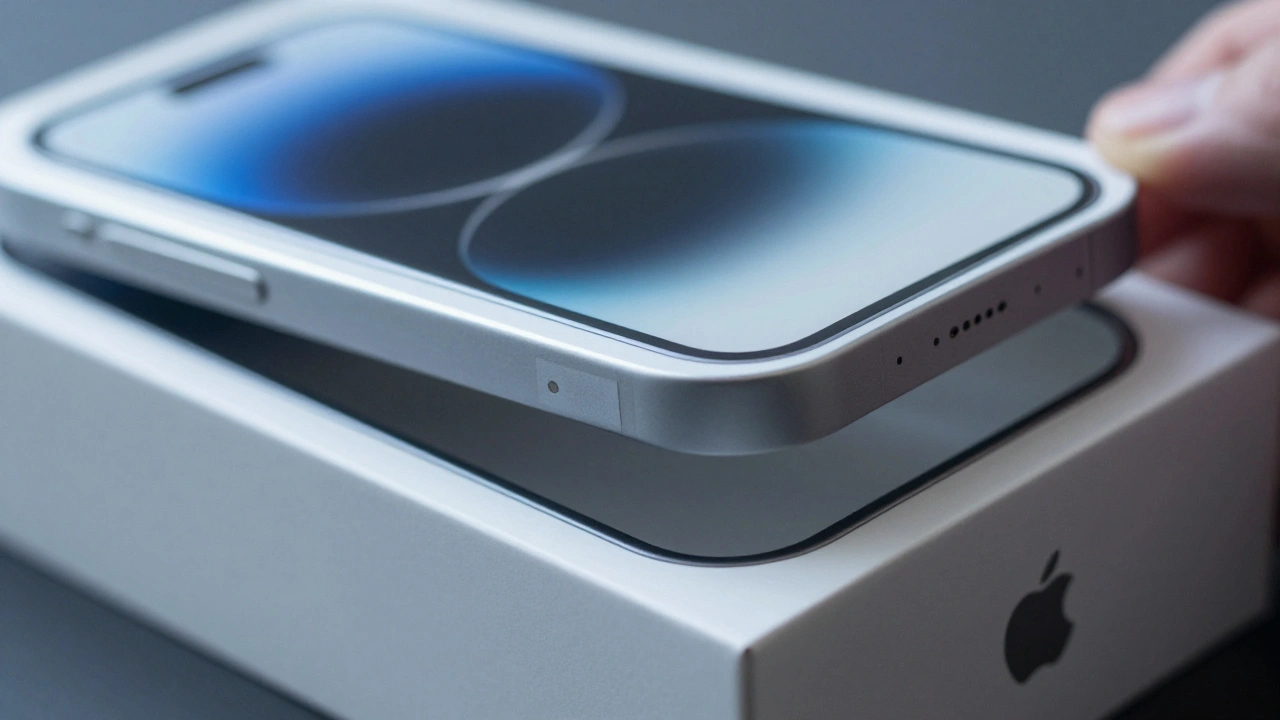
Apple's iconic 'whoosh' sound isn't luck - it's engineered. Learn how air pockets, friction, and sensory design turn unboxing into a psychological ritual that builds anticipation and lasting emotional connection.
Minimalism in Apple Retail: How Wood, Stone, and Open Plans Define a Brand
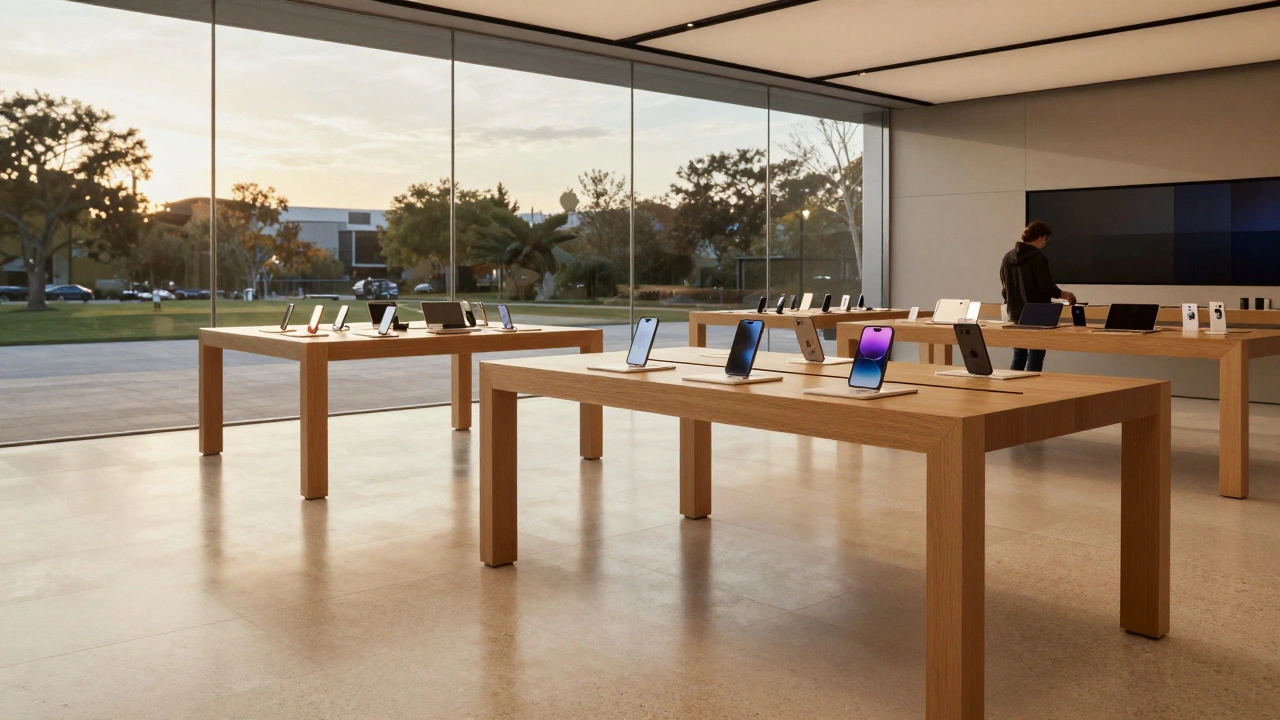
Apple's minimalist retail stores use wood, stone, and open layouts not just for style-but to communicate calm, trust, and human-centered design. This isn't decoration. It's brand strategy.
Hearing Accessibility on Apple: Visual Alerts and Audio Customization
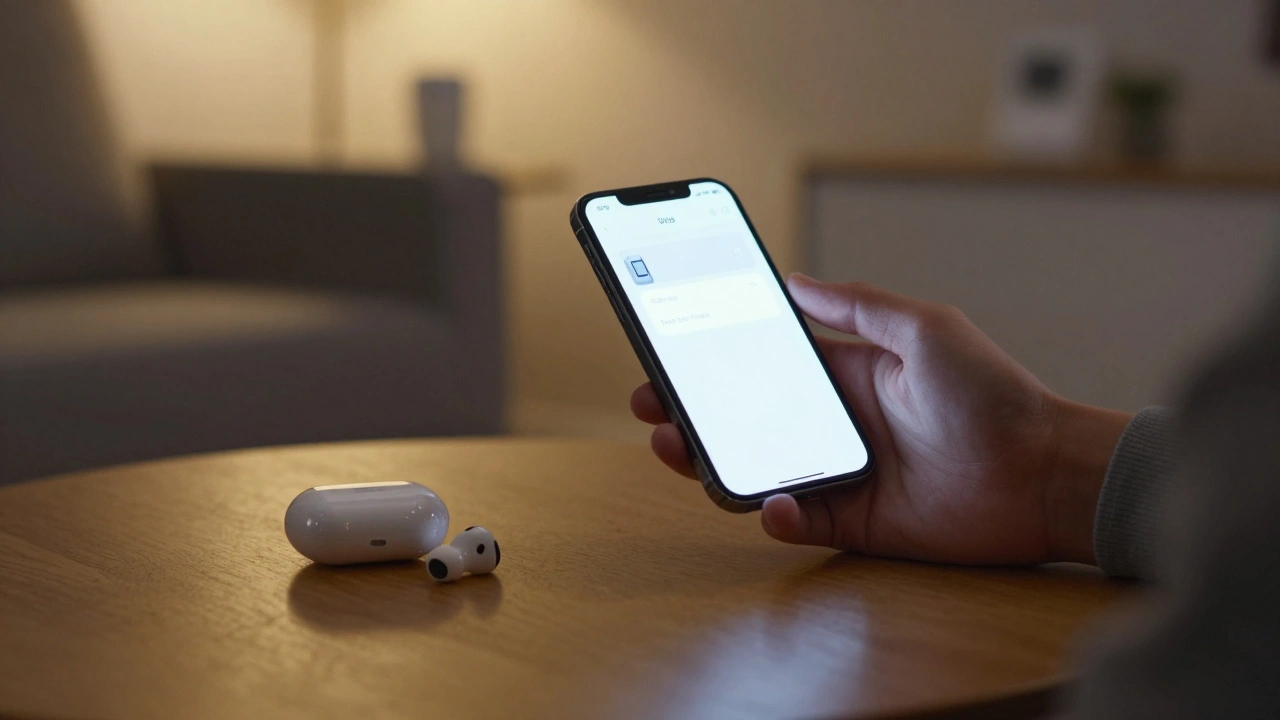
Apple offers powerful hearing accessibility tools including visual alerts, real-time captions, audio customization, and AirPods Pro hearing aid mode. Learn how to use Flash Alerts, Live Captions, Name Recognition, and more to stay connected without relying on sound.
Policy to Practice: How Apple Operationalizes Inclusive Design
Apple doesn't treat accessibility as a feature - it's built into every product from the start. Learn how its four-pillar framework, real user feedback, and inclusion debt tracking turn policy into practice - and why it benefits everyone.
How Apple Uses Motion and Depth to Show Interface Hierarchy
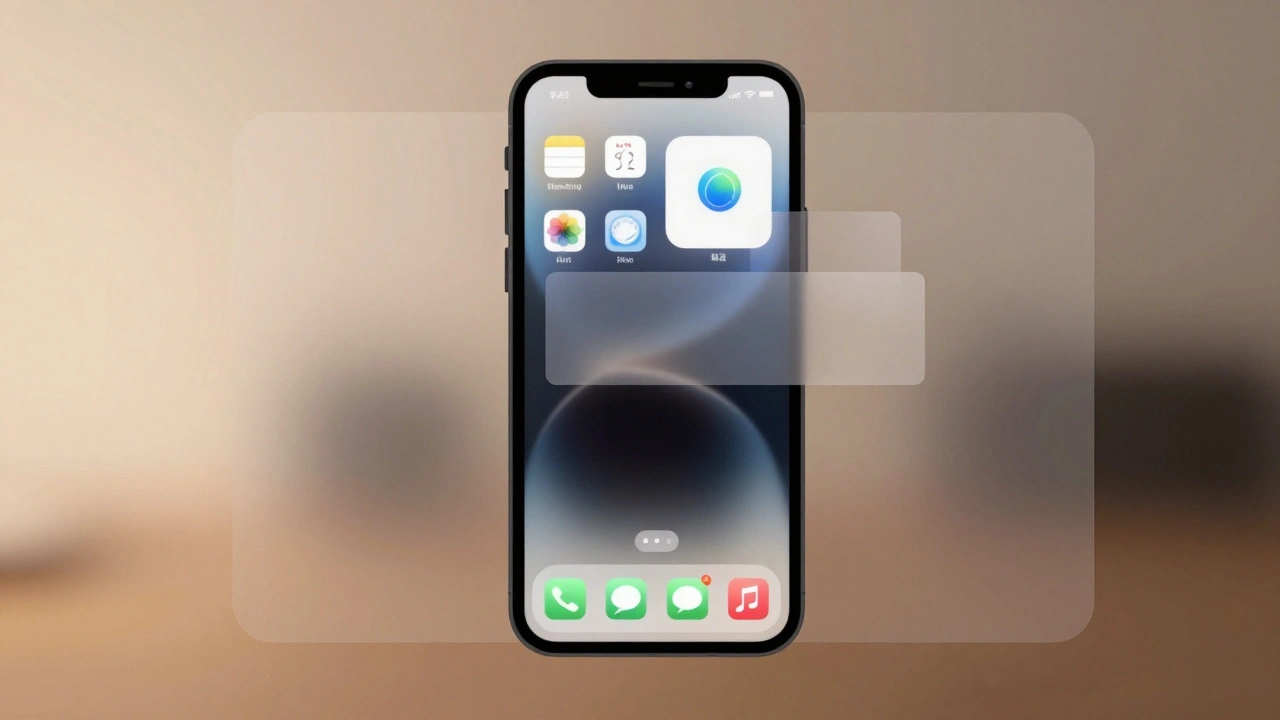
Apple uses motion and depth-not color or size-to silently guide users through interfaces. By blending subtle shadows, fluid transitions, and translucent layers, Apple makes hierarchy feel intuitive, not forced. This approach reduces clutter and keeps focus on content.
Strategic CMF Choices: Materials That Signal Performance and Sustainability at Apple
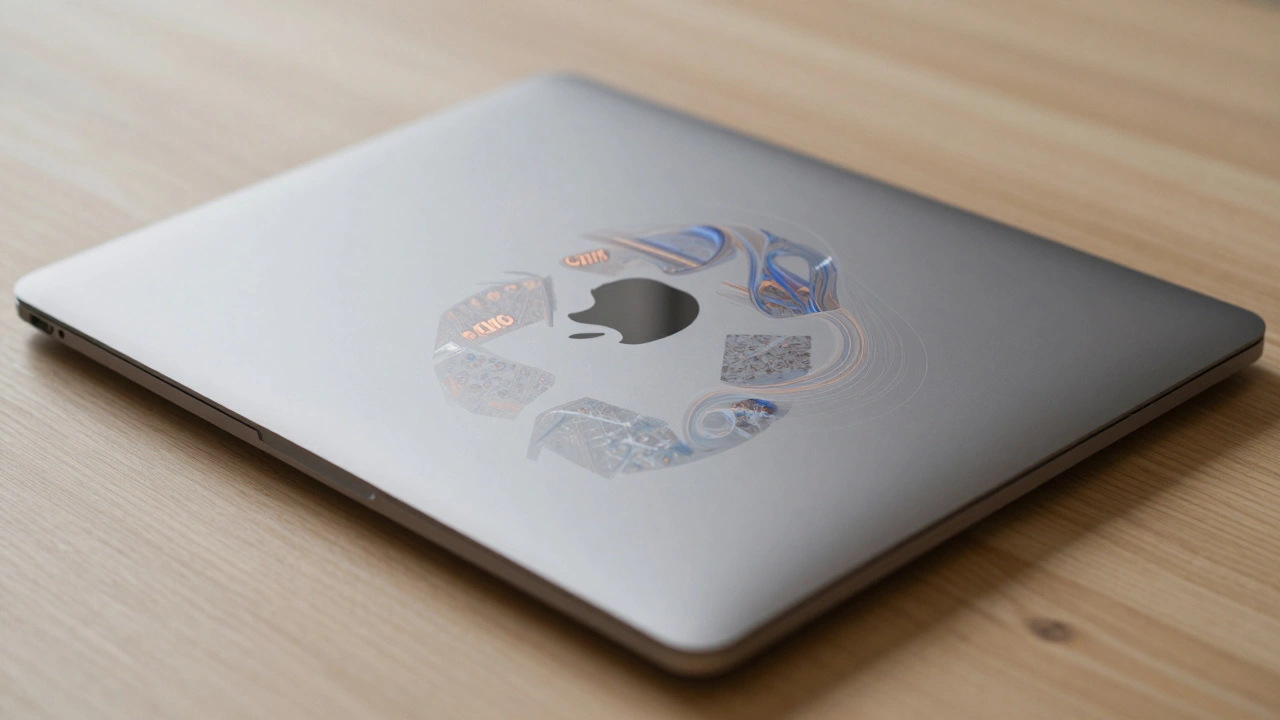
Apple’s CMF strategy redefines premium design by using 100% recycled aluminum, cobalt, copper, and rare earth elements without sacrificing performance. From the MacBook Air M3 to the Restore Fund, materials now tell a story of sustainability and innovation.