Author: Elias Voss - Page 11
Industrial Design at Apple in the 1990s: Brunner, Kawasaki, and the Birth of In-House Design
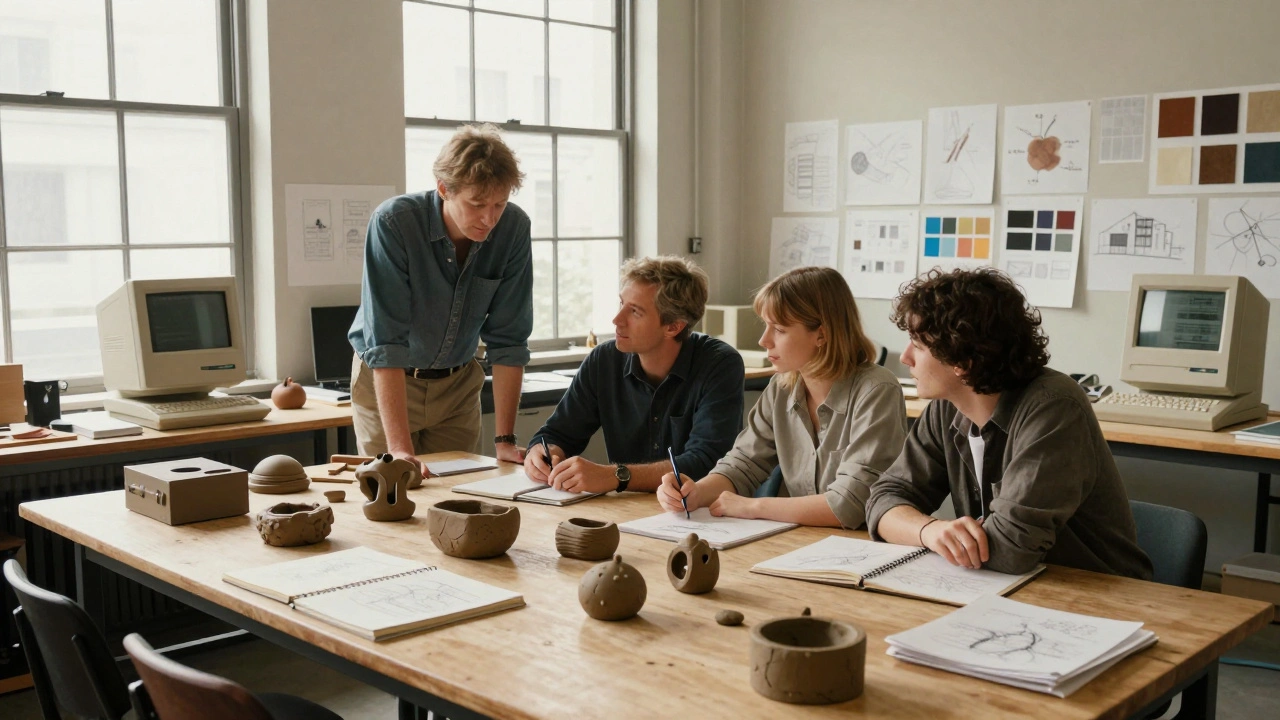

In the 1990s, Apple moved industrial design in-house under Robert Brunner, creating the IDg and developing the Espresso design language. Kazuo Kawasaki led portable device design. Their work laid the foundation for the iMac and Apple’s design-led future.
App Ecosystem Fit: How to Build Third-Party Apps That Feel Native on Apple
Learn how to build third-party apps that feel like they belong on Apple devices by mastering SwiftUI, Swift, and Apple’s ecosystem rules. Stop fighting the system-start working with it.
Transparency in Apple AI: How the System Shows What It Can and Cannot Do
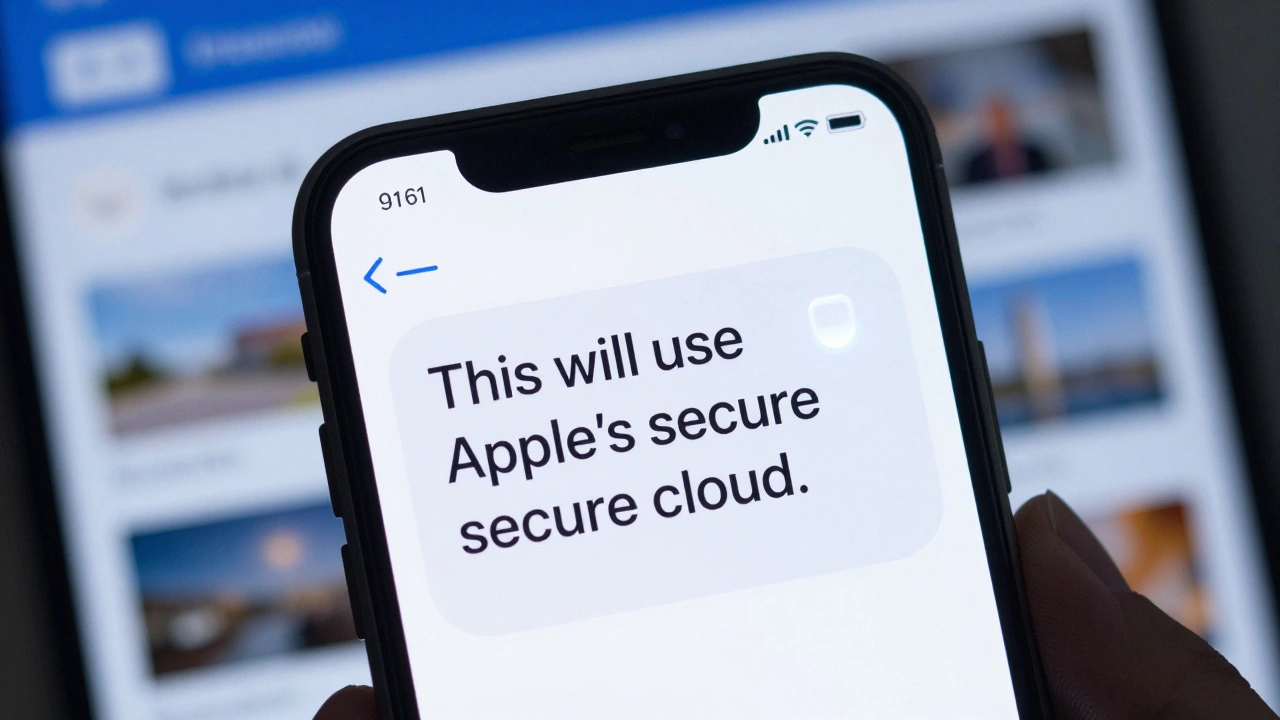
Apple AI transparency lets users see exactly what data leaves their device and what the system can't do. With built-in logs and secure cloud processing, Apple offers more clarity than any other tech company.
Design Patterns for AI Suggestions on Apple: Timing, Relevance, and Dismissal
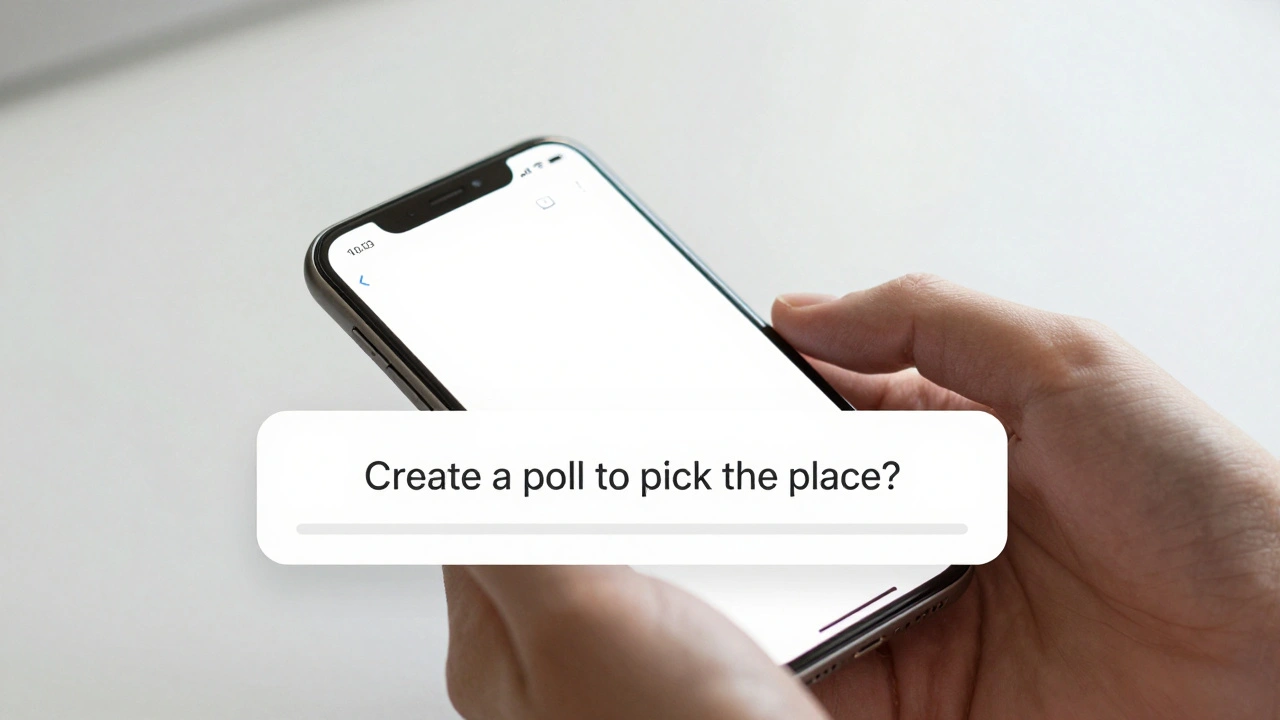
Apple's AI suggestions feel natural because they're designed around timing, relevance, and dismissal-not just intelligence. Learn how Apple keeps help helpful without being intrusive.
Color Accuracy on MacBook: Why Factory Calibration Matters for Everyday Users
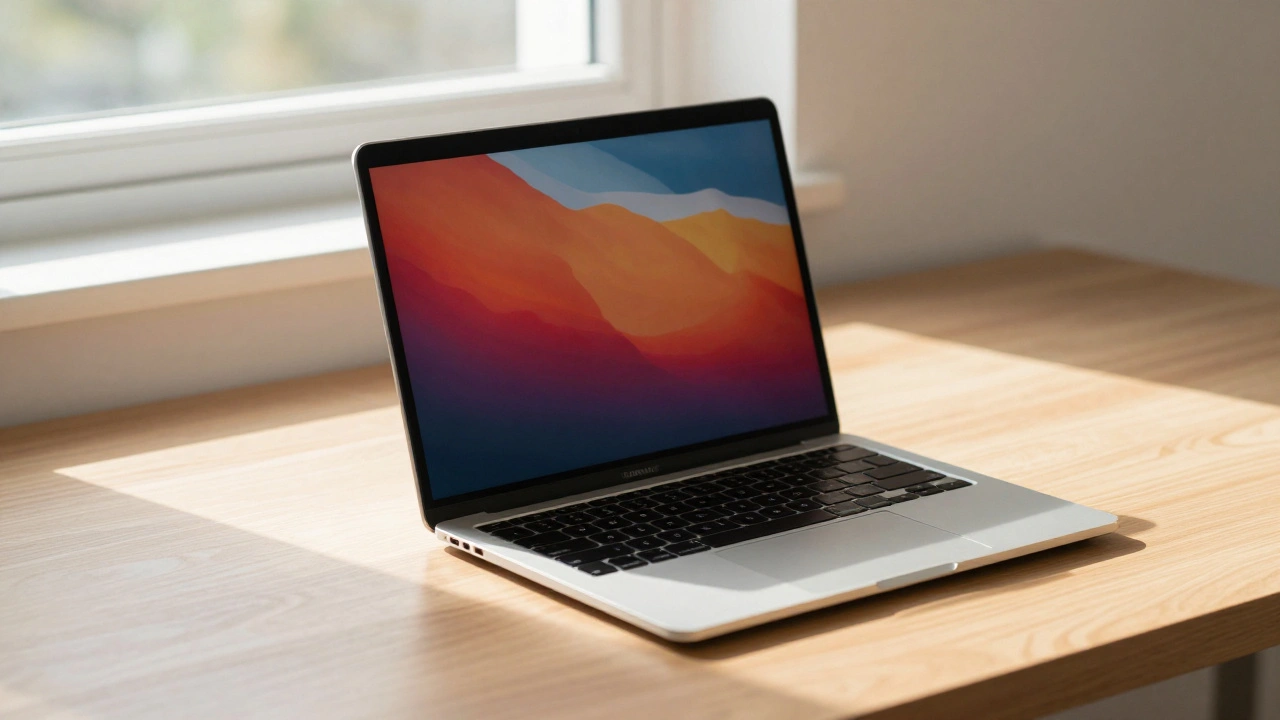
MacBook displays are factory-calibrated for accurate, consistent color right out of the box-no extra tools or setup needed. This ensures photographers, designers, and everyday users see true-to-life colors without guesswork.
Building Apple Widgets: Sizes, Layout Grids, and Legibility Standards
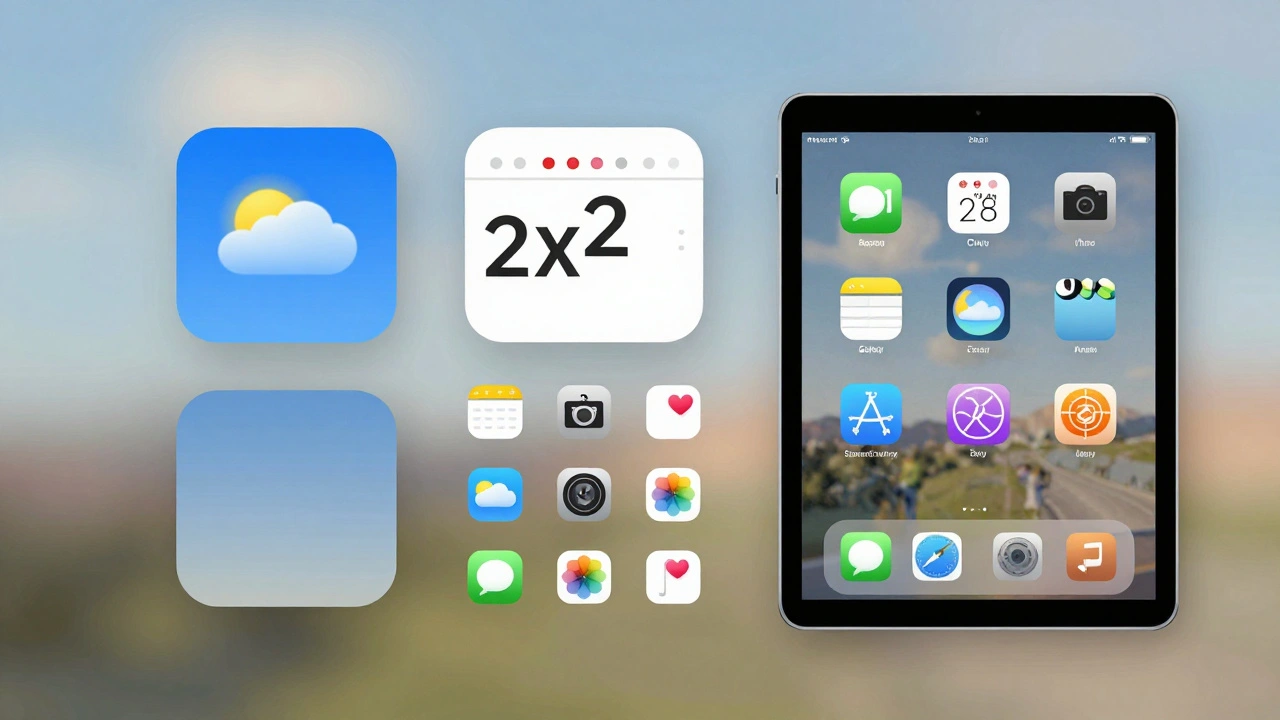
Learn the real rules behind Apple widget sizes, grid layouts, and legibility standards across iPhone, iPad, and VisionOS - no guesswork, just what works.
iPhone 4 and the Rise of Glass-and-Metal: Why Retina Resolution Changed Expectations
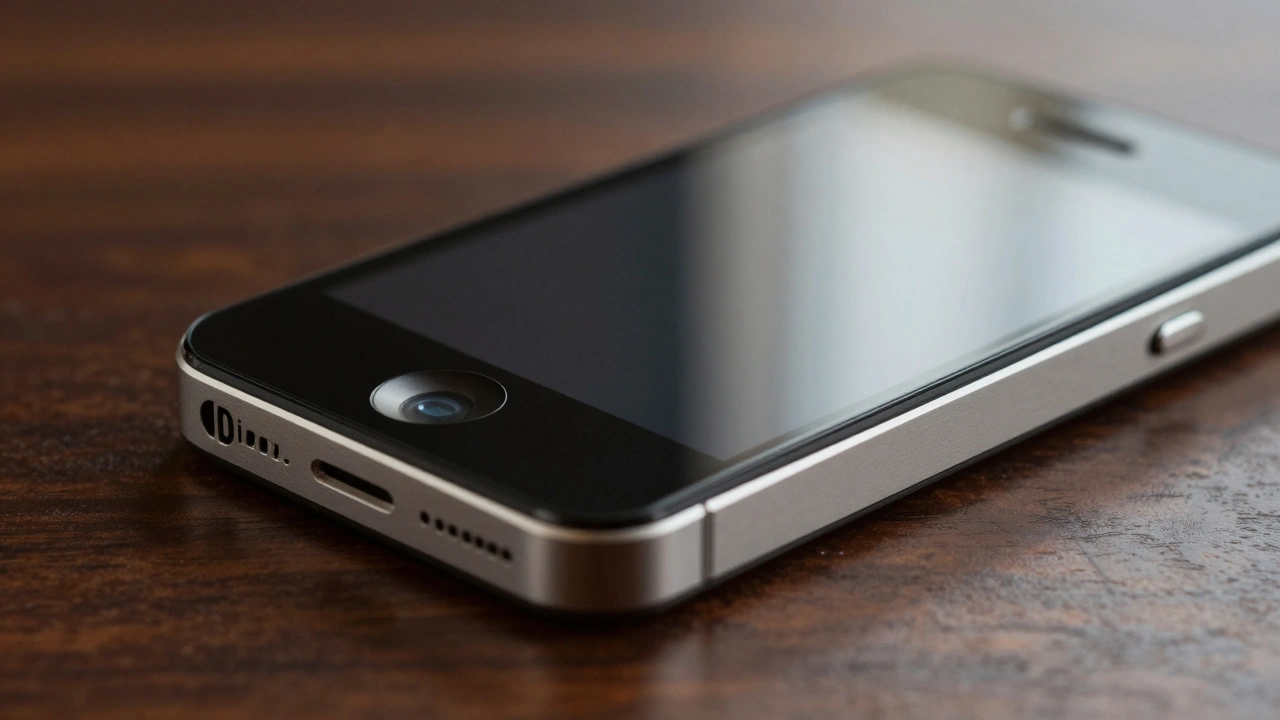
The iPhone 4 revolutionized smartphone design with its glass-and-metal build and 326 ppi Retina display, setting new standards for visual clarity and premium aesthetics that still influence phones today.
Designing Upgrade Paths: Backward Compatibility That Encourages Adoption
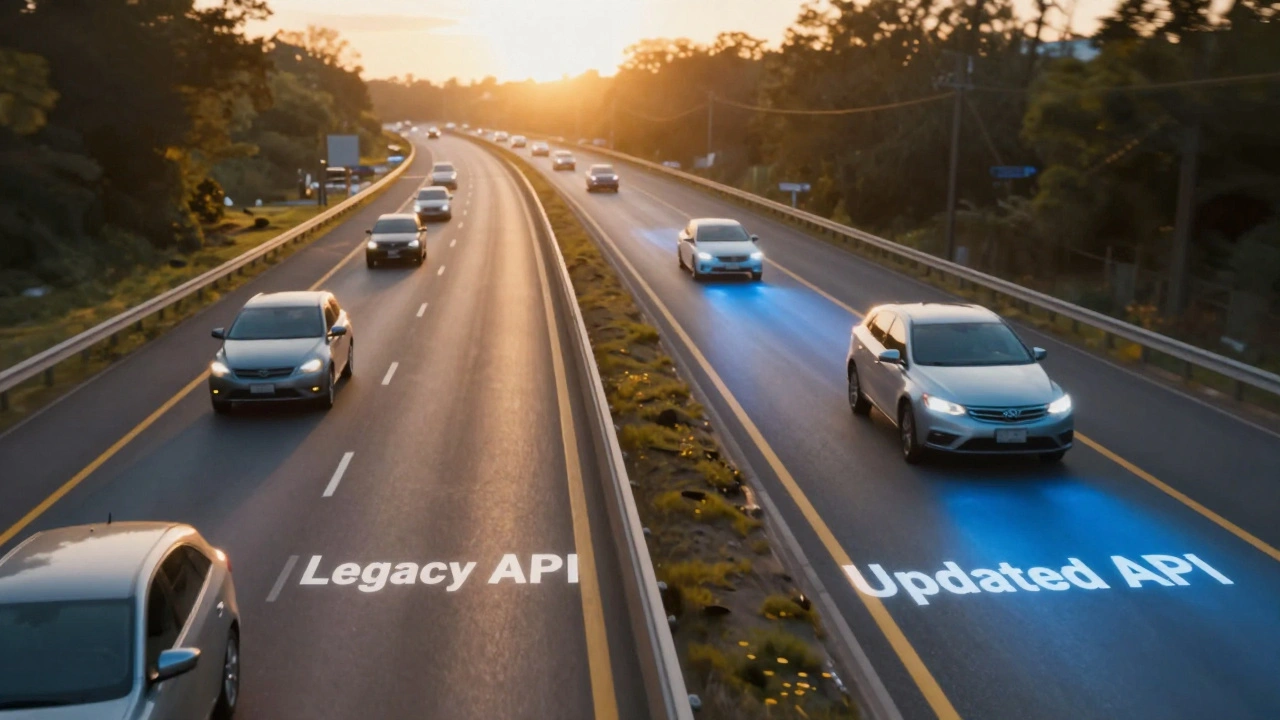
Backward compatibility isn't just about keeping old code working-it's the key to smooth, trusted upgrades. Learn how to design API changes, manage versions, and test safely so users adopt new features without friction.
Consistency Across Apple Product Lines: How Packaging Builds an Ecosystem Signal
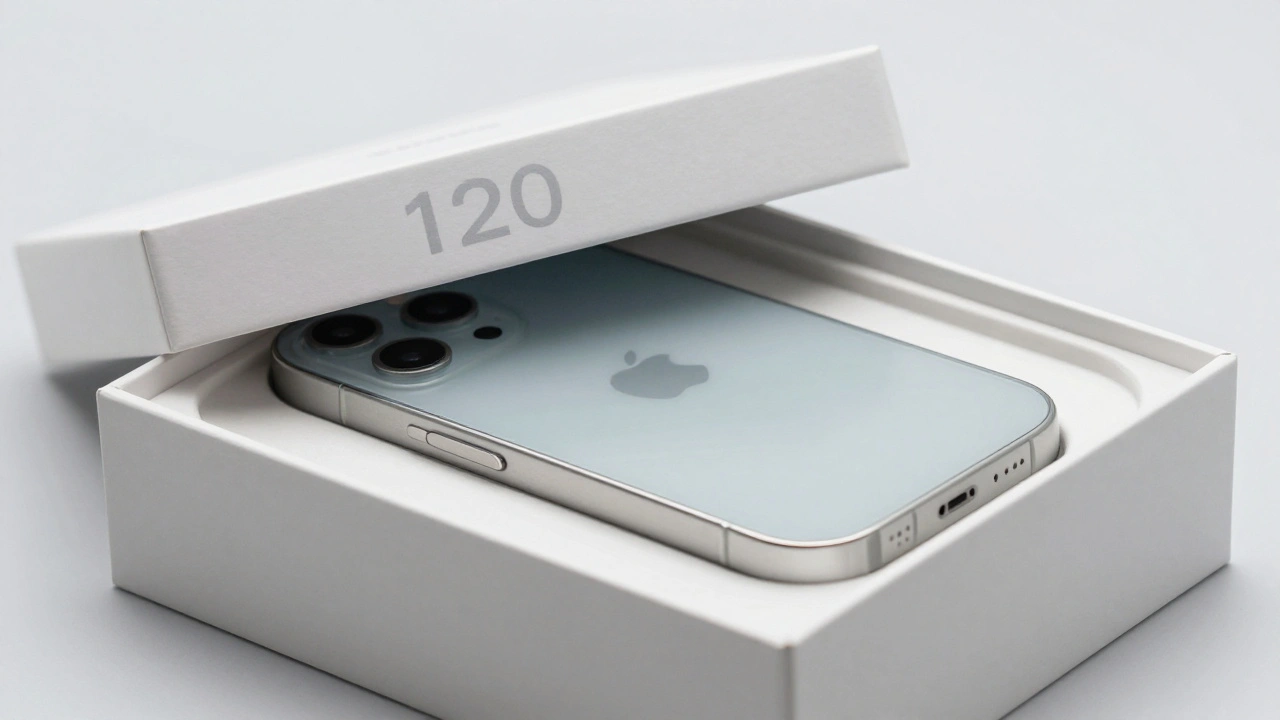
Apple’s packaging isn’t just protective-it’s a silent signal that all its products belong to the same ecosystem. Consistent design, materials, and unboxing rituals build trust, reinforce brand identity, and turn every box into a premium experience.
Apple Design Leadership: From Steve Jobs and Jony Ive to Today’s Organization
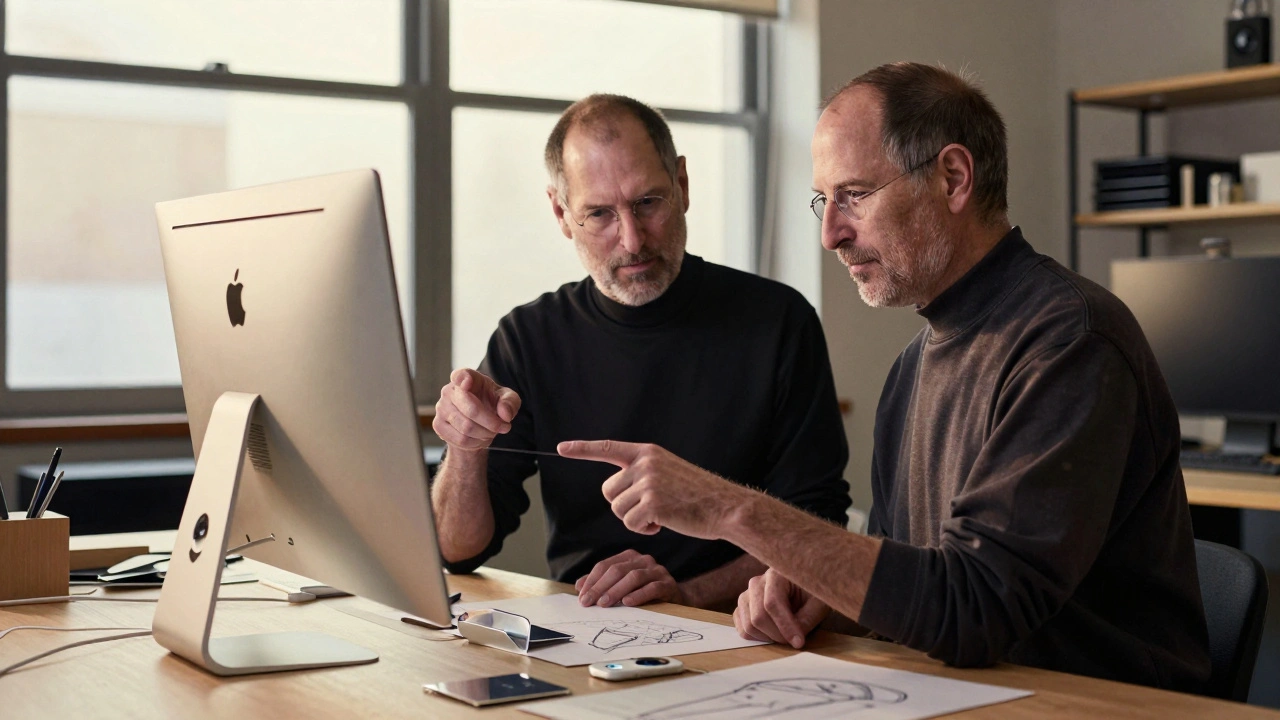
Apple’s design legacy was built by Steve Jobs and Jony Ive - a partnership that redefined technology. Today, without them, design has become a process, not a passion. What’s lost - and what’s left?
Decision-Making in Apple’s Design: When to Show, Hide, or Remove Interface Controls
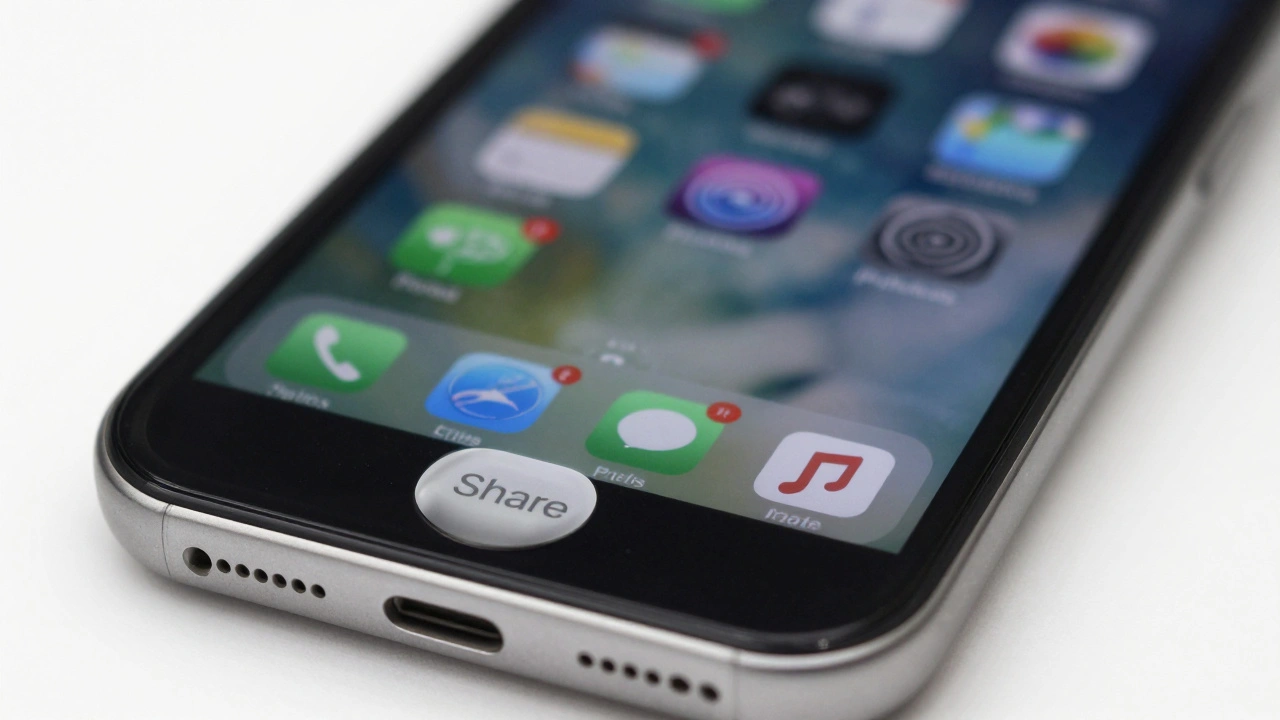
Apple's approach to showing, hiding, or removing interface controls is guided by clarity, deference, and consistency. Learn how design principles like Liquid Glass, accessibility, and screen context shape every visible element in iOS, macOS, and beyond.
Designing for iPhone Lifecycles: Accessory Compatibility and Long-Term Usability
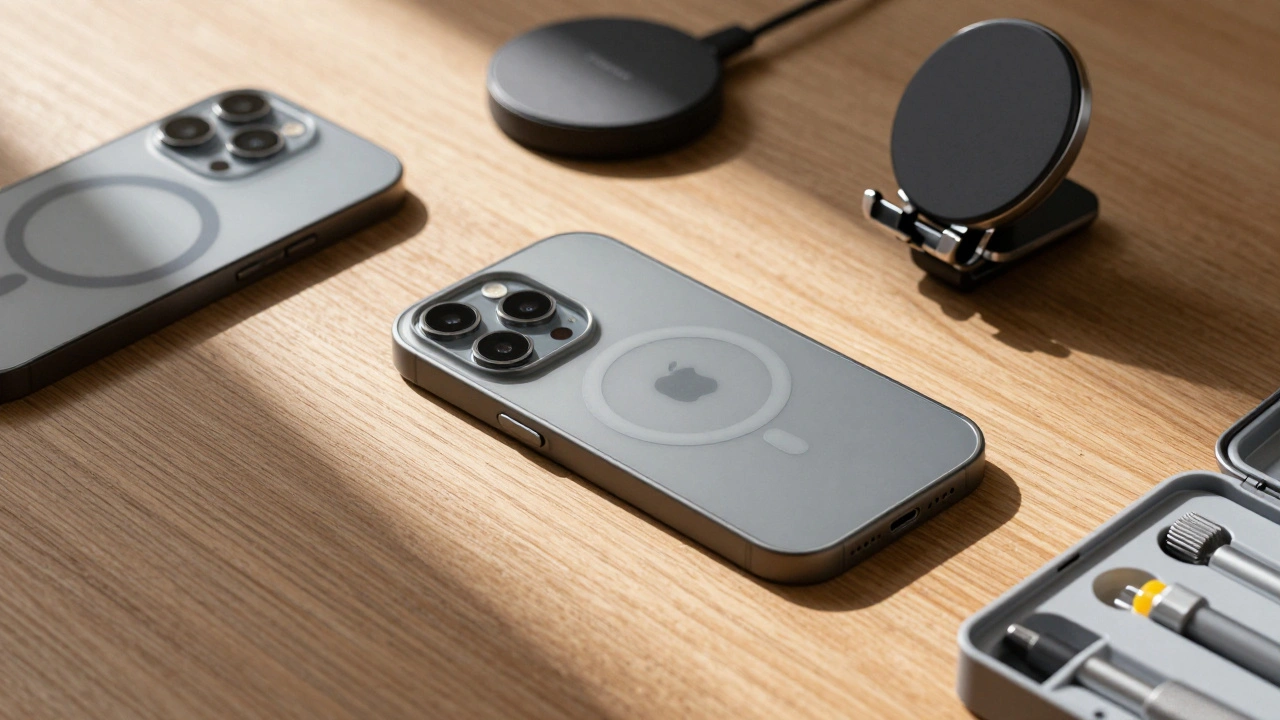
Discover how Apple designs iPhones and accessories to last six years or more, with compatibility, repairability, and environmental responsibility built in - not as features, but as core principles.
Categories
Popular Articles