Wolf and Hare - Page 2
How iPad’s Aspect Ratio Shapes Split View and Stage Manager Interfaces
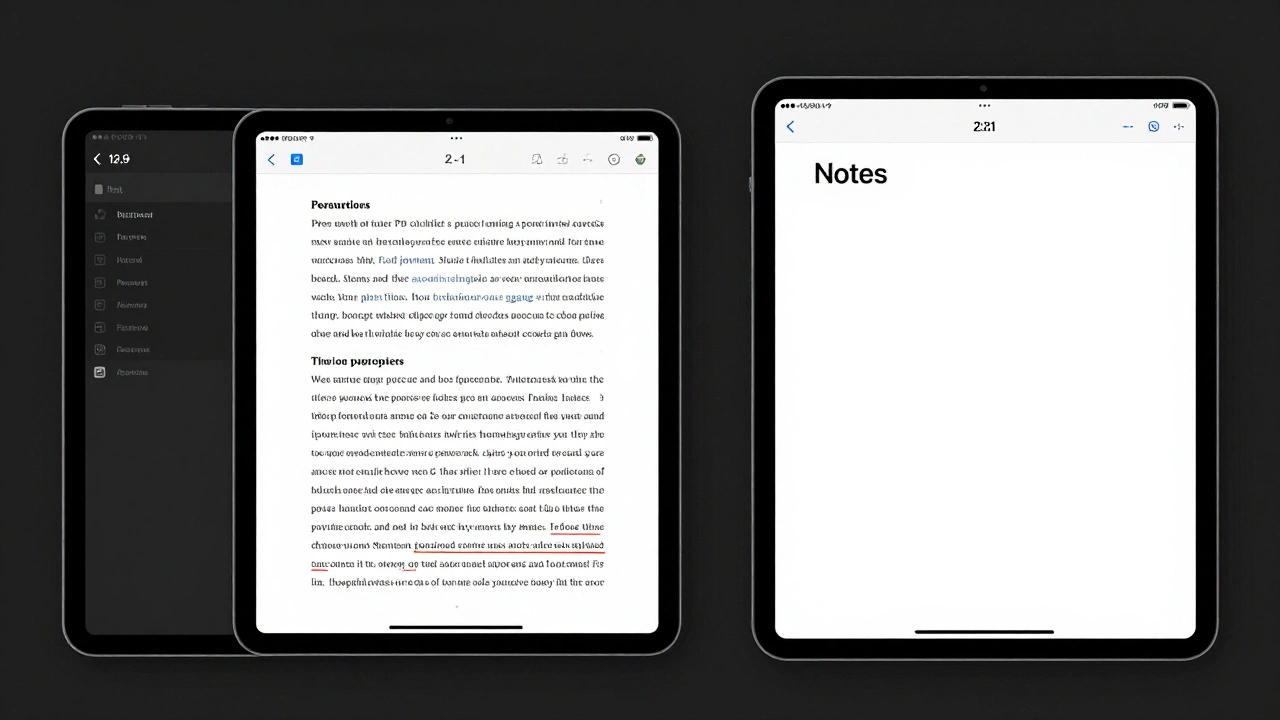

iPad multitasking depends entirely on aspect ratio-Split View and Stage Manager only work in landscape, with fixed window sizes. Screen size and Display Zoom settings determine how well you can use multiple apps at once.
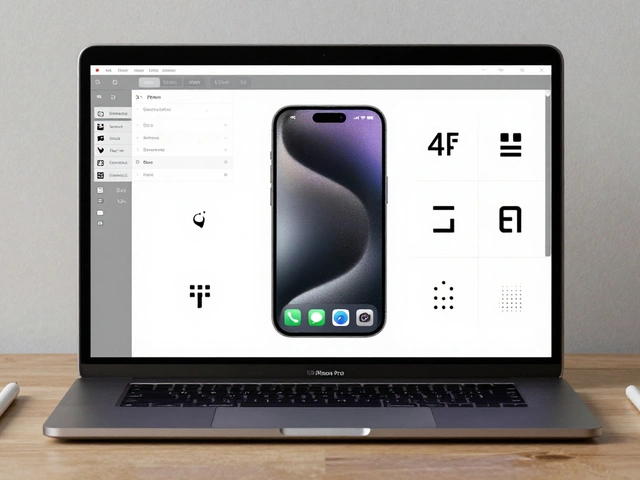
SF Symbols in App Design: Consistent Iconography Across Apple Platforms
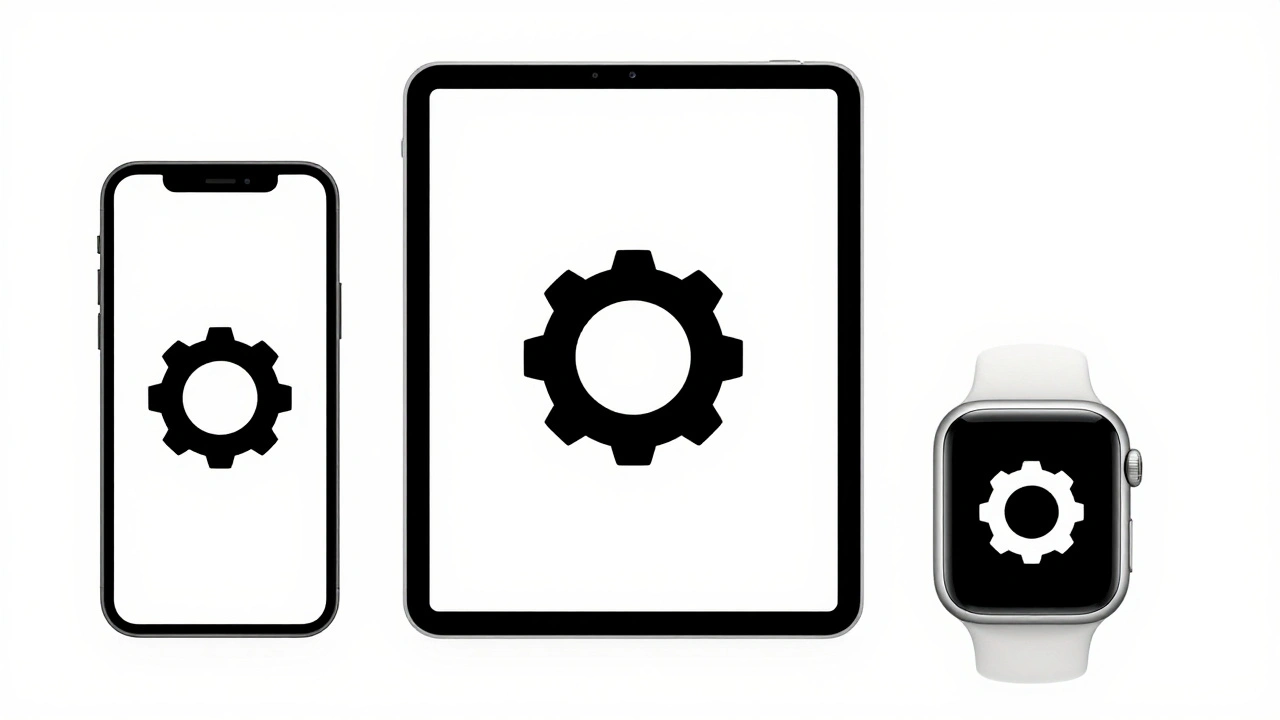
SF Symbols is Apple’s unified icon library that ensures consistent, scalable, and accessible icons across iOS, macOS, watchOS, and tvOS. Learn how to use it to build better apps with less work.
How Apple Builds Brand Trust Through Design Consistency

Apple builds unmatched brand trust not through flashy ads or discounts, but through relentless design consistency across products, retail, and services. This long-term approach turns users into loyal advocates.
Designing for Low Vision on Apple: High Contrast and Focus Indicators

Apple’s high contrast and focus indicator tools help people with low vision navigate their devices with clarity and control. From Invert Colors to Vision Pro’s real-world zoom, these features work seamlessly across all Apple products.
Learning Zones in Apple Stores: How Layouts Drive Hands-On Education

Apple's learning zones are designed to turn shoppers into users through hands-on, intimate sessions. From compact tables to immersive forums, each layout serves a purpose-and the trend is toward simplicity, not spectacle.
Designing the Apple Store Experience: Try, Learn, and Decide with Confidence

Apple Stores aren't just retail spaces-they're designed to help you explore, learn, and decide with confidence. No pressure. No sales pitches. Just hands-on experiences, expert guidance, and a community feel that turns customers into loyal users.
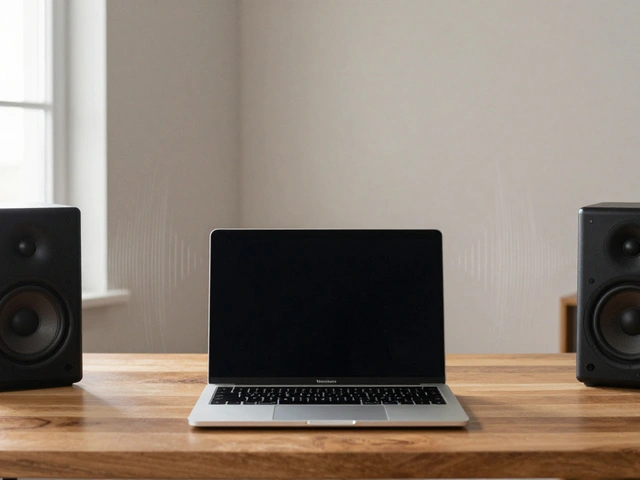
MacBook Audio Design: Speaker Placement for Rich, Directional Sound
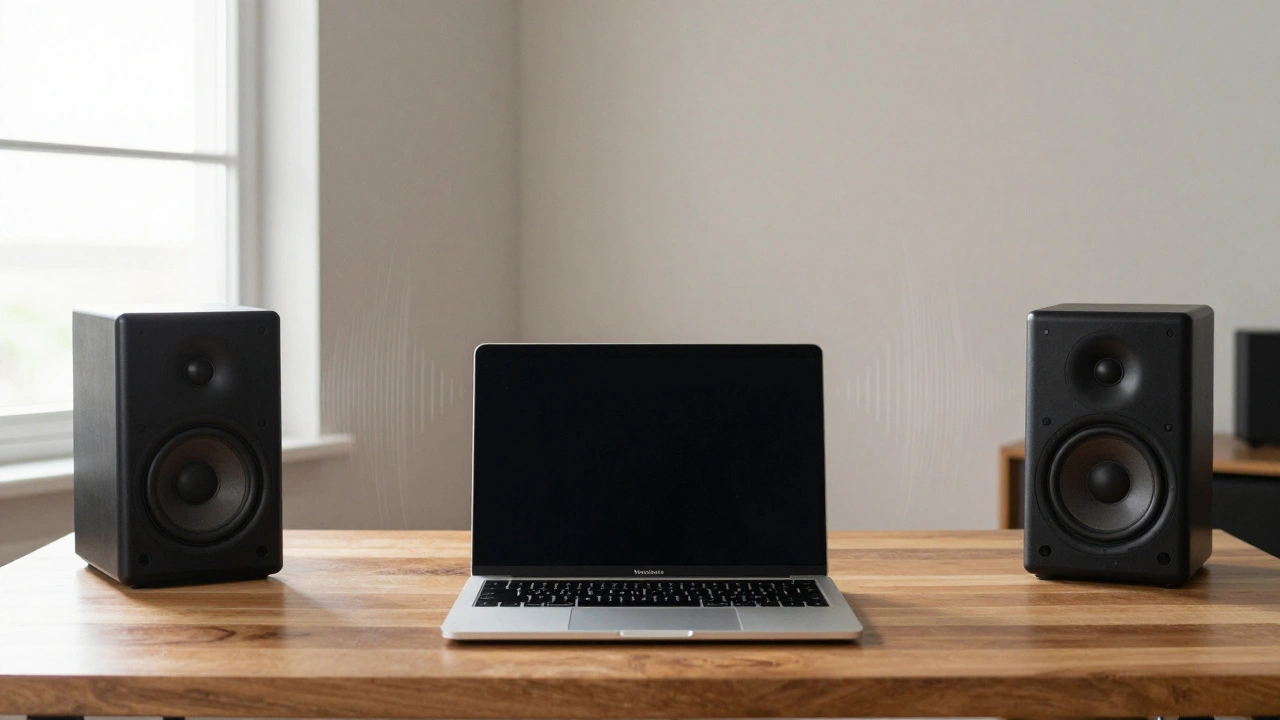
MacBook speakers are surprisingly capable-but their sound only shines when placed correctly. Learn how to set up external speakers, use Audio MIDI Setup, and apply acoustic principles for rich, directional audio.
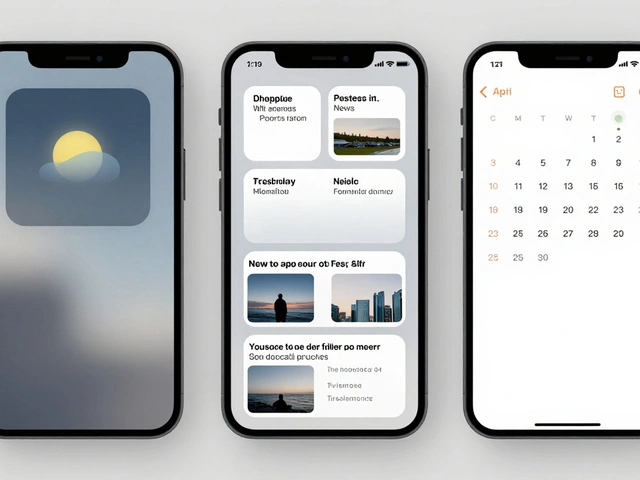
Personalization in Apple Interfaces: Customizing Input, Audio, and Visuals

Apple lets you customize input, audio, and visuals across all devices to match your needs - from voice commands and haptics to per-app settings and brain-controlled navigation. It’s not just accessibility - it’s personal control.
Designing the Apple Ecosystem: Seamless Experiences Across Devices and Services
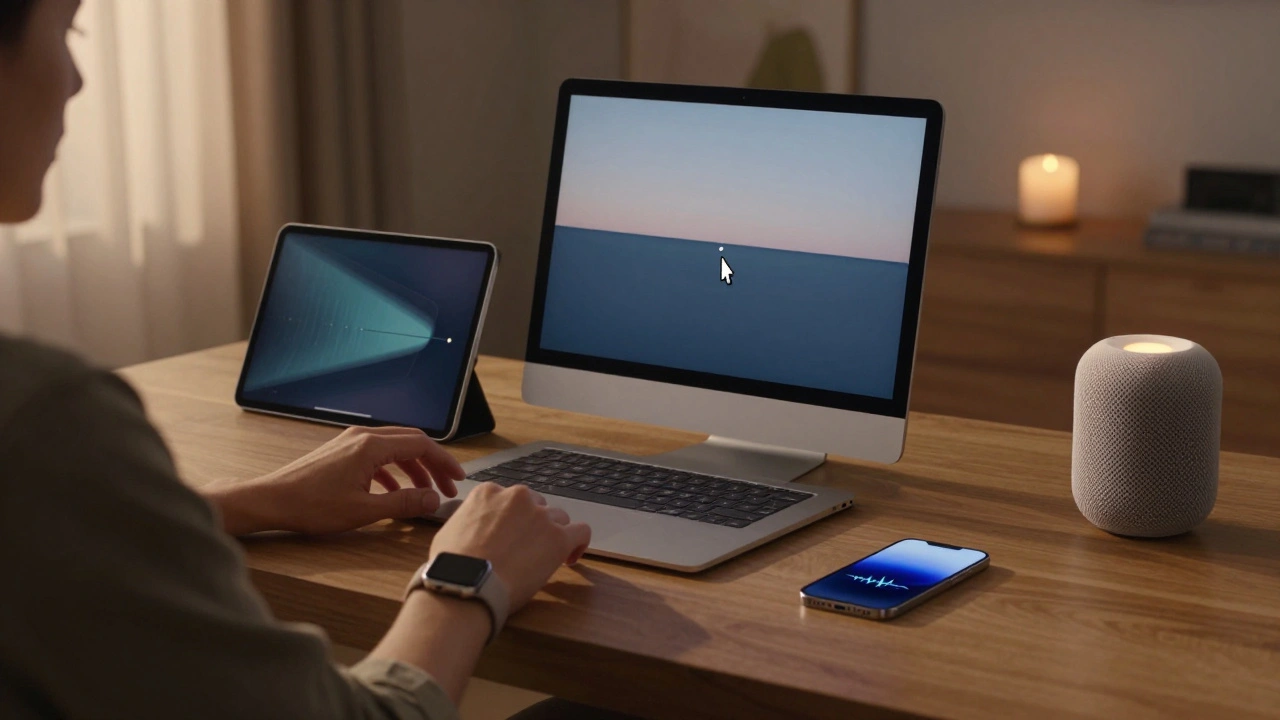
Apple's 2026 ecosystem blends hardware, AI, and services into a frictionless experience across devices. From Universal Control to Private Cloud Compute, it’s not about gadgets-it’s about workflow continuity, privacy, and quiet intelligence.
Motion and Depth in Apple Interfaces: How Spatial Design Communicates State Without Noise
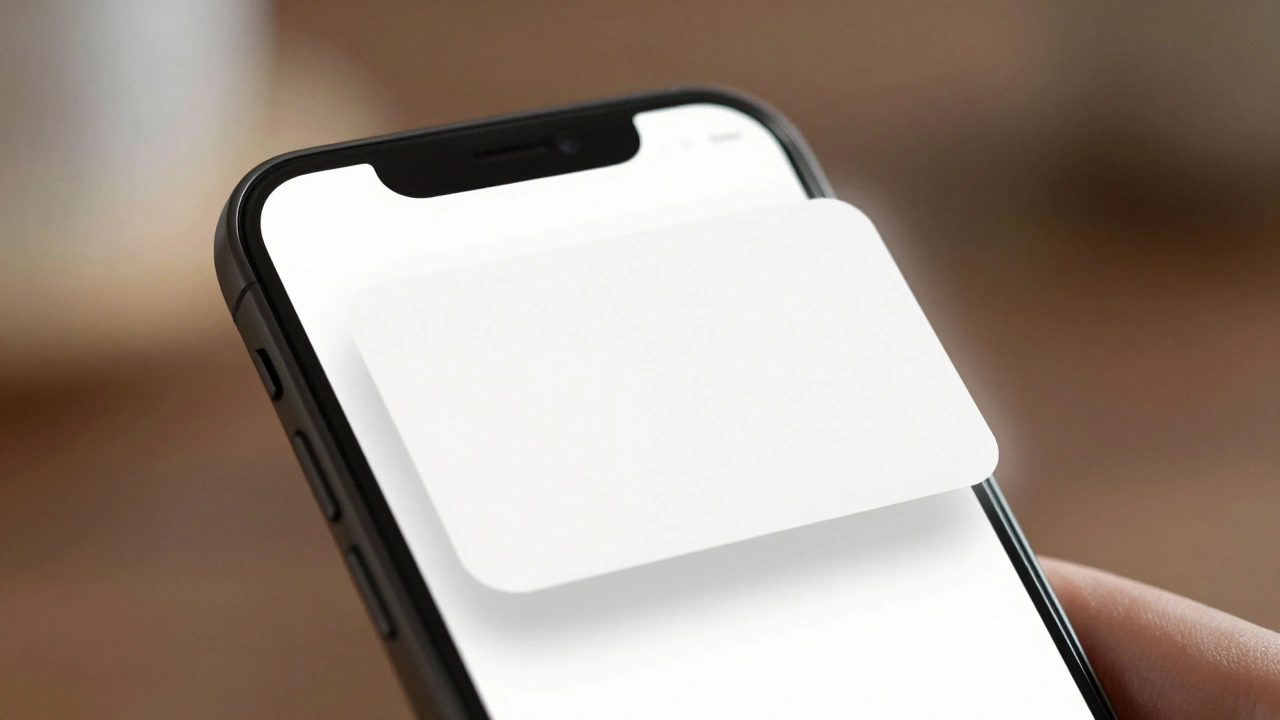
Apple uses motion and depth-not alerts or sounds-to communicate state in its interfaces. This quiet, spatial design reduces cognitive load, enhances focus, and feels intuitive by working with how human vision naturally perceives space and movement.
Family Sharing by Design: Permissions, Purchases, and Privacy on Apple
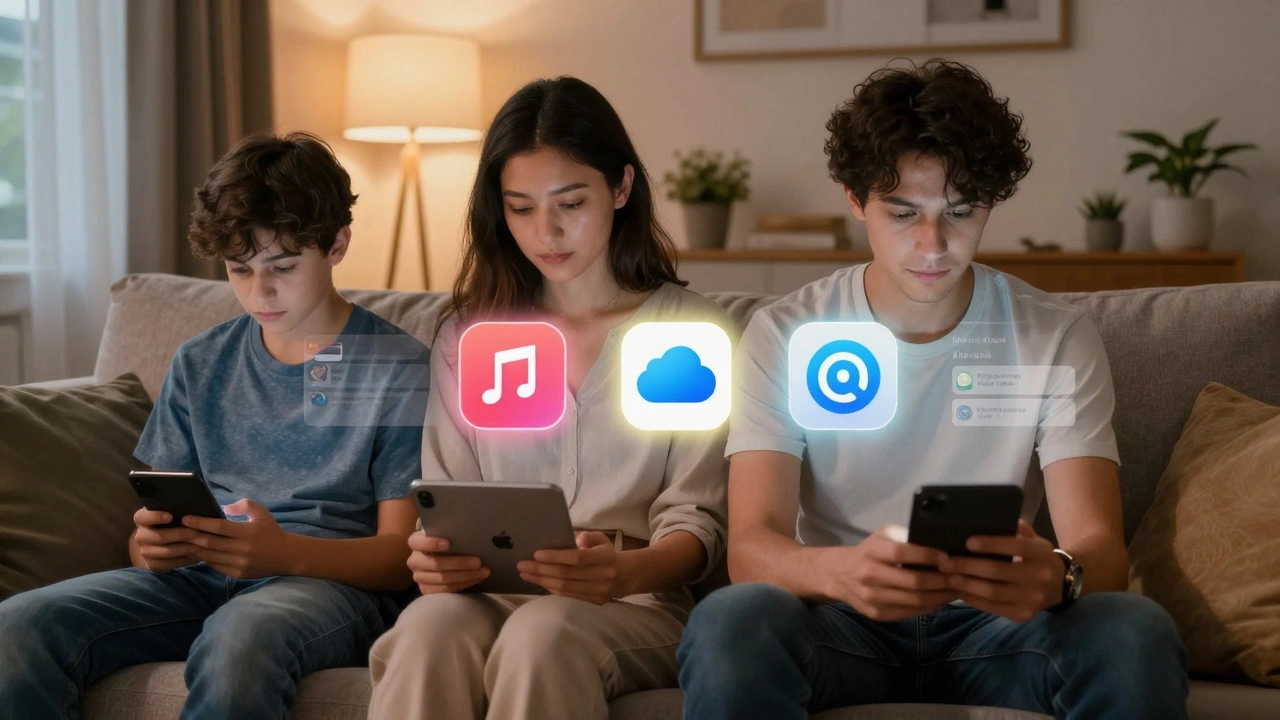
Apple Family Sharing lets up to six people share subscriptions, purchases, and iCloud storage without sharing accounts. It balances control, privacy, and simplicity-perfect for modern families.
Iconography and Labels for AI on Apple: Clarity Without Hype

Apple’s AI icons avoid hype with clean designs, no text, and simple metaphors. Learn how to design AI apps that feel helpful-not flashy-using Apple’s 2025 guidelines.