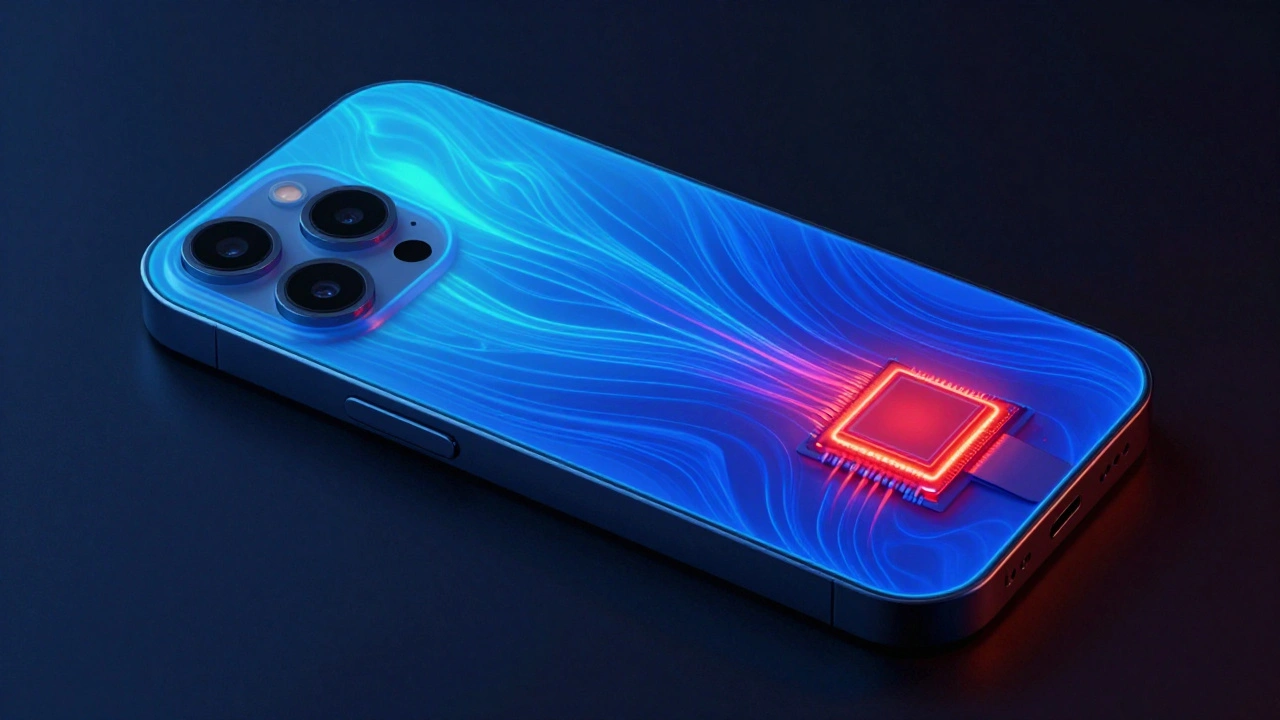

When you pick up your iPhone 17 Pro, it doesn’t just feel light-it feels cooler. That’s not luck. It’s engineering. Apple didn’t go back to aluminum because it’s cheaper or easier. They went back because aluminum moves heat better than anything else on the market, and in 2026, that makes all the difference.
Why Heat Matters More Than You Think
Your phone isn’t just a phone anymore. It’s a handheld gaming console, a 4K video studio, a live-streaming hub. All of that work generates heat. And when heat builds up, your processor slows down. That’s called thermal throttling. You’ve felt it: the camera stutters during a long video, the game drops frames, the battery drains faster than usual. All because the chip got too hot and had to calm down. Apple’s answer? Stop trying to trap heat. Start moving it away.Aluminum vs Titanium: The Numbers Don’t Lie
Titanium sounds premium. It’s used in jets and medical implants. But when it comes to moving heat, it’s painfully slow. Titanium has a thermal conductivity of just 2.19 W/mK. That’s less than 1% of aluminum’s performance. Aluminum? 237 W/mK. That’s over 100 times better. Think of it like this: if titanium is a brick wall, aluminum is a highway. Heat flows through aluminum like water through a pipe. That’s why the iPhone 17 Pro can keep its A18 Pro chip running at full speed for longer-up to 20% longer during heavy tasks like editing 8K video or playing graphically intense games. Steel? 50.2 W/mK. Still half as good as aluminum. Glass? Just 1 W/mK. That’s why Apple keeps glass on the back-it’s for wireless charging, not heat control.Durability Isn’t About Hardness-It’s About Absorption
People assume titanium is tougher. It’s harder, sure. But toughness isn’t just about resisting scratches. It’s about surviving drops. And here’s where aluminum wins again. Aluminum alloys used in the iPhone 17 Pro are engineered to absorb impact energy. When you drop your phone, aluminum bends slightly, spreading the force. Titanium? It’s rigid. It doesn’t give. That means more force gets transferred to the glass back-and more cracks. PhoneBuff’s drop tests showed aluminum-framed phones took more hits before glass failure. Samsung’s Galaxy S23 Ultra (aluminum frame) outperformed Apple’s own titanium iPhone 15 Pro Max in durability tests. That’s not a fluke. It’s physics. Plus, aluminum frames are 10-15 grams lighter than titanium. That might not sound like much, but after three hours of holding your phone to record a podcast or scroll through TikTok, you’ll notice. Less weight. Less fatigue. More comfort.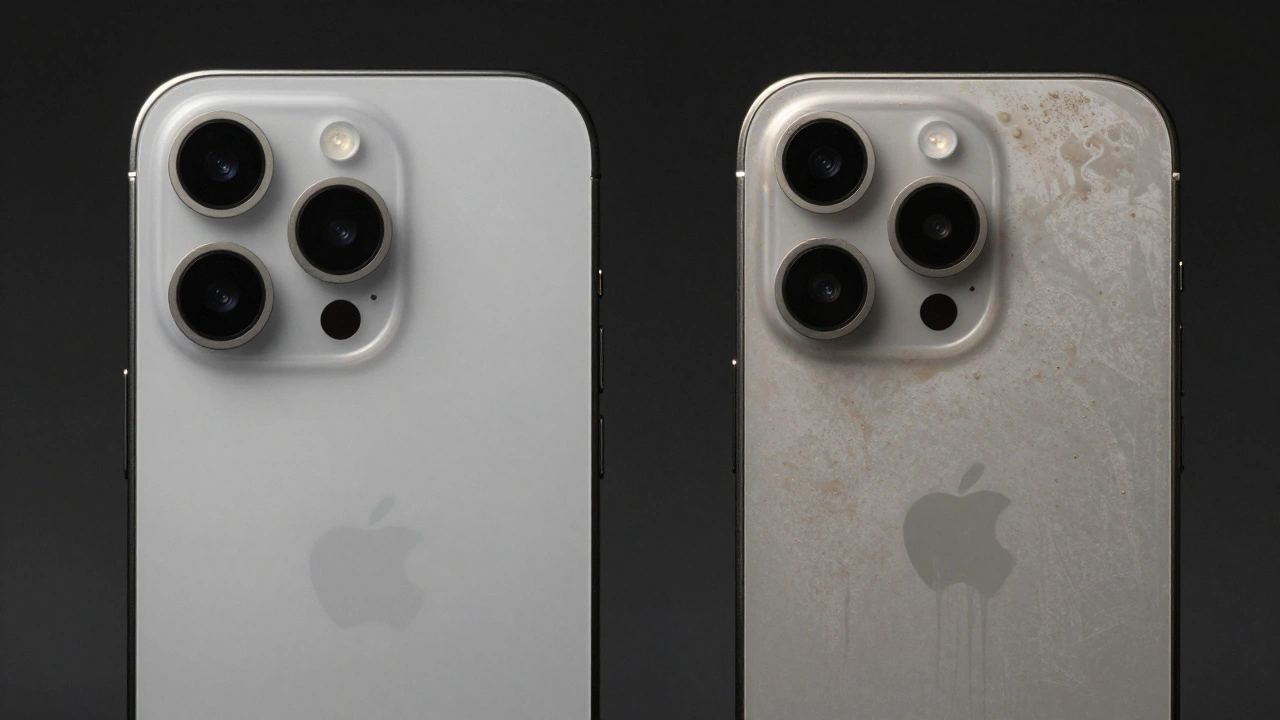
Design Freedom and Aesthetics
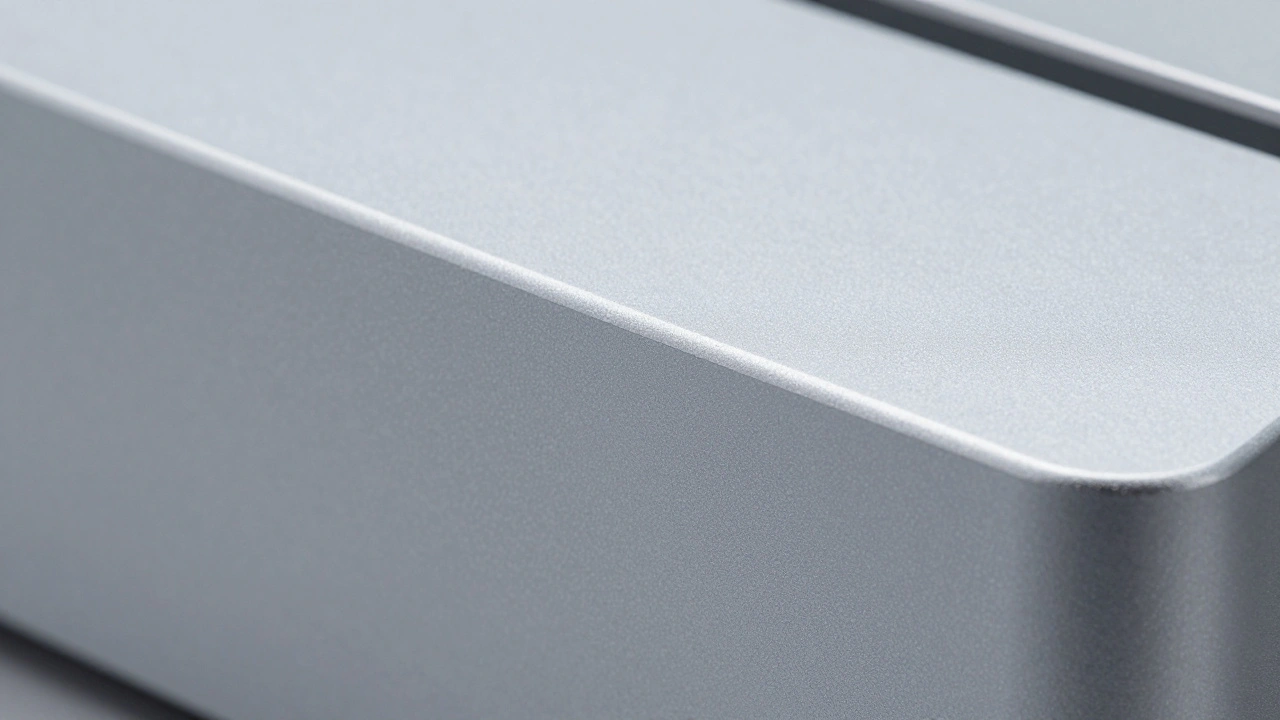
Aluminum doesn’t just perform better-it looks better. The anodizing process on aluminum lets Apple create rich, deep colors that don’t fade. Matte finishes stay smudge-free. Brushed titanium? It collects fingerprints like a magnet. You’ve seen them: those greasy streaks on the iPhone 16 Pro’s sides. Aluminum doesn’t do that. And because aluminum is easier to machine, Apple can create thinner edges, tighter tolerances, and smoother transitions between frame and screen. That’s why the iPhone 17 Pro feels like a single piece of metal, not a glued-together kit.Beyond the Frame: The Whole System Works Together
Apple didn’t just swap materials. They redesigned the whole thermal system. The iPhone 17 Pro uses graphene heat spreaders under the chip, vapor chambers that cover the entire processor area, and internal heat pipes that channel warmth directly into the aluminum frame. It’s not one trick. It’s a symphony. The aluminum frame is the final, critical note. Without it, the other parts can’t do their job. Compare that to Android phones. Many stack on extra cooling fans, copper sheets, and gel pads. It’s like throwing duct tape at a leak. Apple’s solution? Fix the pipe.Environmental Impact: The Quiet Winner
Aluminum production emits 67% less carbon than titanium production. For Apple, that’s not a side benefit-it’s a requirement. They’re aiming for carbon-neutral products by 2030. Aluminum helps them get there without sacrificing performance. This isn’t just about your phone. It’s about the factories, the mining, the energy used. Aluminum’s lower footprint means fewer emissions across the supply chain. And Apple’s shift signals to the whole industry: sustainability and performance aren’t opposites. They’re partners.
What This Means for You
If you’re a gamer, a creator, or just someone who uses their phone for more than texting-this matters. The iPhone 17 Pro doesn’t just last longer on battery. It performs longer without slowing down. No more mid-video lag. No more game crashes. No more overheating during long Zoom calls. And if you’ve ever dropped your phone and cracked the back? Aluminum’s impact-absorbing design gives you a better chance of walking away with just a scratch, not a repair bill.Why This Isn’t Just About Apple
Apple doesn’t make trends. It follows them. But when it changes direction, the rest of the industry scrambles to catch up. The shift from stainless steel to titanium was a luxury play. The return to aluminum? It’s a performance reset. Other brands are already watching. Aluminum producers are ramping up production. New alloys are being tested. The next wave of flagship phones will likely follow Apple’s lead-not because of branding, but because the data is clear.Final Thought: It’s Not About Premium. It’s About Practical.
Titanium had its moment. But in 2026, we don’t need shiny metals. We need reliable ones. We need phones that don’t overheat. That don’t break. That don’t weigh us down. Aluminum delivers all three. Apple didn’t go back to aluminum because it’s nostalgic. They went back because it’s the best tool for the job. And in a world where your phone does everything, that’s the only thing that matters.Why did Apple switch from titanium back to aluminum in the iPhone 17 Pro?
Apple switched back to aluminum because it moves heat 100+ times better than titanium. This prevents thermal throttling during gaming, video editing, and other intensive tasks. Aluminum also absorbs impact better, is lighter, and has a lower carbon footprint during production-all key factors for performance, durability, and sustainability in 2026.
Is aluminum less durable than titanium?
No. While titanium is harder, aluminum is tougher in real-world drops. Aluminum absorbs and spreads impact energy, protecting the glass back. Titanium transfers that force directly, increasing the chance of cracks. Tests by PhoneBuff showed aluminum-framed phones survived more drops than titanium ones.
Does aluminum make the iPhone feel warmer to the touch?
Actually, no. Because aluminum pulls heat away from the chip and spreads it across the whole frame, the surface stays cooler during heavy use. Titanium traps heat near the processor, making the phone feel hotter in your hand. Aluminum’s design keeps the surface temperature more stable and comfortable.
Can I use a case with an aluminum iPhone 17 Pro?
Yes-and Apple even recommends thermally conductive cases. Some third-party cases use phase-change materials or micro-channel cooling that work with the aluminum frame to pull even more heat away. Standard plastic cases block heat, but smart cases enhance the phone’s natural cooling.
Why don’t other brands use aluminum if it’s better?
Many do-but not at Apple’s scale. Aluminum requires advanced alloys and precision anodizing. Some brands stick with titanium for marketing reasons (it feels "premium"), or because their supply chains are locked into titanium processing. Apple’s shift is pushing others to follow, especially as sustainability and performance demands grow.