Tag: Apple design
How Apple Balances Familiarity and Innovation in Design Rollouts
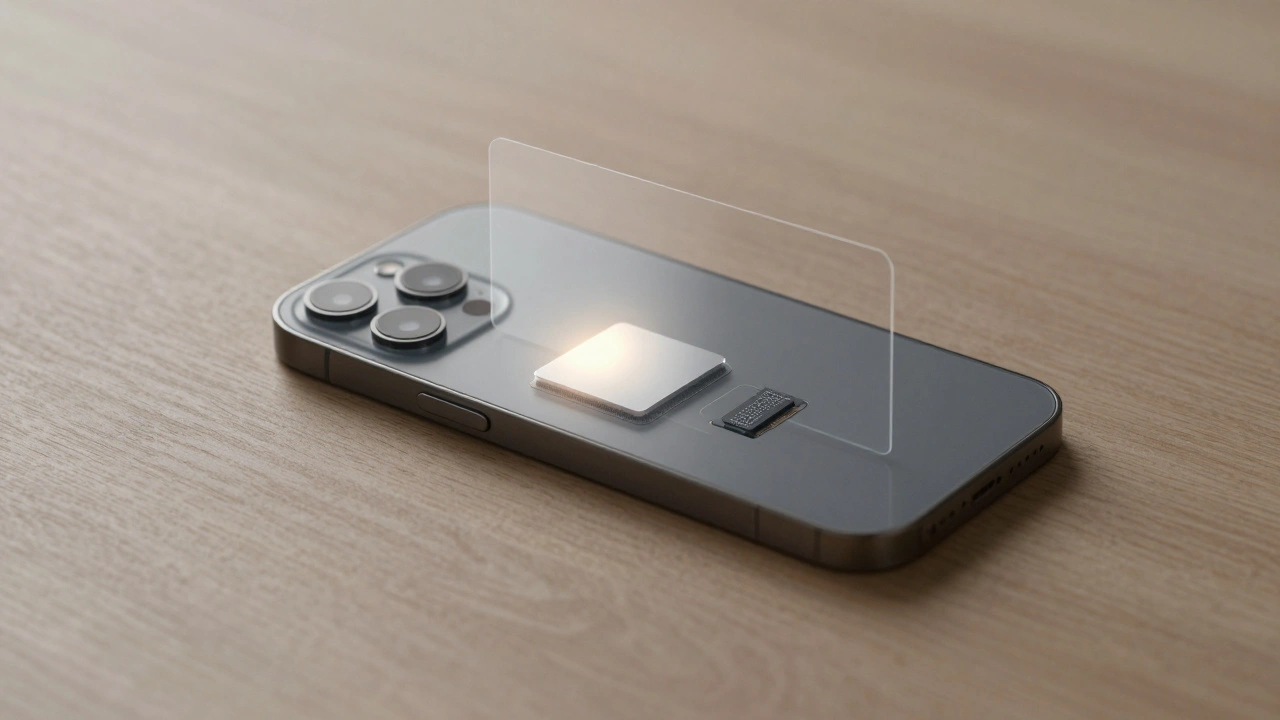

Apple keeps its product designs familiar while quietly innovating under the hood - making technology feel intuitive, reliable, and seamless. This balance between consistency and improvement is why users stay loyal.
How Liquid Glass Scales: From Apple Watch Controls to Mac Sidebars
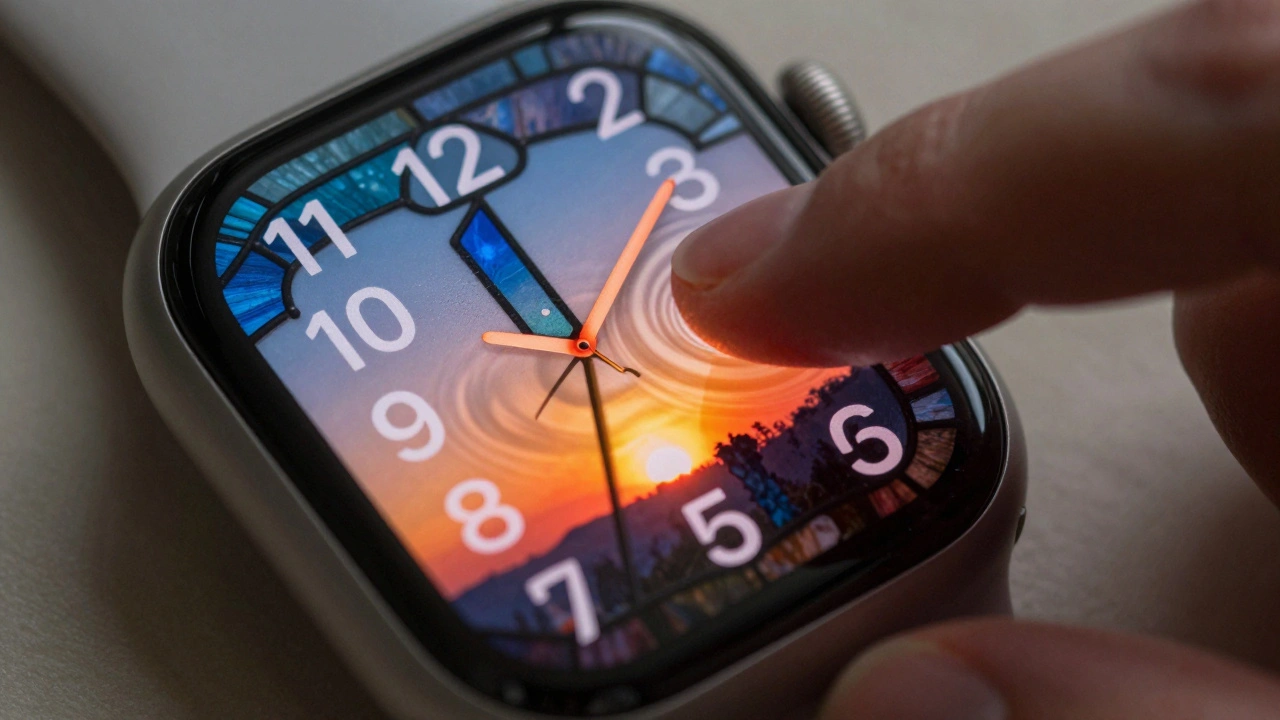
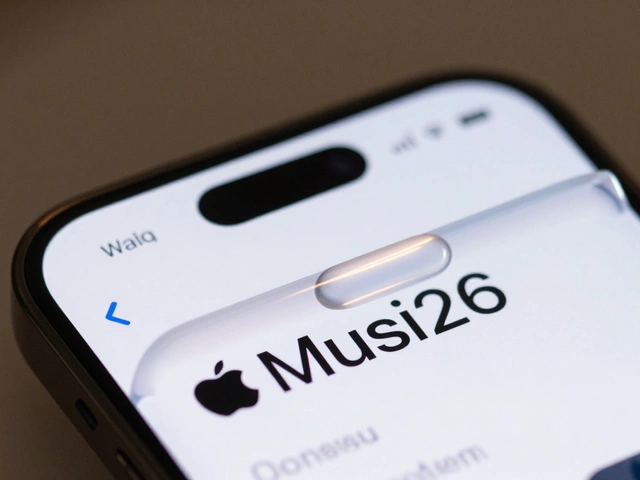
Liquid Glass is Apple's new dynamic design material that scales seamlessly from Apple Watch to Mac, blending transparency, light, and motion into a unified interface. Learn how it works, where it shines, and why accessibility makes it truly revolutionary.
How Robert Brunner Shaped Apple’s 1990s Design Legacy

Robert Brunner rebuilt Apple’s design team in the 1990s, hired Jonathan Ive, and led the creation of the PowerBook - shaping Apple’s design DNA before Jobs returned. Kazuo Kawasaki had no role in Apple’s design during this time.
Ecosystem Branding: How Apple Uses Visual Signals to Connect Its Products
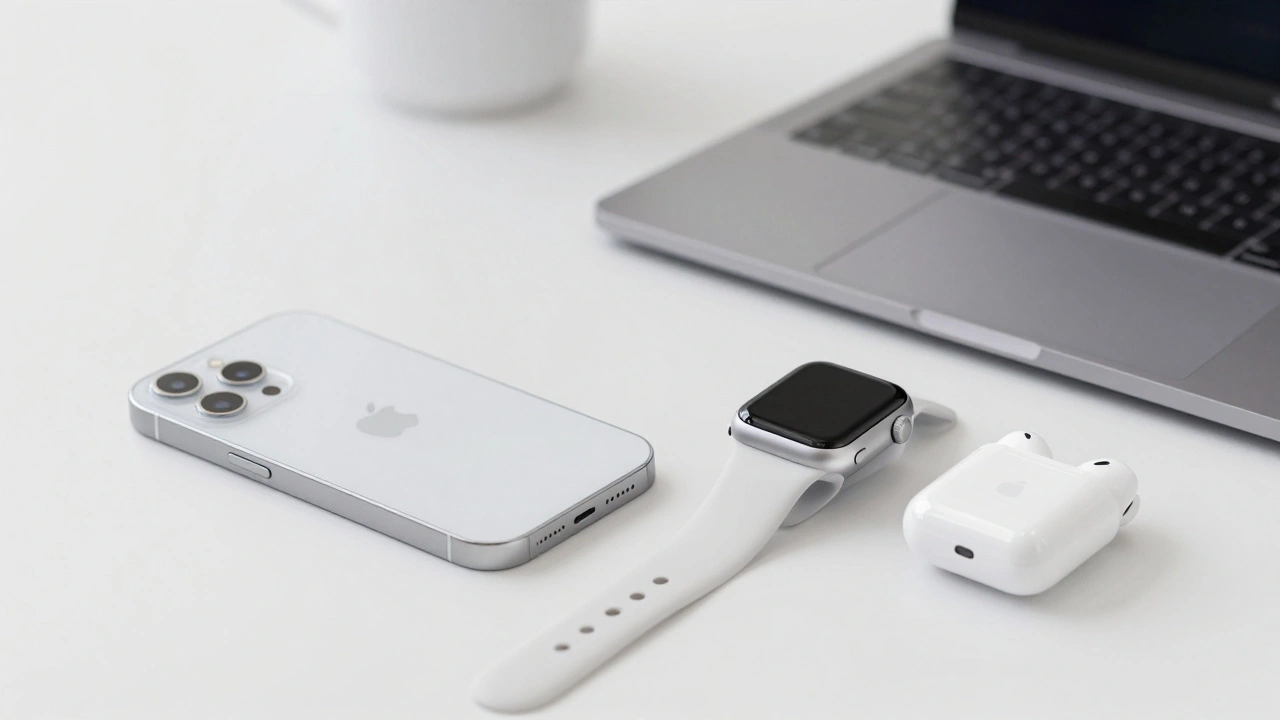
Apple connects its products through invisible visual signals-logo, color, typography, and Liquid Glass UI-that create a seamless, consistent experience across devices. This ecosystem branding builds loyalty by making every interaction feel familiar and unified.
Translucent Plastics at Apple: How Material Design Communicates Approachability and Playfulness
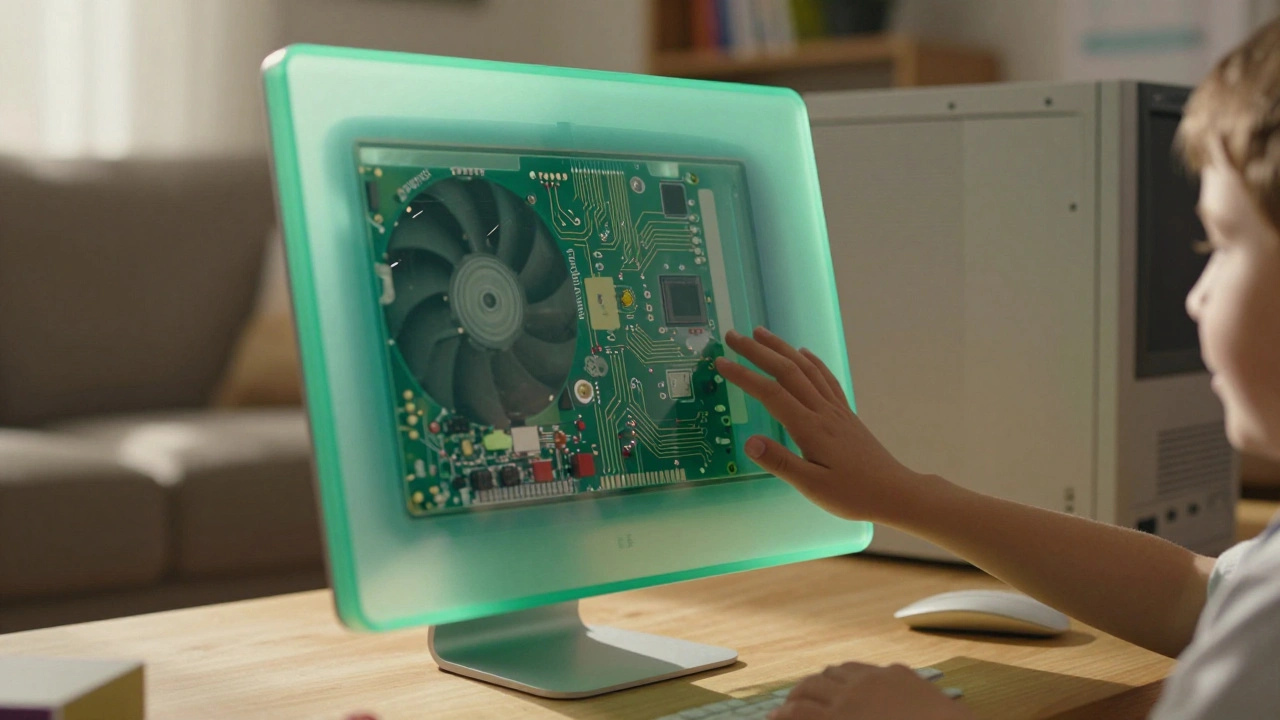
Apple’s translucent plastics and Liquid Glass aren’t just aesthetics-they’re emotional design tools that make technology feel approachable, playful, and alive. From the iMac to iOS 26, transparency has been a quiet revolution.
Liquid Glass vs. Skeuomorphism and Flat Design: Apple’s New Material Middle Ground
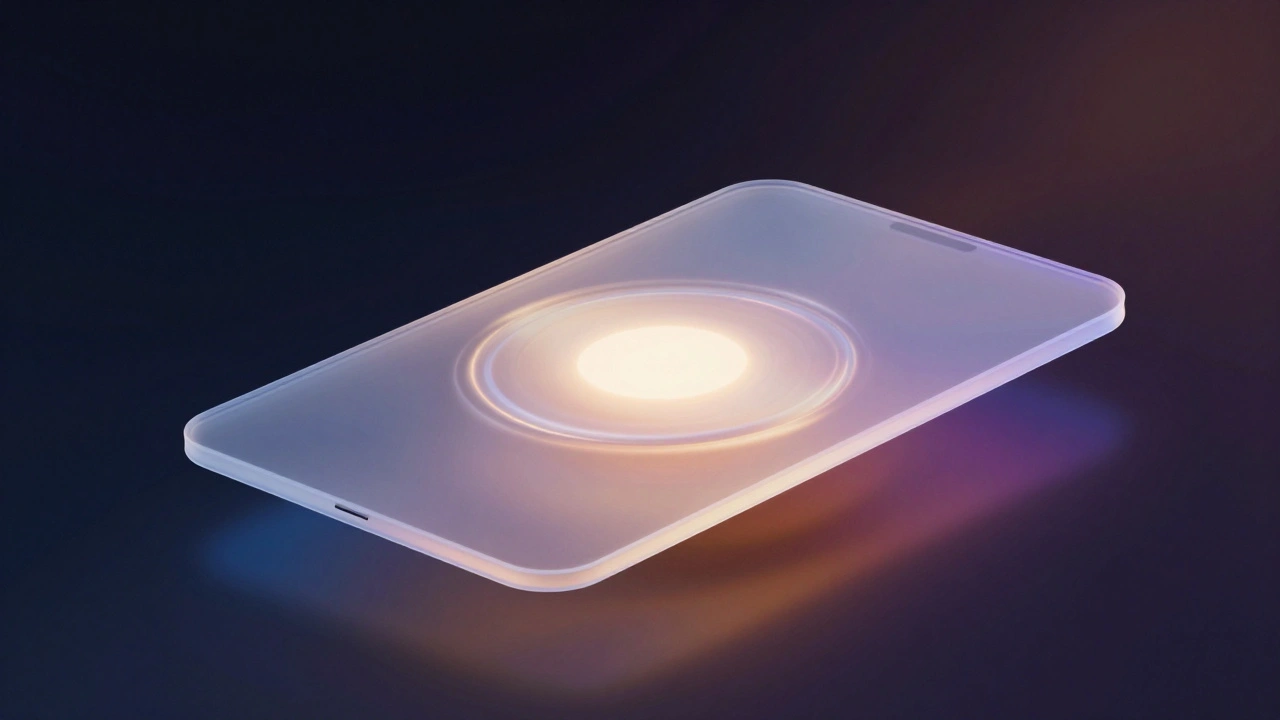
Apple's Liquid Glass is a new interface material that blends the best of skeuomorphism and flat design, using dynamic light and motion to create a more intuitive, responsive experience across all devices.
Reducing Cognitive Load: How Apple Designs for Simpler Decisions
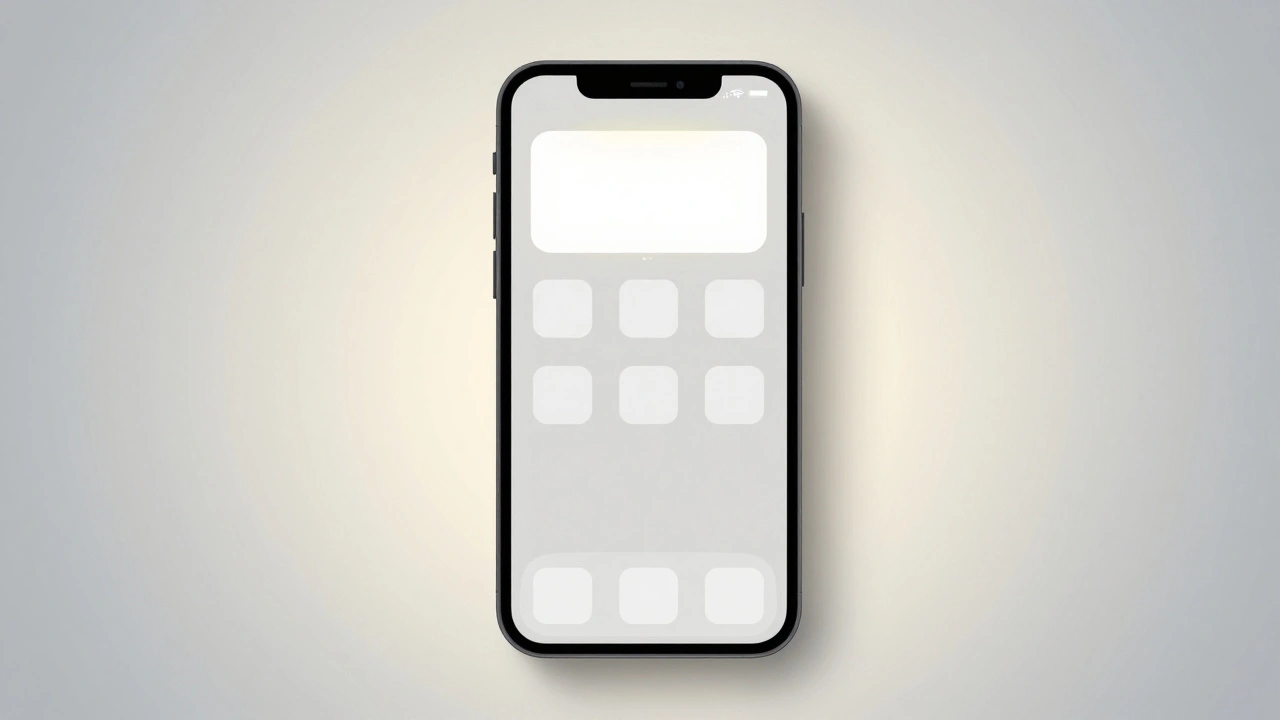
Apple reduces cognitive load by removing choices, using smart defaults, and designing for effortless interaction. Their approach isn't about minimalism - it's about making decisions disappear.
Decision-Making in Apple’s Design: When to Show, Hide, or Remove Interface Controls
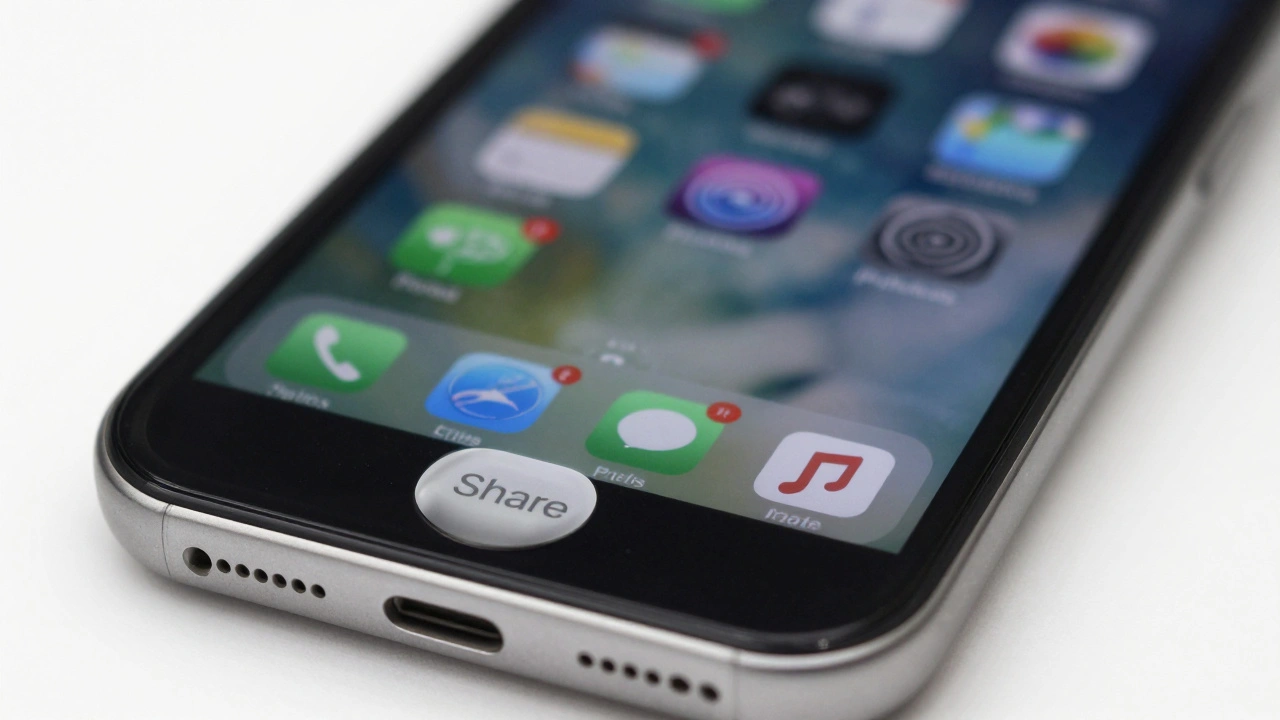
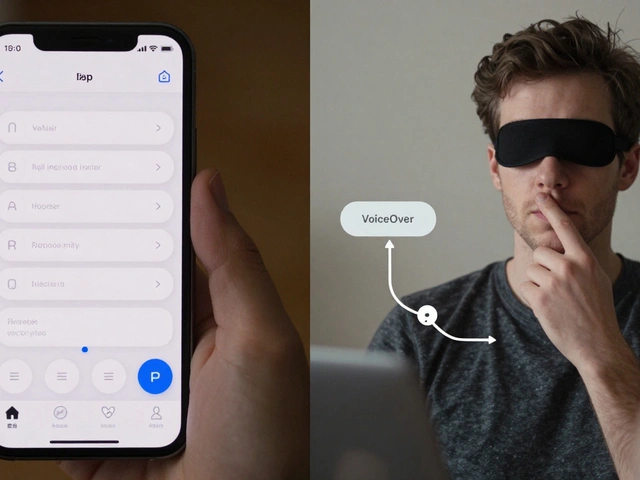
Apple's approach to showing, hiding, or removing interface controls is guided by clarity, deference, and consistency. Learn how design principles like Liquid Glass, accessibility, and screen context shape every visible element in iOS, macOS, and beyond.
The iMac G4 'iLamp': How a Desk Lamp Redefined Computer Ergonomics
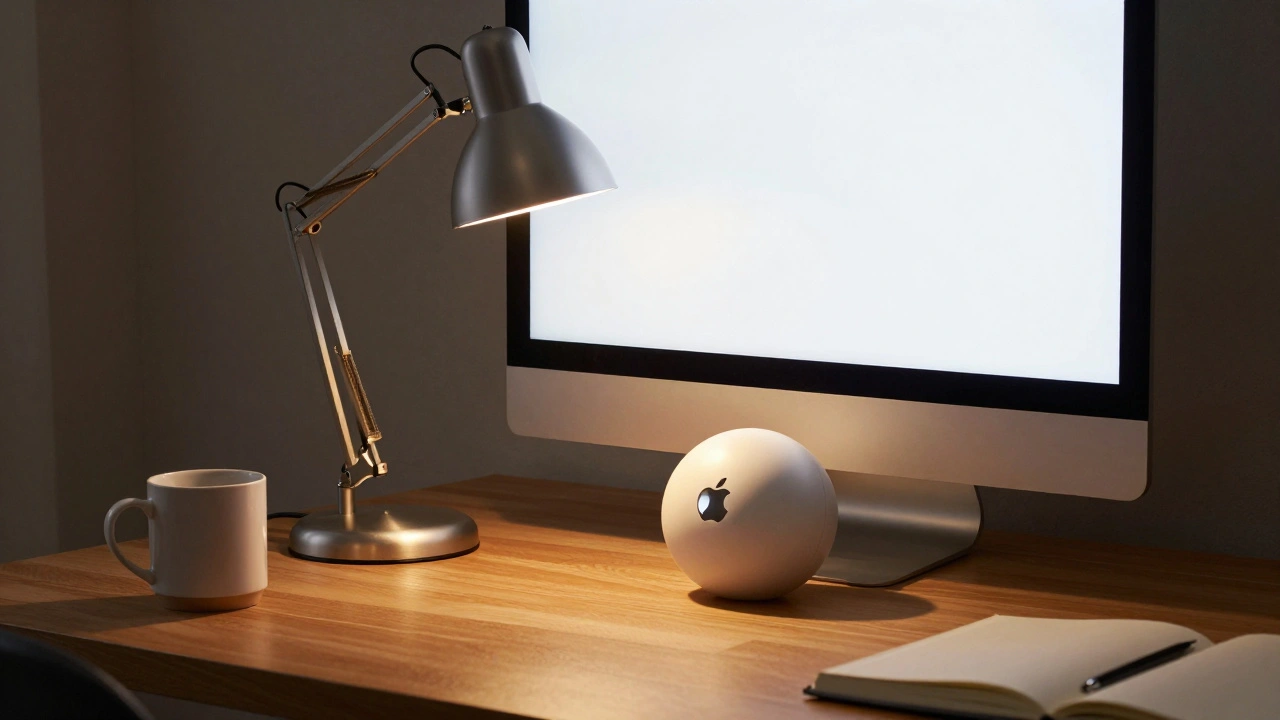
The iMac G4 'iLamp' redefined desktop computing with its adjustable arm, blending form and function like no computer before. Its ergonomic design became the blueprint for modern monitors.
Cohesive Design Across Apple Devices: How Shared Patterns Reduce Friction for Users
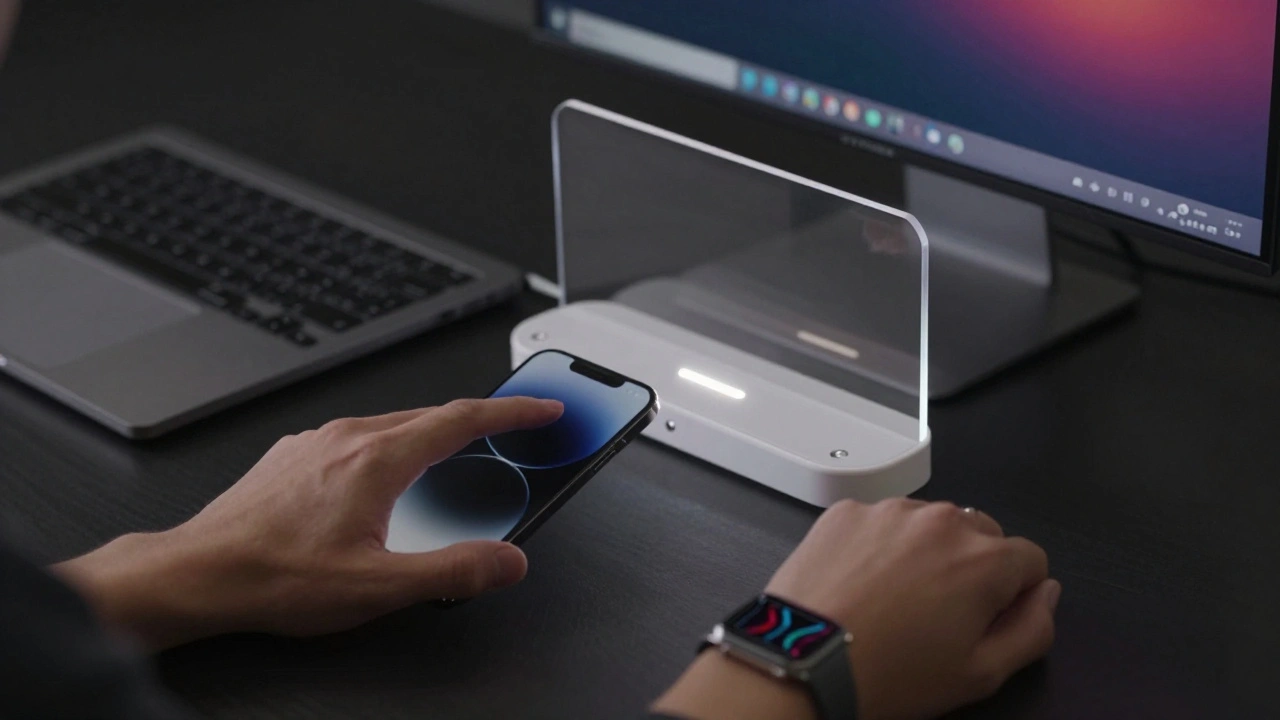
Apple's cohesive design across devices-powered by Liquid Glass-reduces friction by making interactions feel natural, consistent, and intuitive. From iPhone to Mac, the same visual language creates a seamless experience that users don’t even notice they’re relying on.
Categories
Popular Articles