
You know that sickening sound. The one where your phone slips from your hand, hits the pavement, and you hear a distinct crunch. For years, this was an inevitability with iPhones. The glass back looked sleek, but it shattered like a dropped egg. Today, things are different. But are they safe enough? You might think "Ceramic Shield" means your phone is unbreakable. It doesn't. It just breaks differently.
This isn't about marketing fluff. It's about understanding the physics of how iPhone survives gravity and impact through specific material choices and structural engineering. We're talking about the interplay between aluminum frames, stainless steel bands, and specialized glass composites. If you want to keep your device intact without buying a case that looks like a brick, you need to understand what you're actually holding.
The Evolution of Fragility
Let's rewind a bit. In 2007, the original iPhone used plastic on the back. It scratched easily but didn't shatter. Then came the iPhone 4 in 2010. That was the first time Apple went full glass sandwich-glass front, glass back, aluminum frame. It looked premium. It also snapped if you looked at it wrong. Users learned quickly that beauty had a price tag.
For nearly a decade, the strategy was simple: make it look good, hope for the best. Cases became mandatory accessories. Then, in 2020, everything changed with the iPhone 12. Apple introduced Ceramic Shield, a glass-ceramic hybrid developed in partnership with Corning. This wasn't just a rebranding exercise. It involved growing nano-ceramic crystals inside the glass matrix. The result? A front screen four times more resistant to drops than previous generations.
But here’s the catch most people miss: Ceramic Shield applies only to the front display. The back glass remained standard aluminosilicate glass until recently. So while your screen survived a fall onto concrete, your camera module or rear panel might not. This asymmetry in durability created a weird user experience. You could drop your phone face-down and walk away smiling, then flip it over and see a spiderweb crack on the back.
Material Science: Why Glass Breaks
To fix a problem, you have to understand it. Glass is hard but brittle. When you drop a phone, energy travels through the material. If the glass can’t absorb that energy by deforming slightly (like metal does), it fractures. Traditional smartphone glass relies on compression layers to resist scratches, but these don’t help much against sudden impacts.
Ceramic Shield works because ceramic crystals interrupt crack propagation. Think of it like adding rebar to concrete. When a crack starts, it hits a crystal and stops or changes direction. This requires precise manufacturing. Corning, the parent company behind the tech, uses a proprietary process to control crystal size and distribution. Too big, and the glass becomes opaque. Too small, and it doesn’t stop cracks.
The back glass tells a different story. Until the iPhone 15 Pro series, Apple stuck with traditional glass backs for wireless charging compatibility. Wireless charging requires non-metallic materials. Aluminum blocks signals; glass lets them pass. This constraint forced designers to choose aesthetics over maximum impact resistance. They prioritized transparency for MagSafe magnets and Qi coils.
| Model Series | Front Glass | Back Material | Frame Material | Drop Resistance Rating |
|---|---|---|---|---|
| iPhone 6-11 | Ion-strengthened Glass | Glass | Aluminum / Stainless Steel | Low |
| iPhone 12-13 | Ceramic Shield | Glass | Aluminum / Stainless Steel | Medium-High (Front) |
| iPhone 14 | Ceramic Shield | Glass | Aluminum | High (Front) |
| iPhone 15 Pro | Ceramic Shield | Textured Matte Glass | Titanium | Very High (Structural) |
The Frame Factor: Aluminum vs. Titanium
The screen gets all the attention, but the frame saves your life-or rather, your phone’s life. When a phone hits the ground, the corners take the brunt of the impact. These are the weakest points structurally. A soft frame absorbs shock; a hard frame transfers it directly to the glass.
Standard iPhones use aluminum. It’s lightweight and decently durable. However, aluminum dents. Dents aren't pretty, but they’re functional. They dissipate energy. Stainless steel, used in older Pro models, is harder and shinier but less forgiving. It transmits more force to the glass, leading to higher rates of corner cracks.
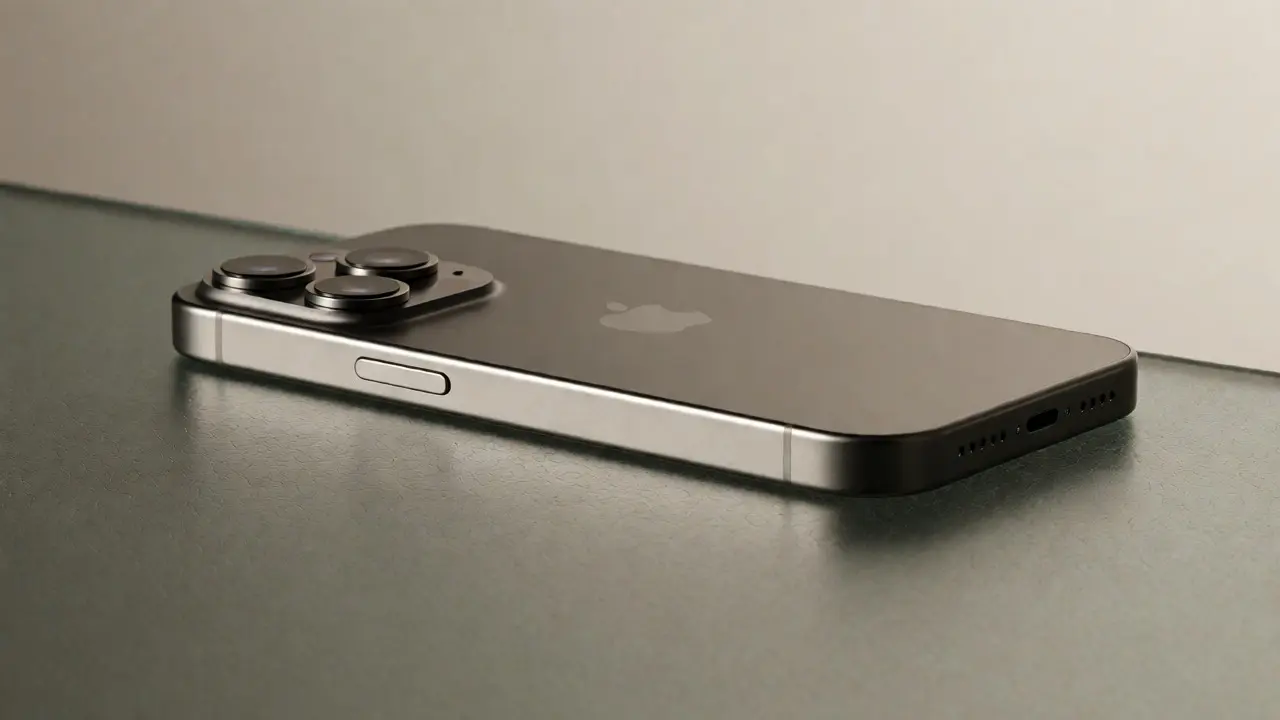
Enter titanium. The iPhone 15 Pro marked the shift to Titanium, a stronger, lighter alloy that reduces weight by 19 grams compared to stainless steel. Titanium has a high strength-to-weight ratio. It resists bending better than aluminum but absorbs impact better than steel. It’s a sweet spot. Plus, it doesn’t show fingerprints as easily as polished steel.
Does this mean you can drop your 15 Pro from a roof? No. Physics still applies. But it means accidental slips from waist height onto wood or tile are far less likely to kill your device. The frame acts as a crumple zone, protecting the delicate internal components and the glass panels.

Internal Mitigation Strategies
Durability isn't just about what you see. It's about what holds things together inside. Apple engineers spend significant time on internal shock absorption. They use foam pads, adhesive gaskets, and flexible circuit boards to isolate sensitive parts like the logic board and battery.
Consider the camera module. Lenses are heavy and protrude. If they hit the ground directly, the glass lens cover shatters instantly. To mitigate this, Apple recesses the lenses slightly into raised bezels. These bezels touch the ground first, sacrificing themselves to save the lens. It’s a sacrificial design choice. You’ll often see scratches on the camera bump long before the lens itself is damaged.
Another critical component is the SIM tray and port openings. These create weak points in the chassis. Water and dust get in; stress concentrates there. Apple seals these areas with rubber gaskets. Over time, these gaskets degrade. Heat accelerates this process. If you live in a hot climate, your phone’s water resistance-and by extension, its structural integrity during minor impacts-might decline faster than someone in a cooler region.
Software plays a role too. iOS includes crash detection features using the accelerometer and gyroscope. While this doesn’t prevent physical damage, it helps users identify accidents immediately. If your phone detects a free-fall event followed by impact, it prompts emergency contacts. This feature highlights how deeply integrated sensors are into the overall survival strategy.
User Behavior: The Human Element
We’ve covered the hardware. Now let’s talk about you. How you hold your phone matters more than you think. Studies on grip patterns show that most drops occur when transitioning between tasks-pulling the phone out of a pocket, putting it away, or gesturing while talking.
One common mistake is holding the phone by the edges near the volume buttons. These areas lack the structural support of the corners. Another issue is loose pockets. If your jeans are baggy, the phone slides out unnoticed. Gravity does the rest. Using a lanyard or a secure cross-body strap eliminates this risk entirely.
Then there’s the myth of the "unbreakable" screen protector. Tempered glass protectors add a layer of defense. They absorb the initial scratch and spread impact forces. However, cheap protectors can delaminate or yellow over time. High-quality ones maintain clarity and adhesion. If you skip the case, invest in a good screen protector. It’s cheaper than a repair.
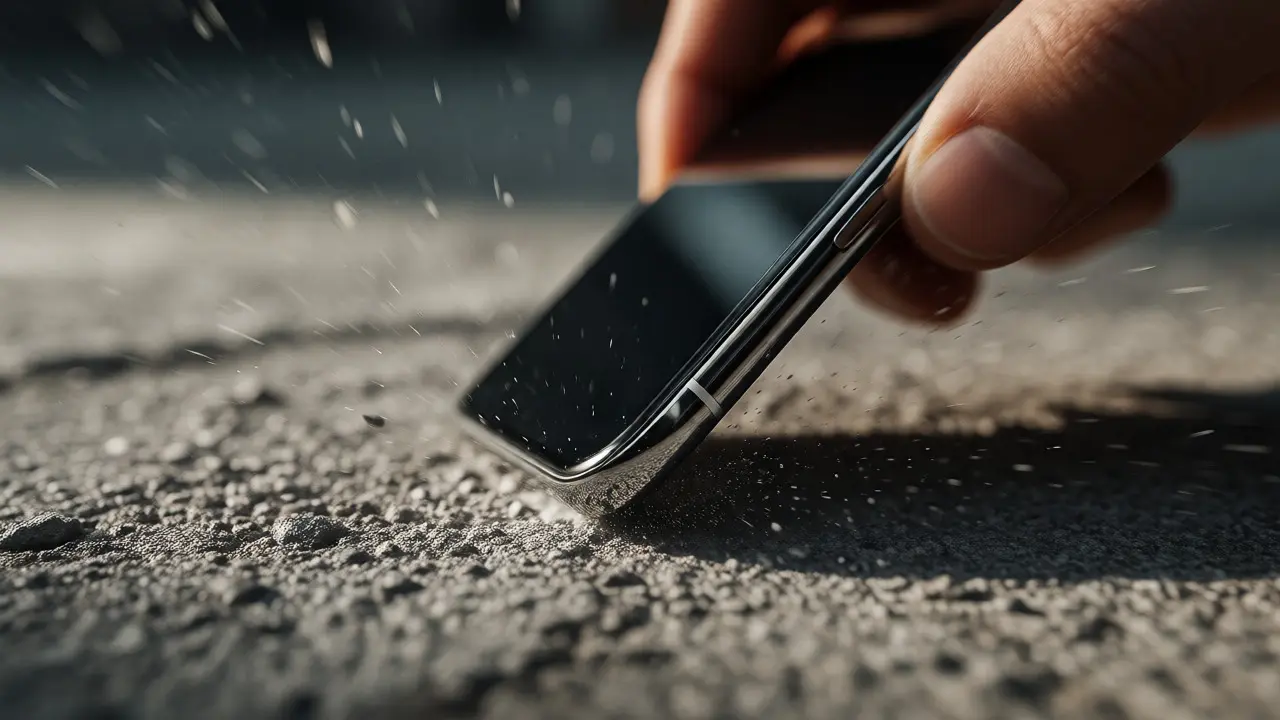
Also, consider your environment. Dropping a phone on carpet is very different from dropping it on gravel. Gravel creates point impacts. These concentrate force into tiny areas, increasing the likelihood of cracking even tough materials like Ceramic Shield. If you work outdoors or visit rocky beaches, extra protection is non-negotiable.
Maintenance and Long-Term Durability
Durability isn’t static. Materials age. Adhesives weaken. Batteries swell. A swollen battery pushes against the screen from the inside, creating tension. Eventually, the screen pops off or cracks under minimal pressure. Monitoring battery health in Settings > Battery > Battery Health gives you early warnings.
Heat is another silent killer. Excessive heat degrades the oleophobic coating on the glass. This coating repels oils from your fingers. Once it wears off, the screen feels sticky and attracts dirt. More importantly, thermal cycling expands and contracts different materials at different rates. This stress can loosen internal connections or cause micro-fractures in the glass over several years.
Cleaning matters too. Use a lint-free cloth. Avoid harsh chemicals like bleach or hydrogen peroxide, which strip coatings. Alcohol wipes are generally safe for exterior surfaces but should be used sparingly on the screen. Keeping the device clean prevents abrasive particles from grinding against the glass during daily handling.
Is Case-Free Living Worth It?
So, should you ditch the case? With modern iPhones, especially the Pro models with titanium frames and Ceramic Shield, going bareback is more viable than ever. The tactile feel of raw metal and glass is superior. It feels premium. It heats up differently, allowing for better passive cooling during intensive gaming or video editing.
However, resale value remains a factor. Even minor scratches on the back glass significantly reduce trade-in prices. Carriers and buy-back programs penalize cosmetic damage heavily. If you plan to upgrade every two years, a slim case preserves value. If you keep phones for five years, the aesthetic appeal might outweigh the depreciation cost.
Ultimately, durability is a balance. Apple has made massive strides in material science. They’ve moved from fragile glass sandwiches to engineered composites. But no phone is indestructible. Your behavior, environment, and maintenance habits determine whether your iPhone survives the next three years intact. Choose your gear wisely, handle with care, and enjoy the design.
Is Ceramic Shield completely unbreakable?
No, Ceramic Shield is highly resistant to drops but not unbreakable. It significantly improves impact resistance compared to previous glass formulations, but sharp impacts on rough surfaces like gravel or concrete can still cause cracks or chips.
Why do iPhone back screens break more often than front screens?
Historically, the back glass did not benefit from Ceramic Shield technology, which is exclusive to the front display. Additionally, the back often lacks the protective lip provided by the frame around the screen, making it more vulnerable to direct impacts when placed face-up or dropped flat.
Does titanium make the iPhone 15 Pro more durable than aluminum?
Titanium offers a higher strength-to-weight ratio than aluminum, meaning it is stronger for its weight. It resists bending better and absorbs impact differently, potentially reducing stress transferred to the glass. However, both materials are effective, with titanium providing a marginal advantage in rigidity and weight savings.
How does heat affect iPhone durability?
Excessive heat can degrade adhesives, accelerate battery swelling, and wear down the oleophobic coating on the glass. Thermal expansion and contraction cycles can also stress internal components and contribute to micro-fractures in the glass over time.
Are screen protectors necessary for modern iPhones?
While not strictly necessary for basic drop protection due to Ceramic Shield, screen protectors add an extra layer of defense against scratches from keys or sand, which can weaken the glass surface over time. They also preserve resale value by keeping the original screen pristine.