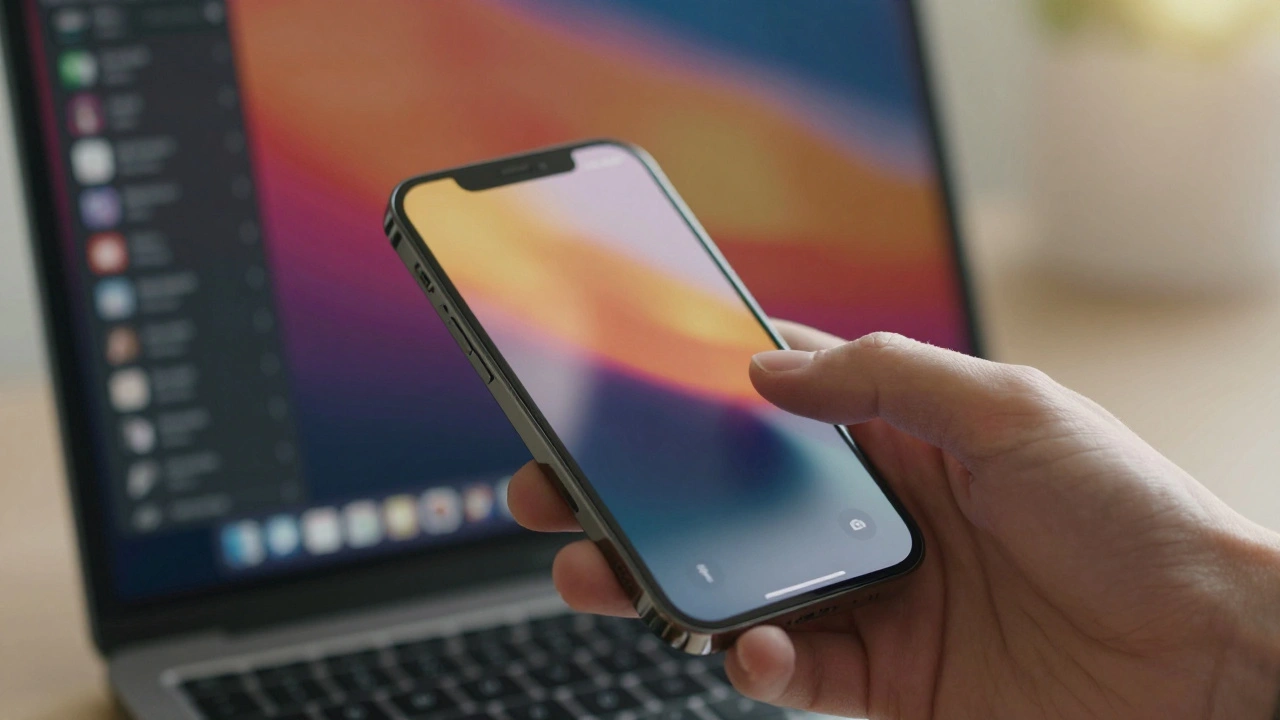

Most tech companies treat design like a science experiment. They run A/B tests, crunch user data, and let the numbers decide what color a button should be or where an icon belongs. Apple, however, has always treated design as an art form governed by strict curatorial standards. While competitors optimize for engagement metrics, Apple optimizes for "taste." This isn't just a buzzword; it is a deliberate operational strategy that separates Apple’s product ecosystem from the rest of the industry.
The core question facing any massive corporation is simple but difficult: How do you maintain a singular, high-quality aesthetic when thousands of people are working on hundreds of products simultaneously? You can’t rely on one genius to approve every pixel. Instead, you need a system. Apple’s answer lies in institutionalizing taste through rigorous curatorial roles, historical design languages, and a refusal to outsource creative decisions to algorithms.
The Philosophy of Taste Over Data
To understand Apple’s current structure, we have to look back at its founding DNA. Steve Jobs was obsessed with the concept of taste. He didn’t view it as a vague artistic preference but as a critical business differentiator. In his own words, he defined taste as the ability to "think of original ideas, and bring much culture into their product." He explicitly contrasted this approach with Microsoft, which he characterized as lacking this cultural depth.
This philosophy created a fundamental divergence in how tech giants operate. Google, for instance, famously structured its design process to "factor out taste." Their methodology relies heavily on data-driven validation. If Version A of a search page gets 0.1% more clicks than Version B, they ship Version A. It is efficient, logical, and scalable. But Apple rejects this premise entirely. According to Apple’s design leadership, decisions-such as selecting interface colors-are made based on "good taste" and knowledge of accessibility for users with visual difficulties. Once the decision is made, they "move on." There are no A/B tests to validate the choice. The judgment call is final.
This approach requires immense confidence and a robust internal framework. Without data to fall back on, the burden of quality rests entirely on human judgment. That is why Apple hires specifically for "taste" rather than just technical skill.
The Snow White Project: Systematizing Aesthetics
You cannot scale taste without a system. Before 1982, Apple designed products individually, resulting in a disjointed brand identity. The turning point came in January 1982, when Steve Jobs met German designer Hartmut Esslinger. This collaboration led to the famous "Snow White" project, which did not just redesign a single computer but created a comprehensive design language for the entire company.
Esslinger introduced a "coherent system of shapes and signs" that could adapt across heterogeneous products-from computers and keyboards to printers and software interfaces. Crucially, these were not rigid rules but directional guidelines. Esslinger established specific parameters that defined the Apple aesthetic:
- Signature Look: Grooves with zero-degree draft angles, minimal surface texture, and authentic materials (no paint).
- Minimalism: Minimized volume and size of elements.
- Symmetry: Used whenever possible to create balance.
- Precision: Thin lines front to back, specifically defined as 2 mm wide and 2 mm deep.
These guidelines served as a "frame of reference" that defined how the brand spoke to customers through visuals. Esslinger argued that true design strategy requires defining the founding principles that guide all official decisions. This ensured coherence between all elements, allowing the brand to expand without losing its visual identity. This system allowed Apple to scale production while maintaining a unified aesthetic voice.

Institutionalizing Curatorial Roles
If the Snow White project provided the historical blueprint, modern organizational structures provide the enforcement mechanism. Today, Apple does not leave design consistency to chance. They have formalized curatorial roles within their infrastructure. Job postings for positions like "Senior Content Curator" within the Apple Creator Studio reveal exactly what the company looks for: individuals with "exceptional taste and strong strategic instinct" who can "anticipate shifts in the visual landscape."
These are not entry-level jobs. They are high-level strategic positions tasked with acting as arbiters of the brand’s identity. The curator’s job is to ensure that every app, website, and physical space aligns with the company’s long-term vision. This role sits above individual project managers, providing a layer of oversight that prevents fragmentation.
This contrasts sharply with the industry trend toward removing subjective human judgment. Many companies believe that automation and AI can replace human designers. Apple argues that designing primarily for measurable optimization produces inferior products. They believe that coherent taste, cultural sophistication, and user empathy require human intuition that algorithms simply cannot replicate. By hiring curators, Apple ensures that taste remains an operational cornerstone, not a luxury feature.
Core Principles: Simplicity, Empathy, and Detail
For curators to do their jobs, they need clear criteria. Apple prioritizes three interconnected design principles that guide every decision:
- Simplicity: Described as "less is more," this principle involves clean lines, minimalist interfaces, and intuitive functionality. It is achieved through meticulous processes that strip away unnecessary elements to focus on what truly matters.
- User-Centered Design: Based on deep empathy, this starts with understanding user needs, desires, and pain points. It is not about what the engineer wants to build, but what the user needs to experience.
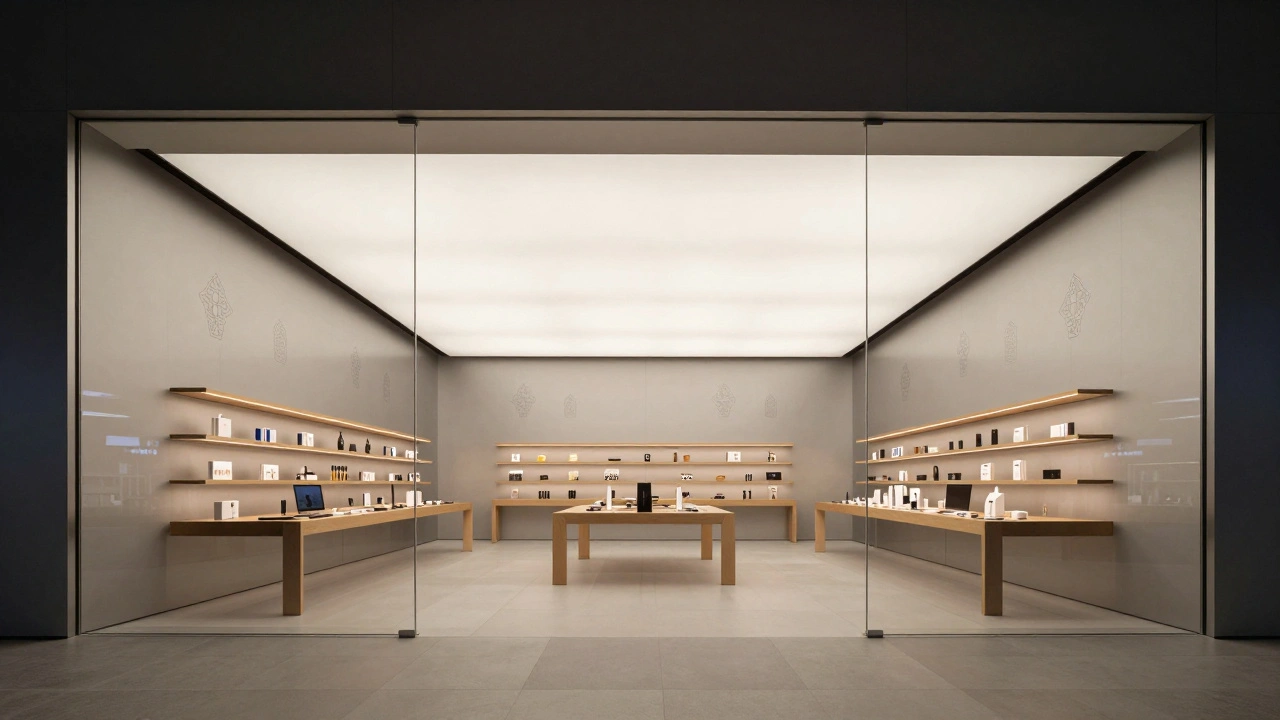
- Attention to Detail: Every aspect is meticulously crafted, from hardware precision to software smoothness. This extends beyond the device to packaging and retail store layouts.
These principles are not abstract ideals; they are practical tools used by curators to evaluate prototypes. When a new feature is proposed, it is measured against these standards. Does it simplify the experience? Does it show empathy for the user? Is the detail precise enough?
| Attribute | Apple's Curatorial Approach | Data-Driven Approach (e.g., Google) |
|---|---|---|
| Decision Driver | Taste, culture, and human judgment | A/B testing and engagement metrics |
| Validation Method | Internal expert review and prototyping | Live user data and statistical significance |
| Goal | Cohesive brand identity and user empathy | Optimization of specific performance indicators |
| Role of Designer | Curator and architect of experience | Implementer of data-backed changes |
| Risk Profile | High reliance on individual/talent quality | Low risk, incremental improvements |
Tangibly Shaping Strategy Through Prototypes
Maintaining taste at scale requires more than just guidelines; it requires tangible expression. Apple shapes its long-term product strategy through prototypes. These include mockups of products, spaces, apps, websites, and videos showing the whole user experience. These prototypes serve as concrete examples of the "intangible" principles mentioned earlier.
By creating high-fidelity prototypes early in the process, Apple establishes universal principles based on initial standards. This dual approach-combining concrete prototypical expression with abstract principle-based guidance-allows taste to be maintained across diverse product categories. Whether a team is designing a new watch strap or a new iOS animation, they refer back to these prototypes as the gold standard. This ensures that the "feel" of the product remains consistent, even if the technology changes.
The Challenge of Scaling Human Judgment
The sustainability of this approach depends on one critical factor: talent. Apple must continuously hire, train, and empower curators with sufficiently refined taste. As the company expands into new markets and product lines, the pressure to dilute quality increases. However, Apple resists this by keeping design central to its operations. From product development to marketing and retail, the belief that "design is how it works" permeates every aspect of the company.
This creates a culture where design is not a department but a mindset. Employees are expected to understand and uphold these curatorial standards. It is a demanding environment, but it is also what allows Apple to command premium prices and maintain fierce customer loyalty. In a world where technology becomes increasingly commoditized, taste remains Apple’s most valuable asset.
Why does Apple avoid A/B testing for design decisions?
Apple believes that A/B testing factors out taste and leads to incremental optimizations rather than breakthrough experiences. They prioritize human judgment, cultural sophistication, and cohesive brand identity over short-term metric improvements. This allows them to make bold choices that define trends rather than follow data.
What was the impact of the Snow White project on Apple's design?
The Snow White project, initiated by Hartmut Esslinger in 1982, created the first comprehensive design language for Apple. It established guidelines for shapes, materials, and symmetry that unified disparate product lines. This system allowed Apple to scale its brand identity coherently across computers, peripherals, and software.
What is the role of a Senior Content Curator at Apple?
A Senior Content Curator is responsible for maintaining exceptional taste and strategic instinct across Apple's portfolio. They anticipate visual trends and ensure that all content and designs align with the company's long-term aesthetic and experiential goals. This role acts as a gatekeeper for brand consistency.
How does Apple define "taste" in a business context?
Steve Jobs defined taste as the ability to think of original ideas and bring culture into products. For Apple, it is a core differentiator that involves making deliberate curatorial choices based on aesthetics, empathy, and simplicity, rather than relying solely on functional or data-driven metrics.
Can other companies replicate Apple's curatorial model?
Replicating this model is difficult because it requires a fundamental shift in corporate culture. Companies must prioritize human judgment over algorithmic efficiency, invest heavily in top-tier design talent, and integrate design principles into every level of operations, from engineering to retail. It is a high-risk, high-reward strategy that demands significant commitment.