
When Apple released the iBook in 1999, it wasn’t just another laptop. It was a statement. The company had spent the late '90s refining its identity after the chaotic years following Steve Jobs’ return, and the iBook became the physical proof that Apple could still innovate in hardware. Specifically, the iBook G3, with its translucent blue plastic shell, marked a turning point for portable computing. It moved away from the beige, boxy aesthetics of the era and embraced a form factor that felt personal, lightweight, and surprisingly modern.
The device didn’t just look different; it changed how users interacted with their machines. By integrating Bluetooth and Wi-Fi early on, Apple set the stage for the wireless-first future we live in today. This article explores why the iBook G3 mattered, how its design choices influenced subsequent generations of laptops, and what made it a pivotal moment in the history of consumer electronics.
Key Takeaways
- iBook G3 introduced the first mass-market laptop with built-in Bluetooth and Wi-Fi.
- Its translucent polycarbonate design broke away from standard beige computer aesthetics.
- The device prioritized portability and user experience over raw processing power.
- It established a template for Apple’s future focus on integrated, seamless hardware ecosystems.
A New Aesthetic for Personal Computing
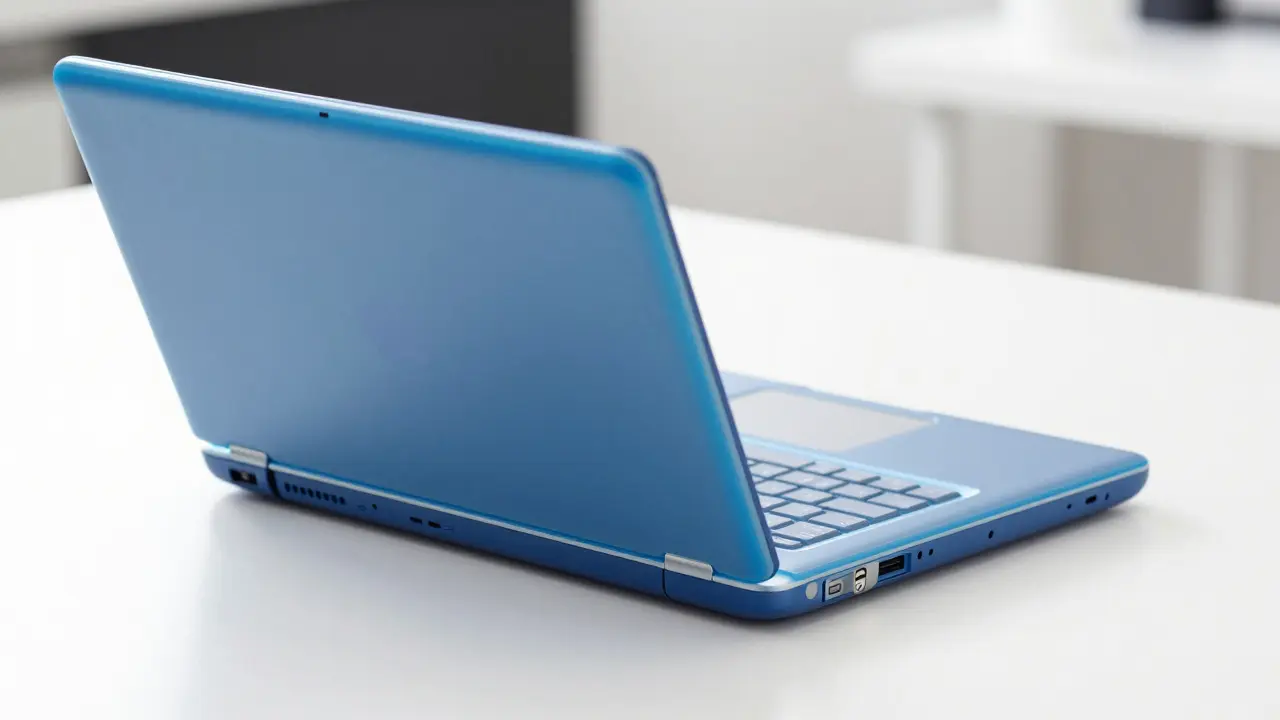
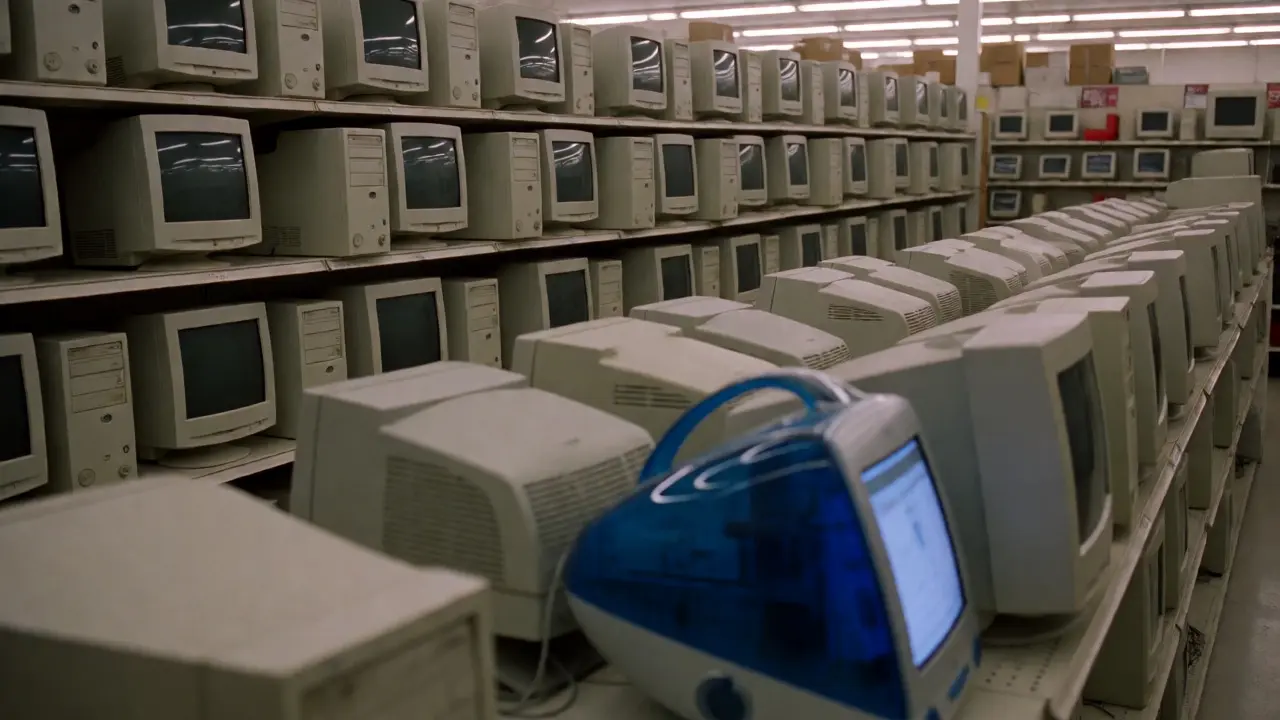
In the late 1990s, most laptops looked like shrunk-down desktop towers. They were heavy, often weighed more than five pounds, and featured dull gray or beige plastic casings. The PowerBook G3 series had already started moving toward better ergonomics, but the iBook took a bolder step. Designed by Jony Ive and his team at Apple, the iBook featured a clamshell design with a distinctive blue, semi-transparent lid. This wasn’t just a color choice; it was a psychological one. The translucency hinted at the technology inside, making the machine feel less like an industrial appliance and more like a personal accessory.
This shift in industrial design was crucial. Before the iBook, computers were tools you used to get work done. After the iBook, they began to be objects you wanted to carry around. The hinge mechanism was also redesigned to allow the screen to open wider, improving visibility when placed on uneven surfaces like beds or sofas. These small details signaled a new era where the user’s lifestyle dictated the product’s form, not the other way around.
Wireless Connectivity Goes Mainstream
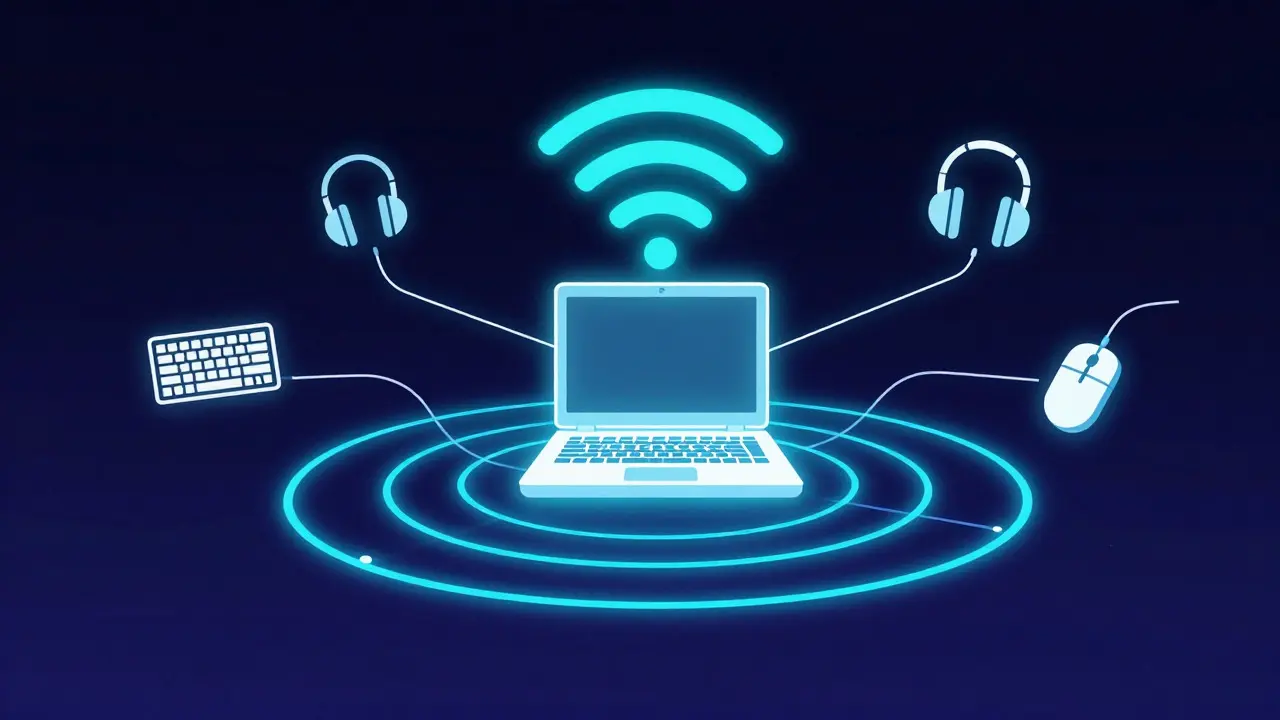
Perhaps the most significant legacy of the iBook G3 is its role in normalizing wireless connectivity. While IEEE 802.11b (commonly known as Wi-Fi) existed before 1999, it was rare in consumer laptops. Most users still relied on Ethernet cables or dial-up modems. The iBook G3 was among the first mainstream notebooks to include both Wi-Fi and Bluetooth as standard features. This decision reduced clutter-no more tangled cords-and expanded the range where users could stay connected.
Bluetooth integration allowed for easy pairing with headsets, mice, and keyboards without the need for infrared ports or serial cables. For students and professionals who traveled frequently, this meant a smoother workflow. You could sit in a café, connect to the local network wirelessly, and sync your devices instantly. This "wireless first" approach laid the groundwork for the tablet and smartphone ecosystems that would dominate the next decade. Apple understood that convenience drives adoption, and by baking these technologies into the chassis, they removed friction from the user experience.
Hardware Specifications and Performance Context
To understand the iBook G3’s impact, it helps to look at its specifications relative to its time. Launched in May 1999, the initial model featured a 300 MHz PowerPC G3 processor. Later models in 2000 upgraded this to 400 MHz and even 500 MHz variants. While these speeds sound slow by 2026 standards, they were competitive for web browsing, document editing, and basic media consumption. The system included 64 MB to 128 MB of RAM, which was standard for the era, and a 10-inch TFT display with a resolution of 768x552 pixels.
| Feature | iBook G3 (1999) | Typical Competitor Laptop |
|---|---|---|
| Processor | PowerPC G3 (300-500 MHz) | Pentium III (400-600 MHz) |
| Connectivity | Built-in Wi-Fi & Bluetooth | Ethernet only, optional PCMCIA cards |
| Weight | Approx. 4.4 lbs | Approx. 6-8 lbs |
| Material | Translucent Polycarbonate | Opaque ABS Plastic |
| OS Integration | Mac OS 9 (Tiger later) | Windows 98/Me |
The operating system, Mac OS 9, played a vital role in this experience. It was lightweight and responsive, allowing the lower-powered hardware to feel snappy. The software ecosystem was tightly controlled, ensuring that drivers for the wireless cards worked seamlessly out of the box. This level of integration was a stark contrast to the Windows market, where users often had to troubleshoot driver conflicts for new hardware. For many users, this reliability was worth the premium price tag.
The Role of Jony Ive and Industrial Design Philosophy
Jony Ive’s influence on the iBook cannot be overstated. His design philosophy centered on reducing visual noise and focusing on essential functions. The iBook’s keyboard was recessed slightly, protecting keys from spills, and the trackpad was larger and more precise than previous iterations. Even the placement of the power button and indicator lights was considered carefully to avoid accidental presses.
This attention to detail extended to the packaging and accessories. The iBook came with a white fabric carrying bag and a matching white power adapter, reinforcing the clean, minimalist aesthetic. This holistic approach to design-where every touchpoint, from the box to the boot screen, was curated-became a hallmark of Apple’s brand identity. It taught consumers that a computer could be an object of desire, not just a utility. This mindset directly influenced the design of the iPod, iPhone, and MacBook lines that followed.

Legacy and Impact on Modern Portable Devices
The iBook G3 may seem quaint today, but its innovations are embedded in every modern laptop. The expectation of built-in Wi-Fi and Bluetooth is now so standard that users rarely think about them. The emphasis on thinness and weight reduction started here, evolving into the ultrabook category of the 2010s. Furthermore, the use of colorful, durable plastics paved the way for the varied color options seen in modern consumer electronics, from Chromebooks to iPads.
From a business perspective, the iBook proved that Apple could successfully compete in the notebook market against giants like Dell, HP, and Compaq. It captured a loyal customer base, particularly among educators and creative professionals, who valued the stability and design of the Mac platform. This success provided the capital and confidence for Apple to invest heavily in R&D, leading to the development of the PowerBook G4 with its iconic aluminum unibody design in 2003.
Frequently Asked Questions
Was the iBook G3 the first laptop with Bluetooth?
While not the absolute first ever to have Bluetooth, the iBook G3 was one of the first mass-market laptops to include it as a standard feature rather than an option. This helped popularize the technology for everyday consumers.
What was the significance of the translucent blue color?
The translucent blue color was a deliberate design choice to differentiate the iBook from the beige computers of the time. It signaled a shift toward personal expression and made the device feel lighter and more approachable, appealing to a broader demographic including students.
How did the iBook G3 compare to Windows laptops of the same era?
Windows laptops generally offered higher raw processing power due to Intel Pentium processors, but they were heavier and less integrated. The iBook offered superior build quality, better battery life management, and seamless wireless connectivity, trading some speed for usability and design.
Did the iBook G3 support external monitors?
Yes, the iBook G3 featured a Mini-DVI port, which allowed users to connect to external CRT or LCD monitors using an appropriate adapter. This was useful for users who needed a larger workspace while retaining the portability of the laptop.
Why is the iBook considered a milestone in design history?
The iBook is considered a milestone because it shifted the focus of laptop design from pure performance to user experience. By prioritizing aesthetics, weight, and wireless connectivity, it defined the template for modern consumer electronics, influencing products far beyond the computer industry.

Categories
Popular Articles