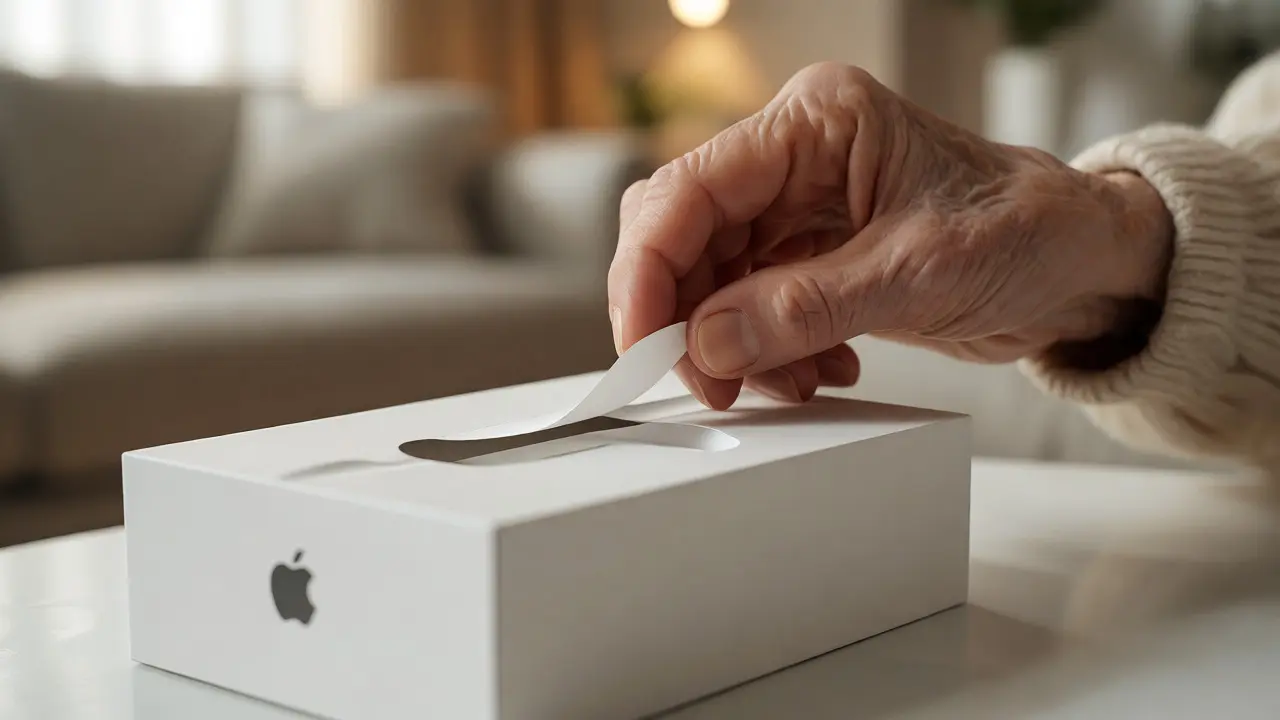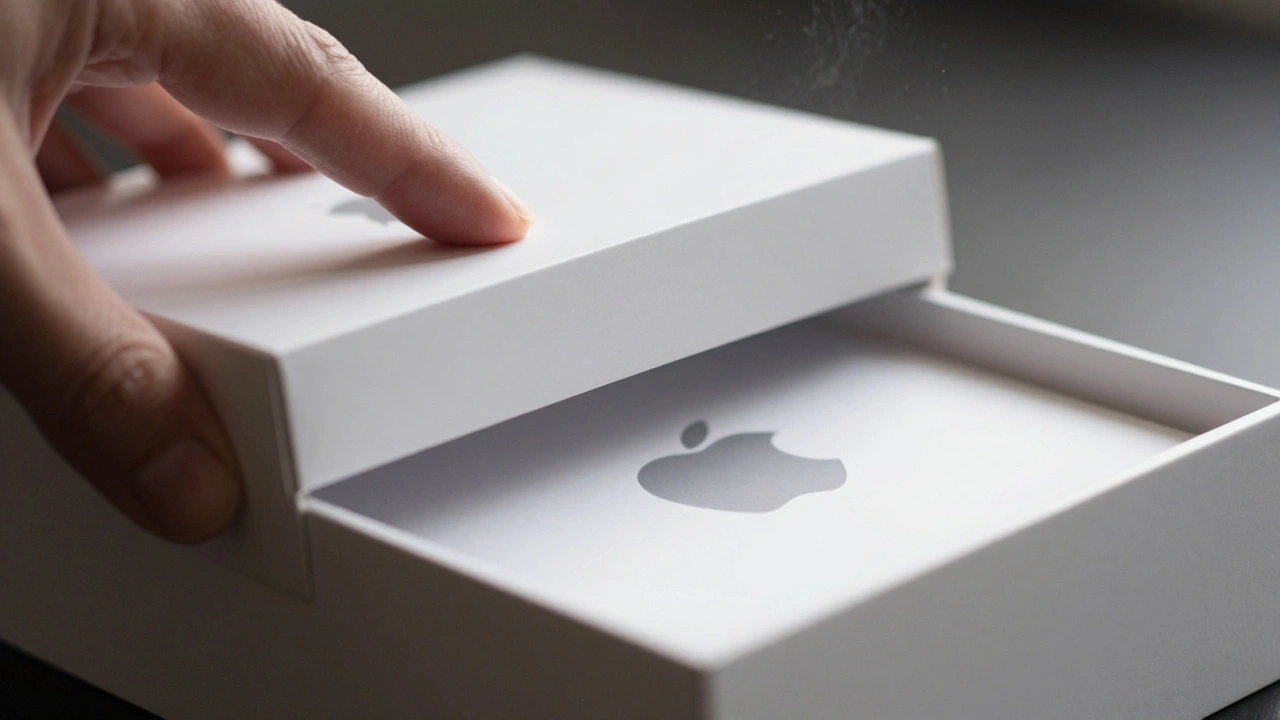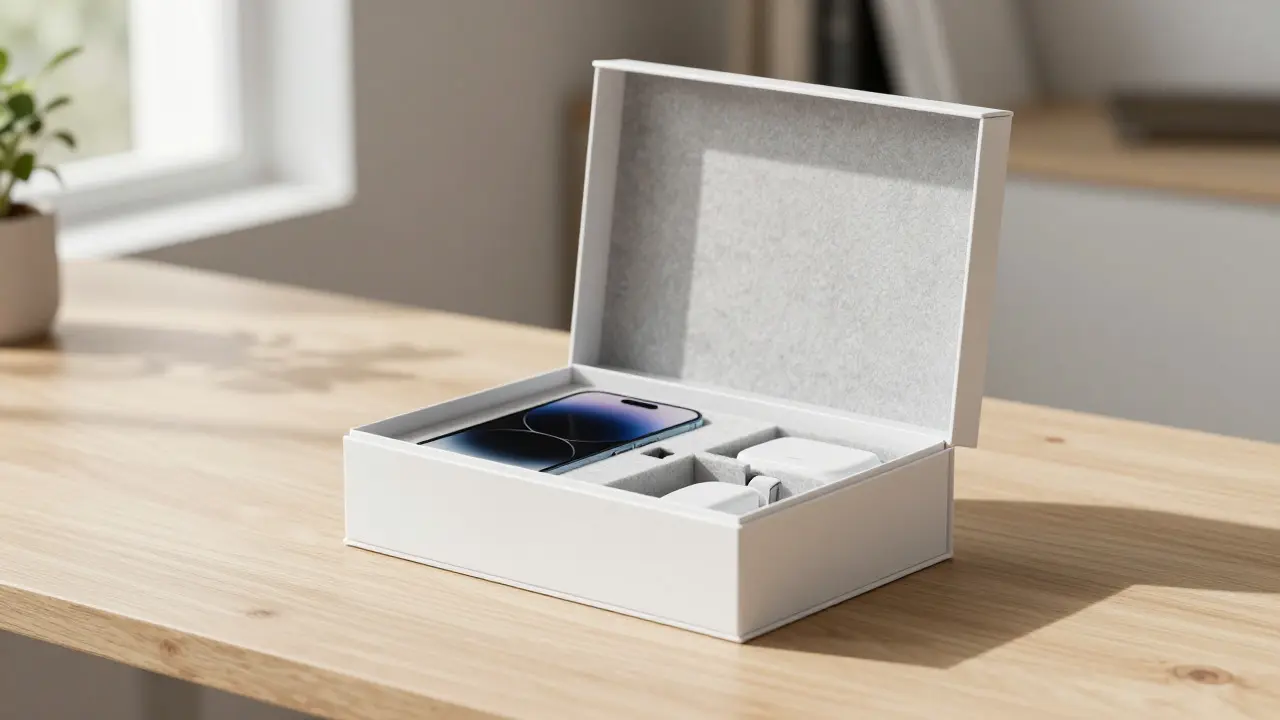

Think about the last time you unboxed an iPhone. Did you throw the box straight into the recycling bin, or did it find a second life in your junk drawer? For years, Apple is a technology company known for its minimalist aesthetic and premium user experience, which includes its iconic white boxes with crisp typography. But there’s a shift happening. Consumers are tired of single-use waste, and brands are realizing that the packaging itself can be part of the product value proposition. Designing for repeat use isn’t just a sustainability trend; it’s a functional upgrade to how we interact with our devices.
The core problem with traditional electronics packaging is the disconnect between protection and utility. A box must survive shipping, protect delicate components, and then serve as a display piece for seconds before becoming trash. When you redesign this flow, you change the user journey entirely. Instead of discarding the container, you integrate it into the daily routine. This approach requires balancing structural integrity, material choice, and aesthetic appeal in a way that feels natural, not forced.
Why Single-Use Packaging Fails the Modern User
Single-use packaging is a type of packaging designed to be used once and discarded. In the context of consumer electronics, this usually means corrugated cardboard filled with molded pulp or plastic trays. The issue isn't just environmental-it's experiential. Once the device is out, the box loses its purpose. It takes up space, looks generic, and often gets crushed under heavier items in storage bins.
Users don't want more clutter. They want solutions. When a package becomes useless after unboxing, it signals a lack of foresight in design. By contrast, packaging that transitions from protector to organizer creates a sense of continuity. It tells the user that the brand understands their lifestyle. This is where the concept of circular economy is an economic system aimed at eliminating waste and the continual use of resources comes into play. If the box stays in the home, it reduces the need for separate storage containers, effectively closing the loop on one part of the consumption cycle.
Structural Design: From Protection to Organization
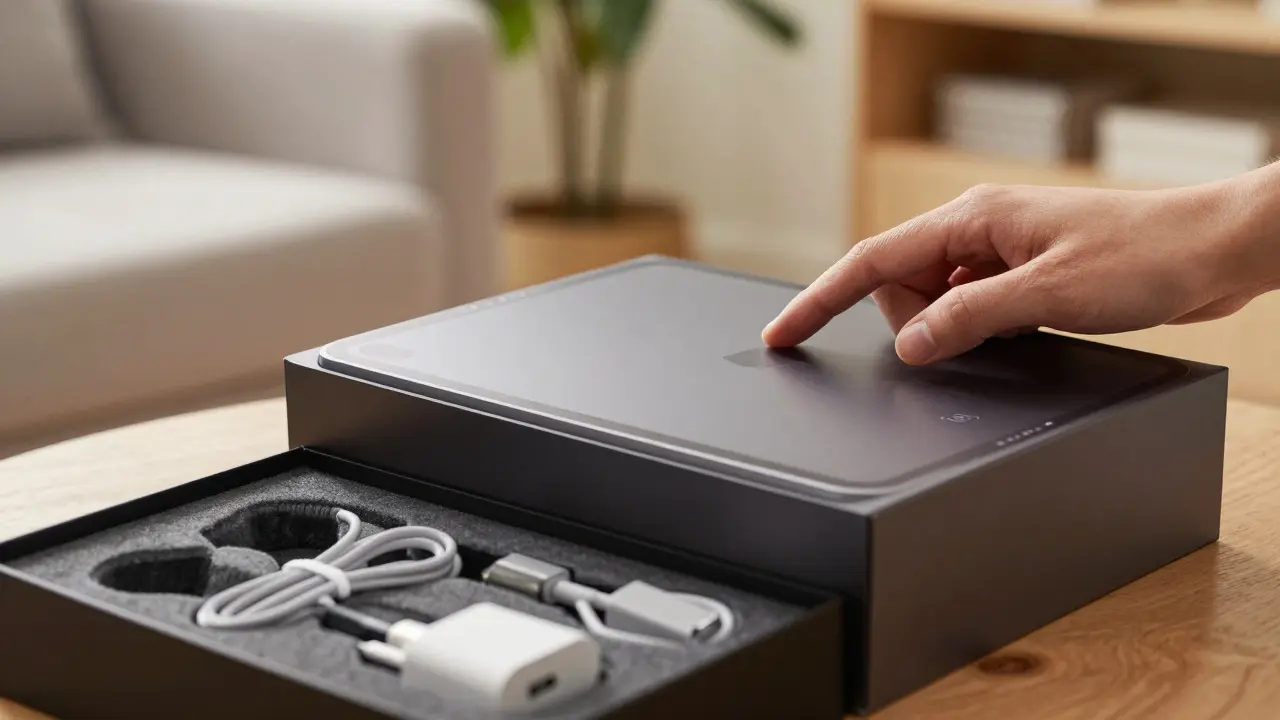
To make a box reusable, the structure has to evolve. Standard shipping boxes rely on flutes for cushioning, but these degrade quickly when exposed to humidity or repeated handling. For repeat use, designers often turn to rigid paperboard or high-density fiberboard. These materials hold their shape better over time. The key is creating internal compartments that aren't just for the main device but for accessories like chargers, cables, and cases.
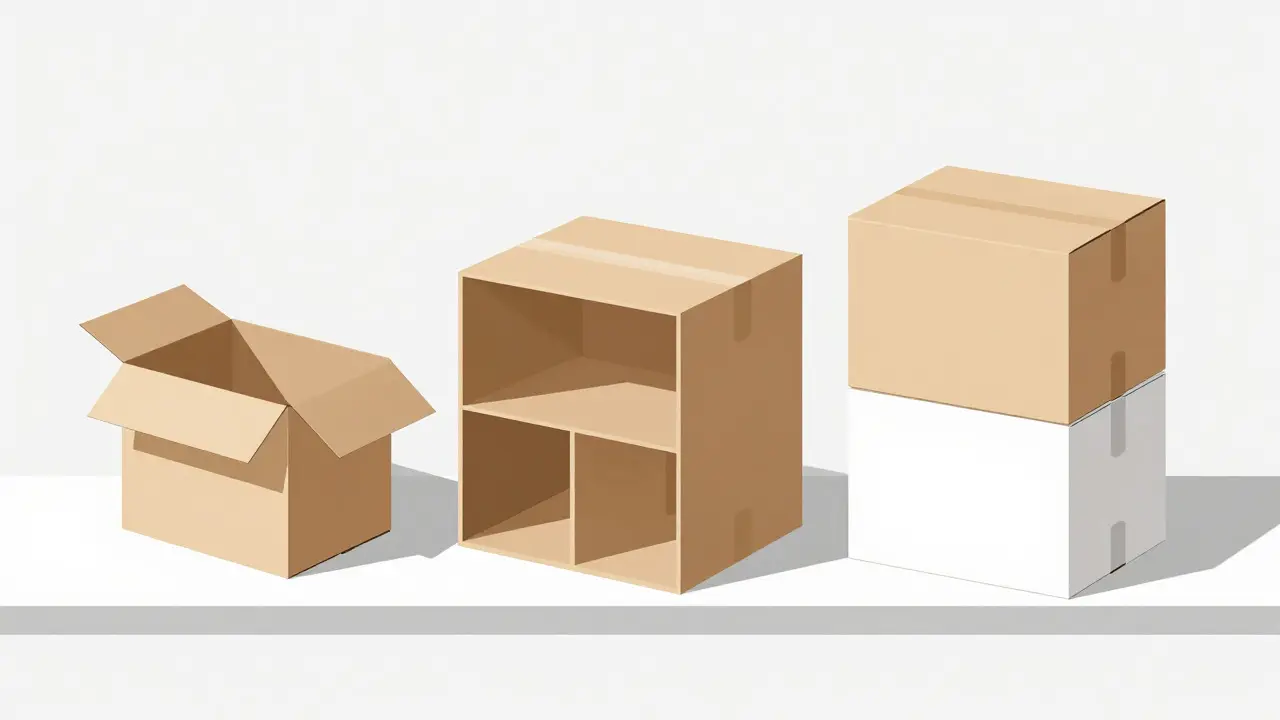
Consider the geometry. A flat-bottom box is easy to ship but hard to store if it doesn't stack well. A collapsible design might save space during transport but adds complexity for the user. The sweet spot is often a modular system. Imagine a box that unfolds flat for shipping but locks into a sturdy cube or rectangular prism for storage. The internal dividers should be removable or adjustable. Why? Because users buy different accessories over time. A fixed slot for a specific cable size is too restrictive. Flexible partitions allow the box to adapt as the user's ecosystem grows.
- Rigid Core: Use thick, durable board to prevent warping.
- Modular Inserts: Create interchangeable foam or felt pads for different device sizes.
- Stackability: Design corners and edges so multiple units can stack without crushing each other.
- Accessibility: Ensure openings are large enough to remove devices without tearing the structure.
Material Choices That Last
Material selection is critical for longevity. Corrugated cardboard is cheap and recyclable, but it lacks the tactile quality that justifies keeping it around. Users keep things that feel good to touch. This is why many premium brands are experimenting with recycled kraft paper combined with soft-touch laminates. The exterior needs to withstand scratches from being moved around a desk or shelf.
Inside the box, the cushioning material matters even more. Plastic egg cartons are lightweight but create microplastic concerns and feel cheap. Molded pulp is better for the environment but can crumble. High-quality felt or recycled foam offers a balance of protection and aesthetics. Felt, in particular, has a luxurious feel that aligns with the premium positioning of devices like iPads or MacBooks. It also absorbs sound, reducing the noise when the box is opened or closed repeatedly.
| Material | Durability | Aesthetic Appeal | Environmental Impact | Best Use Case |
|---|---|---|---|---|
| Corrugated Cardboard | Low (degrades fast) | Low | Highly Recyclable | Short-term storage only |
| Rigid Paperboard | Medium-High | Medium | Recyclable | General accessory storage |
| Molded Pulp | Medium | Low-Medium | Biodegradable | Initial protection, not long-term |
| Recycled Felt | High | High | Upcycled Material | Premium accessory organization |
| High-Density Fiberboard | Very High | Medium | Recyclable | Heavy-duty device protection |
The Role of Branding in Perceived Value
If the box is going to sit on a desk for months, the branding has to work harder than a logo slapped on the side. Visual identity plays a huge role in whether a user keeps the packaging. A clean, minimal design with subtle branding cues feels intentional. Loud graphics or excessive text can make the box look like disposable trash. Think of it as a piece of furniture, not a wrapper.
Typography and color palettes should match the device's interface or the brand's broader visual language. For example, using the same sans-serif fonts found in the operating system creates a subconscious link between the hardware and the software experience. This cohesion reinforces the idea that the packaging is an extension of the product, not an afterthought. Additionally, adding functional elements like pen loops, label holders, or QR codes linking to setup guides can increase utility. Every feature should have a reason to exist.
Challenges in Scaling Reusable Packaging
Designing a prototype is easy; manufacturing it at scale is another story. Cost is the biggest hurdle. Reusable packaging typically costs 15-30% more upfront due to higher-grade materials and complex assembly processes. Brands need to justify this cost through perceived value or subscription models. Some companies offer a deposit-back scheme where customers return the box for a refund, ensuring the material stays in circulation.
Logistics also get complicated. Heavier, sturdier boxes mean higher shipping weights. To offset this, designers often optimize the void fill space, ensuring the box is as compact as possible while still providing protection. Digital integration can help here too. By moving manuals and warranty cards to digital formats, physical weight is reduced. This allows the budget to be allocated toward better physical materials instead of printing thousands of paper leaflets that end up in the bin anyway.
Real-World Examples and Trends
We’re seeing early adopters move in this direction. While major tech giants still dominate with single-use boxes, niche brands and accessory manufacturers are leading the charge. Look at how some headphone makers design their cases to double as travel pouches. Or consider how certain smart home devices come in boxes that transform into wall mounts. These examples show that the boundary between packaging and product is blurring.
The trend is moving toward "unboxing as a ritual." Users film their unboxings for social media, which means the packaging needs to look good on camera. A sleek, reusable box provides a consistent backdrop for content creation, turning the customer into a marketer. This symbiotic relationship benefits both the brand and the user. The box becomes a prop, a tool, and a statement of values all at once.
Practical Tips for Designers
If you're tasked with designing packaging for repeat use, start with the user's shelf space. Measure average desk dimensions and common storage areas. Your design should fit naturally into these spaces without requiring special accommodations. Next, test the durability. Drop-test the assembled box, not just the device inside. The box needs to survive the transition from warehouse to living room.
- Prototype Early: Test with real users to see if they actually keep the box.
- Minimize Components: Fewer parts mean less chance of losing pieces and easier assembly.
- Focus on Tactility: Choose materials that feel premium to the touch.
- Plan for Disassembly: Make it easy to take apart for recycling when it finally wears out.
- Integrate Digital: Use NFC tags or QR codes for manual access to reduce paper waste.
Finally, remember that sustainability isn't just about materials-it's about behavior. If the design encourages reuse, the environmental impact drops significantly. You're not just selling a device; you're selling a habit. And habits stick around much longer than products do.
Is reusable packaging always more expensive?
Yes, initially. Upfront costs are higher due to better materials and construction. However, if the packaging doubles as a storage solution, it reduces the need for customers to buy separate organizers, potentially increasing overall customer satisfaction and brand loyalty.
What materials are best for protecting electronics in a reusable box?
Rigid paperboard or high-density fiberboard for the shell, combined with recycled felt or high-quality molded pulp for internal cushioning. These materials offer a balance of durability, aesthetics, and environmental responsibility.
How can I ensure users actually keep the box?
Design for utility. Include features like modular compartments, pen loops, or label holders. Make the box aesthetically pleasing enough to display and functionally useful enough to organize. If it solves a problem, users will keep it.
Does reusable packaging affect shipping costs?
It can increase shipping weight slightly. To mitigate this, optimize the box dimensions to minimize air volume and use digital manuals to reduce paper weight. The trade-off is often worth it for the enhanced brand experience.
What is the lifespan of a well-designed reusable packaging unit?
With proper care, a rigid paperboard or fiberboard box can last 3-5 years of regular use. Felt inserts may wear down faster but can often be replaced, extending the life of the main structure.