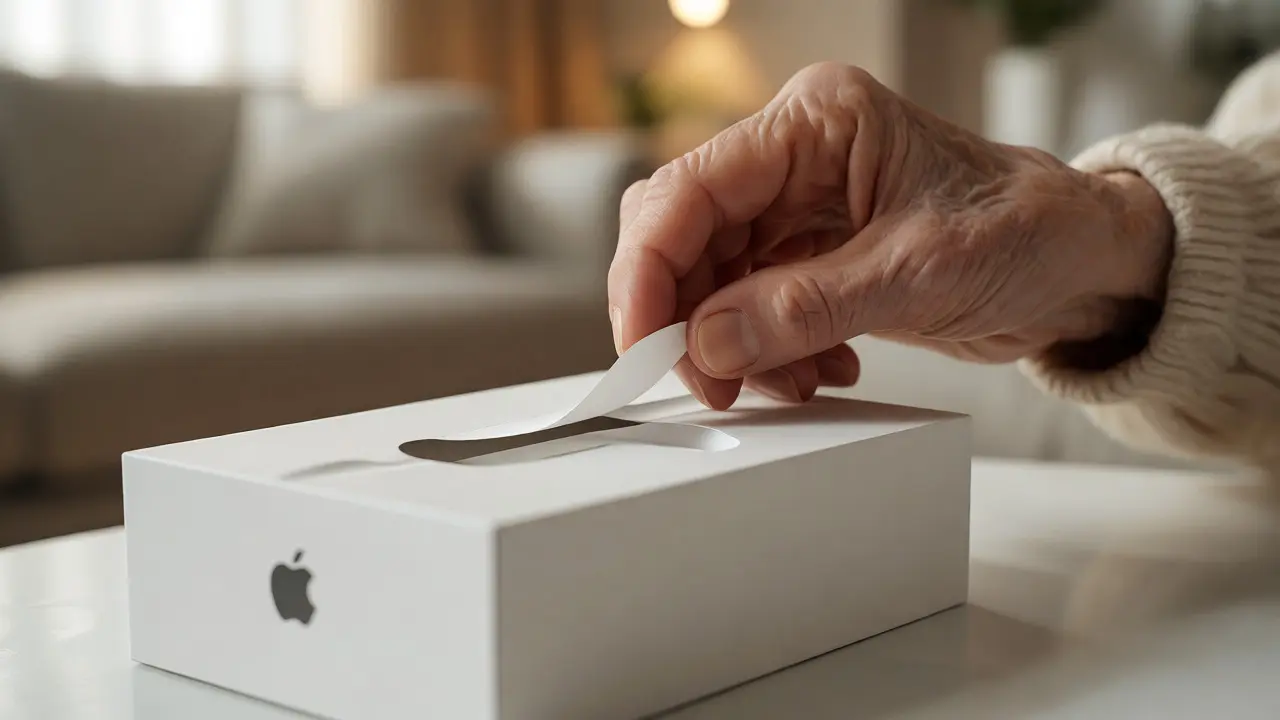

You know that moment when you finally get a new iPhone or MacBook out of the box? You pull the tab, lift the lid, and it just... works. No tearing, no struggling with plastic clamshells, no scissors required. For most people, this is just satisfying. But for millions of others-people with arthritis, limited grip strength, visual impairments, or motor disabilities-this specific type of Apple packaging is a game-changer. It’s not just about unboxing aesthetics; it’s about dignity and independence.
We often talk about accessibility in terms of software-screen readers, voice control, high contrast modes. But what about the physical barrier between you and your device? If you can’t open the box, you can’t use the product. Apple has quietly become one of the biggest advocates for accessible packaging, moving away from glued-on plastic blisters to paper-based, tool-free solutions. Let’s look at how they did it, why it matters, and what other brands should learn from their approach.
The Shift from Plastic Blisters to Paper Tabs
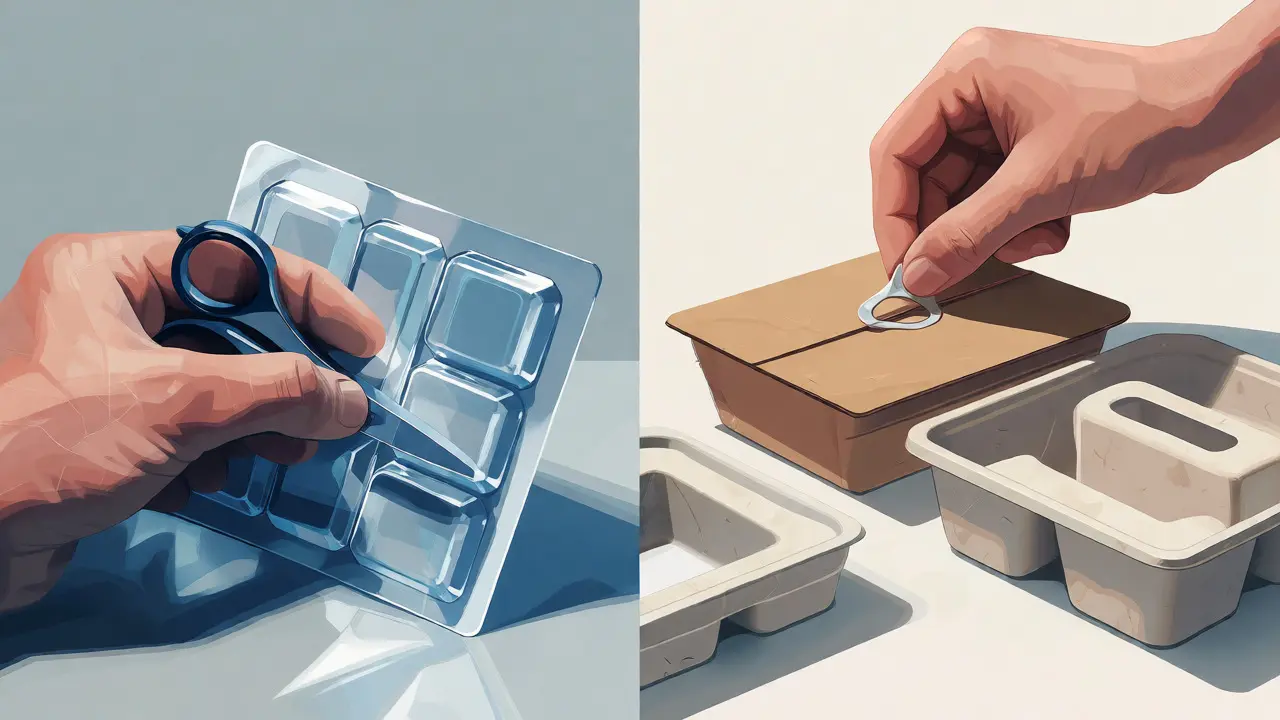
Remember the old days of buying electronics? You’d walk out of the store with a bulky package encased in hard plastic. To open it, you needed heavy-duty scissors or a knife. And if you had weak hands? Good luck. That thick plastic blister pack was a fortress. Apple started phasing these out years ago, but the real revolution happened when they committed to removing all plastic from their primary packaging by 2025.
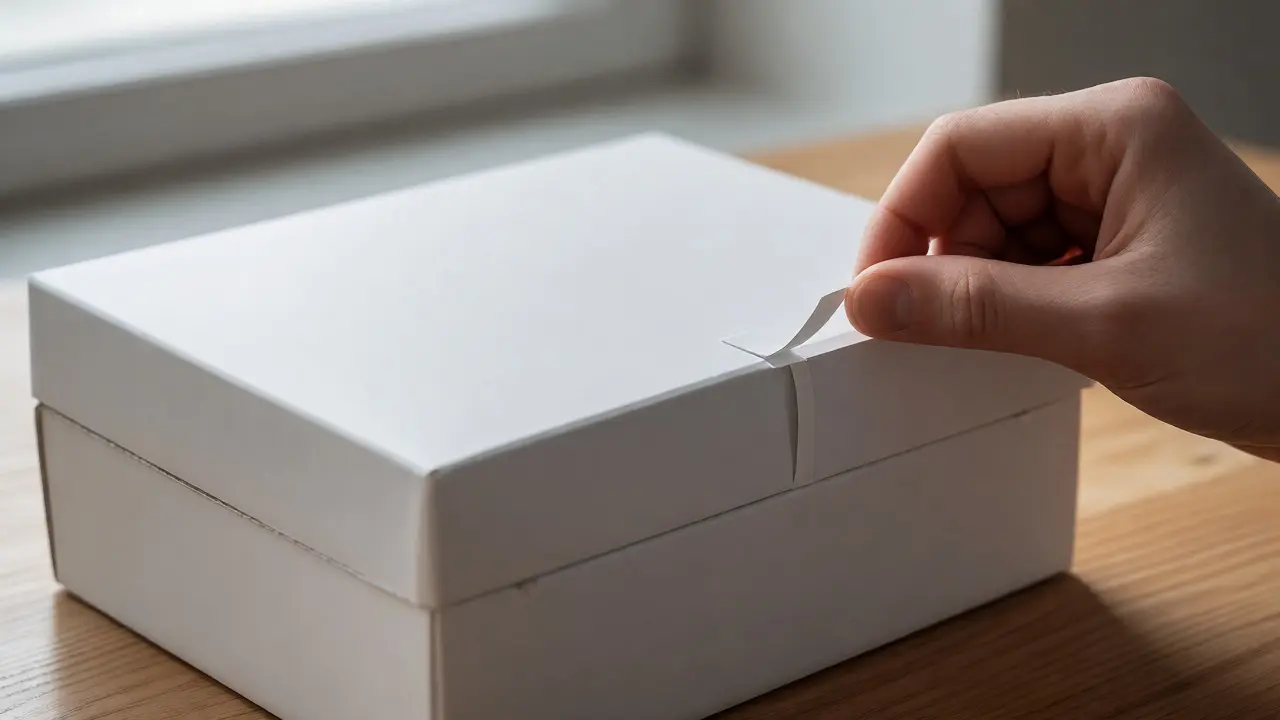
This wasn’t just an environmental move. By switching to molded fiber trays and paperboard boxes, Apple created opportunities for structural changes that aid accessibility. The key innovation here is the pull-tab mechanism. Instead of prying a lid off, users pull a simple tab. This requires minimal force and doesn’t demand fine motor skills like gripping a small edge and lifting against suction.
For someone with rheumatoid arthritis, pulling a tab is manageable. Prying open a tight-fitting plastic case might be impossible without pain or assistance. Apple’s design team worked closely with disability advocates to test these mechanisms. They didn’t just guess; they tested with real users who have varying levels of dexterity. The result is a system where the opening force is significantly lower than industry standards.
Why "Tool-Free" Is More Than Just a Buzzword
When we say "tool-free," we mean you don’t need extra equipment to access the product. This sounds obvious, but consider the alternative. Many competitors still use security seals that require cutting. Or they use twist-ties that are hard to untwist with numb fingers. Apple’s approach ensures that the packaging opens intuitively.
Here’s the breakdown of why this matters for different groups:
- Motor Disabilities: People with conditions like cerebral palsy or muscular dystrophy benefit from large, easy-to-grasp tabs rather than small, slippery edges.
- Visual Impairments: While blind users rely on tactile cues, Apple’s consistent structure means the location of the opening tab is predictable across devices. Once you learn where it is on an iPhone box, you know where it is on an iPad box.
- Elderly Users: As we age, grip strength naturally declines. A simple pull action is far easier than a twisting or prying motion.
- Cognitive Load: Complex packaging requires problem-solving before you even get to the product. Simple packaging reduces frustration and cognitive load, making the experience smoother for everyone.
It’s worth noting that Apple isn’t alone in this trend, but they set the pace. Their scale means that when they change a material or a mechanism, suppliers everywhere follow suit. This drives down costs for accessible materials, making them more available to smaller brands too.
Inside the Box: Layered Accessibility
Opening the outer box is step one. What happens next? Apple’s internal packaging strategy focuses on organization and ease of removal. Inside the box, components are nestled in molded fiber trays. These trays are designed so that each item sits in its own well. You don’t have to dig through tangled cables or loose accessories to find what you need.
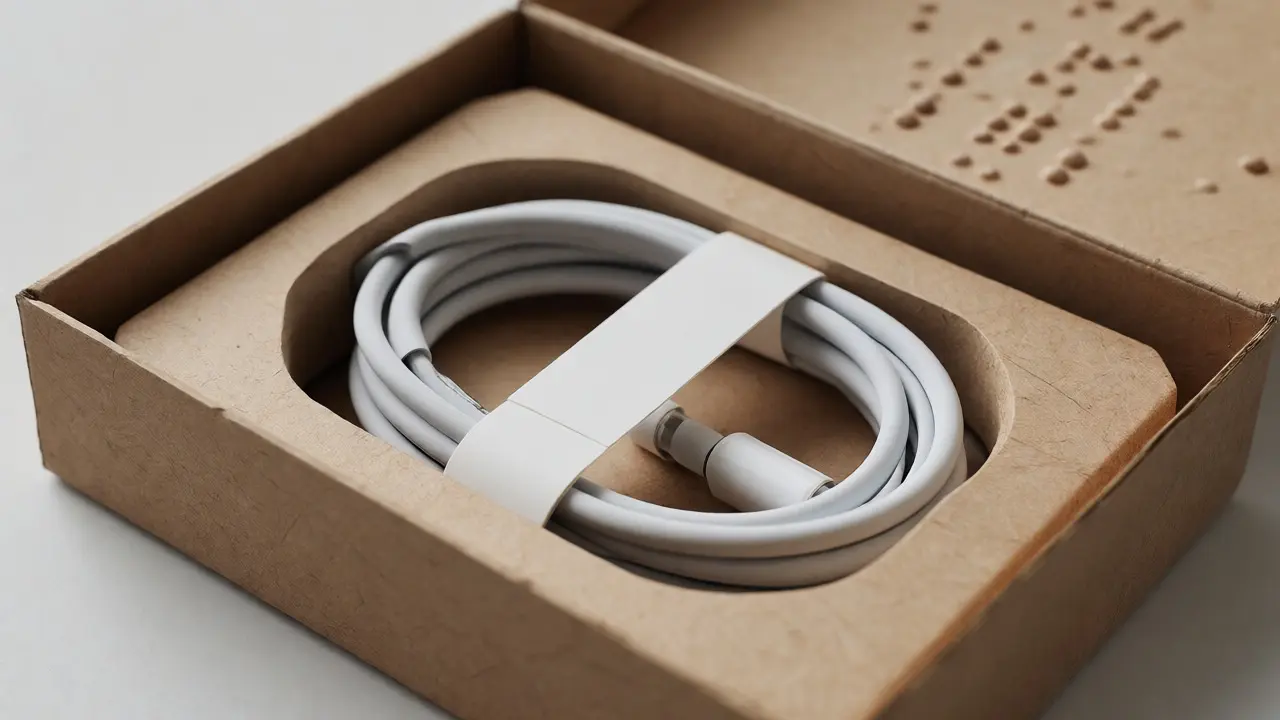
Take the charging cable, for example. In older designs, cables were often coiled tightly with plastic ties. Now, they’re loosely coiled and secured with paper bands or simply placed in dedicated slots. This prevents tangling and makes it easy to grab the connector without fumbling.
Another critical aspect is labeling. Apple uses Braille on many of their product boxes, particularly for higher-end devices. This allows visually impaired users to identify which product is inside without needing someone else to read the label. Furthermore, the texture of the packaging itself provides clues. The matte finish of the paperboard feels different from the smooth plastic of competitors, offering a tactile distinction.
| Feature | Traditional Packaging | Apple's Accessible Approach |
|---|---|---|
| Opening Mechanism | Plastic blister, glue, or twist-tie | Paper pull-tab or perforated strip |
| Required Tools | Scissors, knife, or pliers | None (hands only) |
| Force Required | High (prying/twisting) | Low (pulling/lifting) |
| Material | Polyethylene terephthalate (PET) plastic | Molded fiber and recycled paperboard |
| Tactile Feedback | Smooth, uniform plastic surface | Textured paper, distinct compartments |
The Sustainability Connection
You might think that making packaging easier to open would make it weaker or more expensive. Actually, the opposite is true in many cases. The shift to fiber-based materials serves two goals at once: sustainability and accessibility.
Fiber trays are rigid enough to protect the device during shipping but soft enough to allow for easy release mechanisms. Unlike plastic, which can crack or shatter under stress, fiber absorbs impact. This durability means the packaging doesn’t need excessive reinforcement, keeping the weight down and the opening process simple.
Moreover, recycling accessible packaging is easier for people with disabilities. You don’t need to separate mixed materials (like peeling plastic film off cardboard). The entire box goes into the recycling bin. This reduces the post-consumer burden, which is often overlooked in discussions about eco-friendly design.
Apple reports that their current packaging is 100% fiber-based and free of plastic wrap. This standardization simplifies the user experience because there’s no ambiguity about what needs to be discarded and what needs to be kept. For users with cognitive disabilities, clear, single-stream disposal instructions reduce anxiety and error.
Lessons for Other Brands
If you’re a designer or product manager, what can you take away from Apple’s playbook? First, involve users with disabilities early in the design process. Don’t wait until the prototype stage to ask, "Can this person open this?" Test with individuals who have various mobility limitations.
Second, prioritize universal design principles. An easy-open tab helps a person with arthritis today, but it also helps a parent holding a baby with one hand tomorrow. Designing for extreme cases often improves the experience for the average user.
Third, look at the entire lifecycle. Accessibility isn’t just about opening the box. It’s about reading the manual, finding the warranty card, and disposing of the waste. Small touches, like larger font sizes on instruction sheets or high-contrast printing, add up.
Finally, communicate your efforts. Apple doesn’t always shout about their packaging accessibility in marketing campaigns, but they do highlight it in technical specifications and sustainability reports. Brands should make sure consumers know that their products are designed to be usable by everyone, regardless of ability.
Beyond the Box: The Broader Impact
While Apple leads the charge, the industry is slowly catching up. Companies like Microsoft and Samsung have begun adopting similar paper-based solutions, though implementation varies. The challenge for smaller brands is cost. Custom molds for fiber trays are expensive. However, as demand grows, economies of scale kick in. We’re already seeing more generic, accessible packaging options becoming available for small businesses.
There’s also a regulatory push. Governments in Europe and North America are increasingly mandating clearer labeling and reduced packaging waste. These regulations often align with accessibility goals, creating a favorable environment for change.
Ultimately, packaging is the first interaction a customer has with a brand. If that interaction is frustrating or exclusionary, it sets a negative tone. If it’s seamless and empowering, it builds trust. Apple understands that technology should serve everyone, and that starts with the box it comes in.
Frequently Asked Questions
Does Apple packaging really require no tools?
Yes, for most recent Apple products, the primary packaging is designed to be opened by hand using pull-tabs or perforated strips. You do not need scissors, knives, or other tools to access the device or its accessories.
Is Apple packaging suitable for people with visual impairments?
Apple incorporates Braille labels on many product boxes to help visually impaired users identify contents. Additionally, the consistent structure and tactile differences between materials (such as textured paper versus smooth inserts) provide sensory cues that aid in navigation and identification.
How does accessible packaging benefit people with arthritis?
People with arthritis often struggle with fine motor tasks and grip strength. Apple’s pull-tab mechanism requires a simple pulling motion rather than the complex twisting or prying actions needed for traditional plastic blister packs. This reduces strain on joints and makes independent unboxing possible.
Are there any downsides to Apple's accessible packaging?
Some users note that paper-based packaging can be less durable in wet conditions compared to plastic. However, the trade-off is generally considered positive due to the improved ease of opening and environmental benefits. Also, some collectors prefer the sleek look of plastic, but this is an aesthetic preference rather than a functional drawback.
Do other tech companies use similar accessible packaging?
Increasingly, yes. Major competitors like Microsoft and Samsung are transitioning toward fiber-based, tool-free packaging. However, Apple has been a pioneer in standardizing this approach across its entire product line, setting a benchmark for the industry.