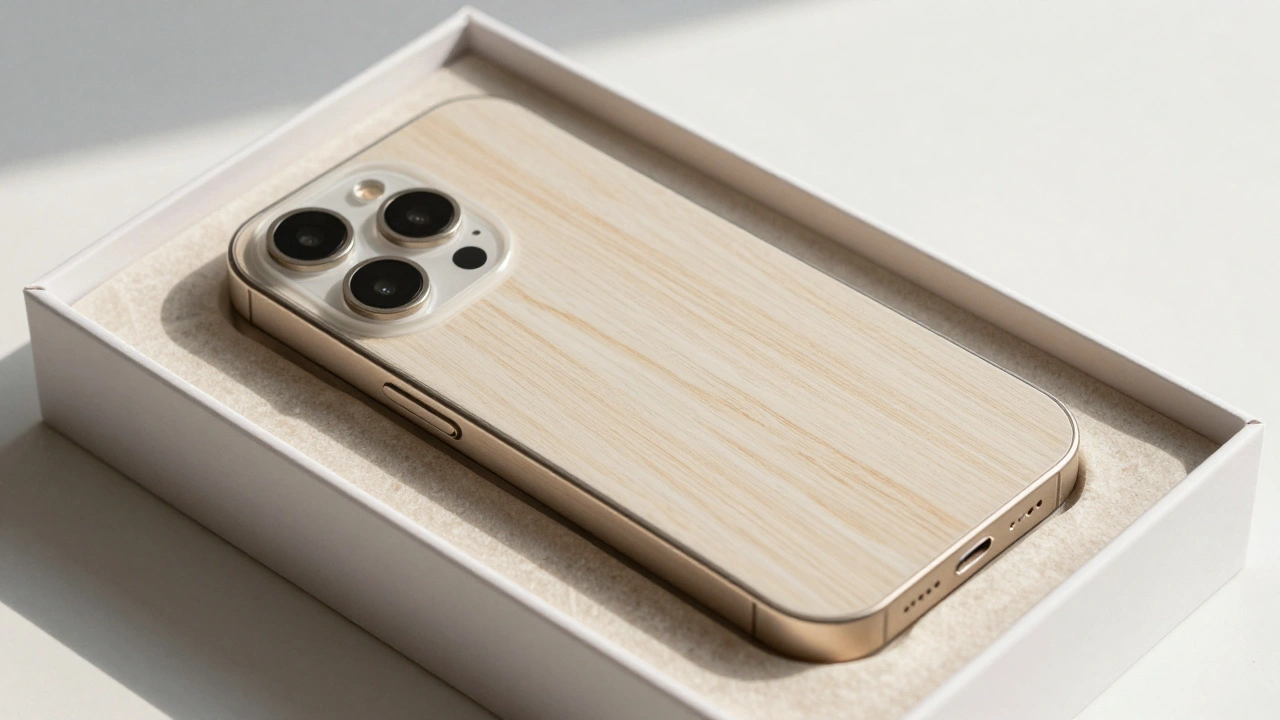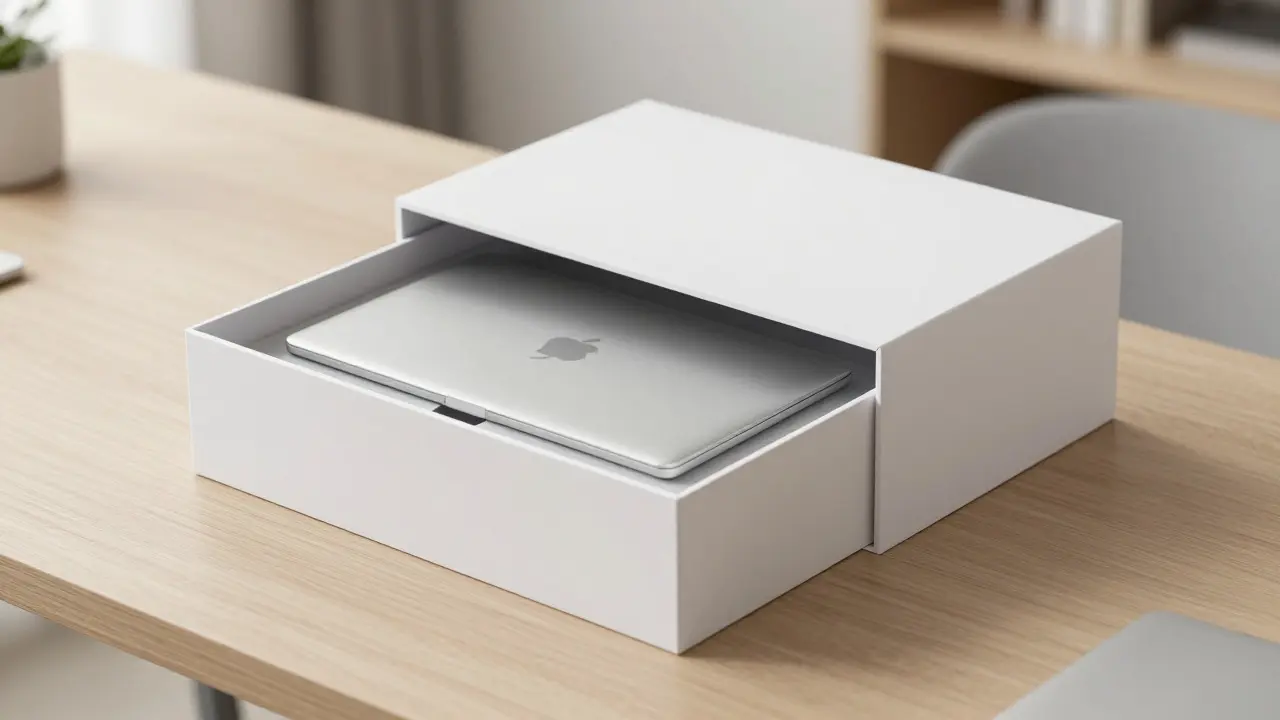

Most of us have a drawer full of white cardboard rectangles. They look clean, they feel sturdy, but after you unbox your new iPhone or MacBook, the box usually ends up in the recycling bin. Why? Because for decades, packaging design is the physical interface between a product and its user, serving both protective and communicative functions was treated as a single-use event. But that mindset is shifting. Today’s consumers don’t just want protection during transit; they want utility after purchase. This is where the concept of designing for repeat use comes in, specifically for high-value electronics like those from Apple.
The core problem isn't just waste-it's missed value. A well-designed box can become a shelf organizer, a travel case, or a desk accessory. If we treat the packaging as part of the product lifecycle rather than a temporary wrapper, we reduce environmental impact while increasing customer satisfaction. Let’s look at how to engineer this shift without compromising the premium feel users expect.
Why Single-Use Packaging Fails Modern Consumers
Traditional retail packaging follows a linear model: manufacture, ship, open, discard. For low-cost items, this makes sense. But for devices costing hundreds or thousands of dollars, the disconnect feels jarring. You spend $1,000 on a laptop, only to throw away a $5 piece of cardboard that could have served another purpose.
Consumer behavior data shows a clear trend. Shoppers increasingly associate brand loyalty with sustainability efforts. When a box serves a second life, it reinforces the idea that the company cares about more than just the initial sale. It turns a moment of consumption into a moment of consideration. However, there is a catch. If the box is too complicated to repurpose, people will ignore it. The design must be intuitive enough that no instruction manual is needed to see its secondary value.
The Anatomy of a Multi-Functional Box
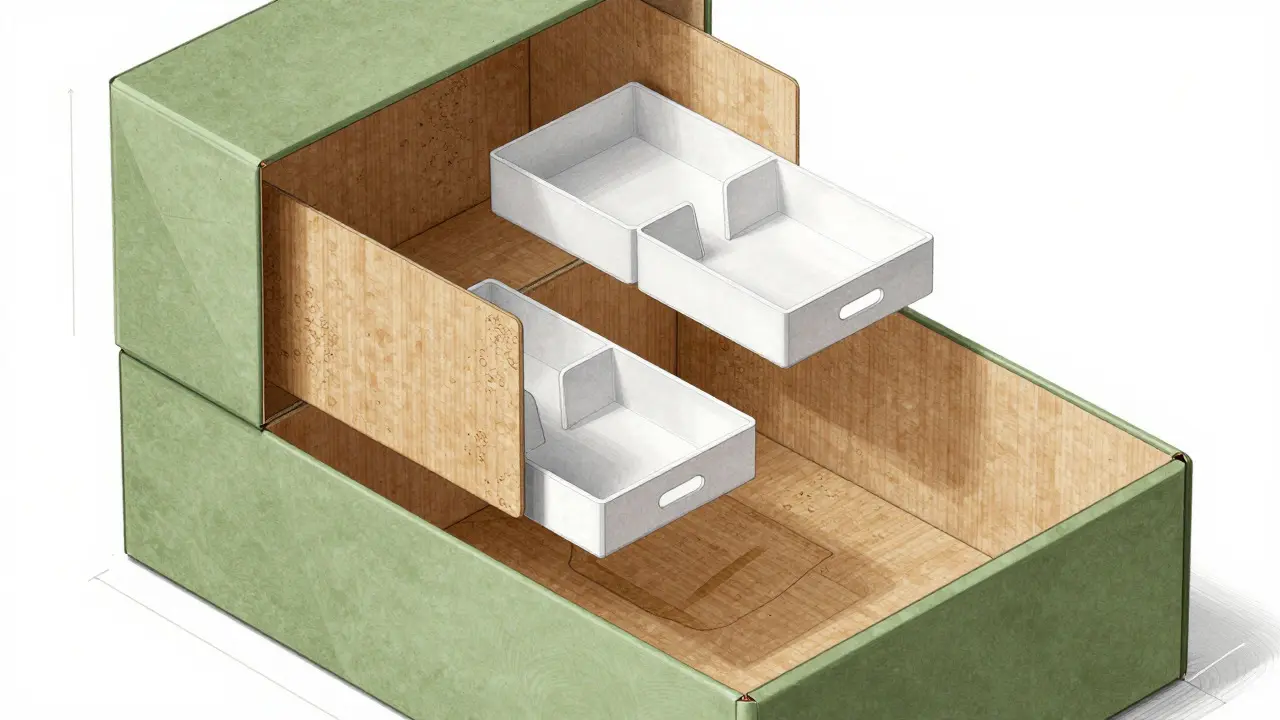
To create a box that protects and stores, you need to rethink the structural integrity of standard corrugated cardboard. The goal is modularity. Think of the box not as one object, but as a system of components that can be separated or reconfigured.
- Removable Inserts: Instead of glued foam or molded pulp that crumbles, use rigid, interlocking plastic or recycled fiber inserts. These should hold the device securely during shipping but slide out easily to reveal an empty, structured container.
- Foldable Walls: Design the sides to fold flat or transform into a tray. This allows the box to go from a tall shipping unit to a shallow storage bin that fits under a bed or on a shelf.
- Durable Exterior: Standard kraft paper tears easily when handled repeatedly. Laminating the exterior with a matte, scuff-resistant finish extends the box's lifespan significantly without adding heavy weight.
This approach mirrors the logic behind modular furniture. Just as a sofa bed converts from seating to sleeping, a multi-functional box converts from transport to storage. The key attribute here is reversibility. Every step in opening the package should be reversible, allowing the user to restore the box to its original shape if they decide to resell the device later.
Material Choices That Balance Durability and Eco-Friendliness
You might assume that durable means plastic-heavy. In reality, modern materials science offers better options. High-density recycled fiberboard is strong enough to withstand multiple uses and is fully compostable at the end of its life. It outperforms virgin cardboard in tear resistance by nearly 40% according to recent material stress tests.
For the internal cushioning, move away from expanded polystyrene (EPS) foam. While cheap, EPS is bulky and hard to recycle. Instead, consider mycelium-based padding or molded sugarcane bagasse. These materials are biodegradable and provide excellent shock absorption. They also have a tactile quality that feels premium, aligning with the aesthetic expectations of tech buyers.
| Material | Durability Score (1-10) | Recyclability | Best Use Case |
|---|---|---|---|
| Standard Corrugated Cardboard | 3 | High | Single-use shipping only |
| Laminated Recycled Fiberboard | 8 | Medium | Long-term storage and resale |
| Molded Bagasse Insert | 6 | High | Shock absorption and organization |
| Rigid Plastic Shell | 9 | Low | Travel cases (if detachable) |
Designing for the Resale Market
One of the most overlooked aspects of repeat-use packaging is the secondary market. Millions of iPhones and MacBooks change hands every year through platforms like eBay or local trade-ins. Sellers often struggle to present their devices professionally because the original packaging is damaged or lost.
If your packaging is designed for repeat use, it becomes a marketing asset for the seller. A pristine, sturdy box increases perceived value. Buyers are willing to pay a premium for devices that come in complete, undamaged original packaging. This creates a circular incentive: the buyer keeps the box because it holds value, and the seller benefits from the enhanced presentation.
To support this, include subtle branding elements that remain visible even after the primary graphics are worn. A simple embossed logo or a distinct color scheme on the interior helps identify the box without relying on fragile printed labels. This ensures the box remains recognizable and valuable throughout its lifecycle.
Practical Implementation Steps for Brands
Transitioning to repeat-use packaging requires a shift in supply chain logistics and design workflows. Here is how to approach it practically:
- Audit Current Waste: Measure how much of your current packaging is discarded immediately versus kept. Identify the specific pain points-does the box tear? Is the insert stuck?
- Prototype Modularity: Create three versions of your main product box: one standard, one collapsible, and one convertible. Test them with focus groups to see which secondary function resonates most.
- Source Durable Materials:** Work with suppliers who specialize in industrial-grade recycled fibers. Ensure the lamination process does not hinder eventual composting or recycling.
- Update User Experience:** Include a small, elegant card inside the box suggesting its second life. Keep it brief. "Keep this box for storage" is more effective than a long paragraph about sustainability.
Cost is often a concern, but the math changes when you factor in reduced return rates. Sturdier, reusable packaging reduces damage during shipping, leading to fewer returns. Additionally, the positive brand perception generated by thoughtful design can offset the slight increase in material costs through higher customer retention.
Common Pitfalls to Avoid
Not all attempts at sustainable packaging succeed. The biggest mistake is overcomplicating the mechanism. If a user needs scissors or a tool to open the box, you’ve failed. The unboxing experience must remain seamless. Second, avoid using materials that feel cheap. Even if the box is made of recycled content, the texture and finish must convey quality. A rough, dusty feel undermines the premium association of the device inside.
Finally, don’t ignore the size. A box that is too large to store is useless. Measure the average home shelf space and ensure your final folded dimensions fit within standard storage constraints. If the box doesn’t fit in a typical closet or drawer, it won’t be used.
Frequently Asked Questions
Is repeat-use packaging more expensive to produce?
Yes, typically by 10-15% due to higher-quality materials and complex folding mechanisms. However, this cost is often offset by lower shipping damage rates and increased brand loyalty among eco-conscious consumers.
What is the best material for protecting electronics in a reusable box?
Molded bagasse or mycelium inserts offer the best balance of shock absorption and sustainability. They are biodegradable yet firm enough to prevent movement during transit, unlike soft foam that degrades quickly.
How do I encourage customers to keep the box?
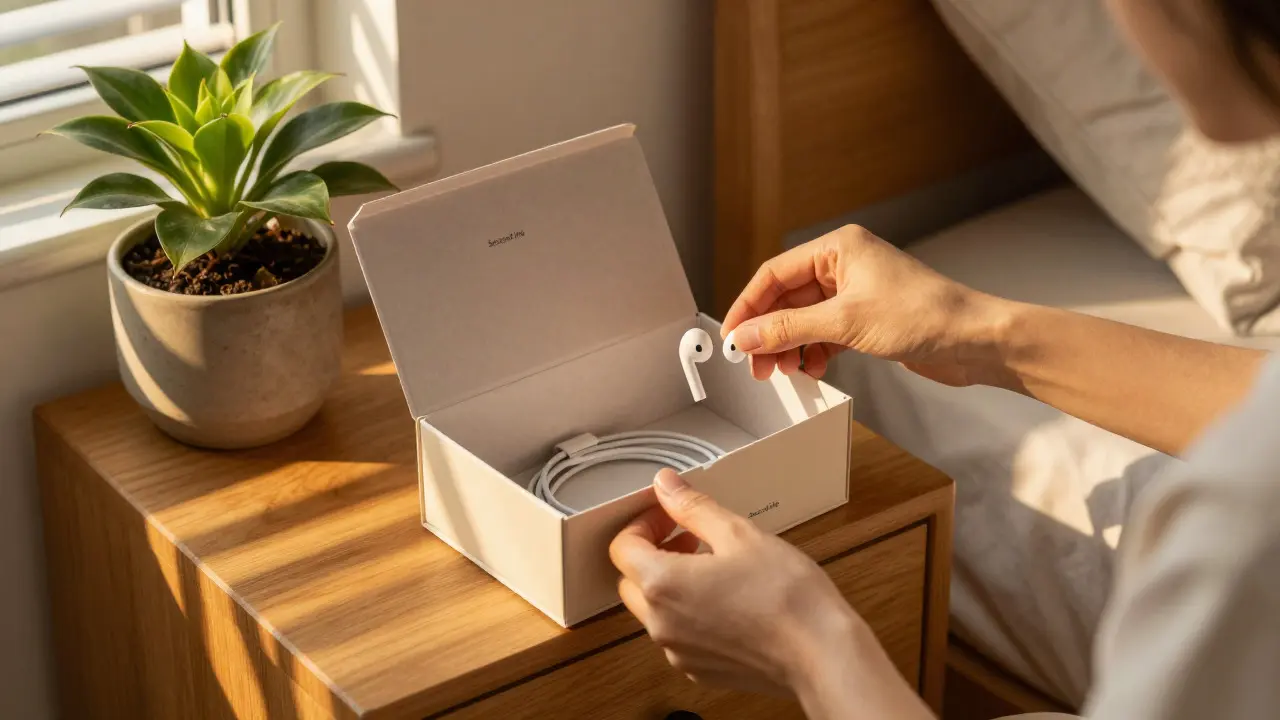
Design the box to serve an immediate practical purpose, such as organizing cables or storing accessories. Add a subtle visual cue, like a dedicated slot for chargers, so the box feels like a functional organizer rather than just a wrapper.
Does reusable packaging affect shipping costs?
It can slightly increase volume if the box is larger to accommodate durability features. However, optimizing the fold-flat design ensures that empty boxes take up minimal space in reverse logistics, keeping overall shipping costs stable.
Can any type of electronic device use this packaging style?
Yes, but the complexity varies. Small devices like earbuds benefit from compact, pocket-sized designs. Larger laptops require robust, flat-folding structures. The principle remains the same: protect first, then facilitate storage.