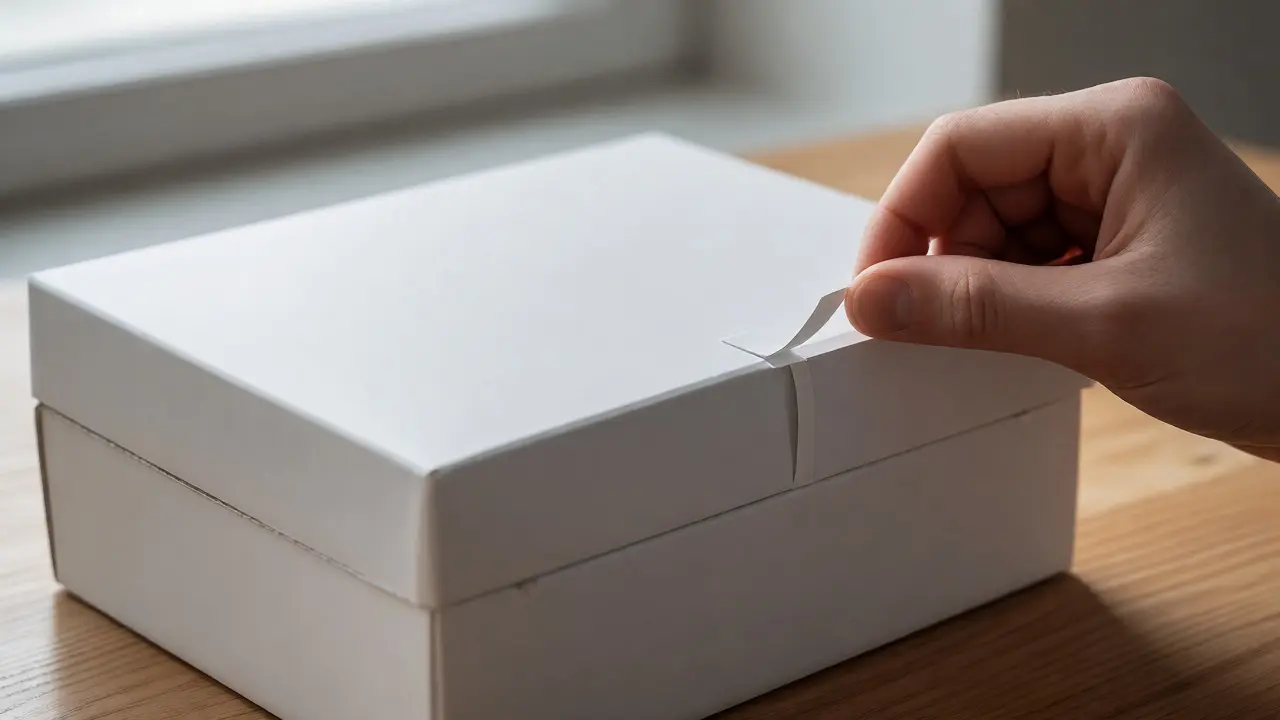

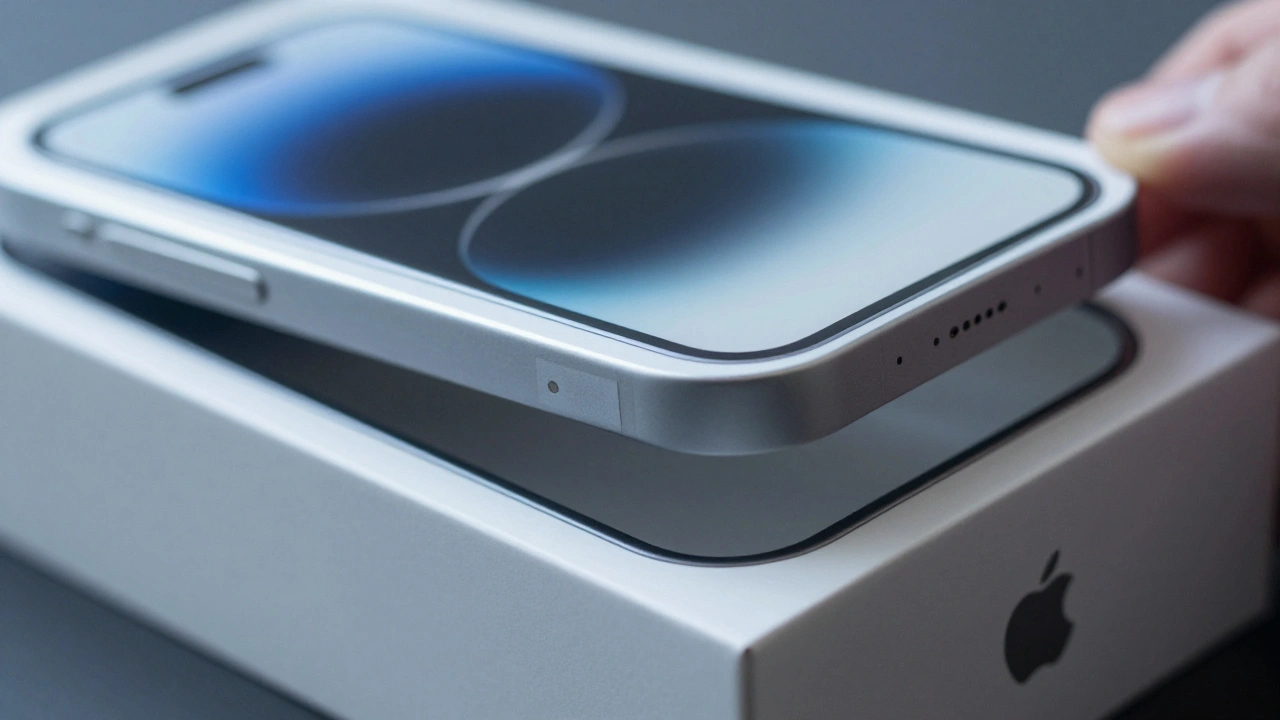
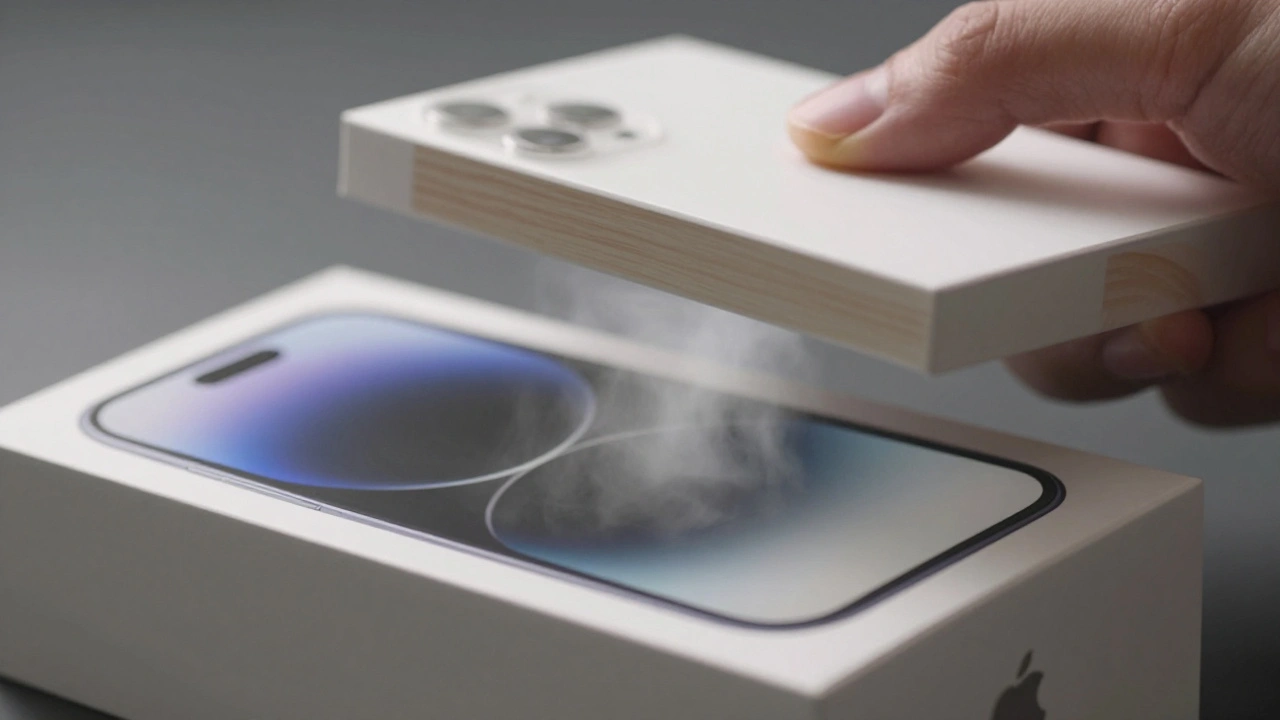
You know that feeling when you get a new iPhone? You don't just open it. You perform a ritual. The box sits on your desk, heavy and matte white. Your thumb finds the seam. You pull the tab. The lid lifts slowly, creating a vacuum seal that hisses slightly before breaking. For many people, this three-second interaction is worth more than the phone itself for the first hour of ownership. It’s not magic; it’s engineering.
Apple packaging is a strategic design element focused on tactile feedback, structural integrity, and perceived value. Unlike standard cardboard boxes designed solely for shipping protection, Apple's containers are built to extend the user interface from the screen into the physical world. This approach turns a simple delivery into a moment of celebration.
The Psychology of the Slow Lift
Why does the lid lift so slowly? It’s not an accident. In industrial design, this is called "damped friction." Apple engineers adjust the fit between the lid and the base so that gravity alone controls the speed. If it were too loose, the lid would flop off, ruining the suspense. If it were too tight, you’d struggle, breaking the immersion. The ideal time is roughly three to five seconds.
This delay serves a psychological purpose. It forces you to pause. You can’t rush. That pause builds anticipation, releasing dopamine before you even see the device. Compare this to opening a cheap electronics box where the contents rattle around in plastic bags. The difference isn't just aesthetic; it changes how you perceive the quality of what’s inside. When the container feels precise, the product feels precise.
Material Choices That Matter
Look closely at the box. It’s not just paper. It’s rigid, high-density fiberboard wrapped in smooth, coated stock. This material choice dictates everything else. Rigid boxes hold their shape during transit, preventing the crushed corners that plague cheaper brands. They also allow for the magnetic closures found in some accessories or the precise hinge mechanisms in older MacBook boxes.
In recent years, Apple has shifted toward fiber-based materials to reduce plastic use. By 2025, they claimed to have eliminated all plastic wrapping from iPhone boxes. Instead of shrink wrap, they use a paper tear strip. This change wasn't just about sustainability; it altered the unboxing sound and feel. The rip of paper is distinct, satisfying, and eco-friendly. It signals that the brand cares about details beyond the logo.
| Attribute | Standard Retail Box | Premium Tech Packaging (e.g., Apple) |
|---|---|---|
| Lid Friction | Loose or taped shut | Damped air resistance (3-5 sec lift) |
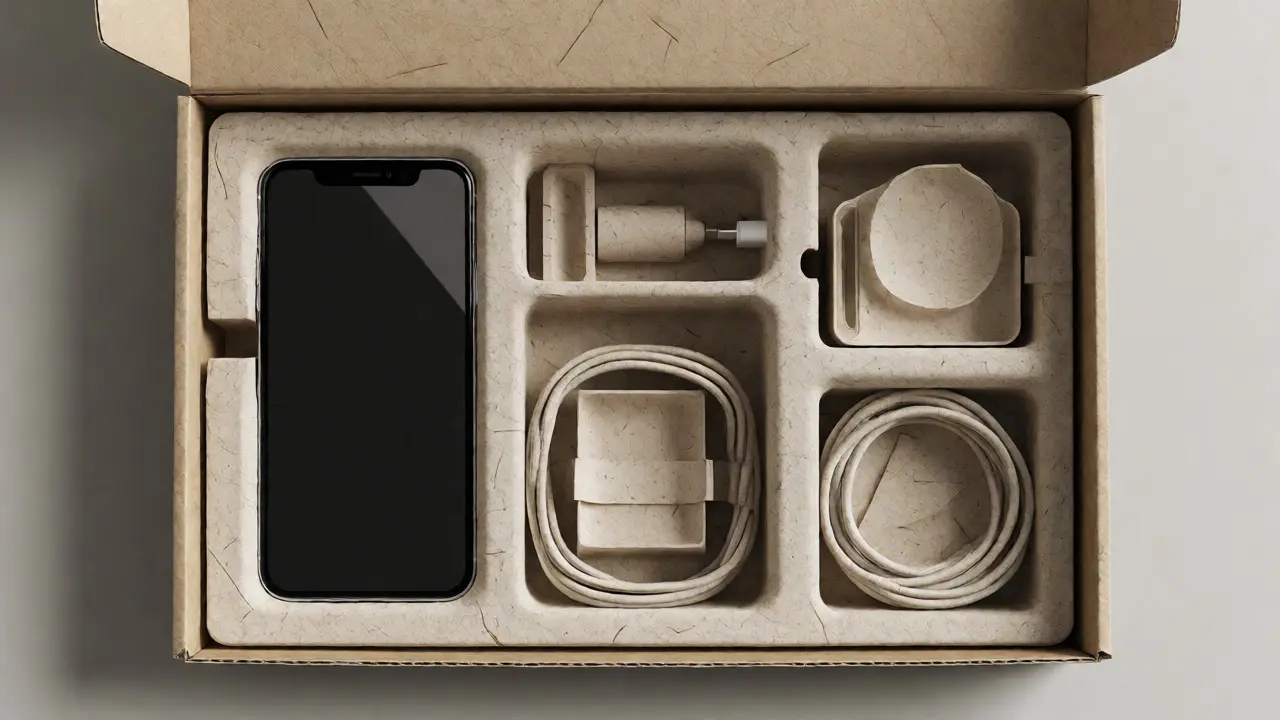
| Inner Tray | Molded pulp or thin plastic | Fiber-molded tray with precise cutouts |
| Accessories | Loose in bag | Organized in separate compartments |
| Resale Value Impact | Negligible | High (box condition affects price) |
Unboxing as Marketing Currency
Think about YouTube. There are millions of unboxing videos. People watch strangers open boxes for hours. Why? Because the packaging provides entertainment value. Apple understands this perfectly. Their boxes are designed to be filmed. The lighting hits the matte surface without glare. The slow reveal creates dramatic tension. This free marketing is invaluable. A well-designed box turns every customer into a content creator.
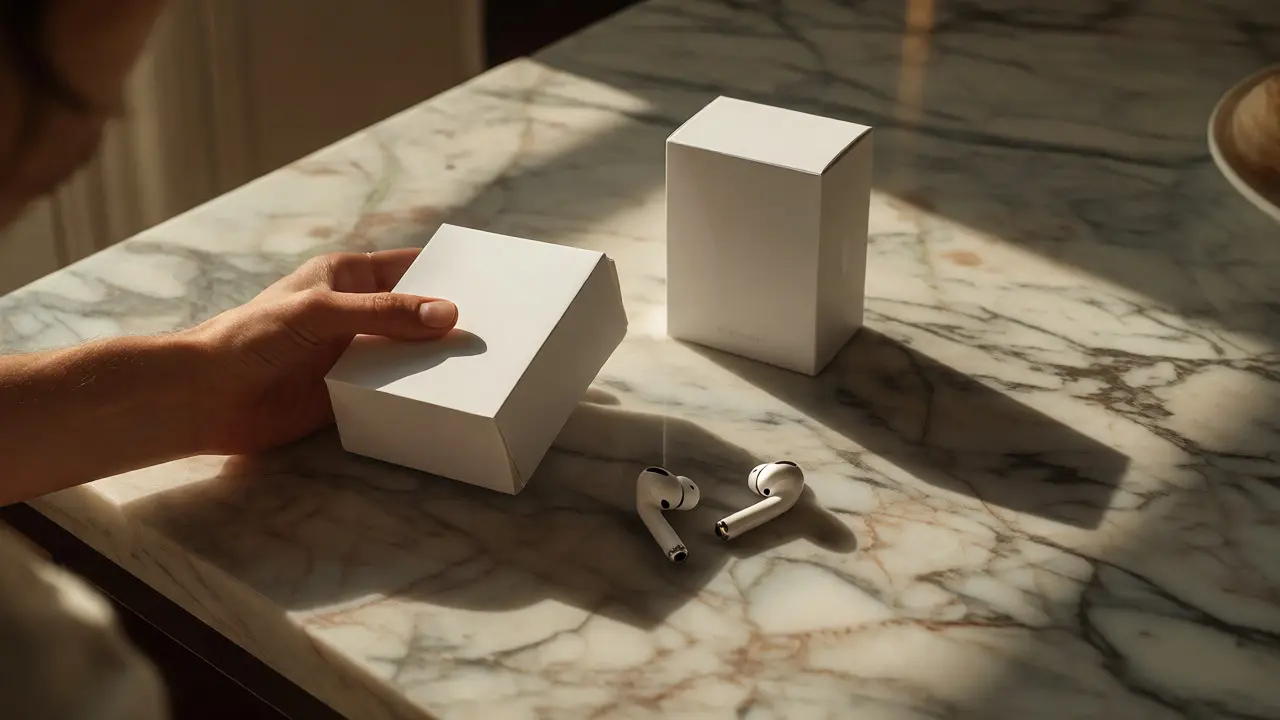
This phenomenon extends to social media. Posting a photo of your new AirPods next to the sleek white box gets more engagement than posting the earbuds alone. The packaging acts as a status symbol. It says, "I bought something premium." Even if you recycle the box immediately, that initial moment of display matters. It validates the purchase decision in front of peers.
Sustainability Without Sacrifice
Critics often argue that luxury packaging is wasteful. Apple counters this by focusing on recyclability and material reduction. The shift away from plastic films and styrofoam inserts shows a commitment to environmental goals. But here’s the trick: they didn’t make the packaging feel cheap. They made it feel natural.
Fiber-based trays break down easily in composting facilities. The glue used is water-soluble. This means the entire package can go into your recycling bin without sorting out mixed materials. For the consumer, this simplifies disposal. You don’t need to peel tape off tape. You just flatten it and toss it. This ease of use reinforces the brand promise of simplicity.
How to Apply These Principles
You don’t need to be Apple to benefit from experience-driven packaging. Whether you sell handmade jewelry, artisanal coffee, or software subscriptions, the principles remain the same. First, consider the tactile journey. How does the customer touch your product first? Is the texture inviting? Second, control the pacing. Don’t let them rip through layers too fast. Build small moments of discovery.
Third, think about post-unboxing utility. Can the box be reused? Many Apple users keep the boxes for storage or resale. Design your packaging so it doesn’t become trash immediately. A sturdy box that fits neatly on a shelf adds lasting value. Finally, ensure consistency. Every touchpoint should reflect your brand’s core values. If you claim precision, your packaging shouldn’t feel sloppy.
Frequently Asked Questions
Why do Apple boxes take so long to open?
The slow opening is due to controlled air pressure and precise manufacturing tolerances. The gap between the lid and the base is minimized to create friction against the air, slowing the descent of the lid. This builds anticipation and enhances the perception of quality.
Does keeping the original box increase resale value?
Yes, significantly. Buyers often associate the original packaging with better care and authenticity. A complete set with the box, especially if undamaged, can command a higher price on secondary markets compared to devices sold without packaging.
What materials does Apple use for its packaging now?
Apple primarily uses fiber-based materials, including recycled paper and molded fiber trays. They have largely eliminated plastic wraps and foam inserts in favor of paper tear strips and biodegradable components to improve recyclability.
Is the unboxing experience really that important?
For premium products, yes. It sets the tone for the user relationship. A positive first physical interaction reduces buyer's remorse and increases brand loyalty. It transforms a transaction into an emotional event.
Can small businesses replicate this effect?
Absolutely. Focus on fit and finish rather than expensive materials. Ensure the product doesn't rattle, use clean typography, and consider adding a personal note or a unique closing mechanism like a ribbon or sticker that requires a deliberate action to remove.
Categories
Popular Articles