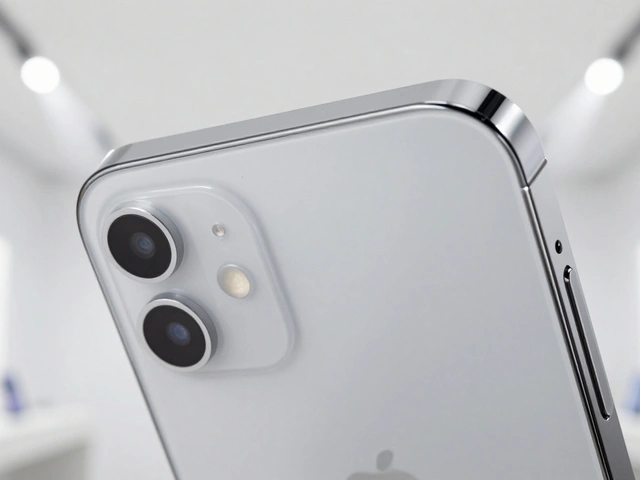

For over two decades, the face of Apple is a multinational technology company known for its innovative consumer electronics, software, and services’s hardware was defined by one man: Jony Ive. His departure left a vacuum that many industry observers feared would dilute the brand’s signature aesthetic. But as of March 2026, that anxiety has been replaced by a clear signal from Cupertino. Molly Anderson has been formally elevated to Vice President of Industrial Design, reporting directly to CEO Tim Cook is the chief executive officer of Apple Inc., leading the company since 2011. This isn’t just a promotion; it’s a statement of intent. It marks the beginning of Apple’s next chapter in industrial design, where physical form meets rigorous engineering under new leadership.
The Strategic Shift in Apple’s Leadership
When you look at the updated leadership page published around March 9, 2026, the pattern becomes obvious. Apple didn’t just promote Anderson. They simultaneously added Steve Lemay is Vice President of Human Interface Design at Apple, overseeing software design across all platforms as VP of Human Interface Design and Jennifer Newstead is Senior Vice President and General Counsel at Apple, handling legal affairs as Senior Vice President and General Counsel. This trio represents a strategic pivot toward design excellence and legal robustness as core competitive advantages.
Anderson’s role is distinct yet complementary to Lemay’s. While Lemay handles the digital experience-the buttons you tap, the animations you see-Anderson controls the physical reality. She oversees the design of every Apple product, accessory, and even the packaging they arrive in. By placing her directly under Cook, Apple signals that industrial design is no longer just a department; it’s a central pillar of corporate strategy. The separation of hardware and software design leadership allows for deeper specialization, ensuring that neither domain gets lost in the other’s shadow.
Molly Anderson’s Background: From London to Cupertino
To understand where Apple is going, you have to look at where Anderson comes from. A native of London, she brings an international perspective that contrasts with the often Silicon Valley-centric view of previous leaders. Her educational foundation is rock-solid: a bachelor’s degree in Industrial Design from Loughborough University is a leading UK university known for its strong programs in engineering and design and a master’s in Design Products from the Royal College of Art is one of the world's most prestigious postgraduate art and design schools located in London.
Before joining Apple in 2014, Anderson cut her teeth at some of the most respected names in design. She worked at Nokia is a Finnish multinational telecommunications and information technology company, gaining deep exposure to consumer electronics manufacturing. She also spent time at Barber Osgerby, an architecture and design studio, and Map Project Office, a specialized consultancy. This diverse background means she doesn’t just think about how a device looks; she understands how it fits into architectural spaces, how materials age, and how complex systems are built. These experiences shaped her approach to creating products that feel grounded and tangible.
The Scope of Industrial Design at Apple
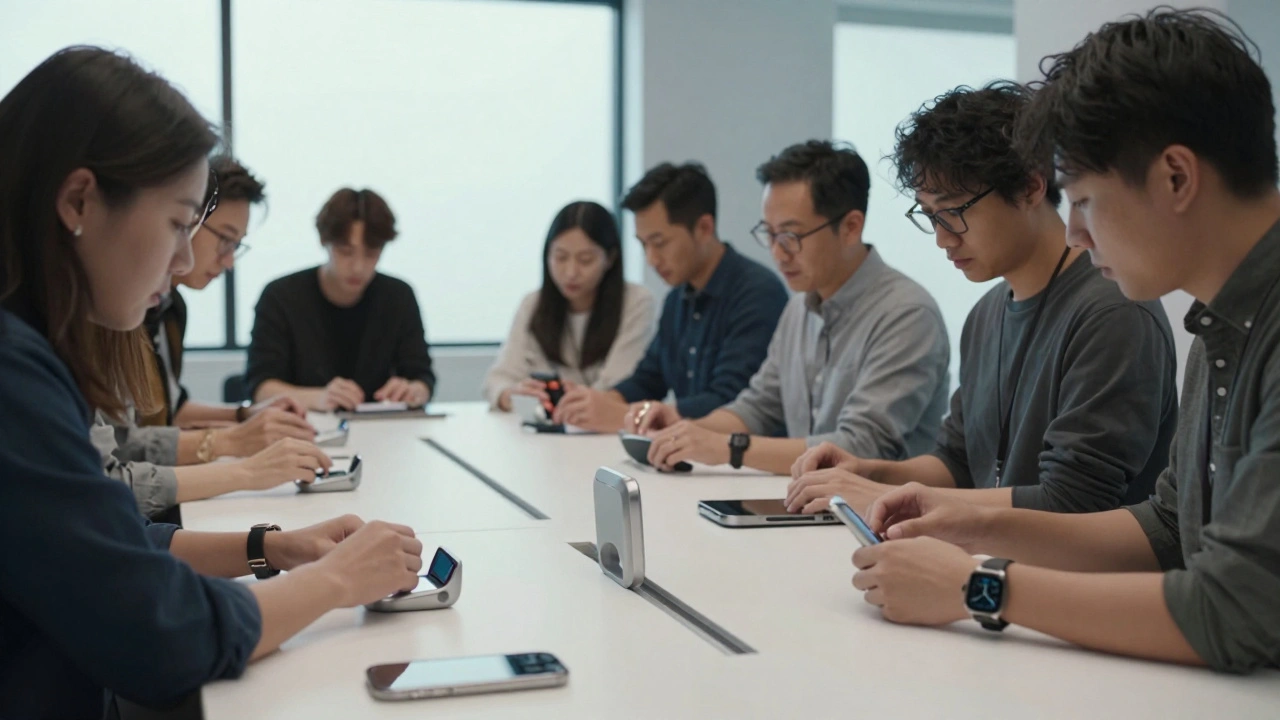
Being VP of Industrial Design isn’t just about sketching sleek curves. Anderson leads a multidisciplinary team that operates like a high-precision laboratory. Her group includes industrial designers, color specialists, 3D sculptors, prototypers, human factors experts, materials scientists, and fabrication technicians. This structure reflects the complexity of modern product development. Every decision-from the thickness of a bezel to the texture of a button-is scrutinized through multiple lenses.
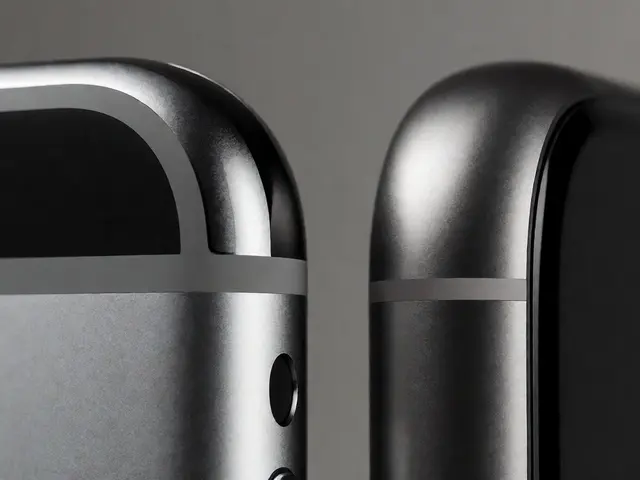
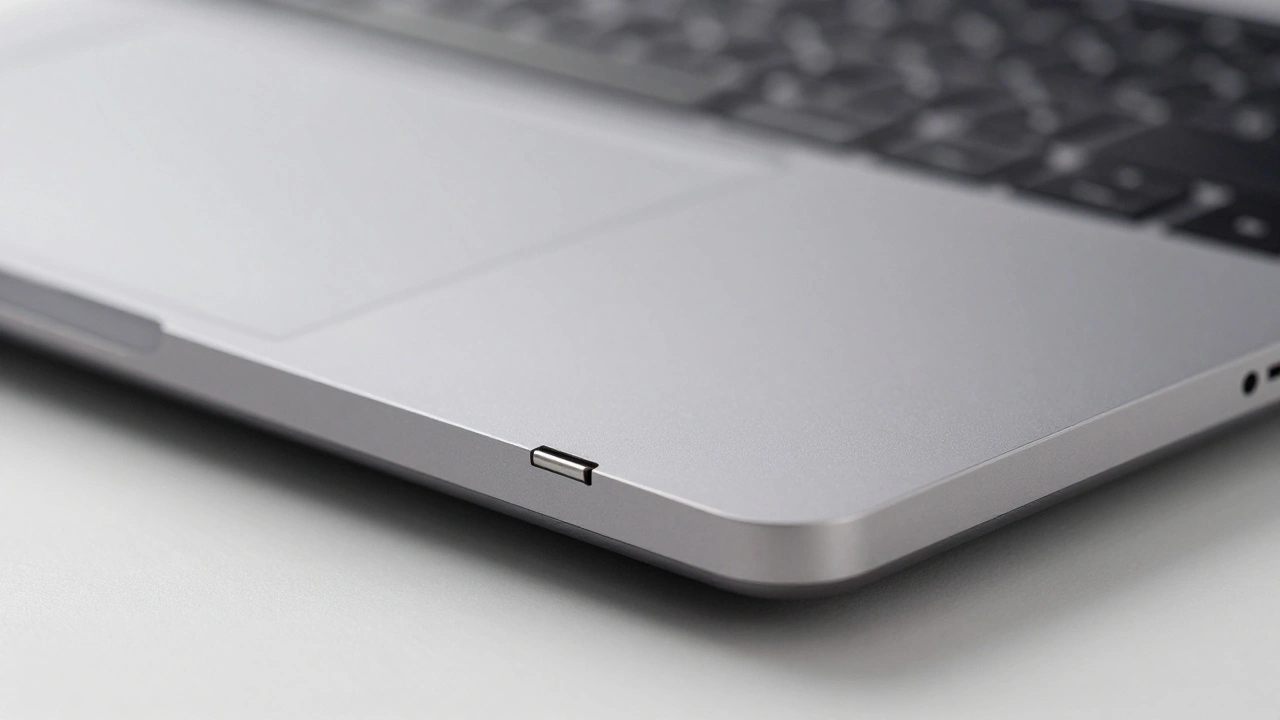
Consider the MacBook Neo, a recent project overseen by Anderson. In discussing its development, she emphasized a philosophy of zero compromise. "We’re not making any compromises," she stated. This mindset drives the team to explore novel materials and manufacturing techniques rather than settling for what’s easy or cheap. For instance, the integration of seamless aluminum unibodies requires precise CNC machining and advanced anodizing processes. Anderson’s team works closely with suppliers to ensure that these processes meet Apple’s exacting standards without sacrificing durability or repairability.
| Executive | Title | Primary Responsibility | Reports To |
|---|---|---|---|
| Molly Anderson | VP of Industrial Design | Physical product design, accessories, packaging | Tim Cook |
| Steve Lemay | VP of Human Interface Design | Software UI/UX across all platforms | Tim Cook |
| Jennifer Newstead | SVP & General Counsel | Legal affairs and compliance | Tim Cook |
Impact on Product Development and User Experience
Anderson’s appointment coincides with a broader emphasis on tactile quality in a digital world. As screens become larger and more uniform, the differentiation between devices shifts to subtle details: hinge mechanisms, keyboard travel, thermal management, and weight distribution. Her team’s expertise in human factors ensures that these elements are optimized for comfort and efficiency. For example, the redesign of trackpad pressure sensors involves close collaboration between engineers and designers to create a response that feels natural and intuitive.
This focus extends beyond individual products to the ecosystem. Packaging design, often overlooked, is part of her purview. The unboxing experience is carefully choreographed to reinforce brand perception. Materials are chosen for sustainability and feel, reducing plastic use while maintaining structural integrity. This holistic approach ensures that every touchpoint aligns with Apple’s premium positioning.

Challenges and Future Directions
No leadership change is without challenges. Anderson must balance innovation with consistency. Consumers expect Apple products to feel familiar yet fresh. Straying too far risks alienating loyal users; staying too static invites criticism of stagnation. Additionally, global supply chain disruptions and regulatory pressures on e-waste require creative solutions in material selection and assembly methods.
Looking ahead, we can expect Anderson to push boundaries in areas like sustainable materials and modular design. The industry is moving toward repairable devices, and Apple will need to adapt without compromising its minimalist aesthetic. Her background in materials science and fabrication suggests she is well-equipped to navigate this transition. We may see increased use of recycled aluminum, bio-based polymers, and standardized components that simplify repairs.
Why This Matters for the Industry
Apple’s move elevates industrial design from a support function to a strategic driver. Competitors watching closely will likely adjust their own structures to compete. This could lead to a renewed focus on craftsmanship and detail across the tech sector. For designers, it validates the importance of multidisciplinary skills and deep technical knowledge. For consumers, it promises products that are not only functional but emotionally resonant.
Anderson’s rise signifies that Apple remains committed to design-led innovation. With her direct line to Cook and a team capable of executing complex visions, the company is poised to deliver its most refined products yet. The next few years will be a testament to whether this new structure can maintain the magic that made Apple iconic.
Who is Molly Anderson?
Molly Anderson is the Vice President of Industrial Design at Apple. She joined the company in 2014 and previously worked at Nokia, Barber Osgerby, and Map Project Office. She holds degrees from Loughborough University and the Royal College of Art.
What does the VP of Industrial Design do at Apple?
The VP of Industrial Design oversees the physical design of all Apple products, accessories, and packaging. This includes managing teams of designers, engineers, and materials scientists to ensure aesthetic excellence and functional integrity.
Who does Molly Anderson report to?
Molly Anderson reports directly to Tim Cook, the CEO of Apple. This placement highlights the strategic importance of industrial design within the company.
How does Molly Anderson’s role differ from Steve Lemay’s?
Molly Anderson focuses on industrial design (hardware), while Steve Lemay focuses on human interface design (software). Their roles are complementary, covering both the physical and digital aspects of Apple products.
What recent products has Molly Anderson influenced?
Anderson has overseen the design of recent products like the MacBook Neo. Her team emphasizes zero-compromise design principles, focusing on material quality, ergonomics, and manufacturing precision.
Why was Molly Anderson promoted in 2026?
Her promotion reflects Apple’s strategic shift to elevate design leadership. It formalizes her role after years of heading industrial design and underscores the company’s commitment to design excellence as a core competitive advantage.
What is the significance of the MacBook Neo design?
The MacBook Neo exemplifies Anderson’s design philosophy of no compromises. It showcases advanced materials, seamless construction, and ergonomic improvements, setting a new standard for laptop design.
How does Apple’s design team structure work?
Apple’s design team is multidisciplinary, including industrial designers, color specialists, 3D sculptors, prototypers, human factors experts, materials scientists, and fabrication technicians. This structure ensures comprehensive consideration of aesthetics, functionality, and manufacturability.