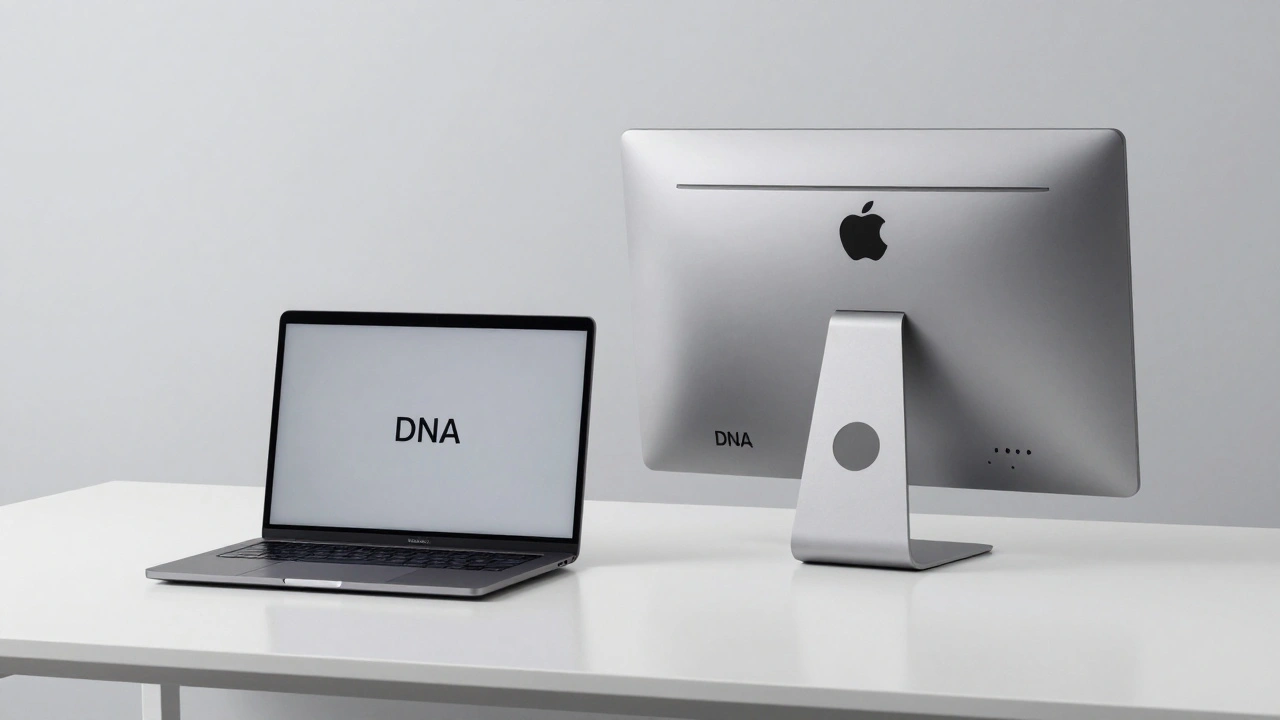

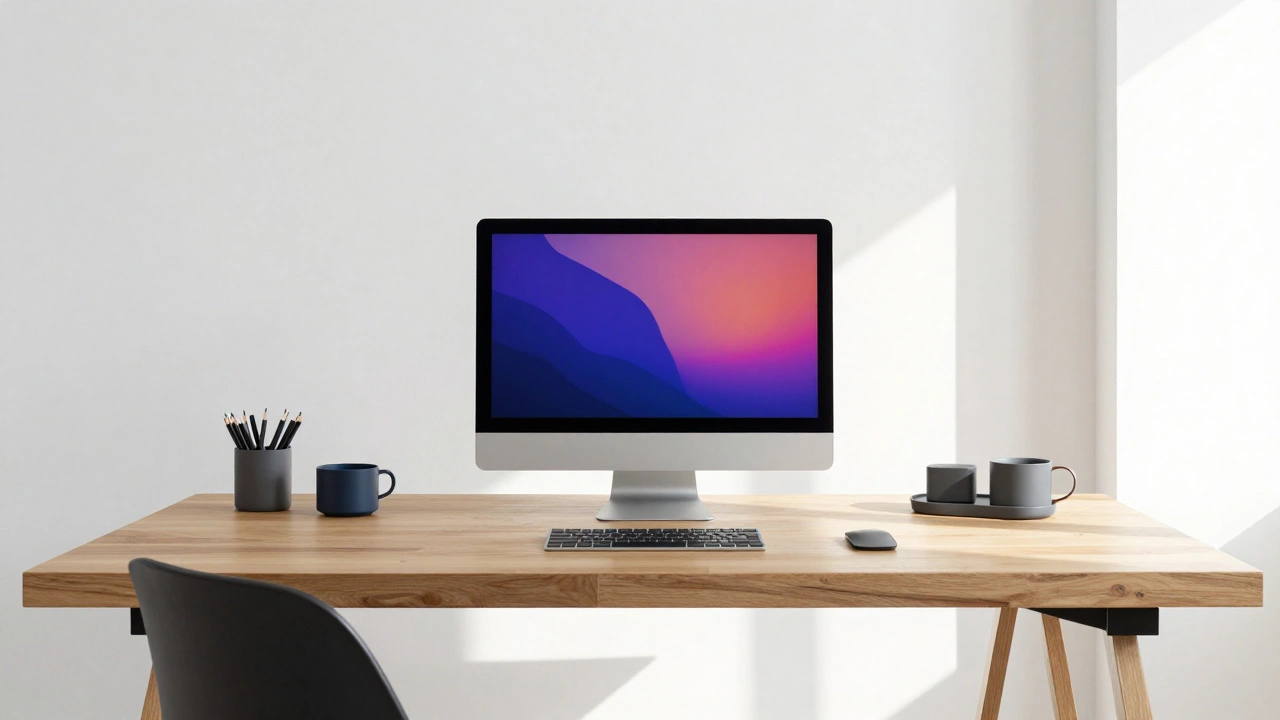
Ever wonder why your desk feels like a curated gallery when you plug in a Mac? It isn't an accident. The sleek, unapologetic lines of a laptop are not just about portability; they are the blueprint for everything else in the ecosystem. When you look at the thin profile of a modern iMac or the tactile feel of a Magic Keyboard, you are seeing the DNA of macbook design mirrored in a larger form factor. The MacBook isn't just a product; it's the aesthetic north star for the entire Mac lineup.
The Aluminum Standard: Material as Brand Identity
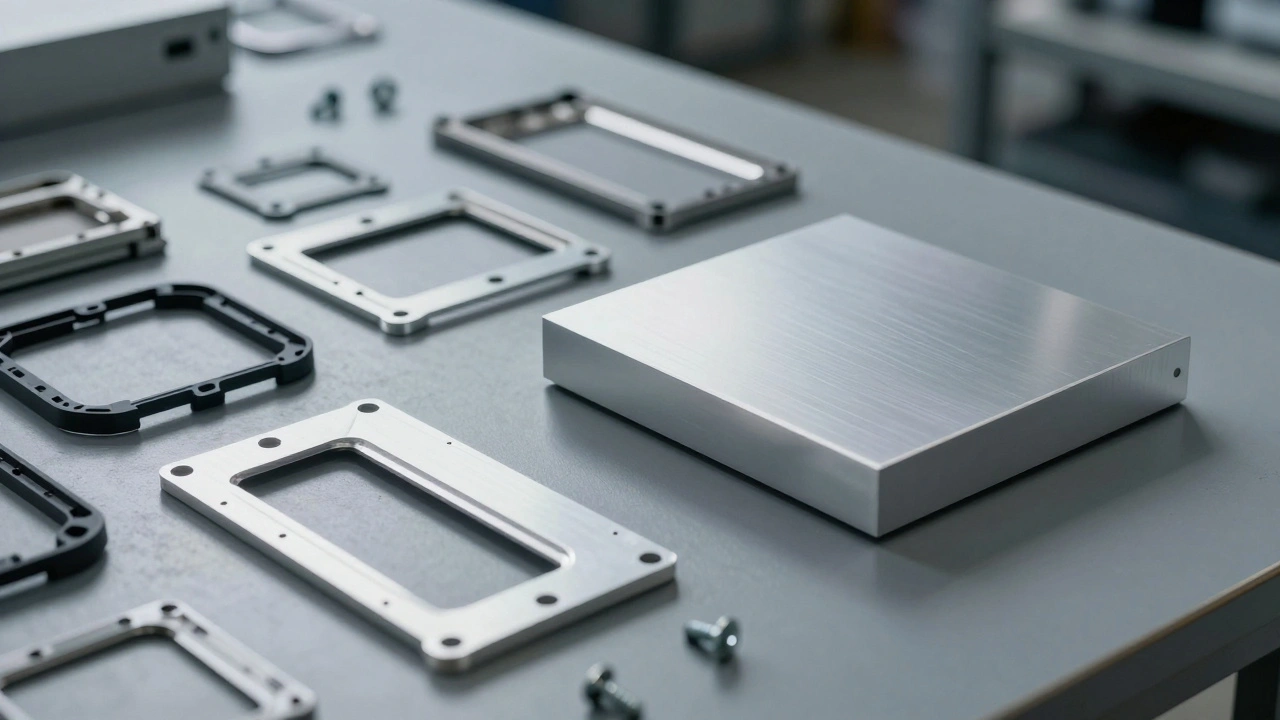
If you touch a MacBook, you know the feel of anodized aluminum. It's cold, rigid, and feels expensive. This isn't just about durability; it's about brand recognition. Apple explicitly rejects plastic for its core chassis because plastic feels like a commodity. Aluminum, however, creates an immediate psychological value. Even in entry-level models like the MacBook Neo, which starts at $599, Apple sticks to the aluminum frame. Why? Because if a budget device looks and feels like a premium one, the user is more likely to upgrade to a higher-tier model later.
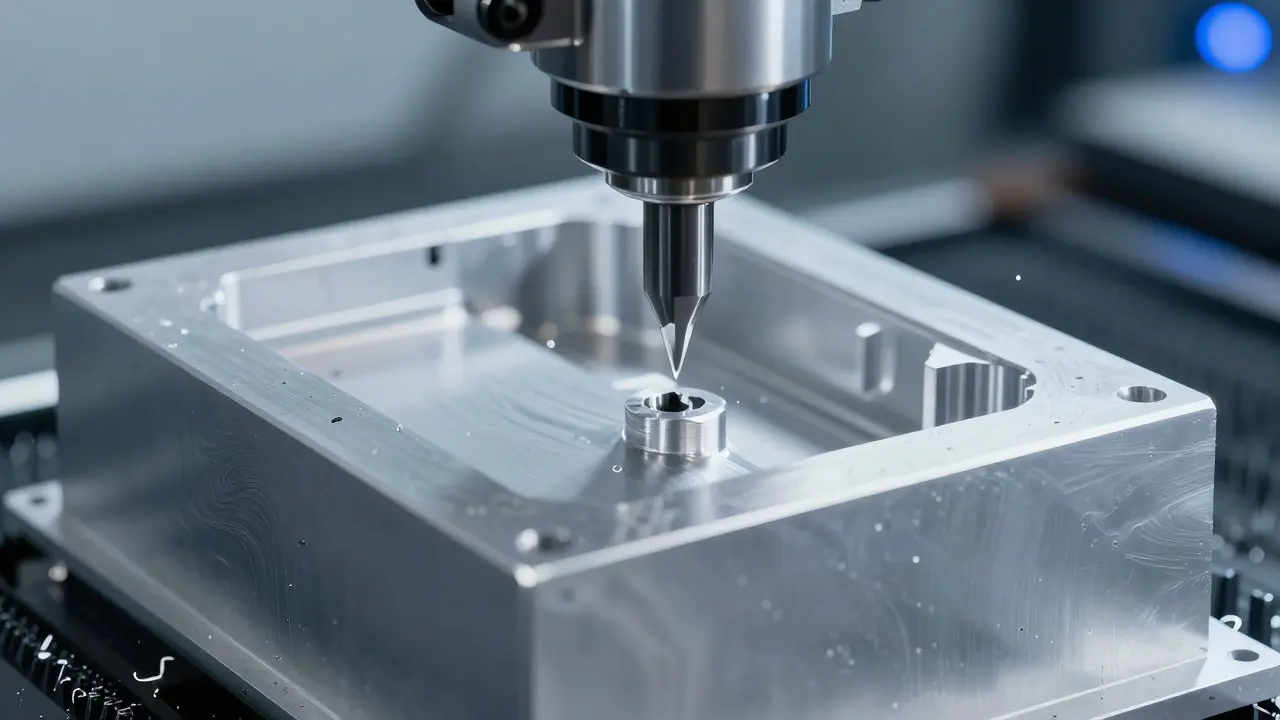
This material obsession flows directly into the iMac. The transition from the colorful plastics of the early 2000s to the unibody aluminum look happened because the MacBook had already proven that metal was the gold standard for the "modern" professional. When the iMac adopts the same matte finishes and tight tolerances as the MacBook, it creates a seamless visual transition on your desk. Your laptop and your desktop don't just come from the same company; they look like they were carved from the same block of metal.
| Feature | MacBook Influence | iMac Application | Peripheral Result |
|---|---|---|---|
| Primary Material | Anodized Aluminum | Aluminum Housing | Aluminum Accents |
| Edge Profile | Rounded Radii | Slim Bezels/Edges | Smooth, Beveled Corners |
| Color Palette | Space Gray / Silver | Coordinated Tones | Matching Keycaps/Frames |
From Portability to Permanence: Translating the Slim Profile
The constant drive to make the MacBook thinner without sacrificing structural integrity has fundamentally changed how Apple views the iMac. The "thinness" of a MacBook is a functional requirement for travel, but for an iMac, it's a stylistic choice. By applying the same ultra-slim engineering used in laptop lids to the desktop chassis, Apple transforms a computer into a display. The machine essentially disappears, leaving only the screen.
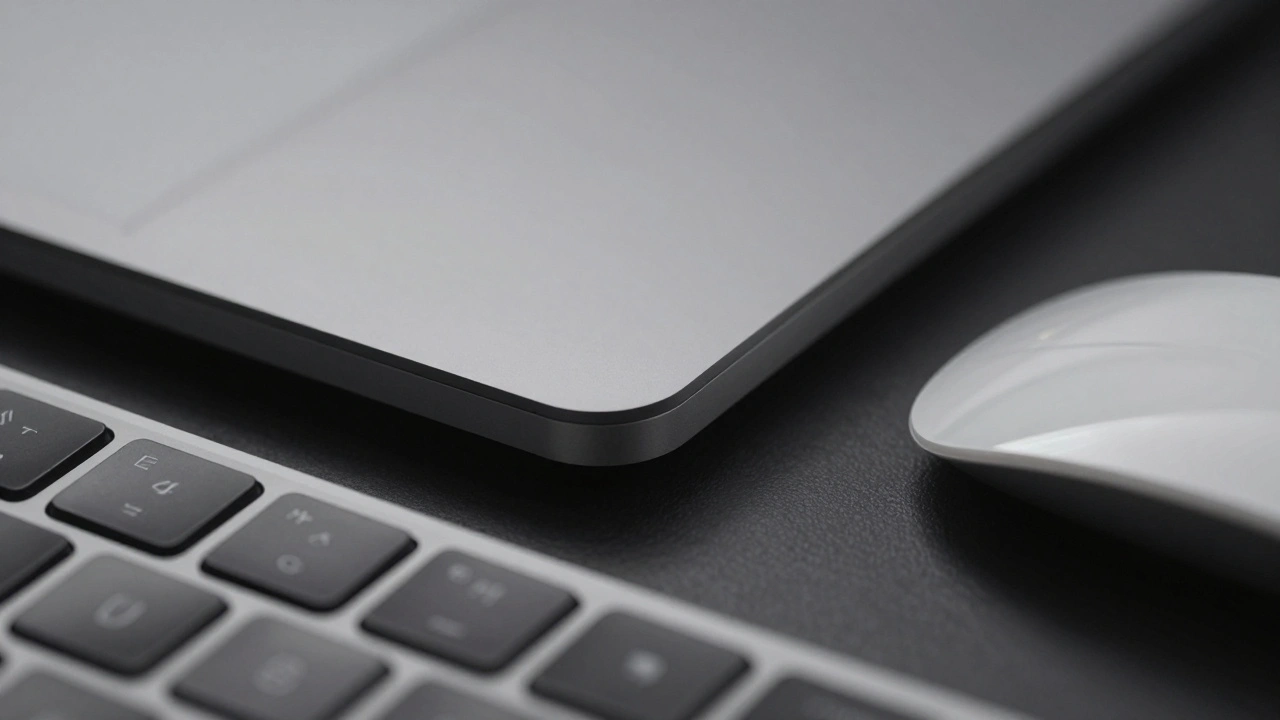
This transition also affects the peripherals. Think about the Magic Mouse or the Magic Trackpad. They aren't bulky; they are flat, minimalist slabs of glass and metal. They mirror the low profile of the MacBook's trackpad. If Apple had designed these peripherals in a vacuum, they might have prioritized ergonomic grips over a slim silhouette. Instead, they prioritized the visual language of the MacBook, ensuring that the peripheral doesn't "fight" with the computer's aesthetic.
The Psychology of the Unboxing Experience
Design doesn't start when you turn the machine on; it starts when you see the box. Apple treats packaging as an extension of the industrial design. The way a MacBook box slides open with a specific amount of vacuum resistance is a calculated engineering feat. This experience is mirrored exactly in the iMac and peripheral packaging. By removing the clutter-no thick manuals, no loose cables-Apple forces the user to focus on the object itself.
This approach removes the friction between the consumer and the product. When the packaging matches the minimalism of the device, it reinforces the idea that the product is intuitive. If the box is simple, the computer must be simple to use. This cohesive experience builds trust and elevates the hardware from a tool to a luxury object.
The Legacy of Color and Emotional Connection
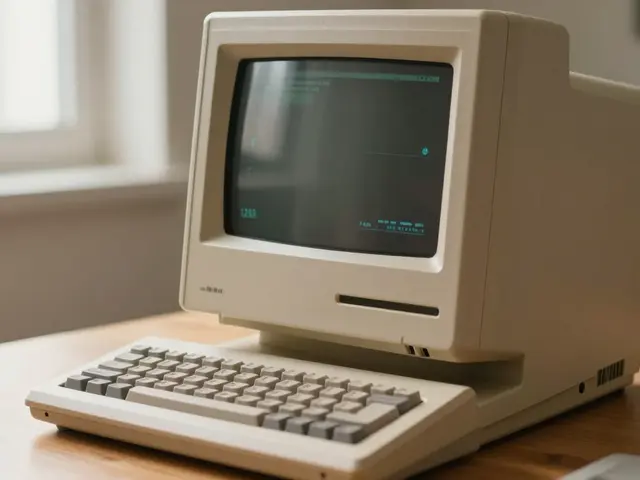
While aluminum is the current king, the roots of this design language go back to the iMac G3. That machine broke the "beige box" mold by using translucent plastics and bright colors. It proved that computers could be emotionally appealing. Today, that spirit lives on in the colorful 24-inch iMacs, but the execution is refined by the MacBook's precision. The colors are no longer just "fun"; they are carefully curated to match modern interior design trends.
The MacBook influenced this by introducing more nuanced tones, like Space Gray and Midnight. These aren't just colors; they are "textures" that suggest professional sophistication. When these tones bleed into the iMac and the accessories, it creates a curated ecosystem. You aren't just buying a computer; you're buying a color story for your office.
Avoiding the Common Pitfalls of Industrial Design
Apple avoids the mistake of "over-designing." A common trap for tech companies is adding lines and vents just to look "gamer" or "high-tech." Apple does the opposite. Every line on a MacBook serves a purpose, and every purpose is hidden. This "hidden complexity" is the secret sauce that the iMac inherits. The cables are tucked away, the ports are out of sight, and the seams are invisible.
For anyone trying to emulate this look in their own workspace, the rule of thumb is simple: if it doesn't need to be there, remove it. The MacBook's influence is ultimately about the subtraction of the unnecessary. This is why an Apple setup feels calm-it's the visual equivalent of a quiet room.
Why does Apple use aluminum instead of plastic for budget Macs?
Aluminum serves as a primary brand identifier. By using it even in entry-level models like the MacBook Neo, Apple ensures the product feels premium, which maintains brand prestige and encourages users to eventually upgrade to higher-end models without feeling like they've switched materials.
How does the MacBook influence the design of the Magic Mouse?
The Magic Mouse adopts the same ultra-low profile and minimalist glass-and-metal construction as the MacBook's trackpad and chassis. Instead of traditional ergonomic bulk, it prioritizes a slim silhouette that complements the thinness of the Mac computers.
What is the "Dieter Rams" influence on Apple products?
Dieter Rams championed a philosophy of "less, but better," focusing on functional minimalism and the removal of unnecessary elements. Steve Jobs and Jony Ive applied these principles to remove the clutter from computer design, leading to the clean lines seen in every MacBook and iMac.
Does the packaging count as part of the industrial design?
Yes. Apple treats the unboxing process as the first physical interaction with the brand. The precise fit, the vacuum seal of the box, and the lack of cluttered manuals are all designed to mirror the simplicity and precision of the hardware inside.
How did the iMac G3 change the industry?
The iMac G3 destroyed the industry standard of beige computers by introducing translucent plastics and bold colors. This shifted the perception of the computer from a piece of office equipment to a consumer electronic device that could be an emotional and aesthetic centerpiece of a home.
Next Steps for Your Setup
If you're looking to bring this aesthetic to your own desk, start by identifying the "visual noise." Clear the cables, choose a consistent metal finish for your accessories, and embrace whitespace. Whether you're using a MacBook or an iMac, the goal is to let the hardware be the statement, not the clutter surrounding it. If you're upgrading, look for peripherals that follow the same low-profile logic-think slim keyboards and minimal stands-to keep that streamlined look consistent.