
When you pick up a MacBook today, you are holding a piece of engineering history that started in 2008. It feels solid, cool to the touch, and seamless. But for years before that, laptops were a different beast entirely. They were often clunky, made of plastic, and held together by dozens of screws and internal frames. The shift away from that old method changed everything about how we think about premium electronics. It wasn't just a cosmetic change; it was a complete overhaul of the factory floor.
This transition marked a watershed moment for Apple and the wider tech industry. Steve Jobs announced this innovation in October 2008, describing it as a completely new method of constructing notebooks from a singular piece of aluminum. Jonathan Ive, Apple's Senior Vice President of Industrial Design at the time, emphasized that historically, notebooks consist of multiple components. With the new MacBook, they consolidated everything into a single element. That single element became known as the unibody. Understanding how this happened gives us a clear look into the balance between aesthetics, function, and manufacturing reality.
The Old Way: Multi-Component Assembly
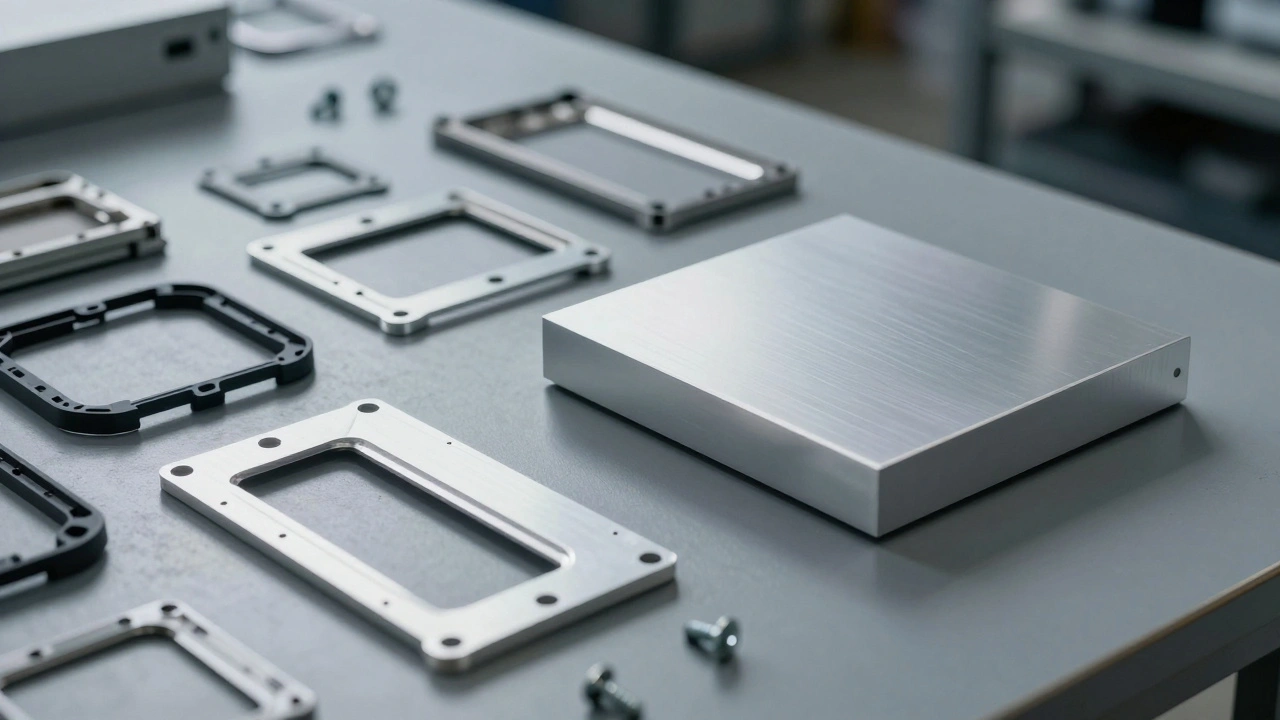
Before 2008, the MacBook Pro models utilized a lightweight, bowl-shaped shell. This shell featured an internal framework to secure components, with the top bezel positioned on top and secured with screws along the sides and back. It sounds straightforward, but that assembly method introduced variability that necessitated plastic gaskets to ensure a proper fit. This represented a fundamentally different manufacturing paradigm than what would follow.
Imagine building a house with prefabricated walls versus carving one from a solid block of stone. The prefabricated walls are easier to assemble quickly, but the joints can flex, leak, or wear out over time. That was the laptop industry standard. You had a top case, a bottom case, and a middle frame. You had to align them perfectly every time. If one screw was tightened too much, the plastic might crack. If a gasket was misplaced, the keyboard might rattle.
These multi-part assemblies meant that the structural strength relied on the connections between parts rather than the material itself. Over time, hinges could loosen, and the chassis could flex under pressure. The plastic gaskets were a necessary evil to hide the gaps between these separate pieces. It was a design that prioritized assembly speed over structural unity, and users could feel the difference in the flex and the creaks of a well-used laptop.
The Unibody Revolution
The Unibody Manufacturing is a process where a laptop chassis is milled from a single block of aluminum. Also known as Single-piece construction, it was first released in 2005 with the MacBook Air and became standard in 2008. This process starts with a 2.5-pound aluminum brick that is eventually refined to eliminate the need for an internal frame entirely. It is a dramatic change from previous construction methods.
The manufacturing process begins with raw material chosen specifically for its strength-to-weight ratio and ease of processing. Aluminum is delivered to machine factories in the form of huge multi-ton cylinders of purified aluminum. These cylinders are warmed until moldable and passed through a press that transforms them into long sheets slightly thicker and wider than the laptop's planned dimensions. Think of it like a pasta press creating fettuccine from dough. These extruded aluminum sheets are then sliced into blocks that undergo a total of 13 distinct milling processes, according to manufacturing documentation.
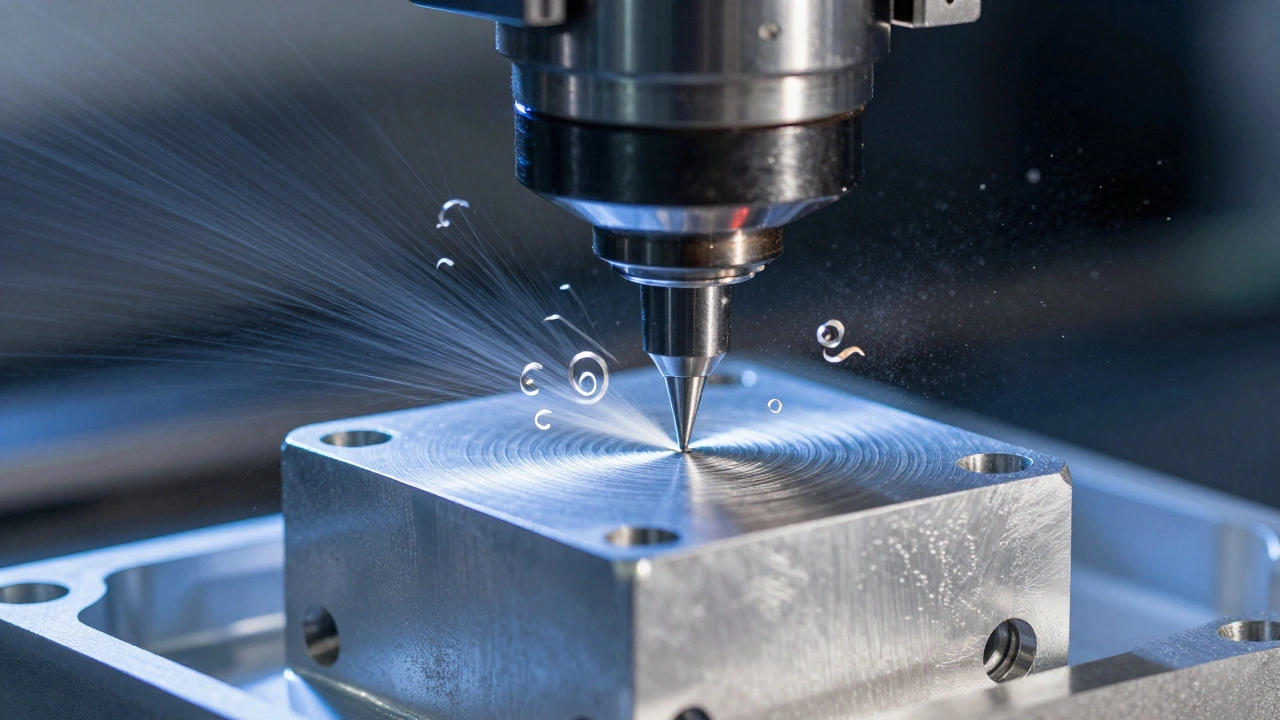
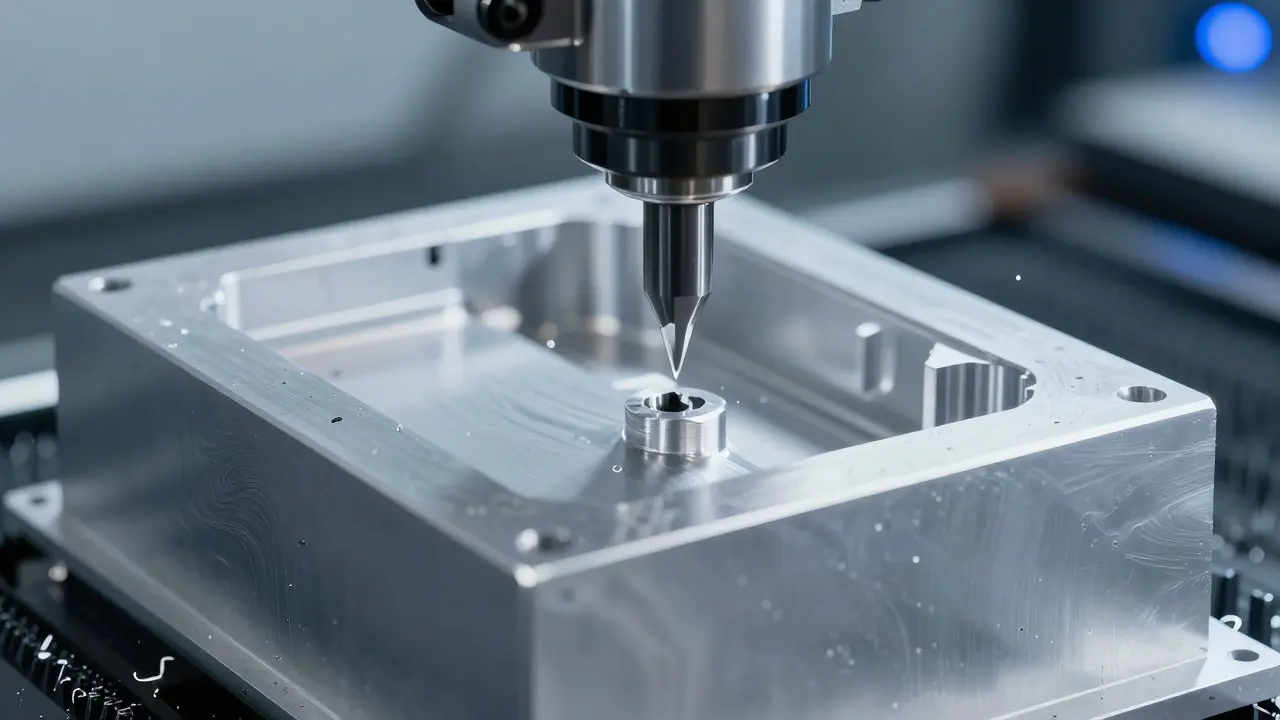
Once the sheets are cut into pieces slightly larger than the laptop's intended dimensions, computer numerical control machinery goes to work. This CNC technology is commonly employed in the aerospace sector for crafting precise, mission-critical parts. The machinery shaves and carves the solid piece into a complex but rigid structure. It accurately carves keyboard openings from the surface, mills out the thumbscoop that allows comfortable opening of the display lid, and creates intricate designs from the interior.
The precision required here is staggering. A section of the front edge is milled to a thinness that permits laser micro-perforation. This allows light from the sleep indicator LED to shine through seamlessly when the indicator is active. This technique was previously utilized in the MacBook Air and the Bluetooth Keyboard released in fall 2007, alongside the aluminum iMac. After the interior is precisely shaped, the edges are rounded and polished, with final refining touches done using diamond tools.
Efficiency and Structural Integrity
Why go through such a complex process? The manufacturing efficiency improvements are significant compared to previous multi-part assembly approaches. Rather than cutting aluminum into multiple sheets that would be joined together to create a laptop body, Apple's refined method replaces dozens of parts with a single block of metal. This provides both greater structural strength and superior refinement.
This consolidation eliminates the need for the internal frame structure that characterized earlier designs. The result is a more unified and durable product while simultaneously reducing assembly complexity. You might think milling a block is more complex than screwing parts together, but in mass production, removing the need to align, fasten, and gasket dozens of individual components actually streamlines the final assembly line. There are fewer points of failure. There is less chance of a part arriving on the line with a defect that ruins the whole chassis.
The application of this manufacturing technique to multiple product lines demonstrates both its effectiveness and Apple's confidence in the approach as a competitive advantage. The 2008 introduction of unibody aluminum design marked a watershed moment for the MacBook line. In 2008, Apple completely abandoned its black and white plastic casings for the standard MacBook. They essentially made the lower-end unibody aluminum MacBook Pro its new MacBook, demonstrating the company's commitment to the new manufacturing approach across its entire notebook lineup.
Environmental Considerations
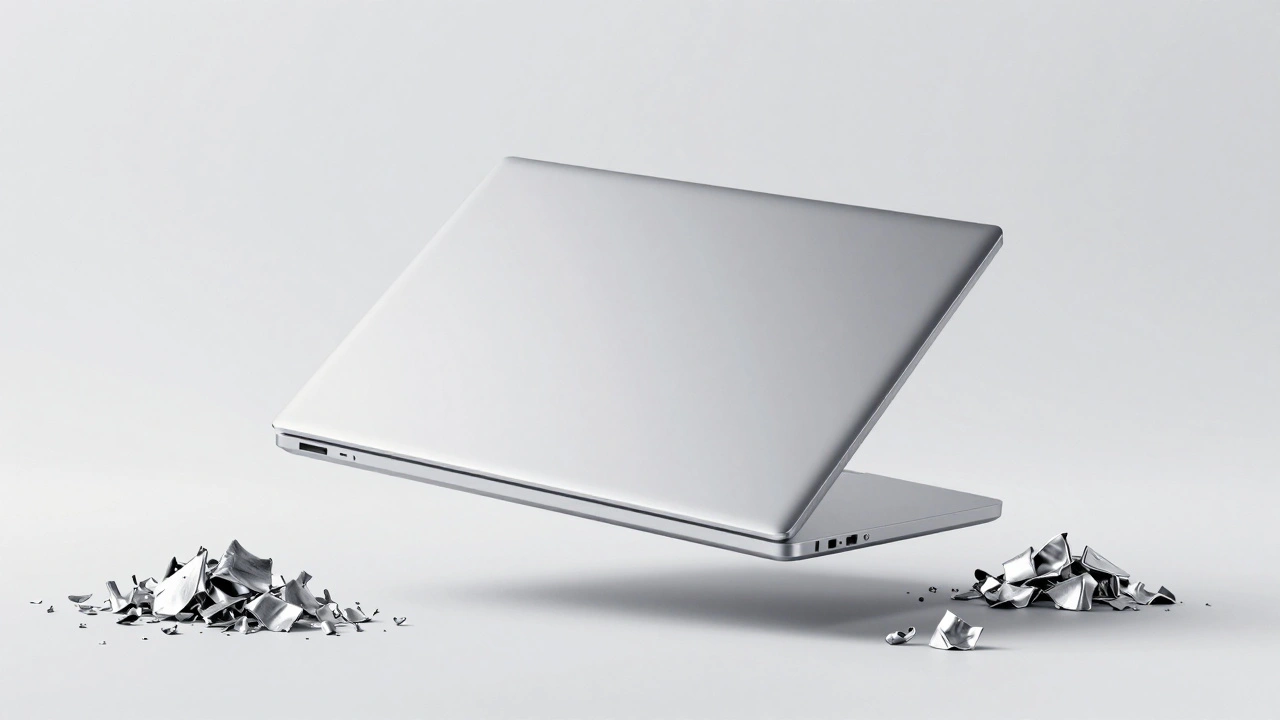
Environmental considerations played an important role in the development and promotion of this manufacturing method. The aluminum shavings generated during the machining process are collected and recycled. Steve Jobs specifically noted that the new MacBooks are the greenest notebooks in the industry. This sustainability aspect addressed growing environmental concerns while maintaining the manufacturing innovation's core benefits.
It sounds counterintuitive that a process that shaves off so much metal is green. However, the waste material is not trash. It is pure aluminum scrap that can be melted down and reused. This closed-loop system reduces the need for mining new raw materials. The company would later briefly reintroduce a unibody polycarbonate version, which was scrapped after just one year, indicating that the aluminum unibody became the preferred standard for both durability and recyclability.
Expansion Across Product Lines
Beyond the MacBook line, Apple extended unibody manufacturing principles to other product categories. The Mac Pro, announced in 2013, incorporated similar manufacturing philosophies using deep drawing. This process efficiently produces a net shape part by creating a hunk of metal very close to the final shape in just a couple of operations. The Mac Pro enclosure was then lathe turned to clean up the surface and achieve desired tolerance, polished, placed back in a machining center to produce the I/O ports, power button, and chamfer features, and finally anodized.
This process was significantly more efficient than simply chucking a giant hunk of aluminum in a lathe, which would have involved extremely wasteful material removal. The design choice has remained consistent across the 18-year period, despite advances in materials science and manufacturing technology. The sustained adoption of unibody aluminum manufacturing from 2008 through 2026 demonstrates the durability and effectiveness of this material transition.
| Feature | Pre-2008 Assembly | Unibody Manufacturing |
|---|---|---|
| Material | Plastic and Aluminum Sheets | Single Aluminum Block |
| Components | Multiple Parts + Gaskets | Single Piece Chassis |
| Structural Rigidity | Dependent on Fasteners | High (Monolithic) |
| Waste Management | Scrap Plastic/Metal | Recycled Aluminum Shavings |
| Assembly Complexity | High (Alignment Required) | Low (Pre-formed) |
Design Philosophy and Legacy
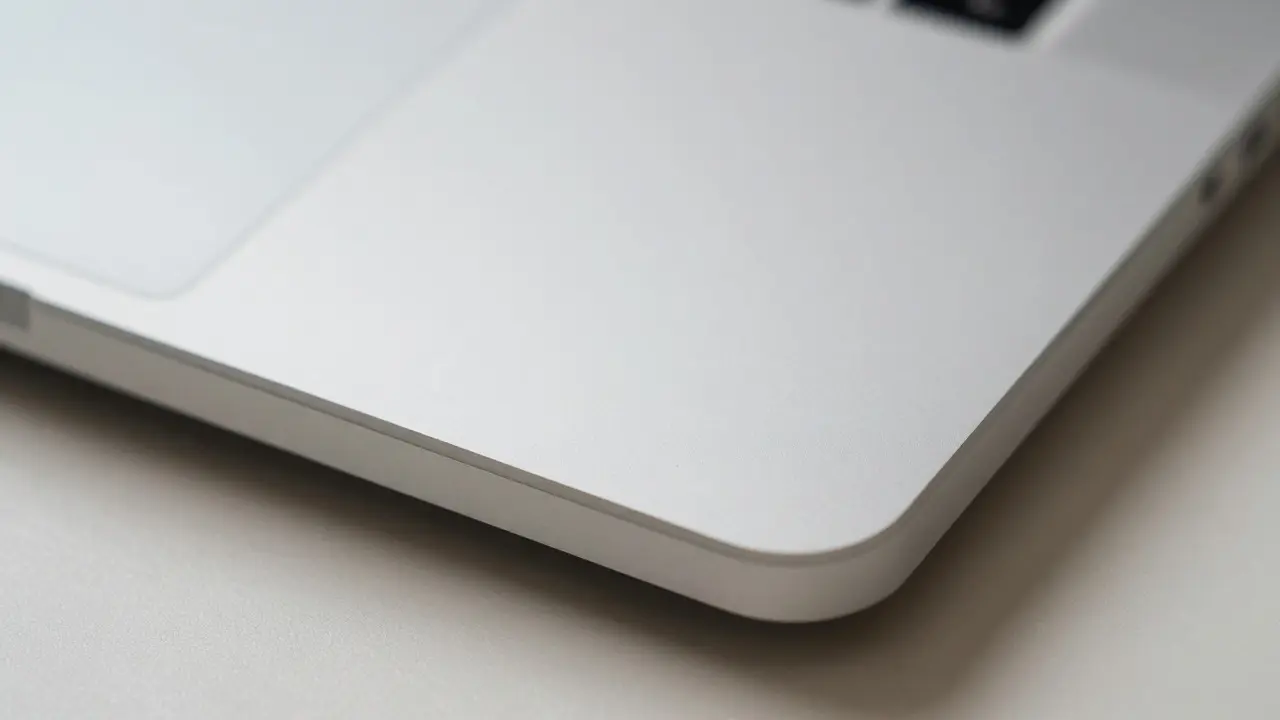
The introduction of unibody aluminum construction achieved multiple objectives simultaneously. It made laptops significantly thinner and lighter while maintaining or improving structural rigidity. It eliminated internal support frames and fastening hardware. It reduced manufacturing complexity despite the precision required. It provided an elevated aesthetic that became synonymous with Apple's design language. Jonathan Ive's observation that the unibody design is in many ways more beautifully internal than external captures how the manufacturing innovation affected both the product's physical form and its underlying structure.
The manufacturing process has generated substantial industry interest and analysis. The YouTube channel How It's Made produced a detailed breakdown of MacBook manufacturing that documented the entire 13-step milling process. This captured the complexity and precision involved in carving a single block of aluminum into the intricate structure required for a functional laptop. The process's prominence in popular science and manufacturing discourse demonstrates its significance as an innovation in computer hardware production.
The unibody approach has become so emblematic of Apple's design philosophy that it now extends beyond laptops to other product categories including tablets and desktops. It represents a complete transition in the company's manufacturing methodology across multiple product lines. The design philosophy has persisted from 2008 to the present day, becoming a defining characteristic of Apple's laptop design language. This consistency suggests that the fundamental approach achieved a compelling balance between performance, aesthetics, manufacturability, and cost considerations.
Lessons for Modern Designers
What can we take from this history? First, material choice dictates form. You cannot design a seamless aluminum chassis if you are using plastic injection molding techniques. The material forces you to think about how it is removed rather than how it is added. Second, consolidation reduces failure points. Every screw is a potential failure point. Every seam is a place where dirt collects or water enters. By removing the seams, you remove the problems.
Third, waste can be a resource. The aluminum shavings are not trash; they are inventory for the next cycle. This mindset shift from linear consumption to circular production is vital for modern engineering. Finally, precision pays off. The 13-step milling process is expensive and time-consuming, but the resulting product commands a premium price and lasts longer. In 2026, looking back at 2008, it is clear that the investment in tooling and process development created a legacy that outlasted many competitors who stuck to cheaper assembly methods.
What is the unibody manufacturing process?
The unibody manufacturing process involves milling a single block of aluminum into a laptop chassis using CNC machinery. It eliminates the need for multiple internal frames and fasteners by creating the entire body from one solid piece of metal.
When did Apple start using unibody for MacBooks?
Apple introduced the unibody aluminum design for the MacBook Pro in October 2008. This marked a shift from the previous multi-part plastic and aluminum assembly methods used in earlier models.
How many milling steps are involved in creating a unibody chassis?
According to manufacturing documentation, the aluminum block undergoes a total of 13 distinct milling processes to create the final laptop structure, including carving keyboard openings and polishing edges.
Is the aluminum waste from unibody manufacturing recycled?
Yes, the aluminum shavings generated during the machining process are collected and recycled. Steve Jobs noted that this made the new MacBooks the greenest notebooks in the industry at the time.
Did Apple use unibody for products other than laptops?
Yes, the unibody manufacturing principles were extended to other categories, including the Mac Pro announced in 2013, which used deep drawing and lathe turning to achieve a similar net shape.

Categories
Popular Articles