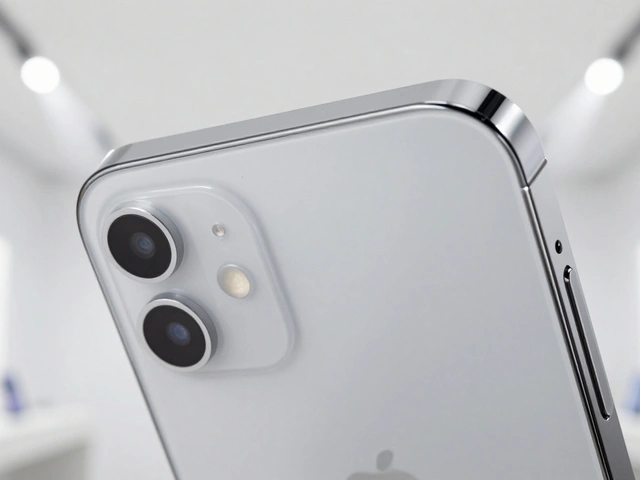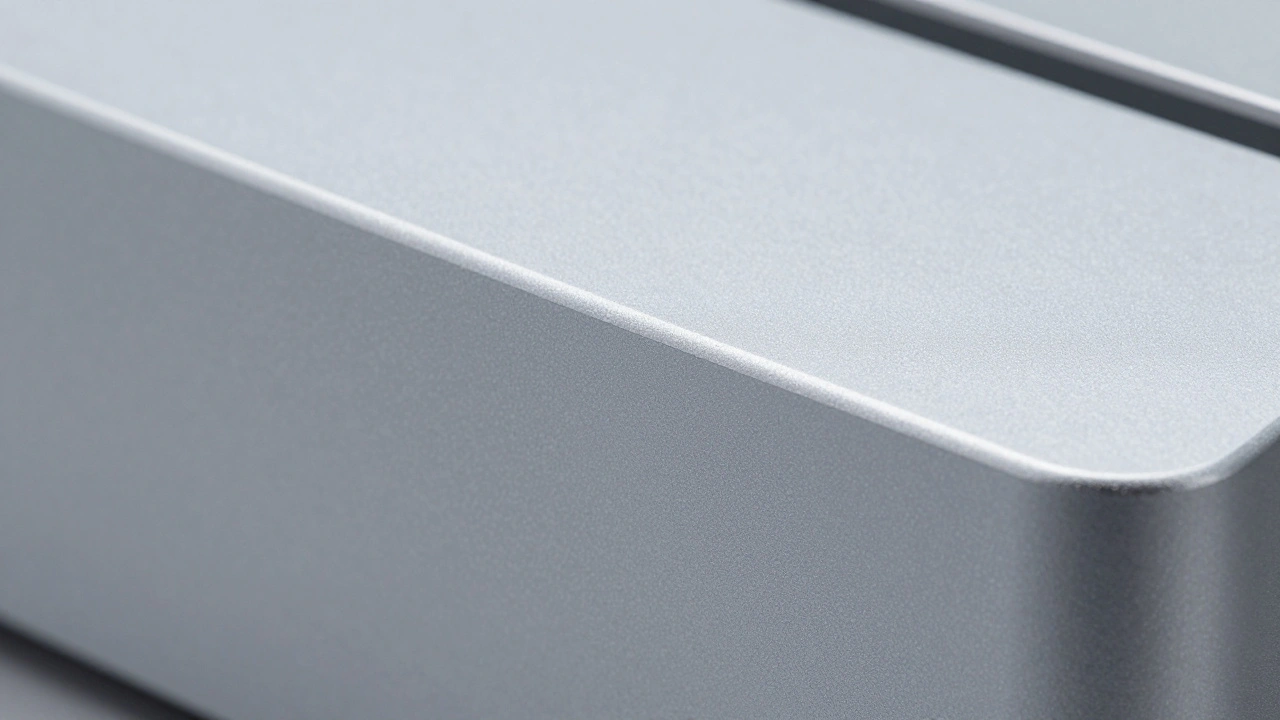

When you hold an Apple device, what strikes you first isn't just the screen or the logo-it's the way the metal feels. It’s seamless. There are no visible screws holding the case together, no gaps between different panels, and that signature matte texture that seems to absorb light rather than reflect it. This isn’t accidental styling; it is the result of a specific manufacturing philosophy where precision engineering becomes the primary aesthetic driver.
Apple didn't invent aluminum casing, but they did change how we perceive it. By treating the enclosure not as a shell to protect internal components, but as a structural element in its own right, they turned industrial processes like CNC machining and heat forging into visual language. Let’s look at how this works, why it matters for your daily use, and what the latest shift to heat-forged unibodies means for the future of smartphone design.
The Evolution: From Sheet Metal to Seamless Blocks
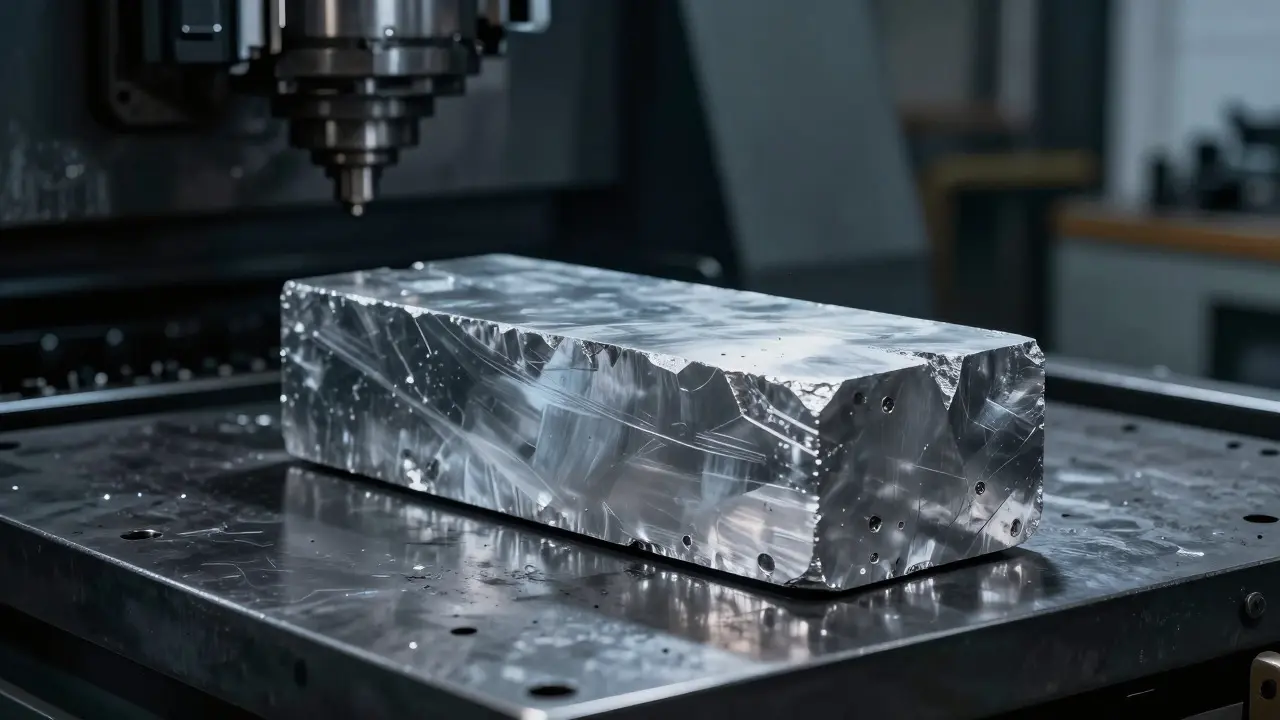
To understand why the current design feels so distinct, you have to look back at where it started. In 2003, the PowerBook G4 introduced sheet metal construction. It was sleek for its time, but it still relied on multiple parts joined together. The real breakthrough came later with the introduction of "unibody" enclosures. Instead of stamping thin sheets of metal and bending them, engineers began starting with a solid block of aluminum.
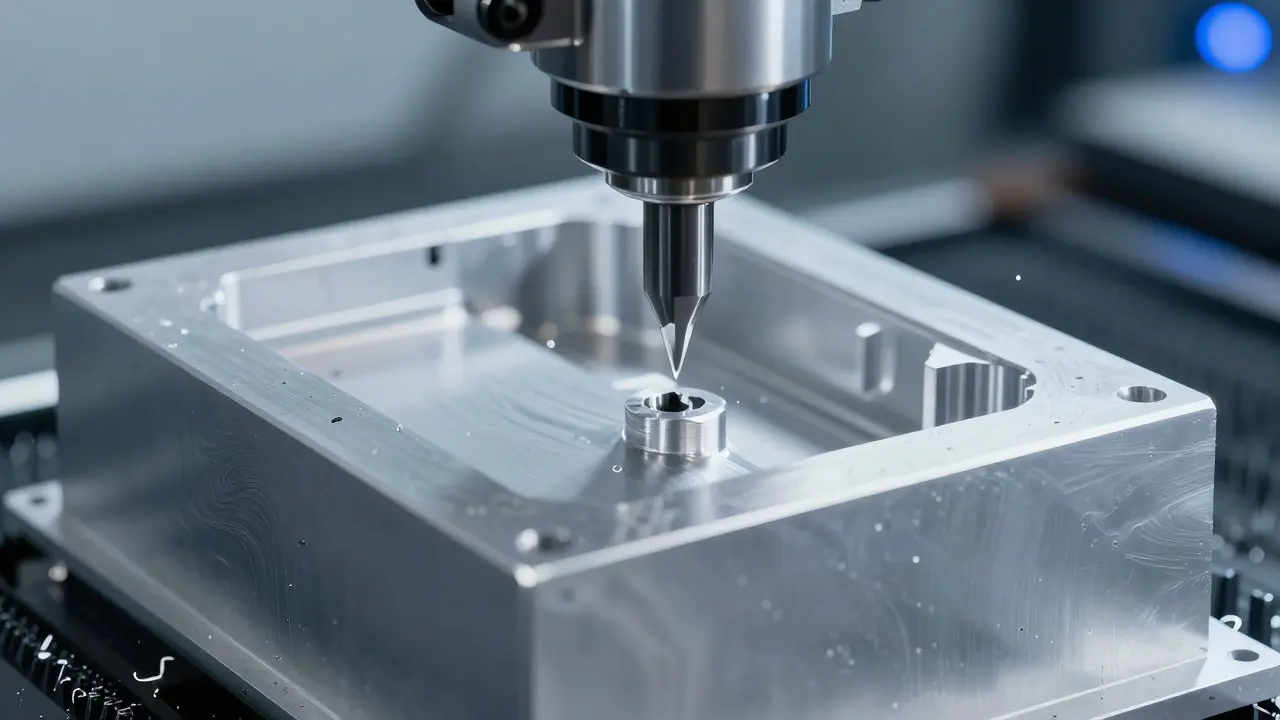
This shift required a massive change in manufacturing logic. You don't assemble a unibody; you carve it out. Using five-axis CNC milling machines, manufacturers remove material from a solid billet until only the final shape remains. This creates a structure that is significantly more rigid than multi-part assemblies because there are no weak points where two pieces meet. Over the years, this technique became the signature look for everything from iPod Shuffles to Mac Pros, creating a visual continuity that users instantly recognize.
The aesthetic consistency is deliberate. Almost every aluminum Apple product features a fine matte texture created by blasting bare aluminum with ultra-fine glass beads at high speed. This isn't just about looks; it hides fingerprints and minor scratches better than a glossy finish. The only major exception is the Mac Pro (2013-present), which uses a high-gloss exterior, proving that Apple controls these aesthetic choices intentionally based on the product's role.
Heat Forging: The New Standard for Structural Integrity
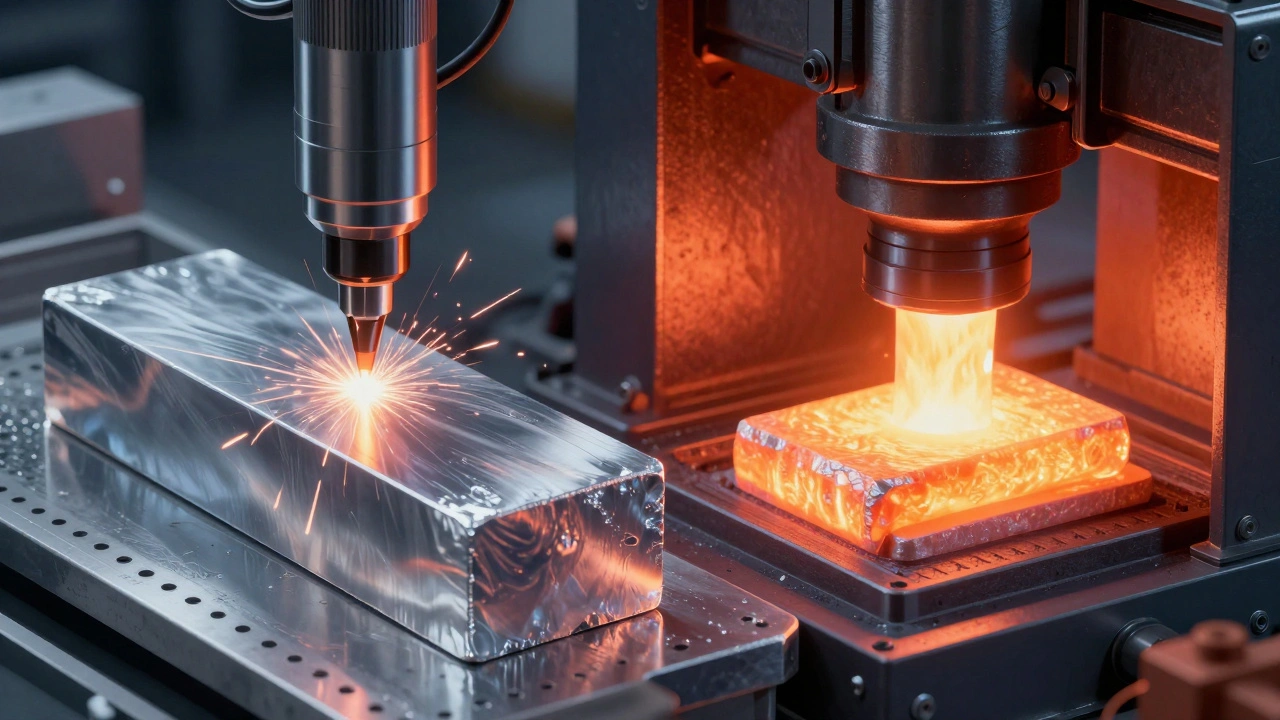
While CNC machining has been the standard for over a decade, the industry is shifting toward a more advanced method: heat forging. This technology made its headline debut with the iPhone 17 Pro, unveiled in Fall 2025. Unlike CNC, which subtracts material, heat forging shapes the metal under extreme pressure and temperature, creating the frame in a single step.
Here is why this matters for you. Traditional assembly involves joining separate pieces, which can create micro-fractures or weak joints over time. Heat forging produces a one-piece structural integrity. The process uses 7075 aluminum alloy, a grade typically reserved for aerospace applications due to its strength-to-weight ratio.
The manufacturing sequence is precise:
- Material Preparation: High-purity billets undergo homogenization annealing to relieve internal stress.
- Controlled Heating: The alloy is heated to 420-480°C in an inert atmosphere. The rate is strictly controlled-no more than 5°C per minute-to prevent burning.
- Die Forging: A press exerting 5,000-15,000 kN of force forms the complete unibody frame, including the bezel and camera housing, in one stroke.
- Heat Treatment: Solution treatment at 480°C followed by water quenching and artificial aging increases strength by approximately 30%.
- CNC Refinement: Five-axis milling refines functional areas like ports and buttons with tolerances within ±0.02 mm.
- Final Inspection: 3D scanning and ultrasonic testing detect defects as small as 0.1 mm.
The result is a tensile strength of 300-400 MPa with 10-20% elongation. This balance ensures the phone is tough enough to resist cracking while remaining flexible enough to absorb impact without shattering.
Why Aluminum Beats Titanium for Daily Use
You might wonder why Apple chose aluminum over titanium, especially when competitors are heavily marketing titanium frames. The answer lies in thermal management and weight distribution. Aluminum has a thermal conductivity that is approximately 20-30 times higher than titanium.
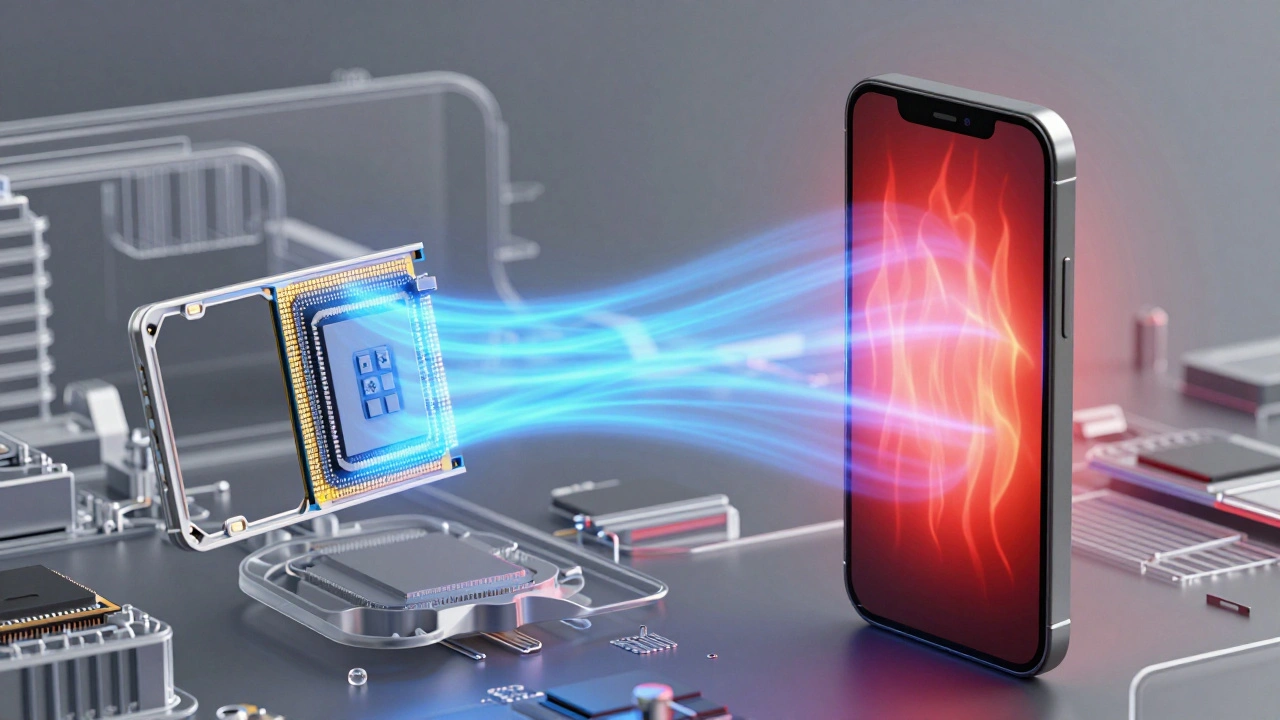
In practical terms, this means heat dissipates much faster. When you are gaming, editing video, or charging quickly, the processor generates significant heat. With the iPhone 17 Pro’s aluminum frame working alongside vapor chamber cooling systems, the A19 Pro chip can sustain peak performance levels longer before throttling down. Titanium traps heat more effectively, which can lead to slower performance during sustained heavy loads.
Additionally, the heat-forged aluminum frame achieves 20% higher bending strength than comparable titanium housings while reducing the overall device weight by 15%. For a device you hold in your hand for hours, that weight reduction reduces fatigue, and the increased rigidity protects internal components from bending under pressure.
| Feature | Heat-Forged Aluminum (iPhone 17 Pro) | Titanium Housing (Competitors) |
|---|---|---|
| Thermal Conductivity | High (20-30x greater than titanium) | Low (Traps heat) |
| Bending Strength | 20% higher | Standard |
| Weight | 15% lighter | Heavier |
| Surface Wear | May show slight wear over time | More resistant to scratching |
| Manufacturing Method | Heat Forging + CNC | Machining + Assembly |
Aesthetics as a Functional Constraint
The beauty of unibody construction is that it removes the constraints of assembly. In traditional designs, you need space for screws, clips, and overlapping panels. This limits how thin you can make the bezels or how large you can make the camera module. With a unibody, the entire frame is one continuous piece.
This freedom allowed Apple to implement large camera modules with 8x optical zoom while maintaining sleek aesthetic proportions. The camera housing isn't glued on; it is part of the forged frame. This integration improves alignment accuracy and reduces the risk of lens misalignment after drops. The raised camera edges, often criticized for collecting dust, are actually designed to keep the lenses off flat surfaces when you set the phone down. While these edges may develop minor abrasions over time, Apple notes this is normal wear consistent with most premium smartphones.
The matte finish applied via sandblasting or anodizing also serves a functional purpose. Anodizing creates a hard oxide layer that preserves the distinctive finish and enhances durability against corrosion. This treatment ensures that the device doesn't just look good on day one, but maintains its structural integrity and appearance over years of use.
Durability Realities and Consumer Expectations
No material is indestructible. Some consumers expressed concerns about the durability of the aluminum unibody on the iPhone 17 Pro compared to tougher materials like ceramic shield or hardened steel. Apple addressed this directly: aluminum was selected specifically for its superior heat performance and weight characteristics.
It is important to manage expectations. While the heat-forged process makes the frame incredibly rigid-increasing overall rigidity by 40% compared to traditional multi-part designs-the surface is still metal. It will scratch. It may dent if subjected to extreme point-force impacts. However, the trade-off is worth it for most users because the internal protection is superior. The lack of weak joints means that when you drop the phone, the energy is distributed across the entire frame rather than concentrating at screw holes or panel seams.
If you are worried about cosmetic wear, a case is still recommended. But structurally, the unibody design offers peace of mind that the device won't come apart or suffer from flex-induced screen damage as easily as older multi-part designs.
The Broader Impact on Industry Design
Apple’s commitment to aluminum unibody construction has influenced the entire consumer electronics industry. Manufacturers who once used plastic or stamped metal have adopted similar design languages, recognizing that precision manufacturing contributes significantly to brand perception. Consumers now associate seamless metal bodies with premium quality.
This trend shows that engineering specifications are no longer hidden inside the box-they are the product itself. The visibility of manufacturing precision, communicated through consistent aesthetic cues like the matte finish and unified construction, has become a form of brand communication. It justifies premium pricing and sustains competitive differentiation in a crowded market.
As we move further into 2026, the focus is shifting from simply making things thinner to making them stronger and more thermally efficient. Heat forging represents the next logical step in this evolution, balancing the desire for robust hardware with the need for lightweight, portable devices.
What is the difference between CNC machining and heat forging?
CNC machining is a subtractive process where material is carved away from a solid block to create the final shape. Heat forging is a formative process where aluminum is heated and pressed into a mold under high pressure to create the shape in one step. Heat forging generally results in stronger grain structure and less material waste.
Is aluminum unibody more durable than titanium?
In terms of bending strength and rigidity, yes. The heat-forged aluminum used in the iPhone 17 Pro offers 20% higher bending strength than typical titanium housings. However, titanium is generally more resistant to surface scratching and abrasion. Aluminum excels in thermal conductivity, helping the device stay cooler during heavy use.
Why does Apple use a matte finish on aluminum devices?
The matte finish is created by blasting aluminum with ultra-fine glass beads. This texture helps hide fingerprints, smudges, and minor scratches better than a glossy finish. It also provides a consistent tactile feel and reinforces brand identity across all product lines.
What is 7075 aluminum alloy?
7075 aluminum is a high-strength alloy originally developed for aerospace applications. It contains zinc as its primary alloying element, providing exceptional strength-to-weight ratio. In consumer electronics, it allows for thinner, lighter devices that are still highly resistant to deformation.
Will my iPhone 17 Pro scratch easily?
Like any metal surface, aluminum can scratch. Apple acknowledges that the aluminum unibody may develop slight wear relative to harder materials like titanium. However, the anodized surface treatment adds a layer of hardness to mitigate this. Using a protective case is the best way to preserve the pristine condition of the frame.
How does unibody construction affect battery life?
Unibody construction increases rigidity by approximately 40%, allowing manufacturers to maintain slim form factors without sacrificing structural integrity. This efficiency can sometimes allow for larger internal batteries or more efficient placement of components, indirectly supporting better battery utilization and thermal management.