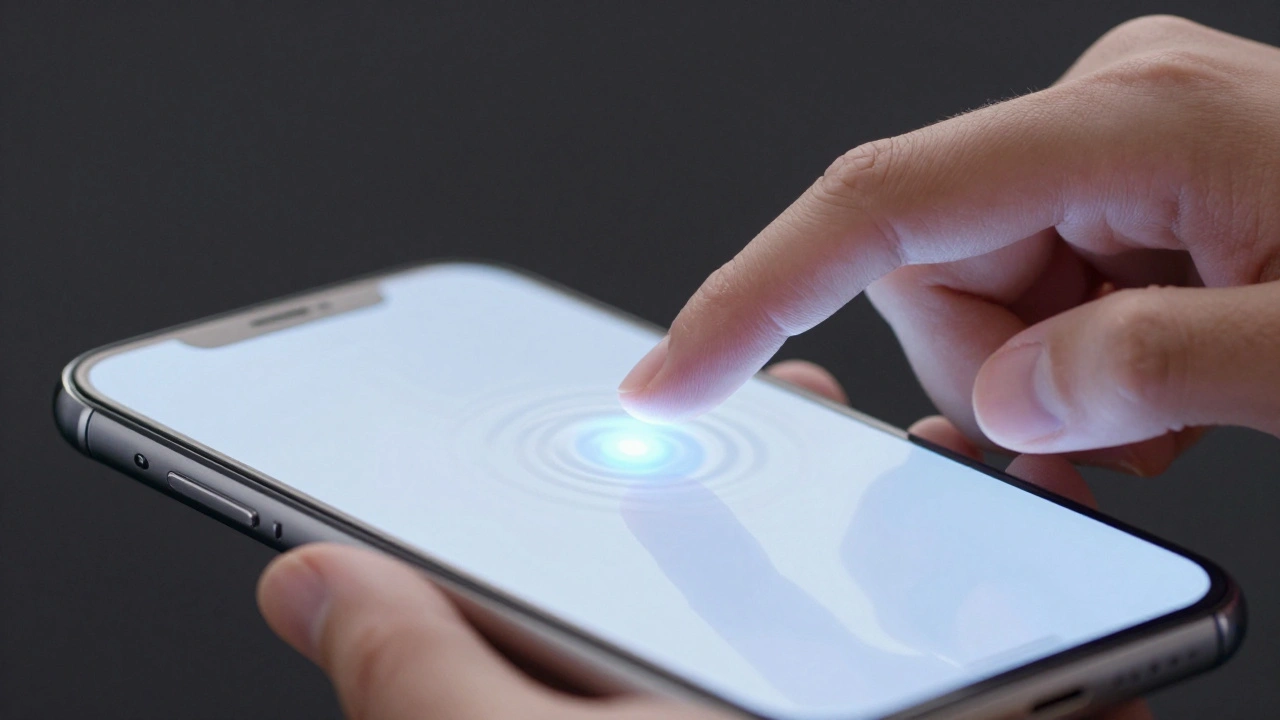

Ever wonder why almost every smartphone on the planet feels and operates exactly the same way? It isn't a coincidence or a lack of creativity. It is the result of a very specific Apple design strategy that doesn't just create products, but dictates how the rest of the world builds them. Apple has a knack for taking existing, obscure technologies and refining them into a "standard" that becomes the baseline for an entire industry.
When we talk about industry standards, we aren't talking about official certifications or committees. We are talking about de facto standards. This happens when a product is so successful and its interface so intuitive that consumers demand the same experience from every other brand. From the way you pinch to zoom on a photo to the seamless feel of a bead-blasted aluminum chassis, Apple's influence is woven into the hardware we touch every day.
The Multitouch Pivot: Turning a Lab Project into a Global Standard
Before 2007, touchscreens existed, but they were clumsy. Most devices used resistive screens, which required you to physically press down on the glass to make a connection. It felt like pushing a button through a piece of plastic. Then came the original iPhone, and suddenly, the world shifted to Capacitive Touch is a technology that uses the electrical properties of the human body to detect touch without requiring physical pressure.
Apple didn't invent the concept of touching a screen, but they mastered the implementation. A huge part of this was the acquisition of FingerWorks, a startup founded by Wayne Westerman and John Elias. FingerWorks had developed the ability to track multiple touch points simultaneously, which Apple then adapted from an opaque trackpad to a transparent glass layer. This is where the magic of Multitouch comes in-the ability for a device to recognize two or more distinct points of contact at once.
Think about the first time you used a "pinch-to-zoom" gesture. It felt natural, right? That's because Apple spent years refining a gesture language that mimicked how we interact with physical objects. By the time the iPhone hit the shelves, the "pinch" and the "swipe" weren't just features; they became the vocabulary for the mobile age. Once users got used to this, no one wanted to go back to a stylus or a resistive screen. Every competitor-from Samsung to Google-had to adopt capacitive multitouch just to stay relevant.
The Shift to Unified Materials: The Architecture of Feel
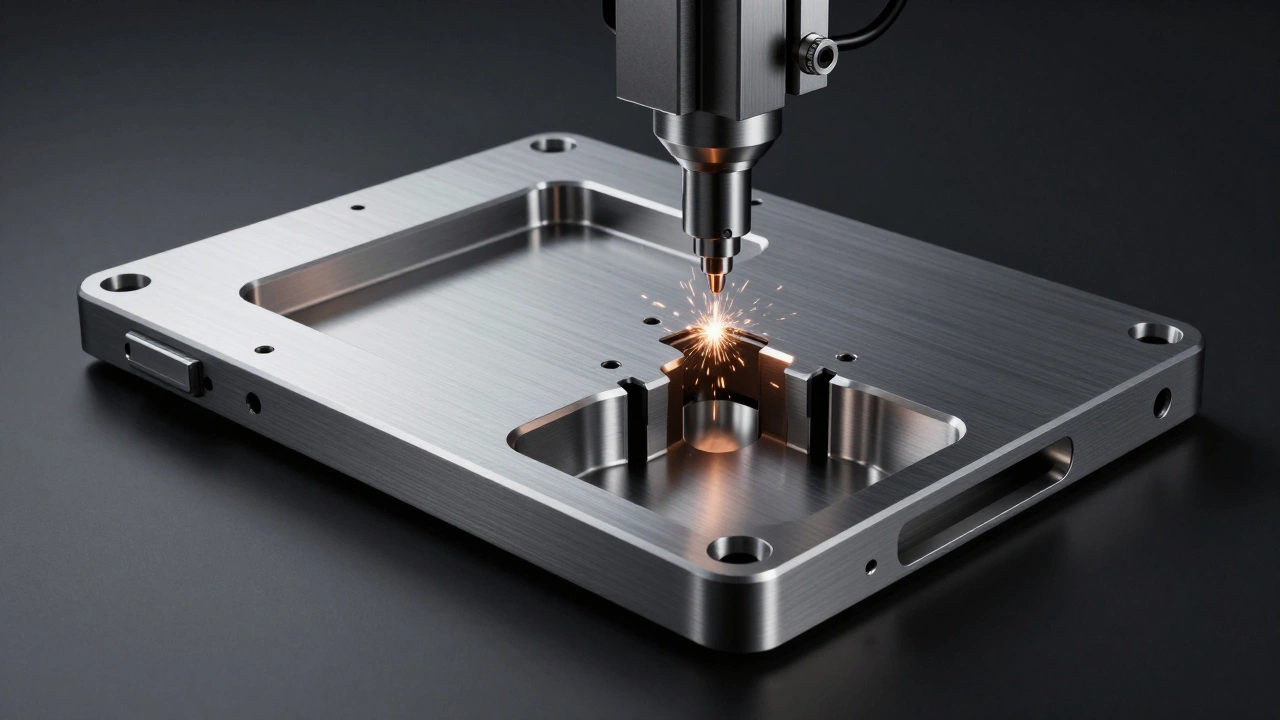
Apple’s standard-setting isn't limited to software or interfaces. They apply the same rigor to the physical substances they use. In the early days, electronics were mostly plastic-functional, cheap, and disposable. Apple shifted the industry toward a philosophy of unified materials, where the chassis isn't just a box to hold components, but a structural element of the design.
The move to Anodized Aluminum in the MacBook and iPad lines changed the expectation of what a "premium" device feels like. By using a single block of metal (often through a process called CNC machining), Apple achieved a level of rigidity and thermal efficiency that plastic couldn't match. This created a new industry standard: if a laptop didn't have a metal finish, it felt "cheap."
More recently, this has evolved into the use of surgical-grade stainless steel and aerospace-grade titanium. When Apple introduced titanium in the iPhone 15 Pro, they weren't just trying to save a few grams of weight. They were signaling a shift in the material hierarchy of consumer electronics. Now, we see a trend across the industry where manufacturers compete on the specific grade of alloy used, treating material science as a primary marketing feature.
| Era | Key Technology/Material | Previous Industry Norm | Lasting Impact |
|---|---|---|---|
| 2007+ | Capacitive Multitouch | Resistive Screens / Stylus | Finger-based navigation became the global UI standard. |
| 2008+ | Unibody Aluminum | Plastic injection-molded shells | Metal chassis became the benchmark for "premium" hardware. |
| 2010+ | Retina Display | Low-density LCD (visible pixels) | Forced a race toward high-PPI (pixels per inch) screens. |
| 2023+ | Titanium Grade 5 | Surgical Stainless Steel / Aluminum | Shifted focus toward strength-to-weight ratios in mobile design. |
The Secret Sauce: Why Apple’s Standards Stick
You might ask why a company like Microsoft or Samsung doesn't just set the standard first. The answer lies in the intersection of vertical integration and obsessive refinement. Apple controls the hardware (the chip), the operating system (iOS/macOS), and the app store. Because they own the whole stack, they can ensure that a gesture like "swipe to go back" feels exactly the same across every single app.
They also employ a strategy of "delayed perfection." Apple rarely is the first to a new technology. They wait, watch others fail, and then release a version that is so polished that it defines the category. For example, tablets existed long before the iPad, but they were mostly oversized phones or clunky laptops without keyboards. Apple defined the "tablet" as a lean-back consumption device with a specific aspect ratio and a touch-first OS. That definition held for over a decade.
Another key is the removal of the "unnecessary." By removing the physical keyboard from the iPhone or the headphone jack from later models, Apple forces the industry to move toward new standards (like wireless audio and on-screen typing). While these moves are often controversial, they usually trigger a wave of innovation in the broader ecosystem. Once the industry accepts the new norm, Apple wins because they already built the infrastructure to support it.
Avoiding the Pitfalls of Standardization
Setting a standard is a double-edged sword. When you define how everyone should interact with a device, you risk creating a monoculture where innovation slows down because everyone is just copying the leader. This is the "iPhone-ification" of the smartphone-where every device eventually looks like a black glass rectangle.
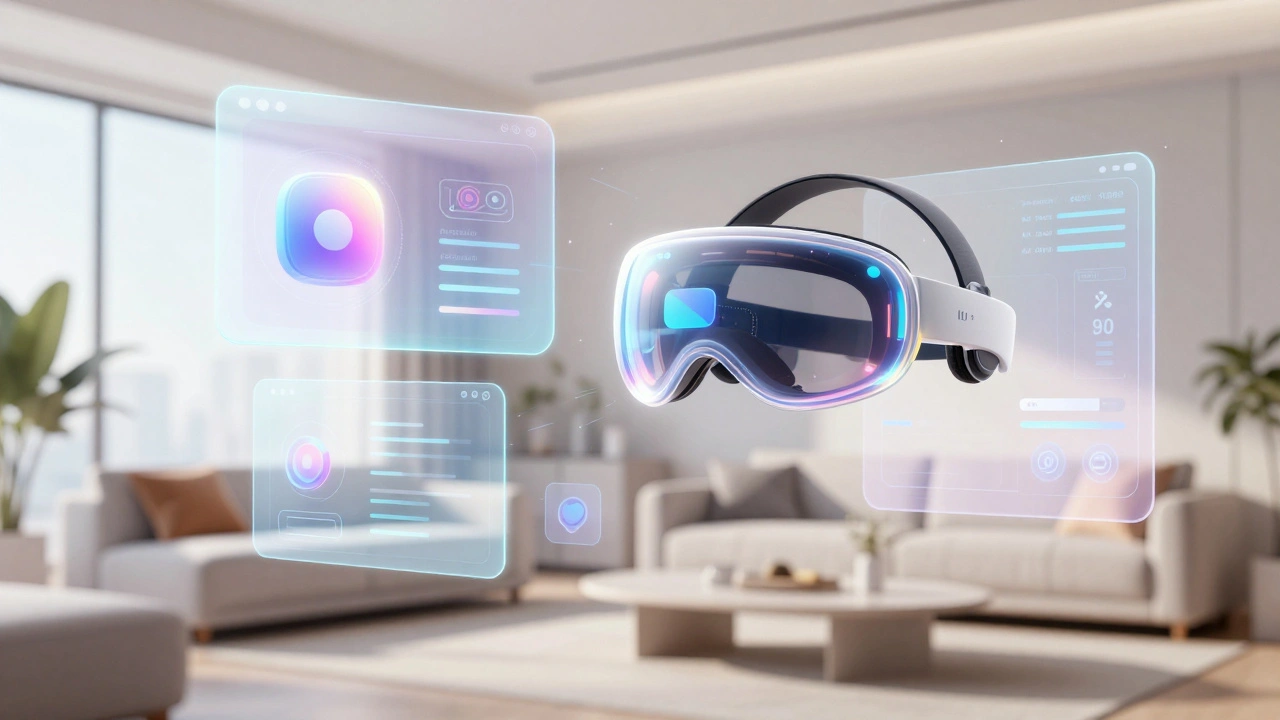
However, Apple mitigates this by constantly shifting the goalposts. Just as the world mastered the touch screen, Apple began exploring Spatial Computing with the Vision Pro. They are attempting to move the industry standard from a 2D screen to a 3D environment. If they succeed, the "standard" for computing will no longer be a handheld device, but an immersive overlay of digital information on the physical world.
Practical Lessons for Designers and Engineers
If you're looking to implement Apple's approach to design strategy in your own work, focus on these three heuristics:
- Reduce Friction: Don't ask the user to learn a new skill. Use gestures or materials that feel natural to human intuition.
- Focus on the "Feel": Material choice isn't just about durability; it's about the emotional response. A cold, heavy piece of metal suggests permanence and value.
- Iterate Toward Simplicity: The goal isn't to add more features, but to remove the barriers between the user and their goal. If a physical button can be replaced by a seamless gesture without adding complexity, remove the button.
Did Apple invent the touchscreen?
No. Touchscreens and even multitouch concepts existed decades before the iPhone. For instance, researchers at the University of Toronto and Bell Labs were working on touch interfaces in the 80s. Apple's achievement was not invention, but commercialization-they took the technology and made it intuitive, scalable, and mass-market ready.
What is a "unified material" in Apple's design language?
Unified materials refer to the practice of using a single, high-quality material for a large portion of a device's structure (like the aluminum unibody) rather than assembling it from many small, different pieces. This increases structural integrity, improves the tactile feel, and creates a cohesive visual aesthetic.
Why did Apple prefer capacitive screens over resistive ones?
Capacitive screens are much more responsive and support multitouch gestures (like pinching) because they detect the electrical charge of your skin. Resistive screens require physical pressure to push two layers together, making them feel sluggish and limiting them to single-point interaction.
How does Apple's strategy affect other brands?
When Apple successfully launches a feature (like FaceID or an edge-to-edge screen), it changes consumer expectations. Other brands are forced to implement similar features to avoid appearing obsolete, which effectively turns Apple's design choices into the industry standard.
What was the role of FingerWorks in the iPhone's success?
FingerWorks provided the core research and intellectual property for recognizing multiple simultaneous touch points. Apple acquired the company in 2005 and transitioned their opaque trackpad technology into the transparent capacitive glass we see on smartphones today.
Next Steps for Further Exploration
If you're fascinated by how hardware and software merge to create a user experience, look into Human Interface Guidelines (HIG). This is the playbook Apple provides to developers to ensure that every app on their platform follows the same logic. Understanding the HIG will give you a deeper look at the "why" behind the "how." You might also want to research the history of industrial design from the Bauhaus movement, as much of Apple's minimalism is rooted in those early 20th-century philosophies of form following function.