
Have you ever wondered why an iPhone feels just as familiar in Tokyo as it does in New York? You pick up the device, and the interface looks identical. The icons are in the same places. The gestures work exactly the way you expect them to. Yet, if you look closer, you’ll notice subtle shifts. The App Store recommendations change. The marketing ads feature local faces. Even the hardware might have different specs depending on where you bought it.
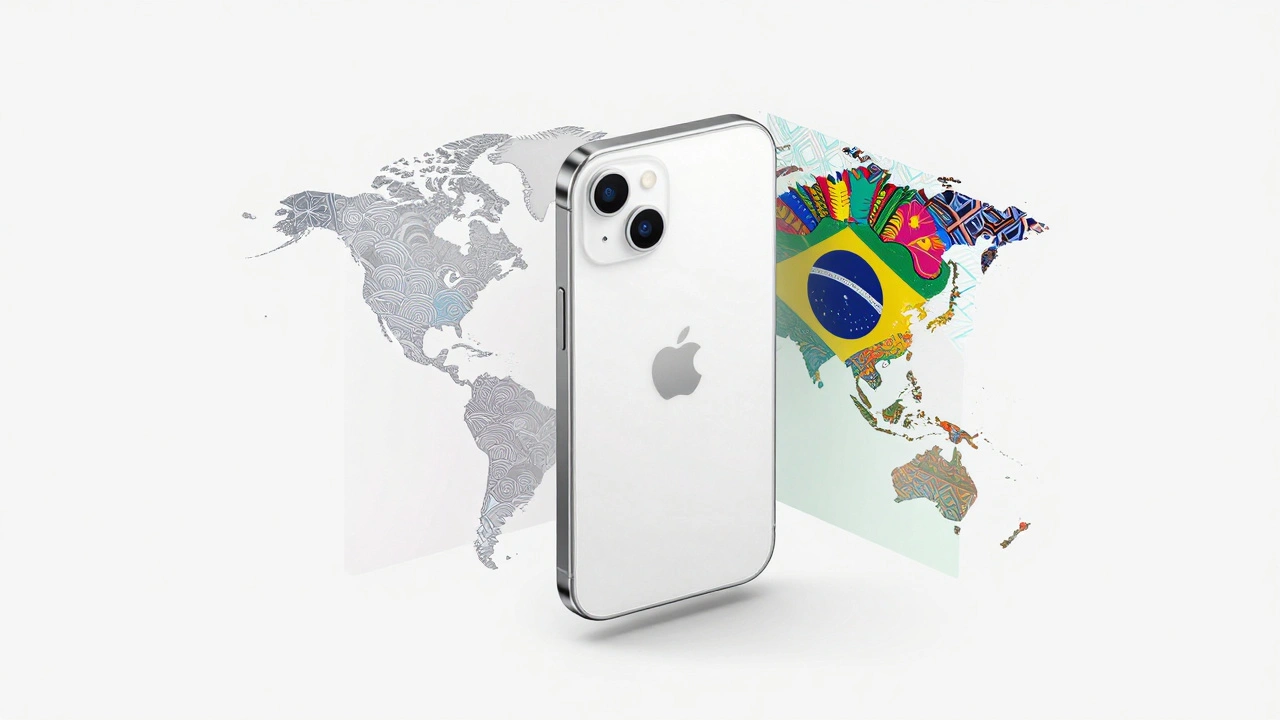
This is not an accident. It is a deliberate strategy known as globalization by design, which refers to the strategic balance between maintaining a unified global brand identity while adapting products and experiences to meet specific local cultural, regulatory, and consumer needs. For decades, Apple Inc. has been a multinational technology company that designs, manufactures, and markets consumer electronics, software, and online services, renowned for its minimalist aesthetic and premium brand positioning. They have mastered this balance better than almost any other company. They don’t just translate text; they adapt entire ecosystems. This approach allows them to maintain their premium status globally while feeling personally relevant to users in every single market.
The Core Philosophy: Standardized Hardware, Localized Soul
At first glance, Apple’s product lineup seems rigidly standardized. Whether you buy a MacBook Pro in London or Mumbai, the aluminum chassis, the trackpad, and the screen resolution are identical. This standardization creates a powerful sense of brand reliability. You know exactly what you are getting. But beneath this uniform exterior lies a complex system of adaptation.
Apple operates on a hybrid model that blends three distinct strategies. First, there is the global standardization strategy, which keeps the core design language consistent. Second, there is the multi-domestic strategy, where they tweak features for specific regions. Finally, there is the transnational strategy, which combines global efficiency with local responsiveness. This mix ensures that while the skeleton of the product remains the same, the flesh and blood adapt to the local environment.
Consider the iPhone. In countries like China and Japan, Apple offers specific hardware configurations. These aren't just cosmetic changes. They include dual-SIM capabilities tailored to local carrier preferences or specific battery optimizations for regional network standards. By doing this, Apple meets personalized consumer needs without breaking the visual continuity of the brand. This differentiation helps them stay competitive against local rivals who might offer more region-specific features out of the box.
Marketing That Speaks Your Language (Literally and Culturally)
Apple’s advertising is famous for its clean aesthetics and minimal text. A white background, a sleek product shot, and a short tagline. This visual consistency works because simplicity is a universal language. However, the content within that frame changes dramatically based on location.
This is often called "glocalization." Apple maintains its global brand voice-innovative, premium, user-friendly-but injects local cultural nuances into the narrative. In many markets, their campaigns feature prominent local figures, athletes, or artists rather than generic models. This builds trust. When you see someone from your community using an Apple product, the brand feels less like a distant corporate entity and more like a part of your daily life.
For example, during holiday seasons, Apple tailors its promotional materials to reflect local traditions. In some regions, this means highlighting family gatherings; in others, it might focus on individual achievement or artistic expression. These adjustments are not random. They are the result of deep market research aimed at understanding what resonates emotionally with consumers in each geographic area.
Software as a Canvas for Inclusivity
If hardware is the body, software is the soul of Apple’s globalization strategy. The operating systems-iOS is Apple's mobile operating system for iPhones and iPod Touch devices, providing the user interface and core functionality for the company's smartphone ecosystem, macOS is the desktop operating system developed by Apple for its Macintosh computers, offering a Unix-based environment with a graphical user interface optimized for productivity and creativity, and watchOS is the operating system designed specifically for the Apple Watch, focusing on health tracking, notifications, and quick-glance interactions-are heavily localized. But this goes far beyond simple translation.
Apple invests significantly in inclusive design. At the Worldwide Developers Conference (WWDC) in 2021, the company emphasized that inclusive apps must welcome people from diverse backgrounds, not just those with disabilities. This philosophy drives features like adaptable emoji skin tones. Users worldwide can customize emojis to match their own appearance, making digital communication feel more personal and representative.
The App Store also plays a crucial role here. It doesn’t just list apps alphabetically. It curates content based on local tastes, purchasing power, and regulatory requirements. If you open the App Store in Seoul, the featured games and productivity tools will differ from those highlighted in São Paulo. This curation helps developers reach the right audiences and ensures that users discover applications that are actually useful in their specific context.
The Retail Experience: Global Icon, Local Hub
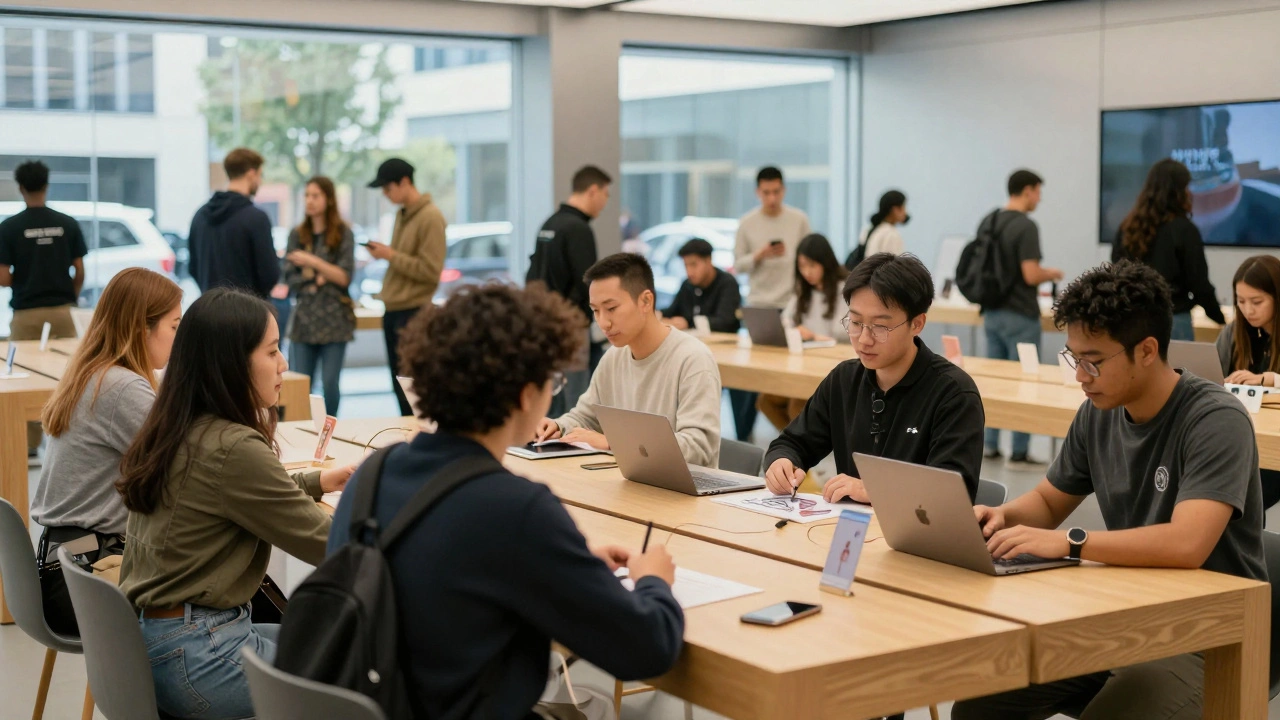
Walk into an Apple Store anywhere in the world, and you will recognize the layout immediately. The glass walls, the wooden tables, the Genius Bar. This consistency reinforces the brand’s premium image. But these stores are more than just showrooms; they are community hubs.
Apple adapts its retail experience to fit local customs. Staffing is entirely local, ensuring that customer service reflects the linguistic and cultural norms of the region. Event programming varies too. In some cities, the store hosts workshops on photography or coding; in others, it might partner with local artists for exhibitions. This dual purpose-maintaining brand consistency while serving as a space for local engagement-makes the physical store a vital part of the globalization strategy. It grounds the global brand in the local reality.
Navigating Regulatory and Cultural Minefields
Globalization is not without its challenges. Different countries have vastly different laws regarding data privacy, content restrictions, and consumer protection. In Europe, strict antitrust regulations force Apple to adjust how it handles app sideloading and payment systems. In China, data sovereignty laws require specific local data storage solutions.
Apple navigates these issues by balancing central control with regional autonomy. Headquarters sets the broad vision and design principles, but regional teams have the flexibility to make necessary adjustments to comply with local laws. This requires significant investment in legal expertise and market research. It also means constantly weighing the costs of customization against the benefits of standardization. Not every feature can be tweaked for every market. Apple has to decide which adaptations add real value and which would just complicate the user experience unnecessarily.
| Strategy Type | Key Focus | Example Implementation | |
|---|---|---|---|
| Global Standardization | Uniform branding and core design | Identical iPhone design and iOS interface structure worldwide | |
| Multi-Domestic | Adapting to specific local needs | Different iPhone hardware versions in China and Japan | |
| Transnational | Combining global scale with local relevance | Local App Store curation with global developer guidelines |
The Business Impact of Glocal Design
This balanced approach has paid off financially. Apple is consistently one of the most valuable companies in the world. Its ability to sell premium products across diverse economic conditions-from wealthy urban centers in North America to emerging markets in Southeast Asia-is a testament to this strategy.
By standardizing core elements, Apple achieves economies of scale. Manufacturing billions of similar components reduces costs. By localizing marketing and software, it increases market penetration. Consumers feel understood, which drives loyalty. This creates a feedback loop: global operations provide diverse consumer insights, which inform product improvements, which then get rolled out globally with local tweaks. This cycle of innovation and adaptation keeps the brand fresh and relevant.
Future Directions: Deepening Localization
As we move through 2026, Apple is doubling down on localization in emerging markets, particularly in Southeast Asia. The company recognizes that the richness of its app ecosystem depends on developers creating region-appropriate applications. To support this, Apple has increased investments in developer training programs focused on localization best practices.
The focus is shifting from basic translation to deep cultural integration. This includes supporting more languages, adapting payment methods to local preferences, and ensuring that accessibility features work seamlessly across different cultural contexts. Apple views localization not just as a commercial necessity, but as a social responsibility. By spreading advanced technology and design principles globally, they aim to promote development and progress in education, culture, and sustainability.
Ultimately, Apple’s success shows that global scale and local relevance are not opposites. They are complementary forces. By designing for both, Apple has created a brand that feels simultaneously universal and intimate. For designers and strategists, this offers a clear lesson: consistency builds trust, but localization builds connection.
What is globalization by design?
Globalization by design is a strategic approach where a company maintains a consistent global brand identity and core product design while adapting specific features, marketing messages, and user experiences to meet the cultural, regulatory, and consumer needs of local markets. It balances standardization for efficiency with localization for relevance.
How does Apple localize its products without losing brand consistency?
Apple uses a hybrid strategy. The core hardware design and user interface remain standardized globally to ensure brand recognition. However, they introduce local variations such as region-specific hardware configurations, localized App Store curation, culturally adapted marketing campaigns, and inclusive software features like customizable emoji skin tones. This allows them to feel locally relevant while remaining globally recognizable.
Why does Apple offer different iPhone versions in countries like China and Japan?
These differences address specific local preferences and regulatory requirements. For example, certain regions may require dual-SIM capabilities compatible with local carriers, or specific battery and network optimizations. This customization helps Apple compete effectively against local brands and ensures compliance with domestic standards, enhancing market competitiveness.
What role does inclusive design play in Apple's globalization strategy?
Inclusive design ensures that products are usable and welcoming to people from diverse backgrounds, not just those with disabilities. Features like adaptable emoji skin tones and comprehensive language support allow users worldwide to personalize their experience. This aligns with Apple's goal of making technology accessible and culturally resonant for all users, reinforcing brand loyalty through empathy and representation.
How do Apple Stores adapt to local communities?
While the physical design of Apple Stores is standardized globally, the staffing, customer service approaches, and event programming are localized. Stores employ local staff who understand regional languages and customs. They also host events that reflect local interests, such as art exhibitions or educational workshops, turning the store into a community hub rather than just a retail outlet.
What challenges does Apple face in its globalization efforts?
Apple faces significant challenges including navigating differing regulatory environments (such as data privacy laws in Europe and content restrictions in China), managing the high costs of customization versus standardization, and continuously researching cultural nuances to avoid missteps. Balancing central strategic vision with regional operational autonomy requires constant adjustment and investment.