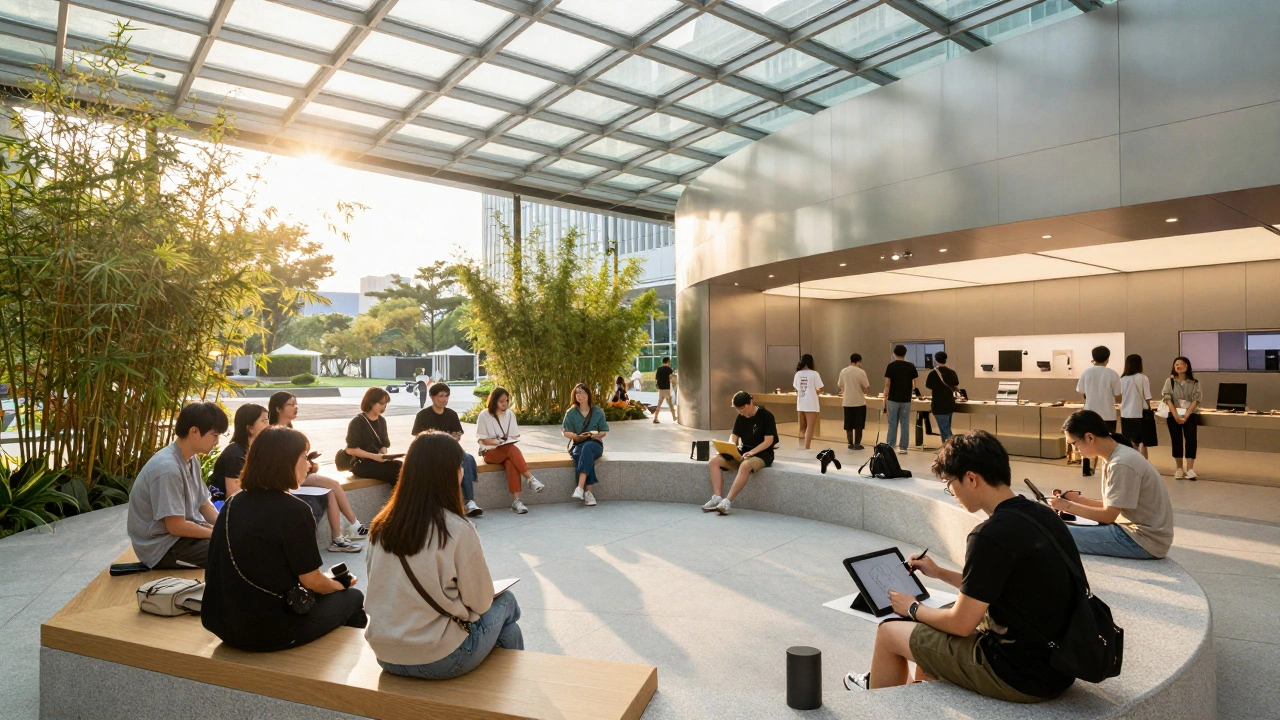

Apple doesn’t sell products in its stores. It builds community. If you’ve walked into an Apple store recently, you might have noticed something unusual: no cash registers, no crowded aisles, no pushy salespeople. Instead, there’s a quiet hum of people learning, creating, and talking. That’s by design. Apple’s retail spaces aren’t just places to buy an iPhone or MacBook-they’re town squares, classrooms, and creative studios rolled into one.
The Shift from Store to Gathering Place
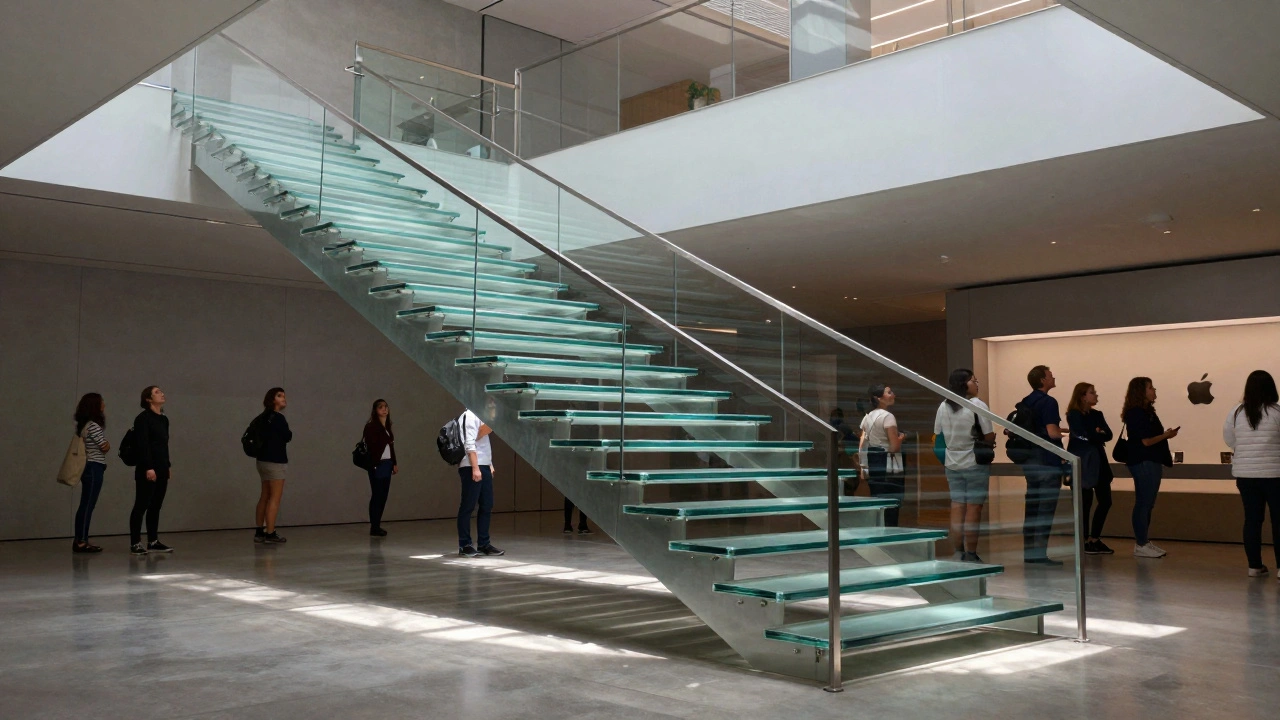
Before 2015, Apple stores looked like most tech retailers: glass cases, product displays, and long lines at the checkout. That changed with the opening of the Union Square store in San Francisco. The design was radical. A 42-foot-tall glass entrance opened to a vast, open floor with no walls. A 50-foot video wall played looping art and user-generated content. There were no shelves. No price tags. Just space-plenty of it.
That wasn’t an accident. Apple’s retail chief at the time, Angela Ahrendts, said it plainly: "We want to be more like a town square, where the best of Apple comes together and everyone is welcome." The idea was simple: make the store feel less like a store and more like a public space people want to return to, even if they’re not buying anything.
Designing for Connection: The Four Key Zones
Every modern Apple store now follows a clear layout built around four intentional zones. Each serves a different kind of human need.
- The Plaza - This is the heart of larger stores. Open-air, often under a skylight, it’s where events happen. Think live music, artist talks, or kids coding workshops. The Milan store has a full amphitheater here, carved from stone and surrounded by bamboo.
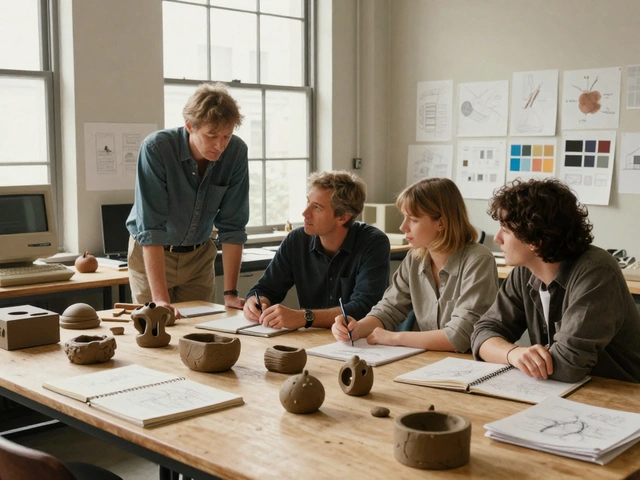
- The Forum - A dedicated space for hands-on learning. It’s not a classroom with desks. It’s a circular, open room with tables, screens, and lighting that makes everyone feel seen. This is where the "Hour of Code" sessions take place, where teens learn Swift, and where small business owners get help building apps.
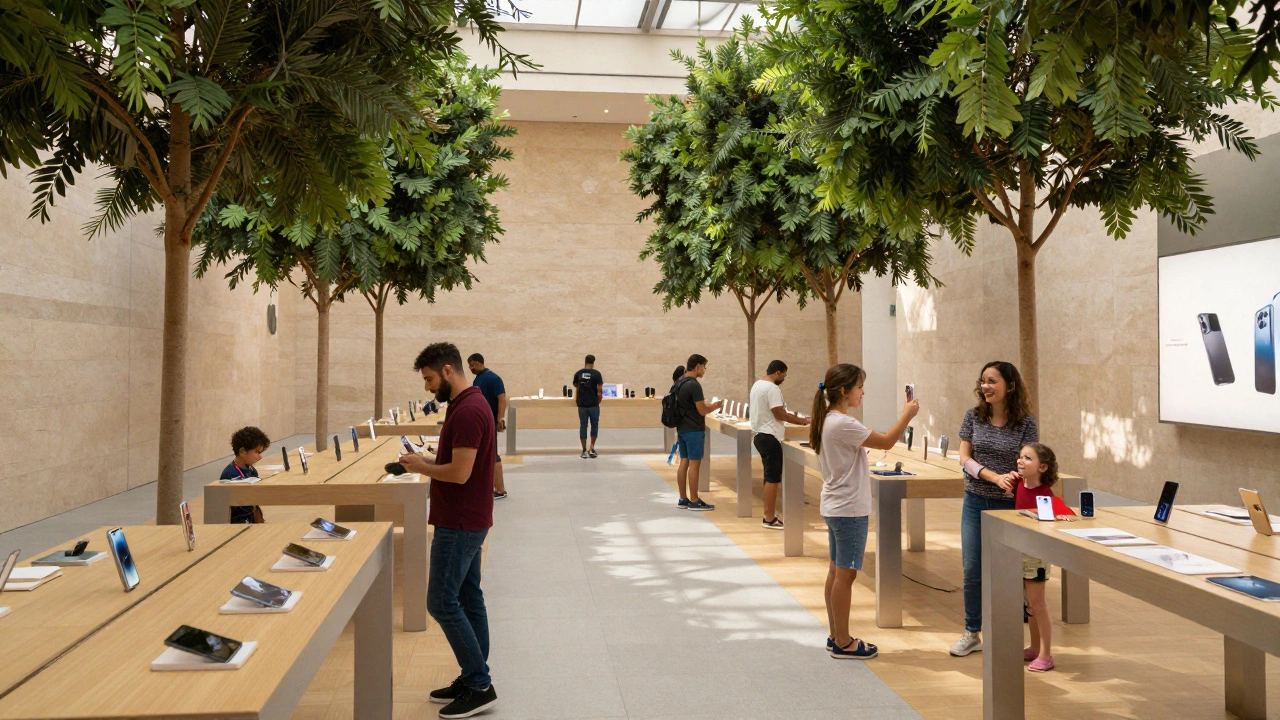
- The Avenue - This isn’t a hallway. It’s a curated path. You walk past demo stations for the latest products, but they’re arranged like art installations. No barriers. No "Do Not Touch" signs. Just inviting, accessible tech. The Dubai Mall store uses 12 Ficus Ali trees along this path to create shade and calm, turning a shopping mall into a green oasis.
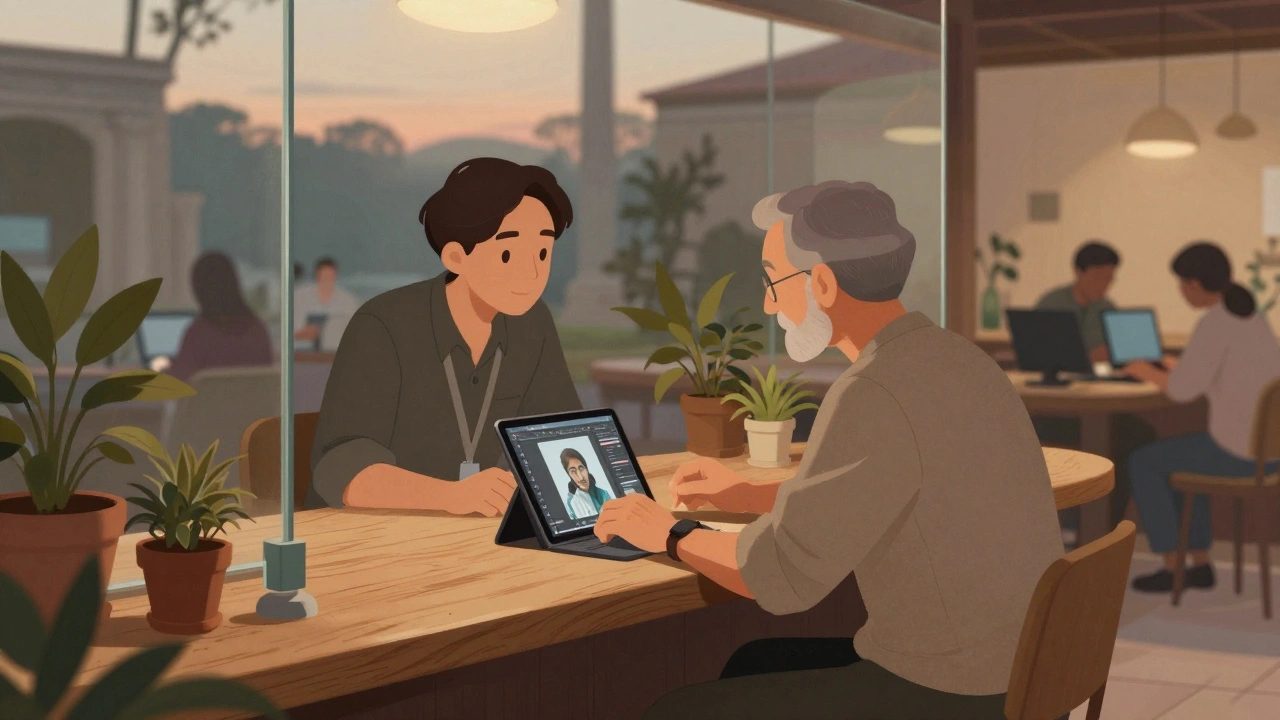
- The Genius Grove - Forget the old Genius Bar. This is a low, rounded counter surrounded by plants and natural wood. It’s not tucked away in a corner. It’s placed where people naturally gather. The staff here aren’t just technicians-they’re guides. They help you fix your iPad, yes, but they also ask how your project is going, or if you’ve tried the new photo editing tool.
These aren’t just names. Each zone is built to encourage interaction. The materials matter too: bamboo, stone, reclaimed wood, brushed aluminum. Everything feels warm, quiet, and timeless. No plastic. No fluorescent lighting. No clutter. Even the wall graphics are just four feet high and twenty feet wide-designed to be seen from across the room, not up close.
People, Not Just Products
Apple’s staff roles have changed as much as the store layout. The old "sales associate" is gone. In its place are two new types of team members.
- Creative Pros - These are trained educators. They don’t sell. They teach. One might lead a two-hour session on iPhone photography, showing you how to capture motion or edit portraits. Another helps a grandmother set up FaceTime with her grandkids. They’re hired for their patience, not their sales numbers.
- Genius Grove Team - These are the same technicians who used to work at the Genius Bar, but now they’re embedded in the open space. They wear the same black shirts, but the setup feels different. You sit beside them, not across from them. There’s no glass partition. It feels like talking to a friend who knows how to fix your phone.
Apple calls this the "APPLE" method: Approach, Probe, Present, Listen, End. It’s not a sales script. It’s a conversation guide. Approach with warmth. Probe to understand-not to pitch. Present options, not solutions. Listen to what’s unsaid. End with a real invitation to come back.
Repurposing History, Building Community
Apple doesn’t just build new stores. It reimagines old ones. In Pittsburgh, the Apple store opened inside the restored Carnegie Library. The original reading rooms are now learning zones. The old book stacks? Now holding demo iPads. The library’s original wood paneling? Preserved. The building’s history? Honored.
Same in London. The Regent Street store sits in a 1920s building once used as a theater. Apple kept the original plaster ceilings and restored the marble floors. They didn’t erase the past. They layered Apple’s design language over it-glass, steel, light-making it feel both familiar and new.
This isn’t marketing. It’s cultural stewardship. Apple’s design partner, Foster + Partners, calls it "reinventing patrimony." It means taking something meaningful from the past and making it useful for today. The result? People don’t just visit the store. They feel like they’re part of something bigger.
Why This Works
Most retailers try to sell more. Apple tries to serve more. And it shows in the numbers. Stores with these community-focused designs see 30% more time spent per visitor. People come for the workshop. Stay for the coffee. Return for the photo walk. They bring friends. They post about it. They become loyal-not because they bought a product, but because they felt welcomed.
The Dubai Mall store, for example, has become a local landmark. Tourists come to see the Ficus Ali trees. Locals come for the free coding classes. Parents bring kids to sketch on the demo tablets. It’s not a store. It’s a destination.
Apple’s success here isn’t about tech. It’s about empathy. They designed spaces for people who want to learn, create, and connect-not just consume. That’s why these stores feel different. They don’t ask you to buy. They ask you to belong.
What Other Retailers Can Learn
Apple’s model isn’t magic. It’s intentional. If you’re running a retail space, here’s what you can steal:
- Remove barriers. Let people touch, try, and play.
- Build spaces for learning, not just selling.
- Train staff to listen, not pitch.
- Use natural materials. People feel calmer in wood and stone than in plastic and neon.
- Partner with local artists, educators, and nonprofits. Let them use your space.
You don’t need a billion-dollar budget. You just need to ask: "What does our community need?" Then build for that-not for sales targets.
What’s Next?
Apple is testing even more. Some stores now have rooftop gardens. Others host weekly poetry readings. One in Tokyo has a silent meditation corner. The goal remains the same: make the store feel like home.
Maybe one day, "going to the Apple store" won’t mean shopping. It’ll mean showing up-to learn something, to meet someone, to be part of a place that feels alive.
What is the Genius Grove?
The Genius Grove is Apple’s redesigned customer support area, replacing the traditional Genius Bar. It’s a low, open counter surrounded by plants and natural materials, designed to feel more like a conversation than a service desk. Staffed by trained technicians, it’s meant to be approachable, calm, and welcoming. Unlike the old bar, which was often behind glass and felt clinical, the Genius Grove invites you to sit beside the person helping you-making support feel personal, not transactional.
How is Apple’s retail design different from other tech stores?
Most tech stores focus on product displays and sales targets. Apple’s stores focus on human experiences. There are no locked cases, no aggressive upselling, and no long checkout lines. Instead, you’ll find open spaces, free workshops, natural lighting, and staff trained to teach, not sell. Products are placed on tables for anyone to touch. Learning areas are as prominent as sales zones. It’s retail designed for connection, not conversion.
Do I need to buy something to attend an Apple workshop?
No. Every workshop, from "Hour of Code" for kids to "Photoshop for Beginners" for adults, is completely free. You don’t need to own an Apple product. You don’t even need to have visited the store before. All you need is curiosity. These sessions are open to everyone-students, retirees, entrepreneurs, and tourists. The goal is to make learning accessible, not exclusive.
Why does Apple use so much wood and stone in its stores?
Apple uses natural materials like wood, stone, and bamboo because they create a sense of calm and timelessness. In a world full of screens and noise, these materials ground the space. They’re also durable, easy to maintain, and align with Apple’s product design philosophy-minimal, quiet, and intentional. The materials aren’t just aesthetic. They’re emotional. They make people feel relaxed enough to linger, explore, and connect.
Can small businesses use Apple stores for meetings or events?
Yes. Many Apple stores have a dedicated space called the Boardroom, where small business owners, developers, and creatives can book free, one-on-one sessions with Apple’s Business Team. These aren’t sales pitches. They’re hands-on help with app development, marketing tools, or setting up business workflows on Apple devices. You don’t need to be a big company. Just bring your idea, and they’ll help you build it.
Categories
Popular Articles