Most companies treat design and engineering like two different languages that require a translator. The designers dream up something beautiful, and then the engineers spend three months explaining why it's physically impossible to build or too expensive to ship. This tug-of-war usually ends in a compromised product that neither team loves. Apple is a global technology leader known for a design process that refuses to accept this compromise. By decoupling creative vision from technical constraints early on and then weaving them back together through a brutal cycle of reviews, they manage to ship products that feel like magic but work at a scale of millions.
Giving Designers the Space to Dream
The secret to Apple's innovation isn't just hiring great talent; it's the structural shield they provide those designers. In most corporate setups, designers report to product managers or finance heads who care primarily about budgets and deadlines. Apple does the opposite. For years, the design team, historically led by figures like Jony Ive, operated with a level of autonomy that would terrify most CEOs. They reported directly to the executive team, effectively bypassing the middle-management layers that usually kill bold ideas with "practicality."
When a new project starts, designers are often physically isolated. This isn't just about secrecy; it's about psychological safety. By removing the daily presence of manufacturing engineers and accountants, the design team can focus on the design leadership aspect of a project-asking "What is the perfect version of this?" rather than "What can we afford?" This autonomy allows them to set their own budgets and ignore manufacturing limits during the initial creative spark, ensuring the vision isn't watered down before it's even on paper.
The Rigor of the Monday Review
Autonomy doesn't mean a lack of accountability. Once the vision is established, it hits the gauntlet of the Monday Review. The Apple Executive Team holds regular meetings every Monday to inspect every single product in the pipeline. Unlike other tech giants that might juggle hundreds of experimental projects, Apple concentrates its resources on a very small handful of bets. This focus is what allows the review to be so deep.
If a product isn't ready for a full review one Monday, it doesn't just slip through the cracks; it's automatically moved to the top of the list for the next meeting. This means no product goes more than two weeks without a high-level executive interrogation. This cadence prevents "project drift" and ensures that the balance between a wild vision and actual feasibility is corrected in real-time, not at the end of a six-month development cycle.
| Feature | Traditional Process | Apple's Methodology |
|---|---|---|
| Reporting Structure | Design reports to Product/Finance | Design reports to Executives |
| Creative Phase | Constrained by budget/feasibility | Isolated and unconstrained |
| Review Frequency | Milestone-based (Monthly/Quarterly) | Weekly (Monday Reviews) |
| Project Volume | Wide portfolio of many projects | Hyper-focused on few key projects |
Turning Constraints into Iterations
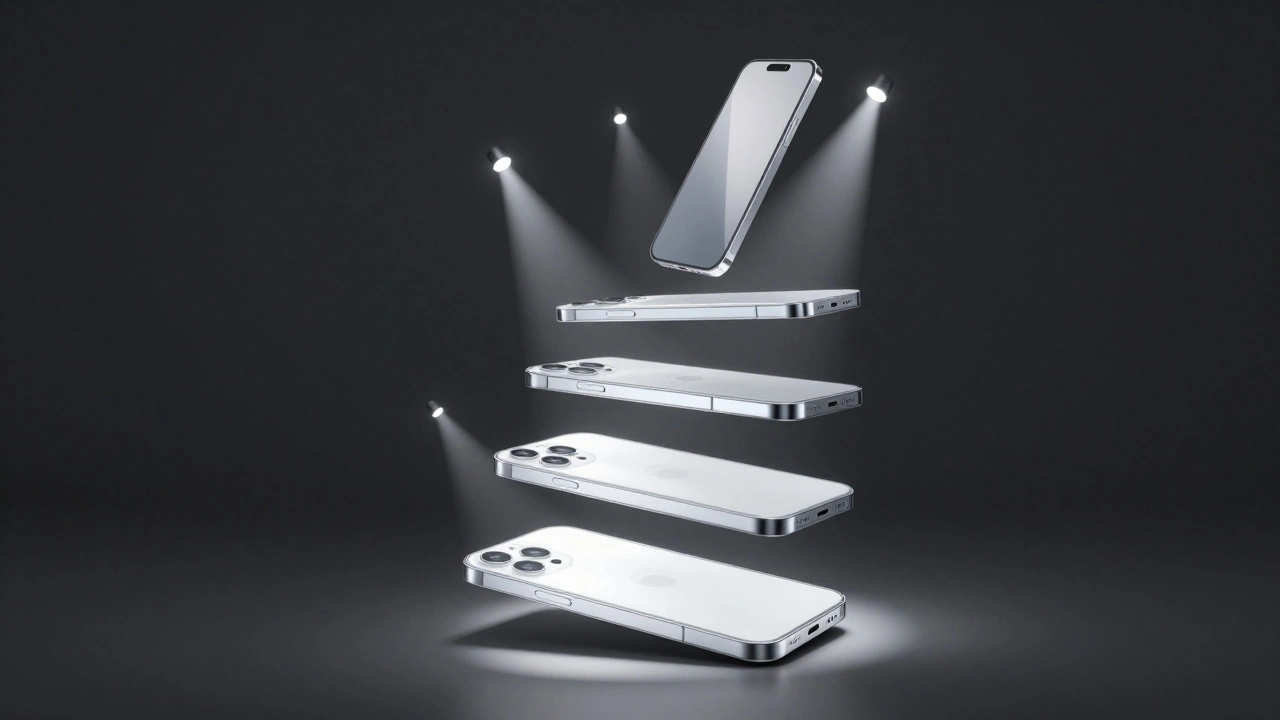
A common mistake in product development is treating "Design" and "Manufacturing" as sequential steps. You finish the design, then you hand it over to the factory. Apple treats these as iterative loops. They use the Apple New Product Process (ANPP), a rigorous framework that defines exactly who does what and when. But the real magic happens in the 4-6 week iteration cycles.
Instead of arguing about whether a curve is possible in a CNC machine, Apple builds a prototype, tests it, reviews it, and then changes the design. They do this over and over. By the time a product reaches the final stages, the designers have seen their vision fail in the real world and refined it based on actual physical data. This transforms manufacturing constraints from "obstacles" into "design inputs." The feasibility isn't a barrier; it's a tool to polish the quality.
The Brutality of Quality Assurance
Apple's definition of quality isn't just about how a phone looks out of the box; it's about how infrequently it needs repair over its life. To achieve this, they employ a tiered prototyping system that is incredibly aggressive. It starts with mock-ups and CAD files, but quickly moves into structural stress testing.
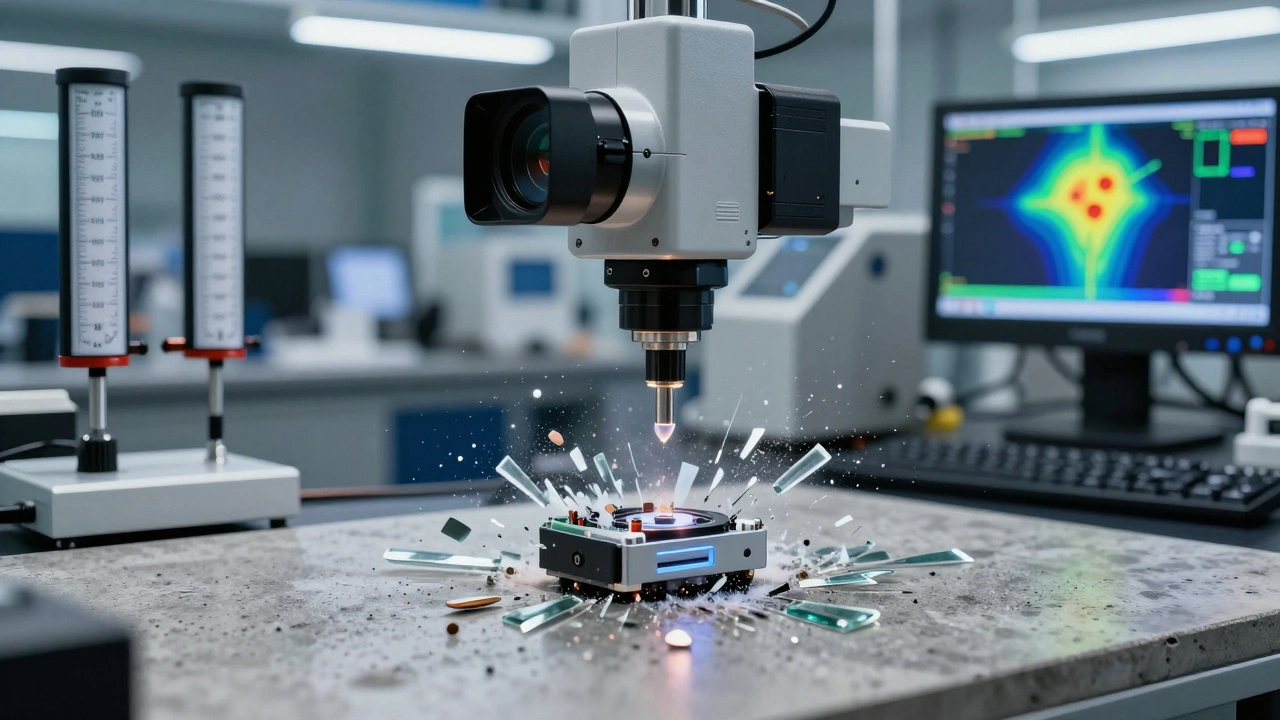
Take their drop testing, for example. They don't just drop a phone and see if it breaks. They have a specific Drop1 phase where they photograph every single point of failure. The data from Drop1 is used to modify internal components, which then leads to Drop2 units. This loop continues until the structural feasibility meets their durability standards. This level of detail ensures that the "vision" of a sleek, thin device doesn't result in a product that shatters the first time it hits a sidewalk.
The Final Gateway: PVT and PRQ
The final stage of balancing vision and quality is the Production Validation Testing (PVT) phase. At this point, the hardware design is frozen. The PVT units are identical to the ones you buy in the store, except they run a NonUI version of iOS. The goal here isn't to change the design, but to ensure the factory machinery can produce the design perfectly every single time.
Even after a product is released, Apple uses Post Ramp Qualification (PRQ) units to test minor changes, like adding a new color. This ensures that a simple aesthetic change doesn't accidentally compromise the structural integrity or the quality of the finish. By keeping the quality bar this high, they ensure that the original creative vision is delivered to millions of people without variation.
Why does Apple isolate designers from other teams?
Isolation prevents "premature optimization." If designers spend their first few weeks talking to engineers about what is possible, they will only design what is already doable. By isolating them, Apple ensures the creative vision is pushed to its absolute limit before the technical teams begin the process of making it feasible.
What is the purpose of the Monday Review?
The Monday Review serves as a high-frequency course correction. Because executives see the progress of every single project weekly, they can identify if a vision is becoming unrealistic or if a feasibility constraint is killing the product's soul, allowing them to make pivots in days rather than months.
How does the ANPP differ from standard project management?
The Apple New Product Process (ANPP) is significantly more prescriptive. It doesn't just set deadlines; it defines the specific stages, the physical locations where work happens, and the exact responsibilities for each hand-off, reducing the friction that typically occurs between design and manufacturing.
Is the design process the same for software and hardware?
While the specific tests (like drop testing) are for hardware, the core philosophy-designer autonomy, frequent executive reviews, and iterative refinement-is applied across the board. The goal is always to ensure the user experience isn't compromised by technical limitations.
What happens if a design is simply not feasible?
Apple doesn't just scrap the idea. They use iterative cycles to find a "third way." If a specific material won't work, they'll search for a new material or reinvent the manufacturing process (like using sapphire glass or custom alloys) to make the vision possible.
Next Steps for Design Leaders
If you're trying to implement this level of balance in your own organization, don't start by copying the secret rooms. Start with the review cadence. Moving from monthly reviews to weekly checkpoints with a decision-maker can drastically reduce the time your team spends moving in the wrong direction.
Additionally, try to shield your creative team during the "ideation" phase. Give them a week or two where they are forbidden from talking to the people who have to build the product. You'll find that the ideas they come up with are far more ambitious, and while some will be impossible, those that are achievable will be significantly better than anything born from a committee of "practical" people.