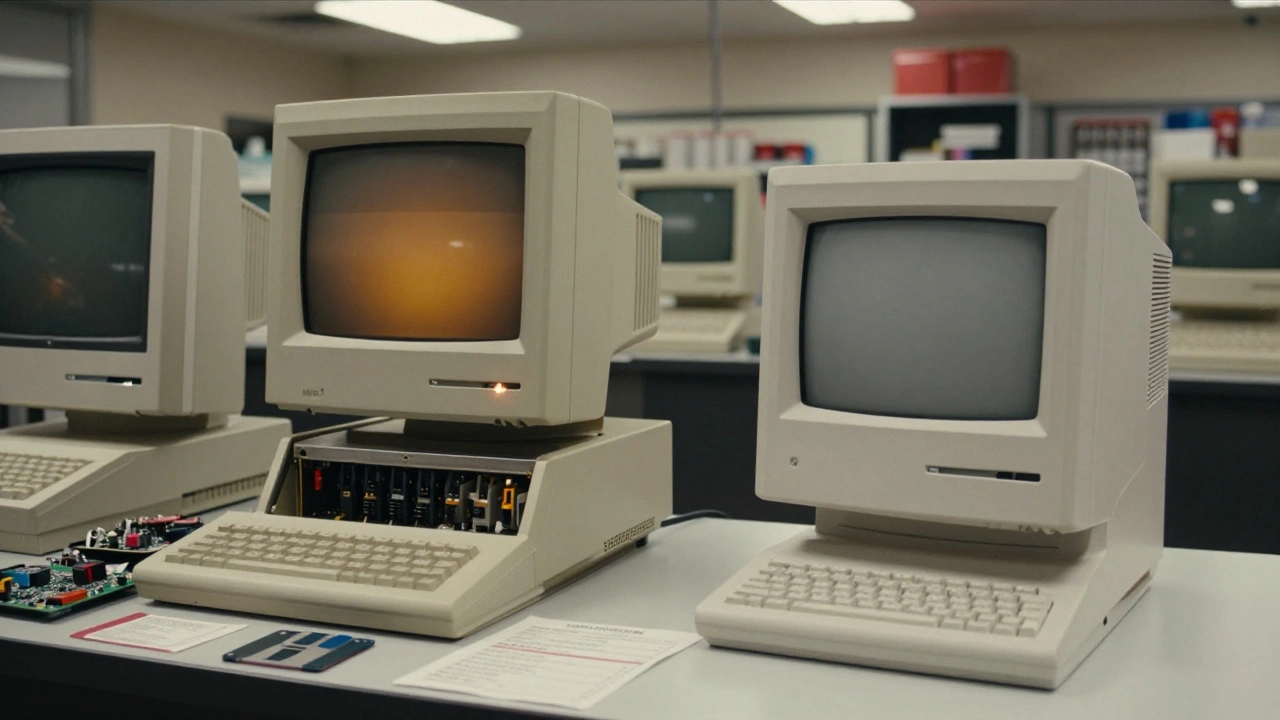

Imagine standing in a computer store in 1984. On one side sits a beige box buzzing with potential, its back covered in open slots inviting you to plug in anything you could dream up. On the other side is a sleek, sealed machine that refuses to let you touch what's inside. You aren't looking at two random models; you are looking at two competing visions of humanity's future.
This wasn't just a battle of silicon chips. It was a fundamental clash of design philosophies that defined the last forty years of technology. One machine believed you should own your tools completely. The other believed the tool should disappear so you could focus on your work. To understand why modern devices look and behave the way they do, we have to go back to when Apple II was the open playground for hackers and hobbyists, and the Macintosh was the polished appliance designed for everyone else.
The Open Box: Why the Apple II Felt Like a Lab
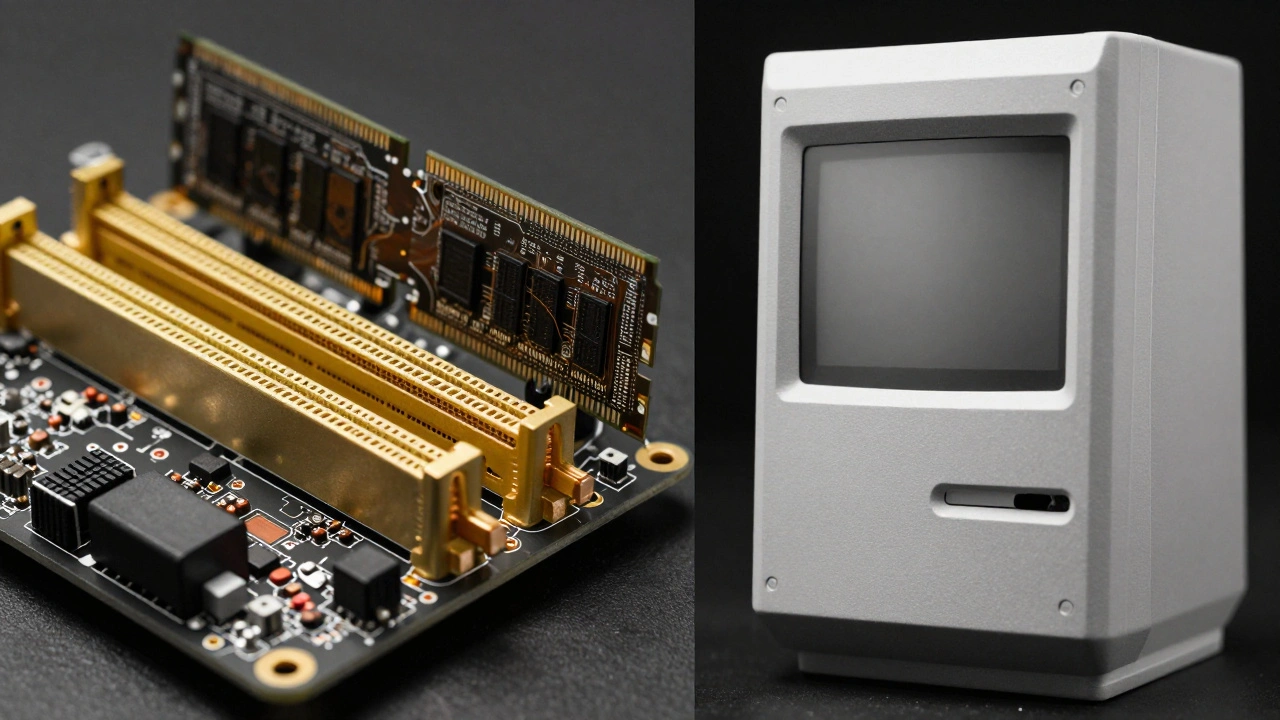
The Apple II, launched in 1977, was built by Steve Wozniak with a specific purpose: reliability without complexity. But it came with a feature that changed everything-eight expansion slots on the motherboard. This design choice told users something profound. It said, "We trust you." If you wanted more memory, you plugged it in. If you wanted a hard drive, you designed your own card. There were no proprietary screws or secret codes.
This openness turned the home computer into a laboratory. Users weren't just consumers; they were co-developers. The system came with BASIC programming language built directly into the Read-Only Memory (ROM). When you typed "LIST" on the screen, you saw the code others had written. You learned how the machine thought because the machine showed you its brain. This transparency created a massive community of programmers who wrote software like WordStar and VisiCalc, turning the platform into a business powerhouse.
Technically, the machine ran on a MOS Technology 6502 processor clocked at 1 MHz. By modern standards, this sounds primitive, but at the time, it was affordable enough for families and fast enough for productivity. The architecture was 8-bit, meaning data moved in chunks of eight. While this seemed limiting later, it kept costs down and allowed third-party developers to manufacture compatible peripherals cheaply. In 1993, production finally ended after making around five million units. That longevity proves that an open ecosystem can sustain a product for decades, even if the core technology isn't perfect.
The Sealed Appliance: The Macintosh Design Bet
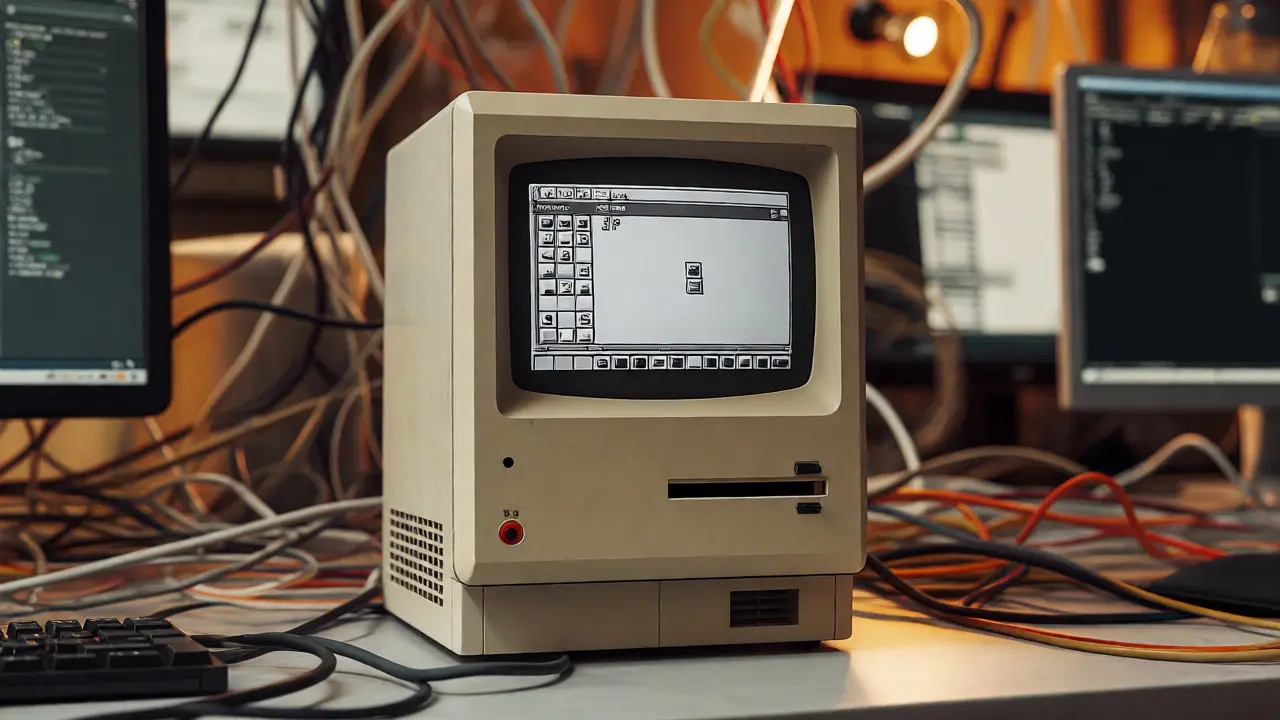
Contrast that with the arrival of the Macintosh. When Steve Jobs introduced it in 1984, he declared it would define how people interacted with computers for the next thirty years. He was right. The design goal shifted entirely from "tinkerability" to "usability." The engineers didn't want you opening the case. They didn't want you learning assembly language. They wanted you to simply point, click, and drag files into folders.
This shift required a different kind of engineering. The Macintosh used a graphical user interface (GUI) based on icons, windows, and a mouse cursor. To make this run smoothly, Apple chose the Motorola 68000 processor, which offered more power than the humble 6502 found in the Apple II. More importantly, the design included high-resolution bitmapped display capabilities. Unlike the text-heavy screens of competitors like the Commodore 64 or the IBM PC, the Mac rendered text and images indistinguishable from print quality.
The trade-off was total control. You couldn't add memory easily on early models because there were no expansion slots on the logic board accessible to users. The machine was a closed system. This frustration alienated some users who loved the Apple II freedom, but it delivered a consistent experience for millions who weren't technically minded. As designer Jony Ive would later prove with the iMac and iPhone, simplifying the user experience often means hiding the complexity behind a clean interface.
Comparing the Hardware Philosophies
To truly see the design difference, we need to look at the specs side-by-side. The divergence wasn't just marketing; it was physically embedded in the circuits.
| Feature | Apple II Family | Macintosh Family (Early) |
|---|---|---|
| Processor | MOS Technology 6502 (1 MHz) | Motorola 68000 / 68020 |
| Memory Access | Via RAM cards in slots | Built-in, difficult to upgrade |
| Interface | Command Line / Text | Graphical User Interface (GUI) |
| User Role | Hacker / Builder | End User / Creator |
| Expansion | 8 Slots (User Replaceable) | None (Sealed Case) |
The Middle Ground: Trying to Bridge Two Worlds
As the 1980s progressed, Apple realized that relying on the Mac alone was risky. It was expensive and lacked backward compatibility with the massive library of Apple II software. This led to a unique design experiment: the Apple IIGS. Released in 1986, this machine tried to be both. It kept the familiar keyboard and floppy drive mechanism of the Apple II but added a new chip, the Western Design Center 65C816. This gave it 16-bit processing capability and sound features that rivaled arcade games.
The IIGS was fascinating because it attempted a hybrid interface. It could boot into a text-based mode for programmers who knew DOS commands, or it could boot into a graphical desktop environment that mimicked the Macintosh Look-Say. However, this split personality caused confusion. Developers struggled to decide whether to build apps for the "open" standard or the "closed" aesthetic. Ultimately, the market decided that mixing philosophies diluted both. Apple eventually stopped supporting the line in favor of the Macintosh, signaling that the industry was moving toward user-friendly appliances rather than customizable laboratories.
Financial Realities and Market Forces
Good design doesn't exist in a vacuum. The shift away from the Apple II's open design was partly driven by money. In 1985, Apple recorded a quarterly loss of $40 million and laid off 1,200 employees. This financial turbulence happened exactly when the Macintosh line needed to prove itself. The company couldn't afford to keep pouring billions into maintaining legacy platforms that didn't generate profit.
Furthermore, the economics of the machines were vastly different. A basic Macintosh II system in 1987 cost $5,498, which equals roughly $15,580 in 2025 dollars. Compared to an Apple II costing less than $1,000, the Macintosh was a luxury item designed for professional environments. The high price point justified the premium design features like color graphics and better typography. Apple bet that customers would pay ten times more for a tool that reduced the learning curve to zero. History shows this bet paid off, but it meant abandoning the loyal base who valued the cheaper, hackable alternative.
The Modern Legacy of These Choices
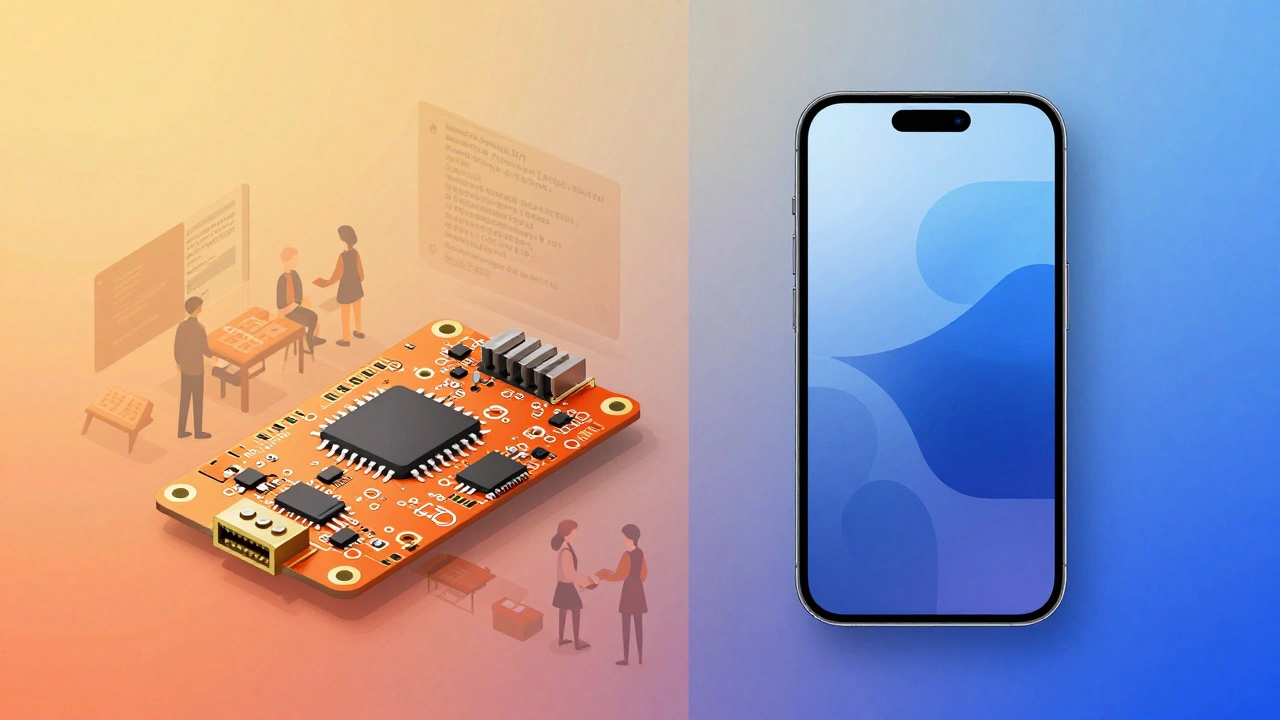
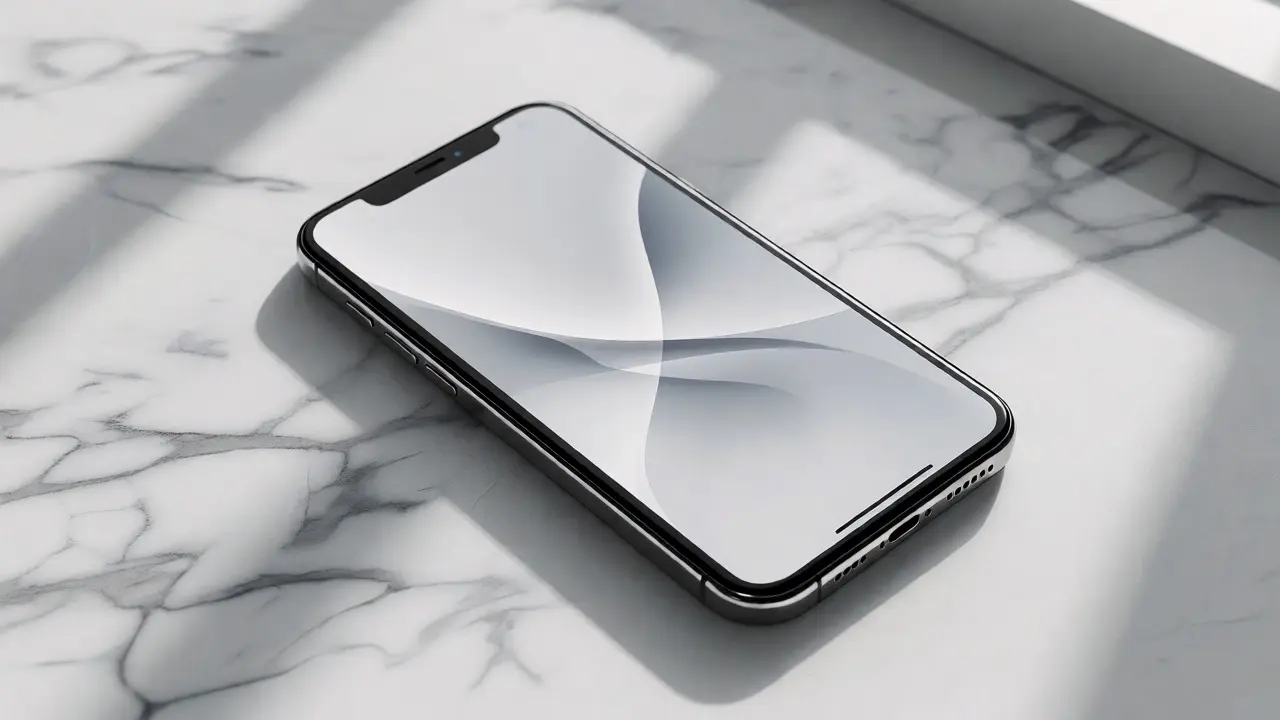
If you walk into any tech store today, you see the ghosts of these two philosophies fighting in every device. Your smartphone is a descendant of the Macintosh approach. It is beautiful, seamless, and almost impossible to modify without specialized developer tools. Conversely, Linux and Raspberry Pi communities preserve the spirit of the Apple II. These platforms encourage modification, coding, and full ownership of the hardware stack.
We live in a world dominated by the Macintosh philosophy now. Most consumers don't know their processors, cache sizes, or driver configurations, and they generally don't care. They want their email to work, and they want their photos to look good immediately upon plugging in a camera. The design decision to hide complexity became the dominant standard for global technology.
Why This Still Matters for Designers
Understanding this split helps designers make conscious choices. Are you building a tool for experts who demand granular control? Or are you building for general audiences who value simplicity above all else? The Apple II teaches us that flexibility builds loyalty among enthusiasts. The Macintosh teaches us that consistency builds mass adoption.
In 1992, when Apple released the iMac, they brought the "sealed" design back to consumer PCs with plastic cases that snapped together without tools. This echoed the Macintosh's original intent: the form factor should serve the function without requiring a screwdriver. Whether you prefer the open slots of the past or the glossy aluminum of today, the underlying debate remains the same: who controls the experience, you or the manufacturer?
Categories
Popular Articles