
9/01
0
Apple doesn’t just make products. It makes long-lasting ones. And now, it’s proving you can cut carbon emissions without making your devices feel any less premium. In fact, the opposite is true: their sustainability efforts are making Apple products better, tougher, and smarter than ever.
It Starts With What’s Inside
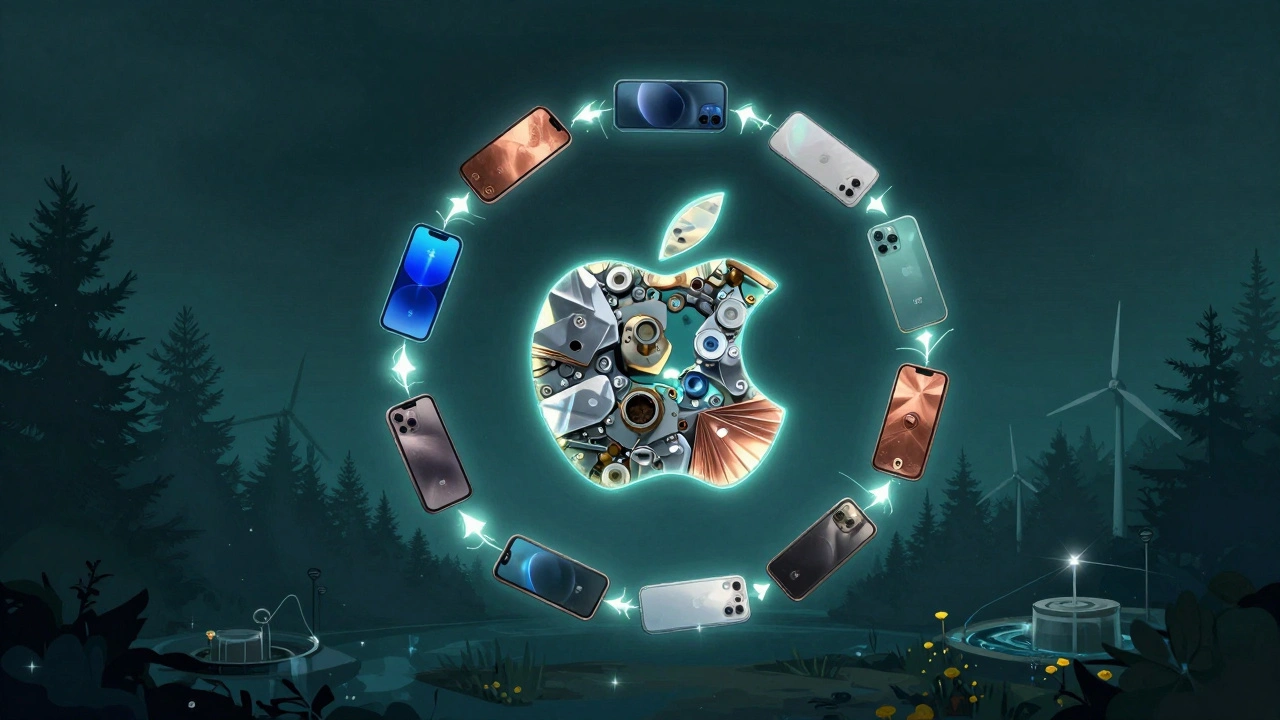
Most people think of sustainability as using less plastic or recycling old phones. Apple goes deeper. The real shift happened when they stopped treating materials like disposable inputs and started treating them like valuable assets. In 2024, nearly a quarter of all materials used in Apple products came from recycled or renewable sources. That’s not a small tweak - it’s a full system rewrite. They’ve replaced mined metals with recycled aluminum, cobalt, and tin. Their batteries now use 99% recycled cobalt. That’s the highest rate in the industry. And here’s the kicker: these recycled materials perform just as well as new ones. No drop in battery life. No weakening of the casing. No trade-off. Why does this matter? Mining raw materials is one of the most carbon-heavy parts of making a phone. Extracting a single gram of aluminum from ore releases over 10 times more CO₂ than using recycled aluminum. By switching to recycled content, Apple avoids millions of tons of emissions every year - without changing how your iPhone feels in your hand.Manufacturing Gets Cleaner, Not Slower
You might assume that making devices greener means slower production or higher costs. Apple proves otherwise. Their biggest emissions source isn’t your phone’s materials - it’s the electricity used to build them. So they flipped the script. Apple doesn’t just install solar panels on their own campuses. They require every supplier to power their factories with renewable energy. By 2024, Apple’s global supplier network was running on nearly 18 gigawatts of clean power. That’s enough to power over 1.6 million homes. And because of this, they avoided 22 million metric tons of emissions - equivalent to taking 4.8 million cars off the road. This isn’t charity. It’s a supply chain upgrade. Suppliers who switch to renewables get long-term contracts with Apple. They also get technical support to install solar arrays or sign wind power agreements. The result? Cleaner factories. Lower energy costs. And no slowdown in production.Packaging That Doesn’t Waste
Think about how your iPhone arrives. A box. No plastic wrap. No foam inserts. No air pillows. Just fiber-based packaging, 100% recyclable, and 98% of it already plastic-free. Apple removed plastic from packaging years ago. Now, every box is made from responsibly sourced wood fiber. The ink is water-based. The instruction cards are printed on recycled paper. Even the tape is plant-based. But it’s not just about aesthetics. Lighter packaging means fewer trucks on the road. Fewer emissions from shipping. And because the boxes are easier to recycle, they don’t end up in landfills. In 2024, Apple shipped over 1 billion units in this kind of packaging. That’s over a billion plastic-free boxes - and not one was thrown away because it was too hard to recycle.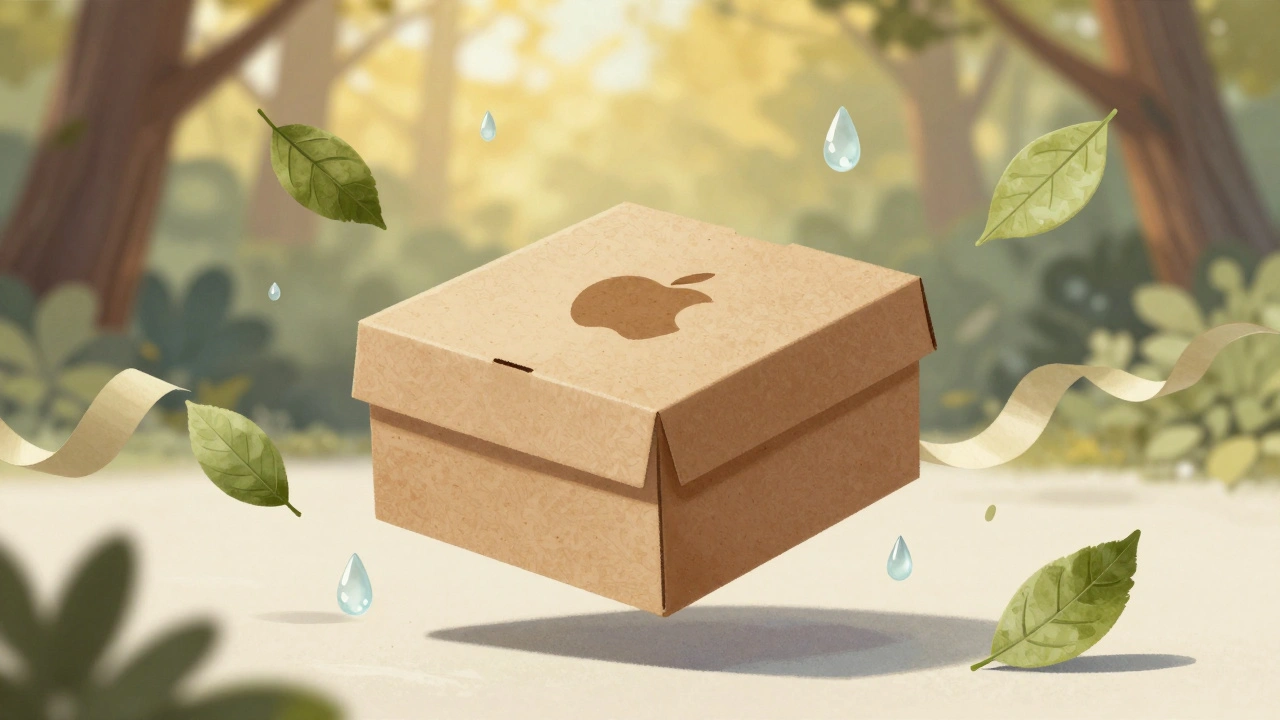
Designing for Longevity - Not Obsolescence
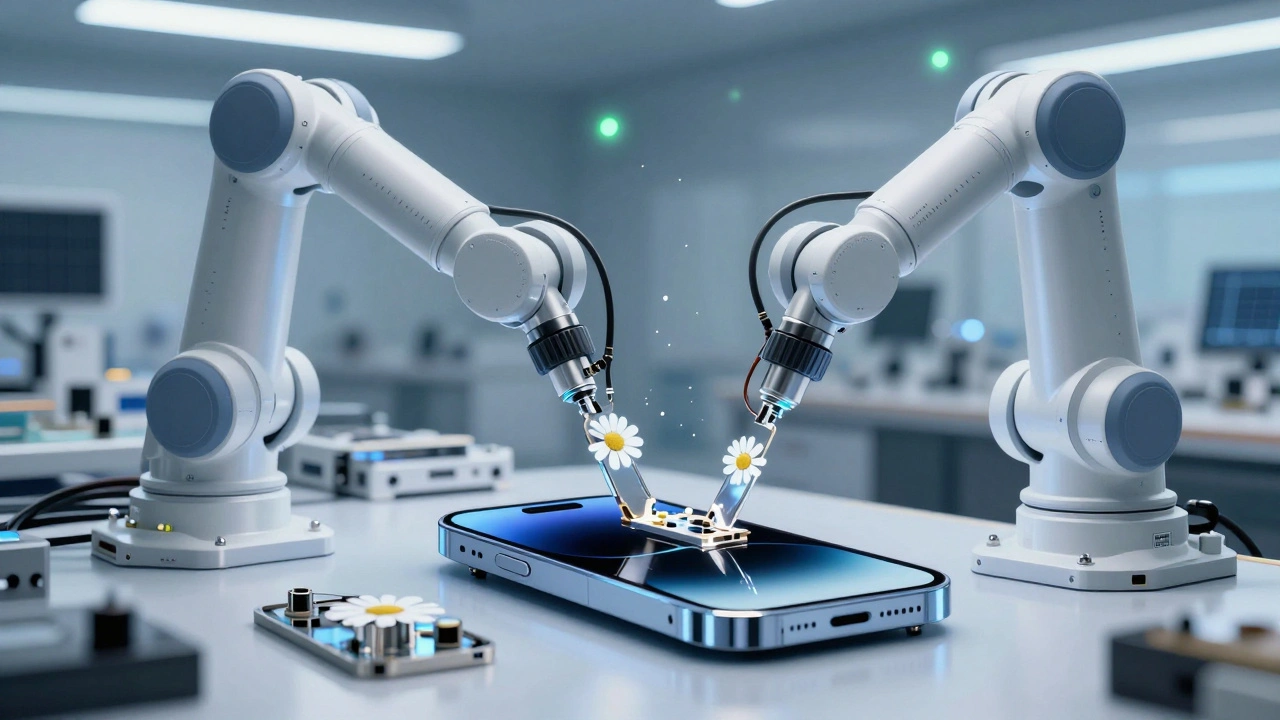
Here’s the secret Apple won’t shout about: the greenest product is the one you keep for five years instead of two. Apple designs devices to last. Their iPhones get software updates for over seven years. That’s longer than most Android phones. They use stronger glass, more durable hinges, and tighter seals to resist water and dust. Their repair program lets you replace batteries, screens, and cameras - not the whole phone. And they’ve built robots to make recycling smarter. Meet Daisy. She can take apart 36 different iPhone models, sorting components with surgical precision. She recovers rare metals that traditional recycling plants miss. Dave and Taz help too, focusing on logic boards and magnets. These robots recover materials at 99% purity - meaning they can be reused in new devices. This isn’t about recycling. It’s about closing the loop. Every iPhone you trade in becomes part of the next one. Apple’s Trade In program has kept over 3.6 million metric tons of waste out of landfills since 2020. That’s the weight of 1,800 Eiffel Towers.Water, Forests, and the Hidden Costs
Sustainability isn’t just about carbon. It’s about water. And land. Apple’s Supplier Clean Water Program saved 14 billion gallons of freshwater in 2024. That’s enough to fill 21,000 Olympic pools. They did this by helping factories reuse and treat water - not just dump it. In regions where water is scarce, like parts of India and China, this isn’t optional. It’s survival. They also launched the Restore Fund - a $200 million initiative to protect and regenerate ecosystems. So far, they’ve restored 150,000 acres of forests and protected 100,000 acres of native land. These aren’t just carbon offsets. They’re living systems that support wildlife, filter water, and cool local climates.