
You pick up your iPhone or MacBook. It feels cool, smooth, and oddly resistant to the oils on your fingers. That feeling isn't magic; it's engineering. Apple spends billions on R&D not just for chips and screens, but for how the device touches your skin. The secret lies in specific surface treatments like anodization, brushing, and specialized coatings that manage light, texture, and smudges.
Most people think a phone is just glass and metal. But the metal part? That’s where the real battle happens. Aluminum is soft. It scratches easily. It reflects light in ways that can look cheap if handled poorly. So, how does Apple make aluminum feel premium while hiding fingerprints? Let’s break down the three main tricks they use: anodization, brushing, and oleophobic coatings.
The Science of Anodizing Aluminum
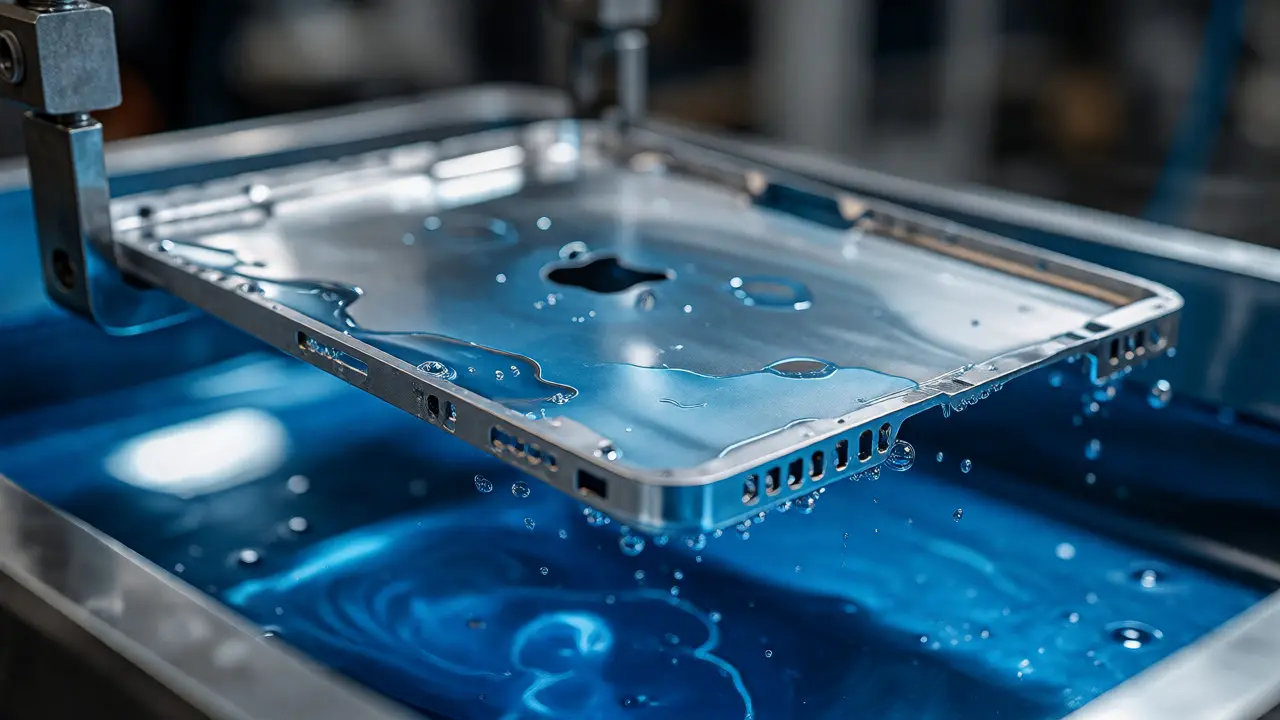
Anodization is the backbone of Apple’s industrial design. If you’ve ever wondered why your MacBook Pro doesn’t rust or fade, this is why. Anodization is an electrochemical process that thickens the natural oxide layer on the surface of metal parts. Normally, aluminum reacts with oxygen in the air to form a thin, protective film. But that film is too thin to offer much protection against wear or color change.
In the anodizing bath, the aluminum acts as an anode. Electricity passes through an electrolyte solution, forcing oxygen ions into the metal surface. This creates a porous layer of aluminum oxide. Here’s the clever part: those pores are tiny. Once the layer forms, Apple seals them. Sealing locks in the structure, making it incredibly hard and corrosion-resistant. It also allows for dye absorption before sealing, which is how you get Space Gray, Silver, or Midnight colors without painting the surface.
Paint peels. Plating wears off. Anodized layers become part of the metal itself. You can scratch it, sure, but you won’t see white spots where the color has flaked away. This integration is key to the "unibody" aesthetic Apple pioneered with the MacBook Air in 2008. The color goes all the way through the top few microns of the metal, so even if you nick it, the damage blends in better than paint would.
Brushing vs. Polishing: Texture Matters
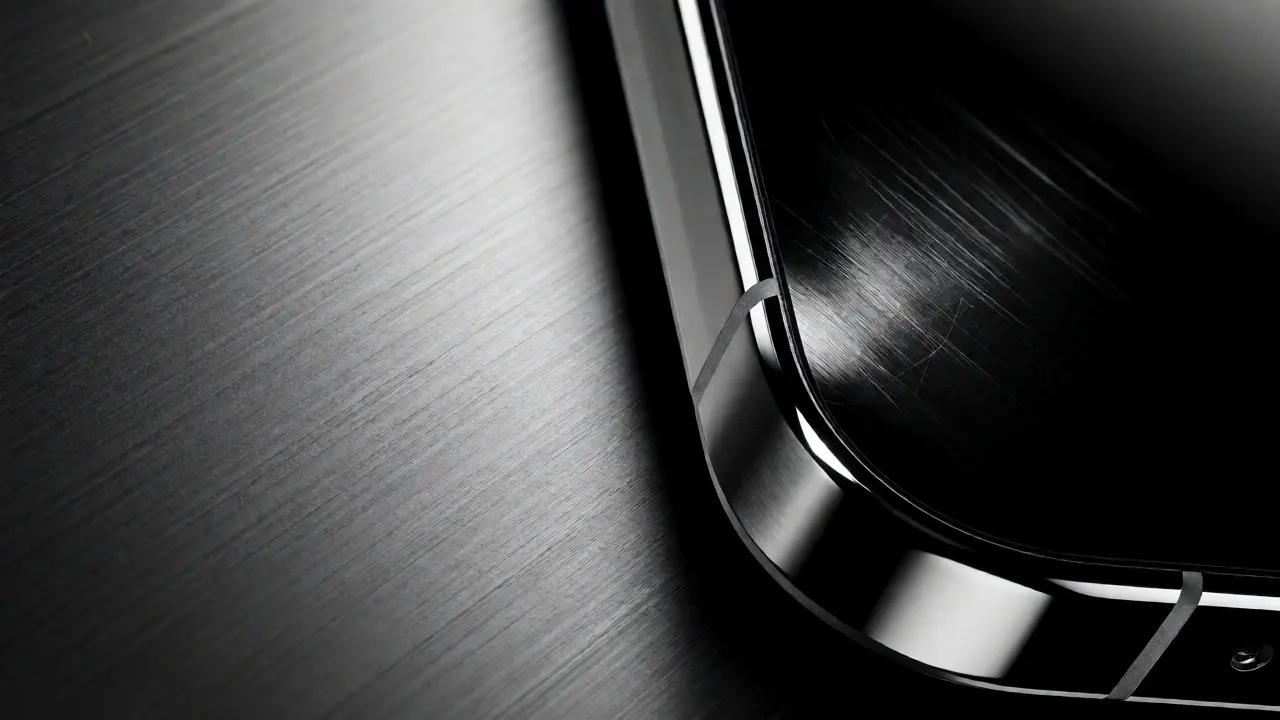
Once the base layer is set, Apple decides on texture. This is where brushed finishes come in. A brushed finish is created by abrading the surface with fine abrasive belts or wheels. It leaves microscopic parallel lines. Why do this? Because perfectly smooth metal shows every single fingerprint and micro-scratch immediately. Light hits a smooth surface directly, creating harsh reflections that highlight imperfections.
Brushing diffuses light. Instead of a mirror-like reflection, light scatters across those tiny grooves. This makes the device look softer and more matte. More importantly, it hides minor scratches. A hairline scratch on a polished surface looks like a lightning bolt. On a brushed surface, it disappears into the existing grain pattern.
| Finish Type | Process | Visual Effect | Durability Trait |
|---|---|---|---|
| Anodized Matte | Electrochemical oxidation + sealing | Soft, non-reflective, uniform color | Hides micro-scratches well; resists fading |
| Polished Stainless Steel | Mechanical polishing + buffing | Mirror-like, high shine | Shows fingerprints instantly; prone to visible scratches |
| Ceramic Shield (Glass) | Ionic exchange + nano-ceramic infusion | Clear, transparent, slight gloss | High hardness; resists drops better than standard glass |
Notice the trade-off. Apple uses polished stainless steel on the iPhone Pro models because it looks luxurious and heavy. But they know it will show smudges. They accept that cost for the visual appeal. For the MacBook, they stick to anodized aluminum because users want a tool that doesn’t demand constant cleaning.
Fighting Fingerprints: Oleophobic Coatings
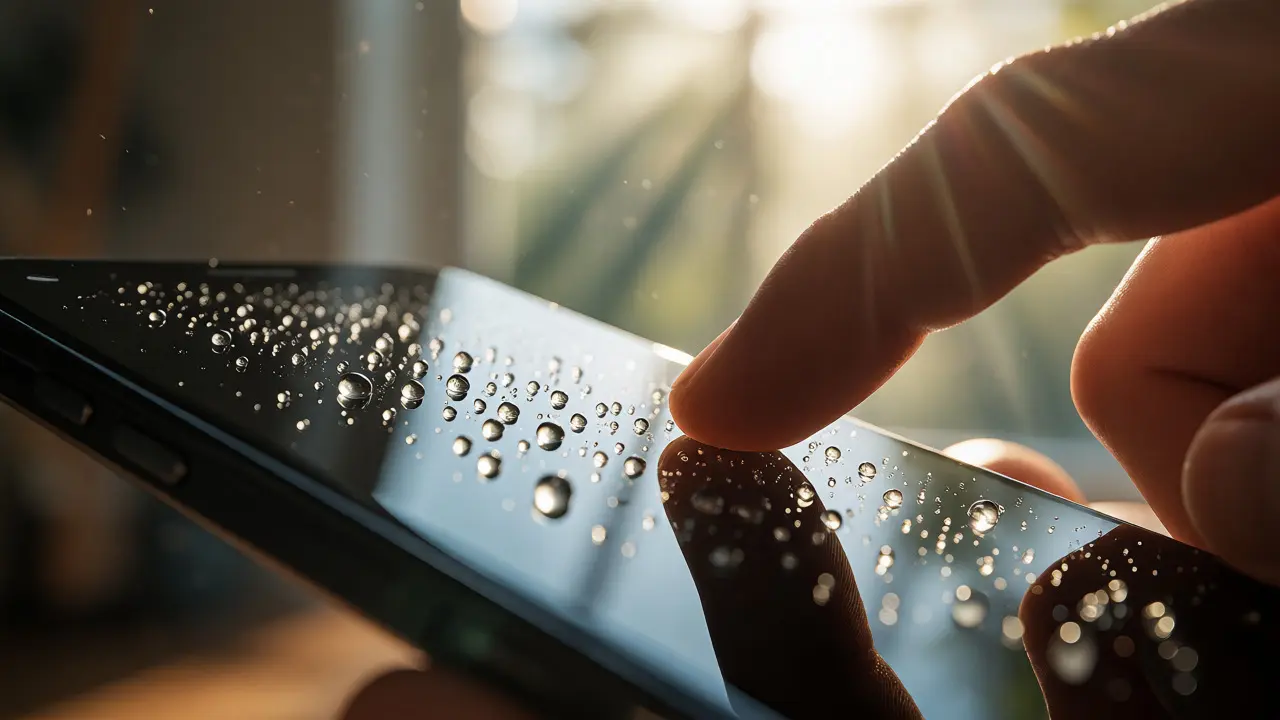
Even with brushed metal, oils from your skin stick around. That’s where oleophobic coatings enter the picture. These are invisible chemical layers applied after anodization or polishing. "Oleophobic" literally means oil-fearing. The coating lowers the surface energy of the material. Water beads up instead of spreading out. Oil from your finger beads up too, rather than flattening into a greasy smear.
Apple applies these coatings primarily to glass displays and some metal accents. On the iPhone screen, this coating is critical. Without it, touching the glass would leave permanent-looking smears that require aggressive wiping. With it, a quick swipe with a shirt sleeve clears the screen. However, these coatings wear off over time. Friction from pockets, bags, and daily handling gradually erodes the molecular layer. By year two or three, your screen might feel "stickier" than when it was new. This isn’t dirt; it’s chemistry degrading.
On metal bodies, Apple relies less on heavy coatings and more on the inherent properties of anodized aluminum. The sealed oxide layer is naturally somewhat hydrophobic and oleophobic compared to raw aluminum. But it’s not as effective as the dedicated coatings on glass. This is why metal iPhones (like the SE) still show smudges, though they are easier to wipe off than polished steel.
Color Stability and UV Resistance
Have you noticed that old silver MacBooks don’t turn yellow like some plastics do? That’s another benefit of anodization. Organic dyes used in plastic housings break down under ultraviolet (UV) light from the sun. The chemical bonds snap, causing discoloration. Inorganic aluminum oxide, however, is stable. The color comes from pigments trapped inside the ceramic-like oxide structure. These pigments are generally UV-stable.
This matters for resale value and longevity. A five-year-old iPad Air still looks largely the same as the day it shipped. A plastic toy left in a window fades within months. Apple’s choice of materials ensures that the device ages gracefully. The patina develops slowly. Scratches add character rather than looking like damage. This psychological aspect-aging well-is a huge part of Apple’s brand loyalty. People keep devices longer because they still look good.
Practical Care Tips for Apple Surfaces
So, how do you maintain these surfaces? Many users make mistakes here. First, avoid alcohol wipes on older devices. While modern glass handles 70% isopropyl alcohol fine, frequent use can degrade the oleophobic coating faster. Use a microfiber cloth and water first. Only use alcohol if there’s actual grime.
- For Anodized Aluminum: Wipe with a dry microfiber cloth. Avoid abrasive sponges. They will polish the matte finish, creating shiny patches that stand out.
- For Polished Steel: Expect fingerprints. Clean with a slightly damp cloth. Dry immediately to prevent water spots. Do not use paper towels-they contain wood fibers that can micro-scratch the surface.
- For Ceramic Shield: Be gentle. The coating is fragile. Aggressive scrubbing removes the oil-repellent layer. Once it’s gone, it’s gone until you reapply a aftermarket liquid coating.
Another tip: watch out for sand. Sand is harder than aluminum and glass. If you take your iPhone to the beach, sand particles can embed in the anodized layer or scratch the glass. Always wipe the device down before putting it back in your pocket. One grain of quartz can ruin a perfect finish.
Why Apple Chooses These Methods Over Others
Why not use plastic? Plastic is cheaper and lighter. But it feels hollow. Why not use titanium? Titanium is stronger and lighter than steel, but it’s harder to machine and color. Apple started using titanium in the iPhone 15 Pro line, but it required new anodizing techniques because titanium behaves differently electrically during the process. Even then, they often combine titanium frames with other materials to balance weight and feel.
Consistency is key. When you buy a MacBook today, it looks identical to one bought last year. That consistency comes from controlling the anodizing baths precisely. Temperature, current density, and chemical concentration must be exact. Deviations cause color shifts. Apple maintains strict quality control to ensure that every unit matches the spec sheet. This reliability builds trust. You know what you’re getting.
Does anodized aluminum scratch easily?
Anodized aluminum is harder than bare aluminum, but it is not unbreakable. It resists everyday abrasion well, but sharp objects like keys or coins can scratch it. The advantage is that scratches on anodized surfaces are less visually jarring than on painted surfaces because the color extends beneath the top layer.
How long do oleophobic coatings last?
Typically 1 to 2 years of heavy daily use. Factors like friction from pockets, cleaning habits, and exposure to chemicals accelerate wear. Once the coating wears off, the surface becomes more prone to holding oils and fingerprints, requiring more frequent cleaning.
Can I restore the brushed finish on my MacBook?
No, not really. The brushed finish is integral to the manufacturing process. Attempting to re-brush it yourself usually results in uneven patterns and loss of the anodized layer, exposing raw aluminum. Professional refinishing is possible but expensive and rare.
Why is polished stainless steel used on iPhones?
Stainless steel offers higher structural strength and a premium, jewelry-like appearance. Despite showing fingerprints, its weight and reflectivity convey luxury. Apple accepts the maintenance burden in exchange for the perceived value and durability of the frame.
Is anodized aluminum safe for skin contact?
Yes. Anodized aluminum is chemically inert and hypoallergenic. The sealed oxide layer prevents metal ions from leaching out, making it safe for prolonged skin contact, unlike some nickel-containing alloys that can cause reactions.