
The Apple Store isn’t just a place to buy a phone or a laptop. It’s a space designed to help you try, learn, and decide with confidence-without pressure, without rush, without the feeling you’re being sold to. This isn’t an accident. It’s the result of over two decades of deliberate, patient, and deeply human-centered design.
From Sales Floor to Town Square
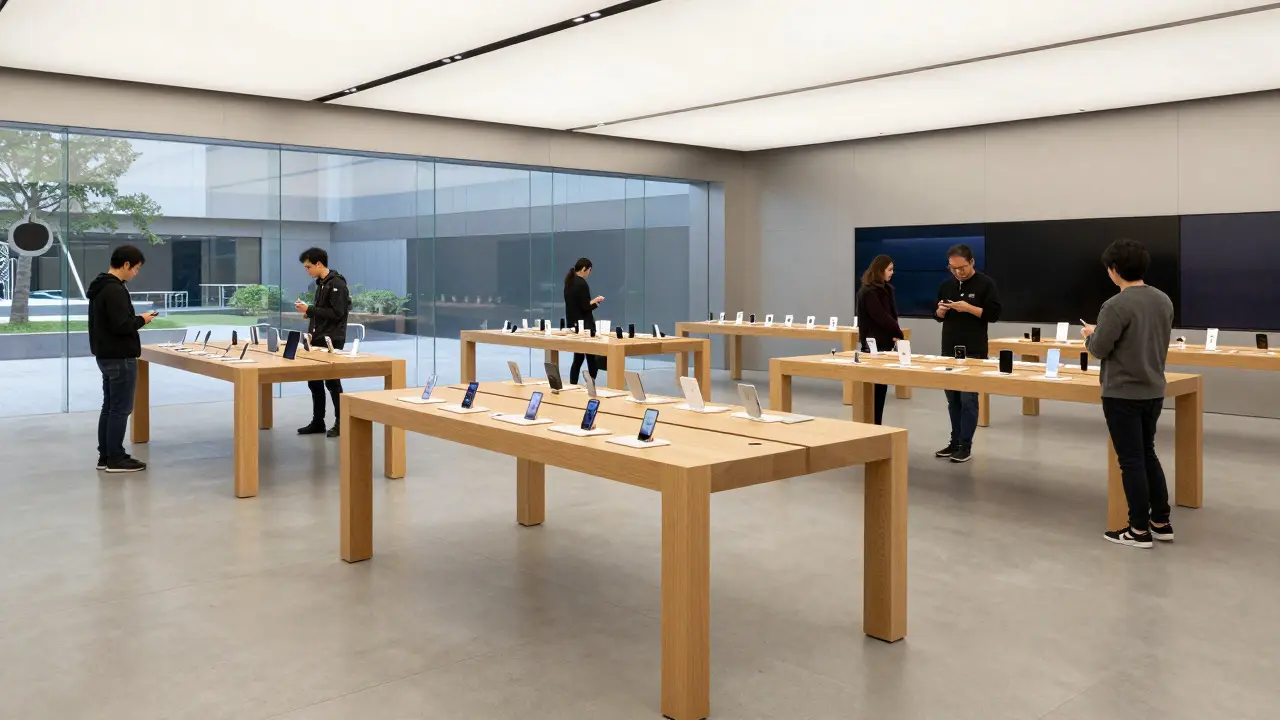
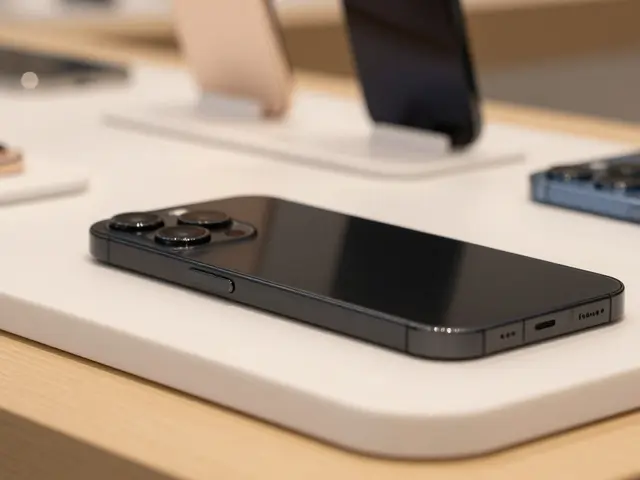
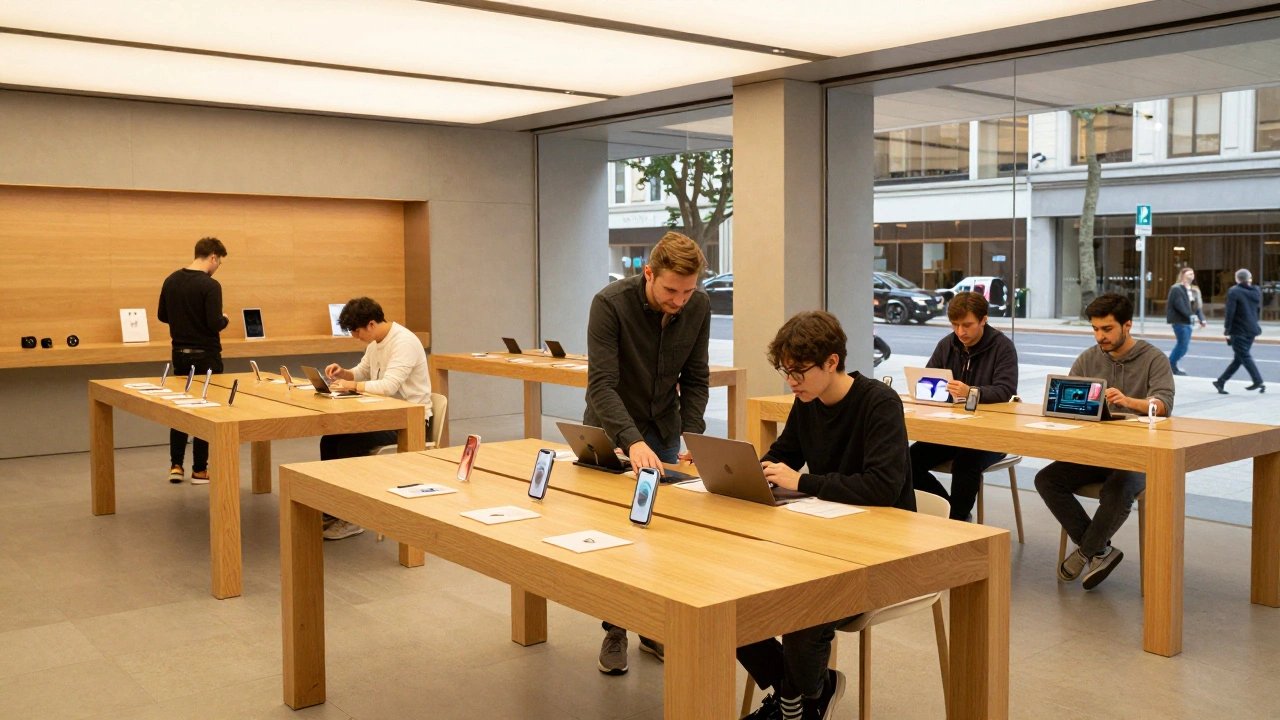
When the first Apple Store opened in 2001, it looked nothing like other electronics retailers. There were no glass cases locking products away. No loud discount signs. No employees standing stiffly behind counters waiting for you to ask for help. Instead, there were open tables, soft lighting, and products you could touch, turn, and test. That was radical then. It’s standard now-but only because Apple made it that way. The shift wasn’t just about aesthetics. It was about purpose. Apple stopped thinking of its stores as places to move inventory. It started thinking of them as places to build relationships. The goal wasn’t to get you in, sell you something, and get you out. It was to make you feel like you belonged. Today, nearly 500 Apple Stores around the world follow the same core philosophy: Let people explore. Let them learn. Let them decide when they’re ready. This isn’t marketing fluff. It’s baked into every detail-from the way the floors are laid to the way employees are trained.The Layout That Lets You Wander
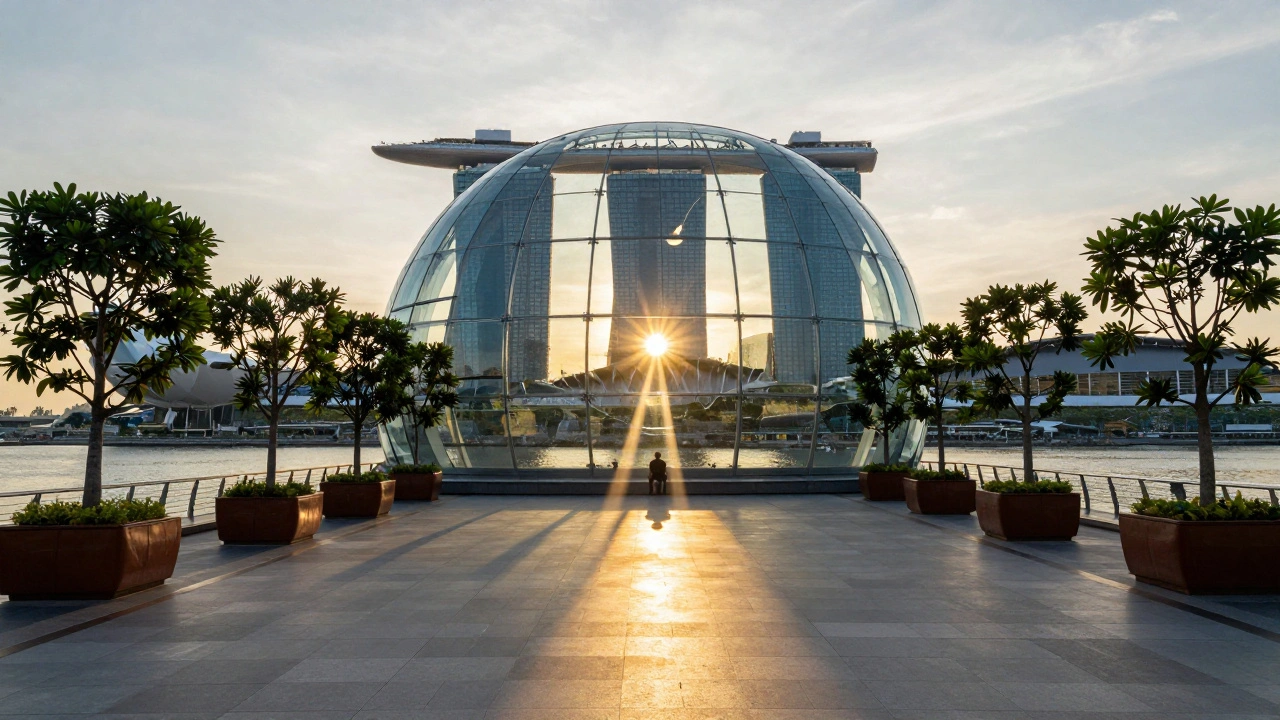
Walk into any Apple Store today, and you’ll notice something unusual: there’s no clear path. No arrows pointing to iPhones. No signs saying “Cameras Here.” No forced funnel toward the checkout. Instead, the space is open, fluid, and organized around how you actually interact with tech-not how Apple internally categorizes it. Products are grouped by use, not by model. You’ll find all the ways to take photos together: iPhones, iPads, cameras, and accessories. All the ways to create music in one corner. All the ways to code or edit video in another. This means you don’t need to know what you’re looking for before you walk in. You can just start exploring. The lighting helps. Bright, even, and focused on each product, it draws your eye without shouting. The materials feel warm-wooden tables, stone floors, natural fabrics. No cold white plastic. No harsh fluorescent lights. It’s designed to feel like a living room, not a warehouse. And then there’s the architecture. In newer stores, giant sliding glass doors open fully to the street. No barriers. No turnstiles. No security gates. You can just walk in. That’s intentional. It says: You’re welcome here, no matter why you came.The Genius Grove: Where Help Feels Like Conversation
In older stores, the Genius Bar was tucked in the back, almost hidden. It felt like a repair shop-clinical, impersonal, a last resort. Today, it’s moved to the center. It’s called the Genius Grove. Eight ficus trees rise above two large wooden tables. Soft lighting. Quiet background music. Staff in the same simple t-shirts as everyone else. No uniforms. No name tags. Just people who know how to fix things-and how to listen. This isn’t just a change in location. It’s a change in psychology. By placing support in the heart of the store, Apple signals: Help isn’t a problem to solve. It’s part of the experience. You’re not being ushered to the back because something’s broken. You’re being invited to sit down because we want to help you get the most out of your device. And it works. People linger. They ask questions. They try things they didn’t even know they could do. A simple fix becomes a moment of discovery.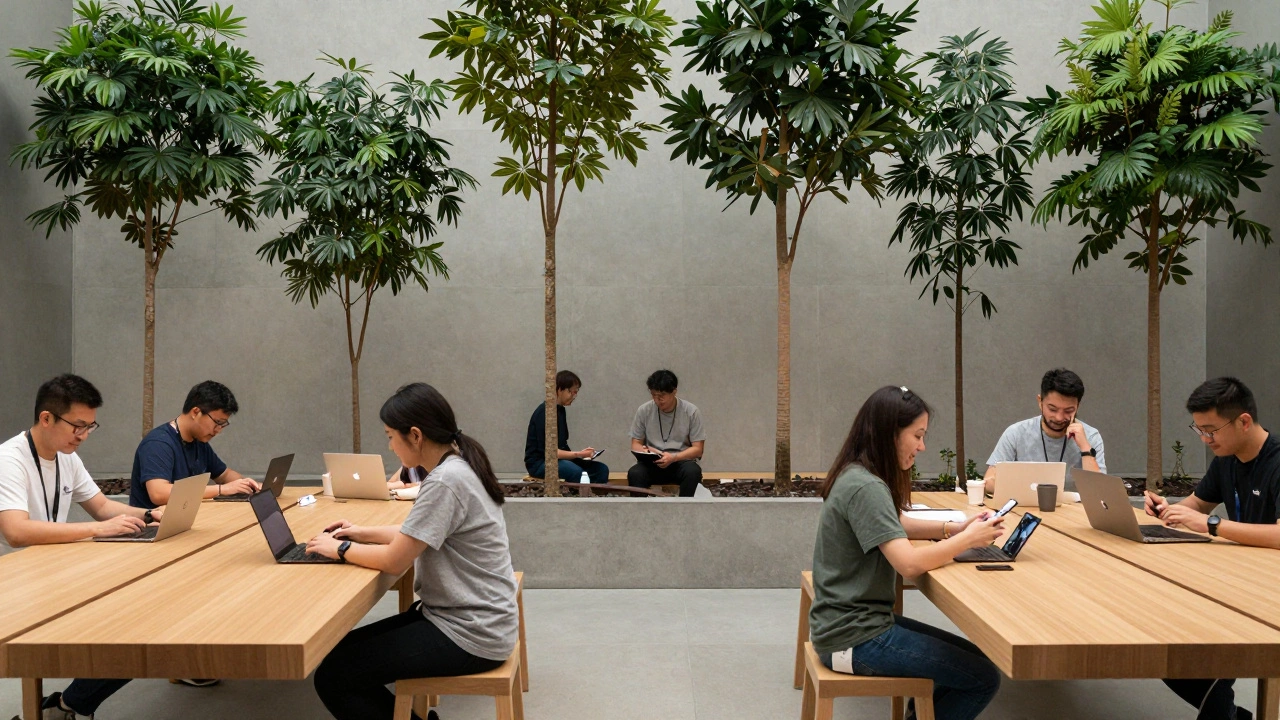
Creative Pros: Teachers, Not Salespeople
Walk past the Genius Grove, and you might see a small group gathered around a table. Someone’s showing others how to edit a video. Another is teaching kids to code with Swift. These aren’t customers. They’re participants. And the person leading them? They’re a Creative Pro. Creative Pros are full-time employees hired specifically to teach. No sales targets. No quotas. Their only job is to help you learn how to use Apple products in ways you didn’t know were possible. Photography. Music production. App development. Storytelling. They don’t sell you a new iPhone. They show you how the one you already have can change the way you create. This is one of Apple’s most powerful moves. It turns retail staff into educators. And in doing so, it builds trust-not because they’re pushing a product, but because they’re helping you grow.The Avenue: Learning Through Doing
In the corner of every modern Apple Store, there’s a wall. Not a poster. Not a screen playing ads. A wall of interactive, touchable displays called The Avenue. Tap it, and you’ll see how an iPhone captures a sunset. Swipe it, and you’ll hear how a playlist shifts with mood. Drag your finger, and you’ll watch a video edited in real time on an iPad. These aren’t demos. They’re experiences. You don’t watch someone else use the product. You use it yourself. This is how Apple replaces brochures and commercials-with hands-on exploration. You learn by doing. And because there’s no pressure to buy, you’re free to experiment. That’s how confidence builds.Why Other Stores Fail to Copy It
You’ve seen it. Big-box retailers try to copy Apple. They add wood tables. They install sleek lighting. They put a few iPads on counters. They call it “experiential retail.” But it doesn’t work. Because they’re copying the surface, not the soul. Apple’s design isn’t about clean lines or natural materials. It’s about removing friction between the customer and the product. It’s about trust. It’s about giving people space to make mistakes, ask questions, and find their own way. Other stores still measure success by sales per square foot. Apple measures it by how many people leave with a new idea, a new skill, or a new way of thinking. That’s why you can walk into a competitor’s store, touch a tablet, and feel like you’re being watched. Walk into an Apple Store, and you feel like you’re being invited.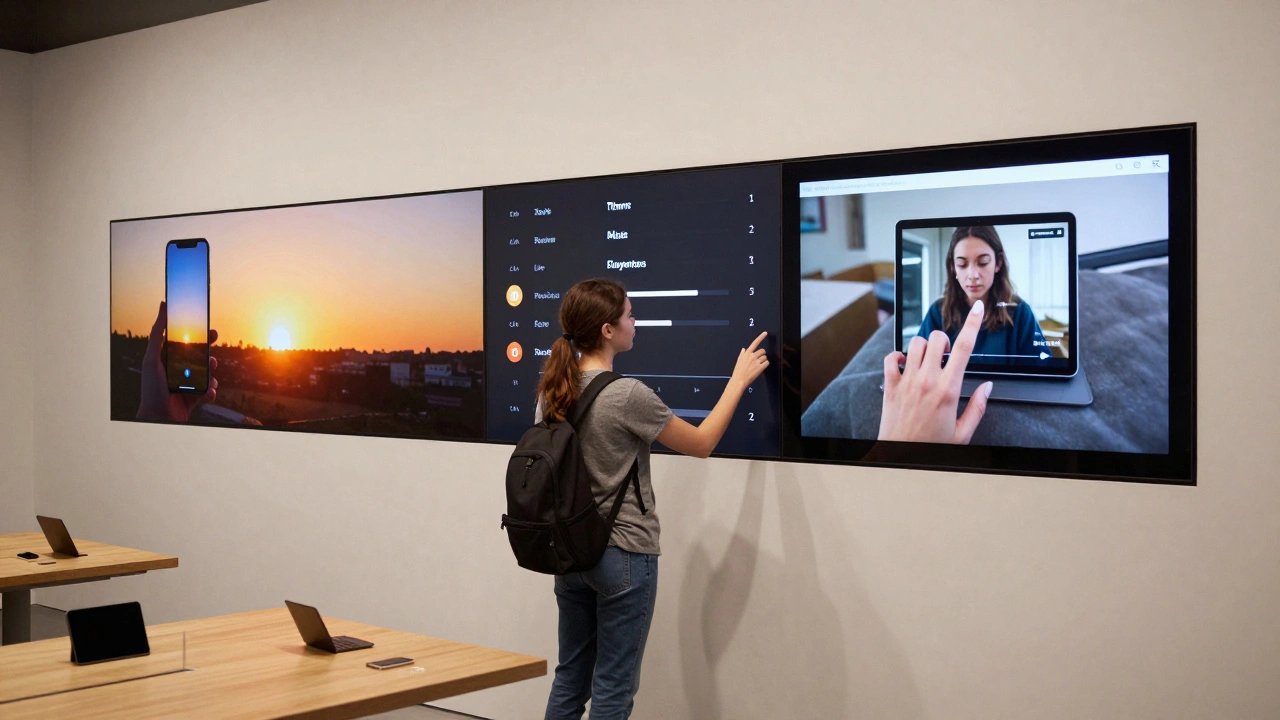
The Real Secret: No Pressure, All Support
The magic of the Apple Store isn’t in its architecture. It’s in its silence. No pushy sales pitches. No “Would you like to upgrade?” No “This is our bestseller.” No countdown timers. No limited-time offers. Instead, you get time. Time to play. Time to ask. Time to be confused. Time to figure it out. And when you’re ready? Someone’s there-not to sell you, but to help you. Not because they’re paid to, but because they’re trained to. That’s the difference.What This Means for Retail
Apple didn’t just redesign a store. It redesigned the relationship between brand and customer. Retail isn’t about transactions anymore. It’s about transformation. The best stores today don’t just sell products. They help people become better versions of themselves. They don’t ask, “What do you need?” They ask, “What could you do?” Apple’s stores prove that when you remove pressure and add support, people don’t just buy-they stay. They return. They bring friends. They become loyal. That’s not retail. That’s community.Why are Apple Stores designed without cash registers?
Apple Stores don’t have traditional cash registers because the goal isn’t to speed up checkout-it’s to slow down the experience. Instead of lining up at a counter, customers can check out anywhere in the store using an iPad. A Creative Pro or Apple Specialist can process your purchase while you’re still exploring products. This removes the feeling of being rushed and keeps the focus on discovery, not payment. The absence of cash registers also removes physical barriers between staff and customers, reinforcing the idea that the store is a space for connection, not just commerce.
Do Apple employees get commissions?
No. Apple Store employees do not earn commissions based on sales. Their compensation is based on customer satisfaction, knowledge, and the quality of support they provide. This removes the conflict of interest that exists in traditional retail, where employees are incentivized to upsell. Instead, Apple staff are trained to listen first, then suggest solutions that match your actual needs-even if that means not buying anything today. This builds long-term trust, not short-term sales.
How does Apple decide what products to show in each store?
Apple doesn’t stock every product in every store. Instead, each location is curated based on local needs and usage patterns. For example, stores near universities might feature more iPads and Apple Pencils for students. Stores in creative districts might highlight music and video tools. Product placement changes seasonally, aligning with new releases or community events. This ensures the store feels relevant to the people who walk in, not just to corporate inventory lists.
Why are there so many wooden tables in Apple Stores?
Wooden tables create a sense of warmth and permanence. Unlike plastic or metal surfaces, wood feels inviting and human. It’s also durable and easy to clean, making it practical for daily use. More importantly, wood signals quality and craftsmanship-values Apple ties directly to its products. The material choice isn’t just aesthetic; it’s a subtle way of saying, ‘This is a space built for real people, not just buyers.’
Can you just walk in and use the products without buying anything?
Absolutely. Apple encourages it. You can sit at a table and test an iPhone for as long as you want. You can try out a MacBook with different apps. You can ask a Creative Pro to walk you through a feature-even if you have no intention of buying. There’s no time limit. No pressure. No staff will ask you to leave. This freedom is intentional. It removes the fear of making a wrong choice, which is often the biggest barrier to adopting new technology.