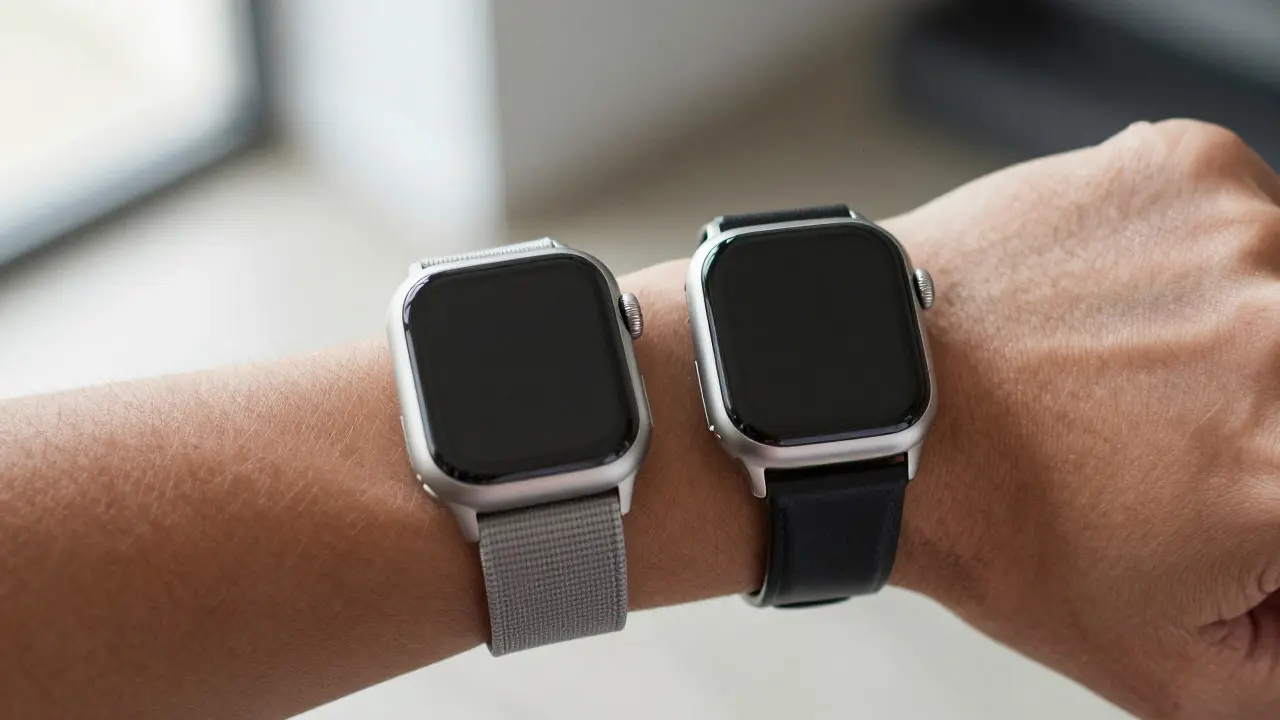

You just unboxed your new Apple Watch is a wearable smartwatch designed by Apple Inc., featuring interchangeable bands and case materials ranging from aerospace-grade aluminum to surgical stainless steel., and the first thing you notice isn’t the screen-it’s the weight. Or maybe it’s the way light hits the side. That tactile difference comes down to one thing: the material. Choosing between aluminum and steel isn’t just about aesthetics; it dictates how the device feels on your wrist after eight hours, how it holds up against a coffee cup bump, and whether you’ll be polishing it every night or never touching it again.
Most people assume "premium" means "steel." But in daily use, that assumption often leads to buyer’s remorse. Let’s break down exactly what these metals do to your experience, beyond the marketing brochures.
The Weight Difference: What Your Wrist Actually Feels
The most immediate distinction is mass. An Aluminum Case is made from a 100% recycled aerospace-grade aluminum alloy. It is lightweight, rigid, and matte-finished. For a 45mm model, the aluminum version typically weighs around 46-48 grams (without the band). The stainless steel counterpart? Closer to 70-75 grams. That’s nearly 50% more weight hanging off your wrist.
If you sleep with your watch on, this matters. Many users report that the steel version presses into their skin during deep sleep, causing slight indentations or discomfort if the band isn’t adjusted perfectly. The aluminum version is barely noticeable. If you’re an athlete who wears the watch during high-intensity interval training, the lighter aluminum reduces fatigue over long sessions. However, if you prefer the feeling of having a substantial piece of jewelry, the heft of steel provides a satisfying, premium anchor.
Durability and Scratch Resistance: The Reality Check
Here is where the debate usually gets heated. People ask, "Is steel harder than aluminum?" The answer is yes, but not in the way you think. Hardness refers to resistance to scratching. Stainless steel has a higher Mohs hardness rating than aluminum. In practical terms, this means:
- Aluminum: Prone to micro-scratches. A keychain, a table edge, or even a rough surface can leave fine lines on the matte finish. These scratches are shallow and often blend into the texture rather than standing out as deep gouges.
- Steel: More resistant to deep scratches, but when it does scratch, the mark is often more visible because the polished or brushed surface reflects light differently. Deep nicks can occur if hit hard enough.
However, there is a third option many overlook: Ceramic. While not a metal, the Ceramic Case is made from sapphire crystal and zirconia, offering extreme scratch resistance. It is virtually unscratchable under normal conditions but is brittle. Drop it on concrete, and it might shatter. Aluminum bends slightly; steel dents slightly; ceramic cracks. For daily wear where drops are inevitable, metal cases offer better impact tolerance than ceramic.
Thermal Conductivity: Why One Gets Hotter
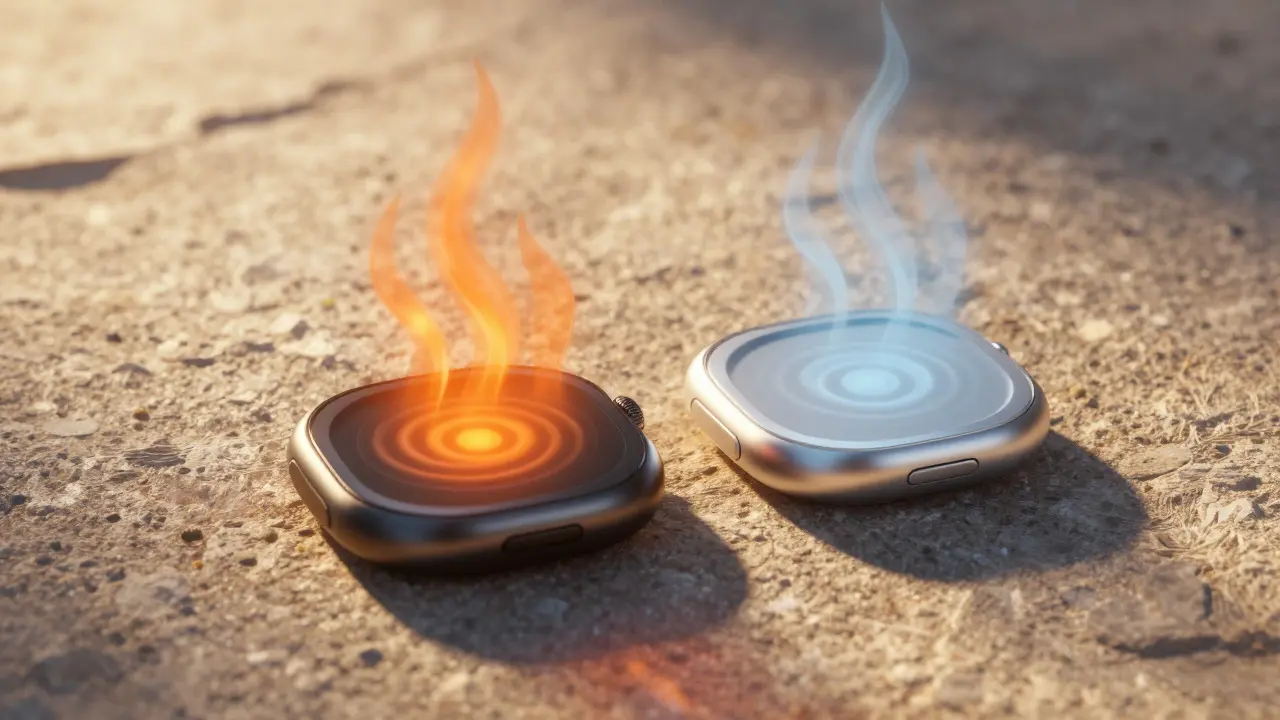
This is a subtle but significant factor for comfort. Metals conduct heat. Stainless steel conducts heat roughly twice as fast as aluminum. This means two things:
- In Summer: If you sit in direct sunlight, the steel case will absorb and radiate heat faster. You may feel a warm spot on your wrist within minutes. Aluminum dissipates heat more evenly and stays cooler to the touch.
- In Winter: When you step outside into cold air, the steel case will feel icy immediately. Aluminum cools down slower, providing a more neutral temperature experience.
If you live in a climate with extreme temperature swings, the aluminum case offers a more thermally neutral experience. It doesn’t get uncomfortably hot in the sun or painfully cold in the wind. Steel amplifies the environment’s temperature, which can be a dealbreaker for sensitive skin.
Finishes and Aesthetics: Matte vs. Polished
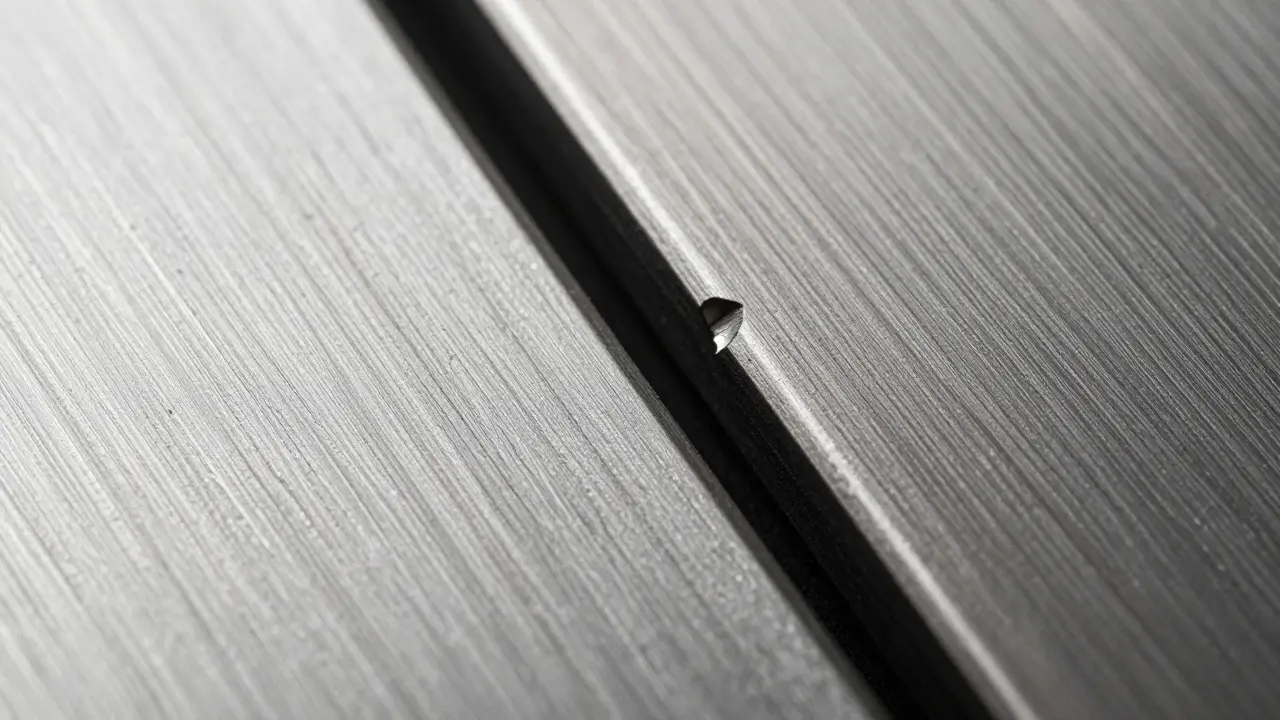
Material choice goes hand-in-hand with finish. Apple typically offers aluminum in a matte, sandblasted finish. This texture hides minor scratches well and gives the watch a modern, industrial look. It also tends to show fingerprints less than glossy surfaces.
Stainless steel is available in both brushed and polished finishes. Brushed steel has horizontal lines that mask swirl marks and small imperfections. Polished steel is mirror-like, highlighting every fingerprint and smudge. If you choose polished steel, expect to wipe it down frequently. Brushed steel is generally more forgiving for daily wear.
| Attribute | Aluminum | Stainless Steel | Ceramic |
|---|---|---|---|
| Weight (45mm approx.) | ~47g | ~73g | ~65g |
| Scratch Resistance | Moderate (micro-scratches) | High (visible deep scratches) | Extreme (unscratchable) |
| Impact Tolerance | Good (dents) | Good (dents) | Poor (shatters) |
| Heat Retention | Low | High | Moderate |
| Price Tier | Standard | Premium (+$100-$150) | Luxury (+$300+) |
Corrosion and Long-Term Aging
Both aluminum and stainless steel are highly corrosion-resistant, especially in everyday environments like sweat, rain, and soap. However, they age differently. Aluminum develops a patina over time. The matte finish may darken slightly in crevices where dirt accumulates, giving it a lived-in look. Some users love this character; others find it messy.
Stainless steel maintains its appearance longer. It doesn’t oxidize visibly. However, if you expose it to chlorine pools or saltwater without rinsing, pitting can occur over years. Rinsing your watch with fresh water after swimming is crucial regardless of material, but steel is slightly more susceptible to long-term chemical exposure if neglected.
Which Should You Choose?
There is no single "best" material. It depends on your lifestyle.
Choose Aluminum if:
- You prioritize comfort and lightness.
- You sleep with your watch on.
- You want a low-maintenance, modern aesthetic.
- You are budget-conscious (aluminum models are significantly cheaper).
Choose Steel if:
- You value the premium feel and weight of metal.
- You wear the watch primarily during waking hours.
- You prefer a classic, jewelry-like appearance.
- You don’t mind occasional polishing.
Consider Ceramic if:
- Scratch-free perfection is your top priority.
- You have a careful handling style (low drop risk).
- Budget is not a constraint.
Frequently Asked Questions
Does aluminum dent easier than steel?
Yes. Aluminum is softer than stainless steel. If you drop your watch on a hard surface, an aluminum case is more likely to sustain a visible dent than a steel case. However, both metals are durable enough to withstand typical daily bumps and knocks without structural failure.
Can you polish scratches out of an Apple Watch?
For stainless steel, professional polishing can remove minor scratches, but DIY polishing risks damaging the finish. For aluminum, micro-scratches are part of the matte texture and cannot be polished out without changing the entire surface finish. Most users accept these marks as signs of use.
Is titanium available for Apple Watch?
As of 2026, Apple has not introduced a standard titanium case for the mainstream Apple Watch lineup. Titanium is used in some limited edition or Ultra series variants, but for standard Series models, the choices remain aluminum, stainless steel, and ceramic.
Which material lasts longer aesthetically?
Ceramic lasts the longest aesthetically because it resists scratching almost entirely. Stainless steel follows, maintaining its shine with proper care. Aluminum shows wear the fastest due to its softness, but many users prefer the rugged, used look it develops over time.
Do I need to charge my watch differently based on material?
No. The charging mechanism is magnetic and internal. The case material does not affect battery life or charging speed. However, if the steel case gets very hot in the sun, it may transfer that heat to the battery slightly faster, potentially triggering thermal throttling in extreme outdoor conditions.
Categories
Popular Articles