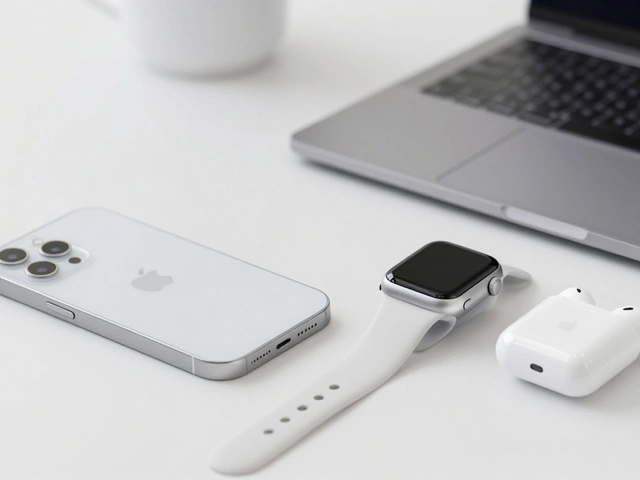

Remember the first time you held an iPhone? It wasn’t just a phone; it was a slab of glass and aluminum that felt like a piece of jewelry. Fast forward to today, and you’re holding a device with a Grade 5 titanium frame, designed to be lighter yet stronger than its predecessors. This shift isn’t just about marketing hype or chasing trends. It’s the result of over fifteen years of relentless experimentation with how materials behave under stress, heat, and human touch.
We often talk about software updates, but the hardware story is where the real drama lives. Apple didn’t wake up one day and decide to switch from stainless steel to titanium. Each change was a response to a specific problem: weight complaints, signal interference, scratch resistance, or manufacturing limits. If you’ve ever wondered why your older iPhone feels different in your hand compared to the latest model, the answer lies in these material transitions. Let’s unpack how Apple iterated through plastics, metals, and ceramics, and what those choices teach us about designing for longevity.
The Early Days: Polycarbonate and Aluminum
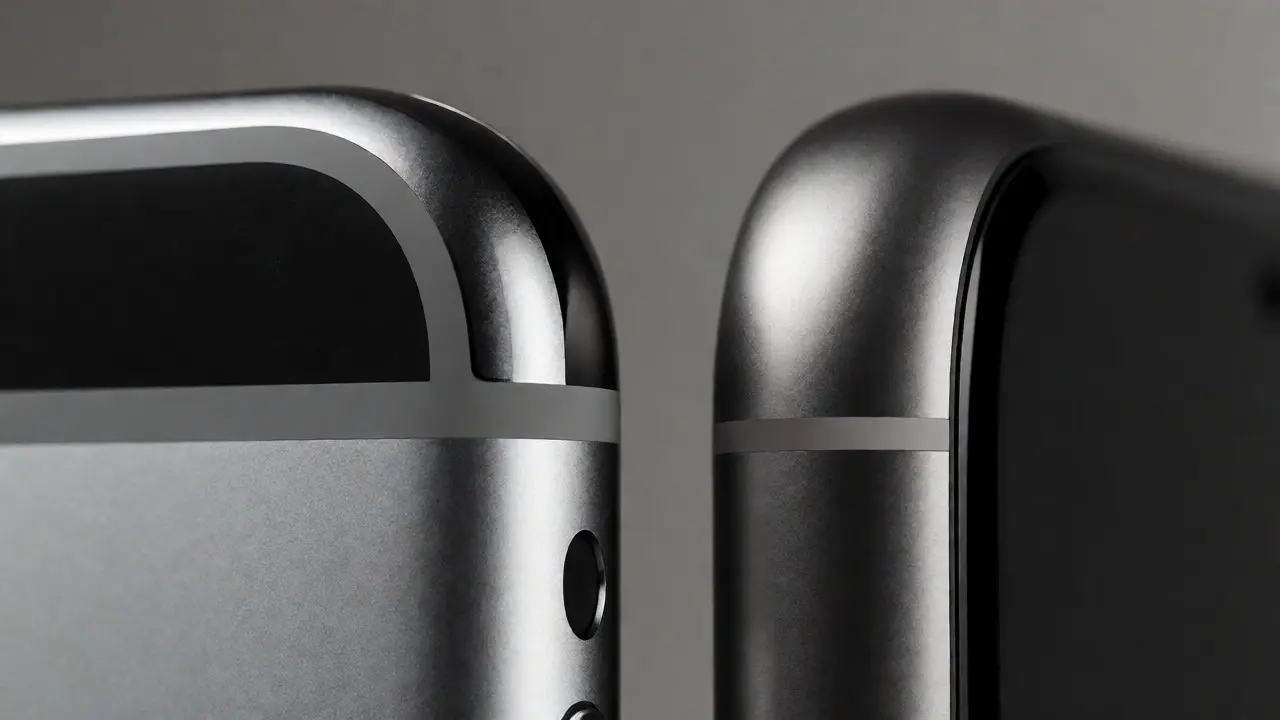
In 2007, when the original iPhone launched, the back panel was made of anodized aluminum. It was sleek, cool to the touch, and signaled premium quality. But there was a catch. Aluminum blocks radio signals. That’s why early iPhones had those distinct black plastic strips at the top and bottom-functional necessities disguised as design elements. They looked awkward, but they worked.
Then came the iPhone 5c in 2013. Apple tried something radical: polycarbonate. It was colorful, durable, and cheap to produce. But users hated it. Why? Because it felt "cheap." Despite being tough, the plastic lacked the thermal conductivity of metal. It didn’t feel cold; it felt inert. This taught Apple a crucial lesson: perception matters as much as performance. People associate weight and temperature with value. A light, warm plastic case didn’t communicate "premium," no matter how well it survived drops.
- Aluminum: Lightweight, good heat dissipation, poor signal transparency.
- Polycarbonate: Impact-resistant, low cost, perceived as lower tier.
- Glass: Signal-friendly, scratch-prone, heavy.
The Stainless Steel Era and Weight Trade-offs
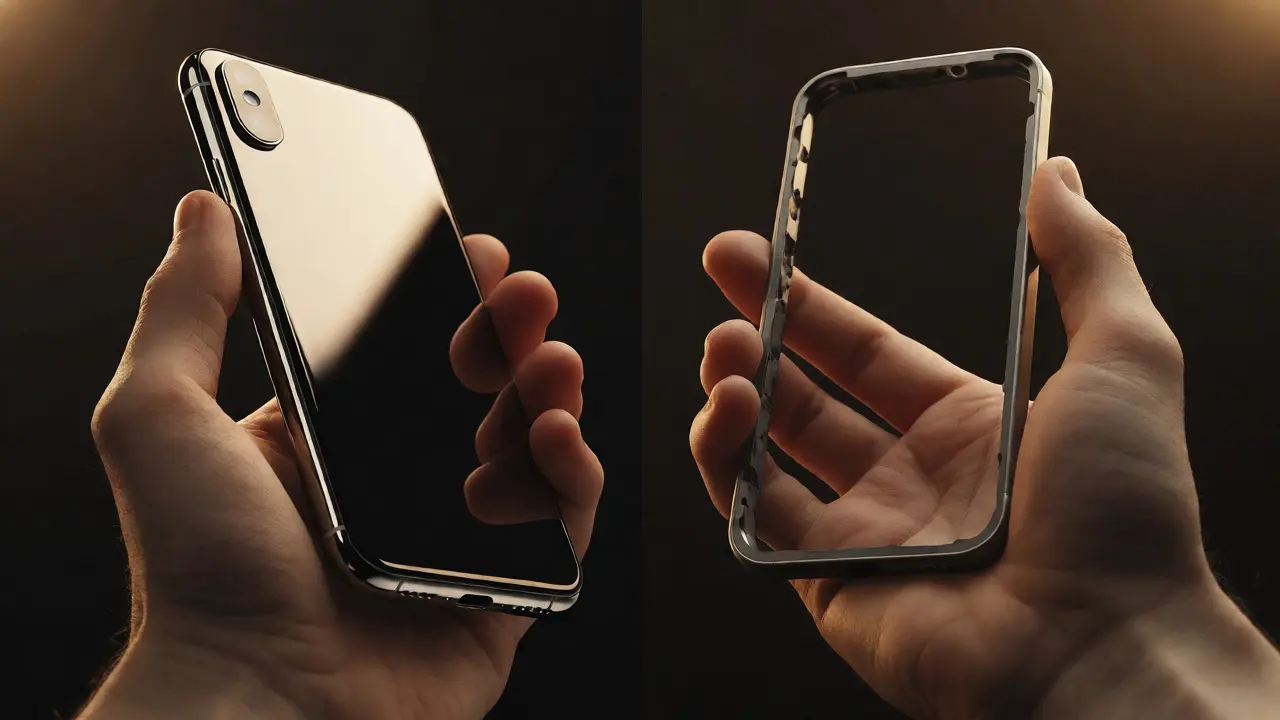
By the time the iPhone X arrived in 2017, Apple had solved the signal issue by moving antennas around the edges and using glass backs. But they also introduced a new challenge: weight. To achieve a mirror-like finish on the sides, Apple used stainless steel. It looks incredible. It reflects light beautifully. And it’s incredibly dense.
If you used an iPhone XS Max, you know the strain. Holding it for long periods caused wrist fatigue. Stainless steel is roughly 40% heavier than aluminum. For designers, this was a classic trade-off: aesthetics versus ergonomics. Apple stuck with steel for several generations because it allowed for polished finishes that aluminum couldn’t match without showing fingerprints easily. But user feedback was clear. People wanted the look of luxury without the burden of carrying a brick.
| Material | Density (g/cm³) | Strength-to-Weight Ratio | Corrosion Resistance | User Perception |
|---|---|---|---|---|
| Aluminum (6000 Series) | 2.7 | Moderate | Good | Light, Standard |
| Stainless Steel (316L) | 8.0 | Low | Excellent | Premium, Heavy |
| Titanium (Grade 5) | 4.4 | High | Superior | Modern, Balanced |
Titanium: The Sweet Spot?
Enter the iPhone 15 Pro series in 2023. Apple finally switched the Pro models to titanium. This wasn’t just a cosmetic tweak. Titanium offers a strength-to-weight ratio that neither aluminum nor steel can match. It’s stronger than steel but significantly lighter. More importantly, it resists corrosion better than almost any other common alloy.
But here’s the nuance most people miss: Apple didn’t use pure titanium. Pure titanium is hard to machine and doesn’t take color well. Instead, they used a Grade 5 titanium alloy (Ti-6Al-4V), which includes small amounts of aluminum and vanadium. This makes it easier to work with during manufacturing while retaining most of the benefits. The result? A device that feels substantial but not burdensome. The brushed finish hides fingerprints better than the polished steel of previous generations, addressing another major user complaint.
Is it perfect? Not quite. Titanium scratches differently than steel. While it’s harder to dent, it can show fine hairline scratches more visibly depending on the lighting. However, for most users, the weight reduction outweighs this minor aesthetic concern. It’s a clear example of prioritizing daily usability over showroom shine.
Ceramics and Glass: The Front Line
While the chassis gets all the attention, the front and back covers have their own evolution. Early iPhones used standard aluminosilicate glass. It scratched easily. Then came Gorilla Glass, developed by Corning. By the iPhone 6, Apple had customized versions of this glass, increasing hardness and drop resistance.
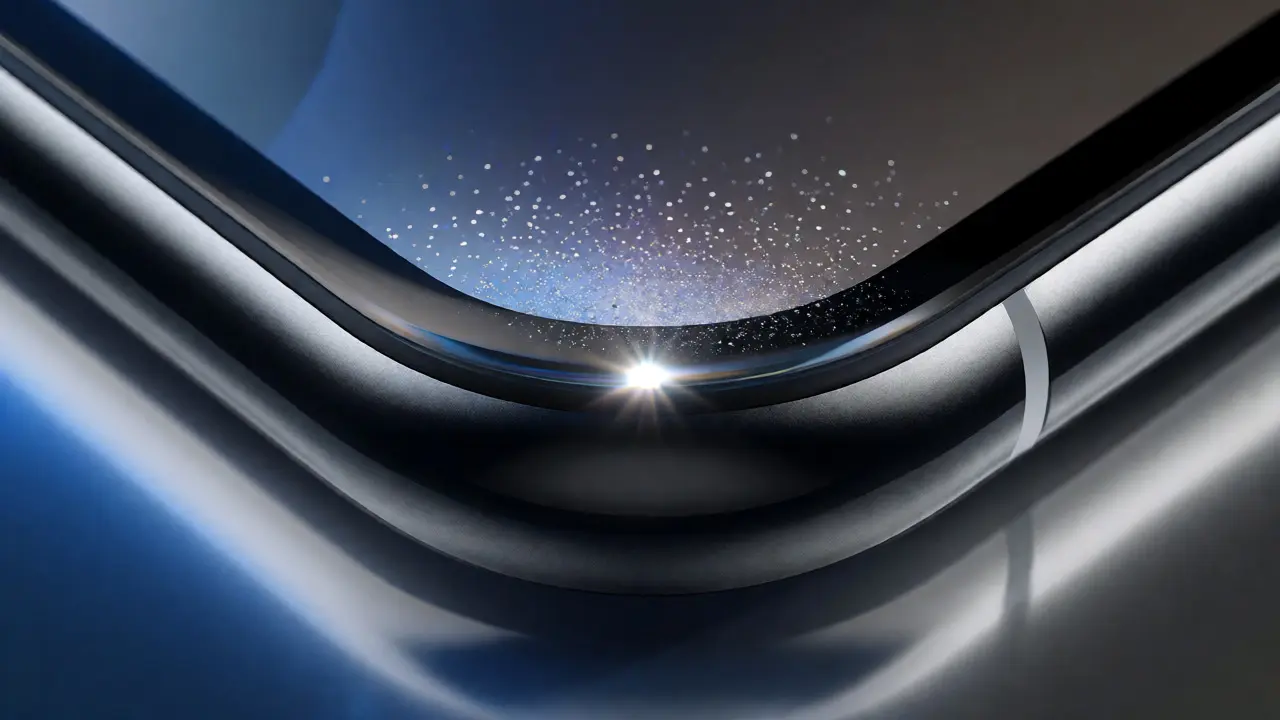
In 2020, Apple introduced Ceramic Shield on the iPhone 12. This isn’t just glass; it’s a composite material infused with nano-ceramic crystals. These crystals are harder than most metals and provide superior toughness against impacts. Tests showed a four-fold improvement in drop performance compared to previous generations.
Why does this matter? Because the screen is the most vulnerable part of the device. You can put a case on the back, but you can’t protect the front without covering the display. Ceramic Shield represents a shift from treating glass as a passive window to treating it as an active structural component. It allows for thinner bezels because the material itself contributes to the device’s rigidity.
Lessons for Designers and Consumers
What can we learn from Apple’s journey? First, there is no "best" material. There are only trade-offs. Aluminum is great for lightweight devices but weak for thin profiles. Steel is strong but heavy. Titanium balances both but costs more to process. Your choice depends on what problem you’re solving.
Second, perception drives adoption. The iPhone 5c failed not because it broke easily, but because it felt wrong in the hand. Materials communicate value before you even turn the device on. If you’re designing a product, test how it feels, not just how it specs.
Third, iterate based on real-world data. Apple didn’t switch to titanium until they had enough manufacturing capacity and user demand to justify the cost. They waited until the pain points of stainless steel (weight) became louder than the benefits (shine). Don’t chase innovation for its own sake. Solve actual user problems.
Frequently Asked Questions
Why did Apple stop using stainless steel on non-Pro iPhones?
Apple reserves stainless steel for Pro models because it is significantly heavier and more expensive than aluminum. For standard iPhones, weight savings and cost efficiency are higher priorities. Aluminum provides sufficient durability for everyday use while keeping the device light and affordable.
Is titanium really stronger than stainless steel?
In terms of absolute strength, high-grade stainless steel is comparable or slightly stronger. However, titanium has a much higher strength-to-weight ratio. This means you can make a titanium part lighter than a steel part while maintaining similar structural integrity, which is why it’s preferred for aerospace and premium electronics.
Does Ceramic Shield prevent all screen cracks?
No material is unbreakable. Ceramic Shield significantly improves drop resistance-up to four times better than previous glass-but it can still crack if hit at a bad angle or against a sharp object. It reduces the likelihood of damage but doesn’t eliminate it entirely.
Why do some iPhone colors fade or scratch more than others?
This depends on the finishing process. Anodized aluminum colors are dyed into the surface layer, so scratches reveal the silver base metal underneath. PVD (Physical Vapor Deposition) coatings on stainless steel or titanium are harder and more resistant to scratching, but deep scratches can still show through. Darker colors tend to show micro-scratches less than light ones due to contrast.
Will future iPhones use different materials?
Likely yes. Rumors suggest Apple may experiment with liquid metal or advanced composites to further reduce weight and improve durability. As foldable technology matures, flexible glass or polymer hybrids might replace rigid glass panels, changing the entire material strategy.
Categories
Popular Articles