
When Apple switched from aluminum to titanium in the iPhone 15 Pro, many assumed it was the final word in premium smartphone design. Titanium felt like the future-lighter than steel, stronger than aluminum, with that sleek brushed finish that didn’t show fingerprints like the old aluminum models. But by 2026, Apple did something unexpected: it went back to aluminum. Not just any aluminum, though. A new aerospace-grade alloy that outperformed titanium in the one area that actually matters most: heat management.
Why Titanium Seemed Like the Perfect Choice
The iPhone 15 Pro introduced Grade 5 titanium, the same material used in Mars rover chassis. It’s 6% aluminum and 4% vanadium, making it twice as strong as pure titanium. That meant Apple could make the frame thinner without sacrificing durability. The result? A phone that felt more solid in hand, with a screen that seemed to stretch edge-to-edge. The brushed finish also hid minor scratches better than previous aluminum models.
But strength isn’t everything. Titanium is a terrible conductor of heat. While aluminum transfers heat away from the processor like a radiator, titanium traps it. During long gaming sessions or 4K video recording, the iPhone 16 Pro would get hot-not just warm, but hot-in one spot near the top of the frame. Users reported the phone slowing down, as if it needed a break. Thermal throttling became a real issue.
The Thermal Problem That Changed Everything
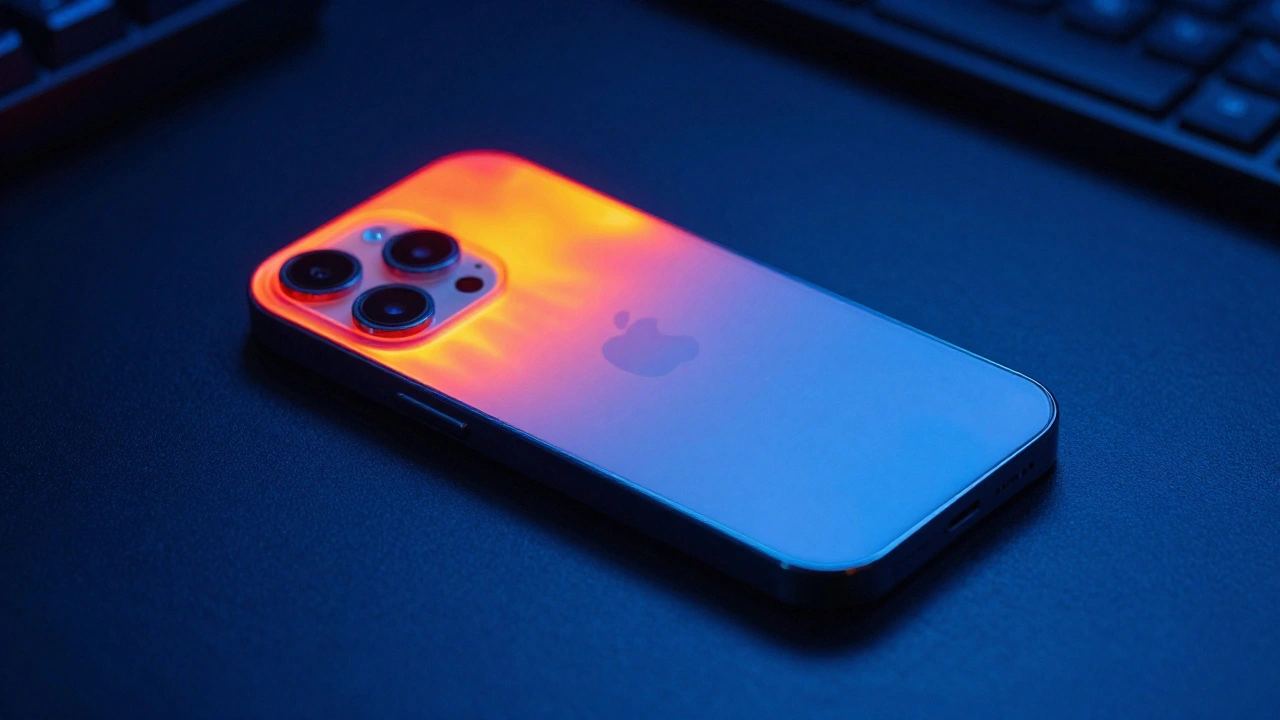
Apple’s engineers didn’t ignore this. They ran thousands of tests. Using FLIR thermal cameras, they mapped exactly where heat built up. On the titanium iPhone 16 Pro, heat concentrated in a narrow band along the top edge, right above the A18 Pro chip. That’s where the phone throttled performance to protect itself.
Meanwhile, the aluminum prototype? It warmed up evenly across the entire frame. No hot spots. No sudden slowdowns. The heat spread out like water on a flat surface instead of pooling in one corner. Independent tests confirmed it: aluminum dissipated heat 40% faster than titanium under sustained load.
That’s when Apple made the call. For the iPhone 17 Pro and Pro Max, they scrapped titanium. Not because it was weak. But because it was holding back performance.
Why Aluminum Actually Wins in Real-World Use
Aluminum might not sound as fancy as titanium, but the new aerospace-grade alloy used in the iPhone 17 Pro is no ordinary metal. It’s been engineered to match titanium’s strength while outperforming it in heat transfer. The result? A phone that stays fast even during hours of gaming, video editing, or AR apps.
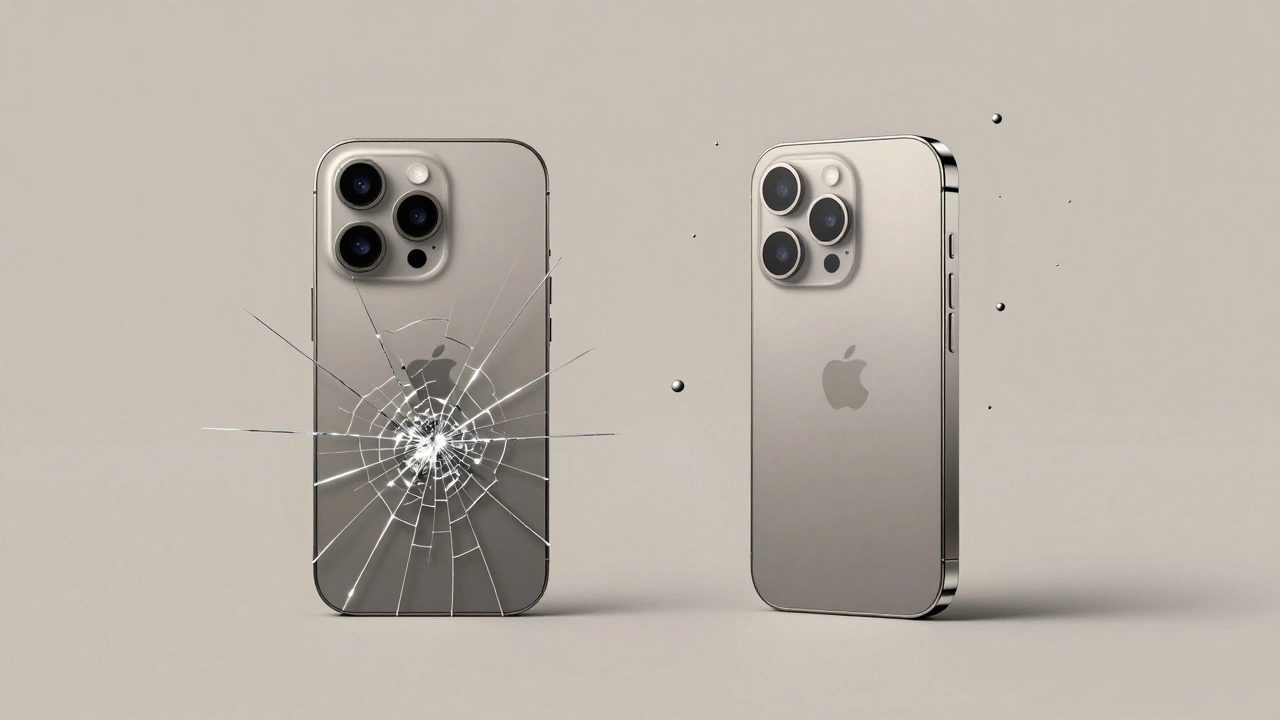
And here’s the surprise: aluminum is better at absorbing impacts. Titanium is rigid. When you drop it, it doesn’t bend-it transfers the shock straight to the glass. Aluminum, on the other hand, has a little give. It deforms slightly on impact, absorbing energy before it reaches the rear glass. Drop tests showed the iPhone 17 Pro had 30% fewer rear glass cracks than the titanium iPhone 16 Pro, even without cases.
Apple also improved the glass itself. The iPhone 17’s ceramic shield is tougher than ever, and paired with the aluminum frame, it creates a system that’s more resilient than titanium alone.
Design, Weight, and Aesthetics
The iPhone 17 Pro is noticeably lighter than the iPhone 16 Pro. Titanium may be lighter than steel, but aluminum is lighter than titanium. The new frame shaved off 12 grams-about the weight of a paperclip. That doesn’t sound like much, but when you’re holding your phone for hours, it adds up.
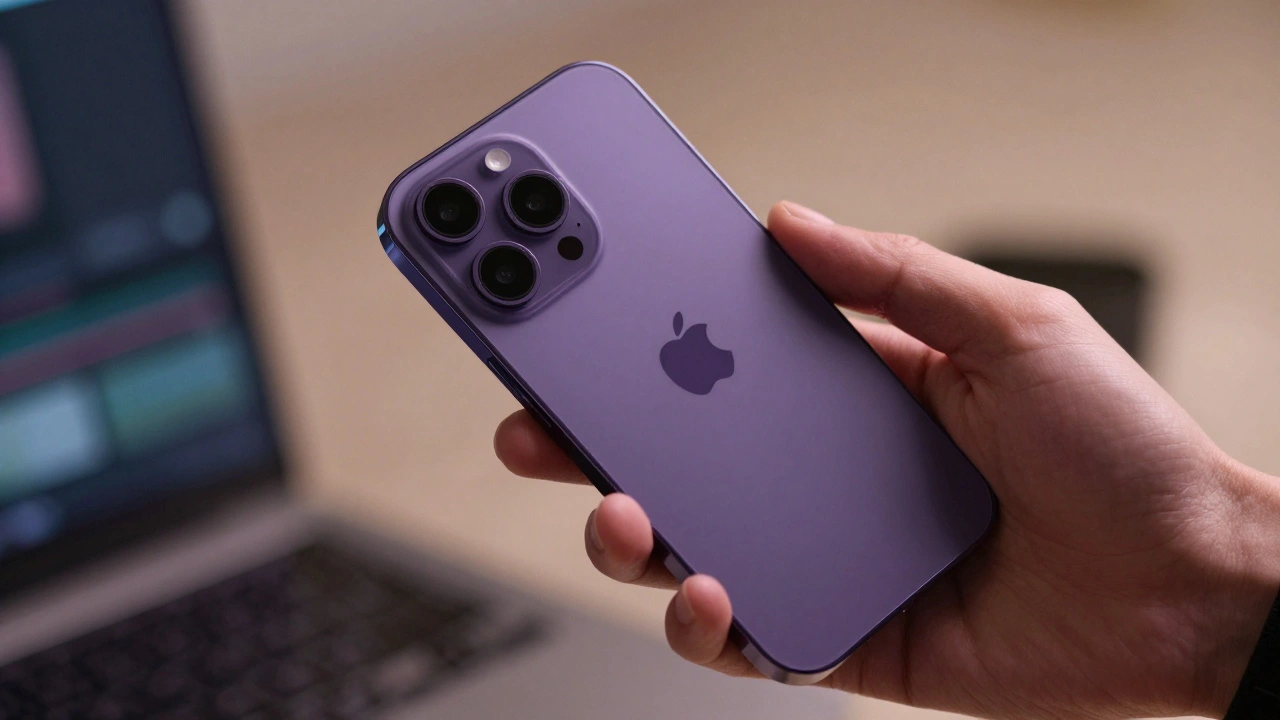
And then there’s the finish. The brushed titanium on the iPhone 15 and 16 Pro was prone to visible smudges and micro-scratches, especially around the edges. The new anodized aluminum on the iPhone 17 Pro doesn’t just resist fingerprints-it repels them. The surface is smoother, more polished, and comes in richer, more vibrant colors like Deep Purple and Desert Tan that don’t fade or dull over time.
Manufacturing and Sustainability
Apple didn’t switch back to aluminum just to fix heat. It was also easier to make. Titanium is hard to machine. It dulls tools quickly, requires slower production speeds, and needs special handling to avoid contamination. Aluminum? It’s like working with butter compared to concrete. That meant Apple could produce more units faster and with fewer defects.
And sustainability? The iPhone 17 Pro’s frame is made from 100% recycled aluminum. That’s a big deal. Titanium mining is energy-intensive and environmentally damaging. While titanium lasts longer, aluminum’s recyclability and lower production footprint give it the edge in Apple’s 2030 carbon-neutral goal. The company doesn’t just want a durable phone-it wants a responsible one.
What About the iPhone 17 Air?
Apple didn’t abandon titanium completely. The iPhone 17 Air still uses it. Why? Because it’s not meant for heavy-duty use. It’s the middle ground-lighter than the Pro, cheaper, and aimed at users who care more about looks than raw performance. It’s a reminder: titanium still has its place. Just not in the flagship model where performance can’t be compromised.
What Users Are Saying
People who switched from the iPhone 16 Pro to the iPhone 17 Pro didn’t miss the titanium. They missed the heat. One user wrote: "I used to have to pause my games every 20 minutes. Now I play for an hour straight. I didn’t even notice the material change until someone asked me if I had the new model."
Another said: "I thought I’d miss the premium feel. But the weight difference? The color options? The way it doesn’t get hot? I’d never go back."
The shift isn’t about downgrading. It’s about upgrading what actually matters: performance, comfort, and reliability.
The Bigger Picture
Apple’s two-year titanium experiment taught them something critical: prestige materials don’t win if they hurt the experience. The best phone isn’t the one with the fanciest metal. It’s the one that stays cool, stays fast, and stays comfortable in your hand.
Other brands are watching. Samsung, Google, and OnePlus are all testing new aluminum alloys for their 2026 flagships. The trend is clear: when performance and user experience clash with prestige, performance wins.
The iPhone 17 Pro isn’t a step back. It’s a smarter step forward.